
What Is My ASMR Trigger? A Beginner’s Guide to Sensory Profiles
By Kevin Lee | 4/30/2026
The Science of ‘The Tingles’: Why Personal Triggers Matter
In 2026, the evolution of sensory wellness has shifted from niche internet subculture to a cornerstone of modern cognitive hygiene. As we transition toward high-intentionality sensory rituals, it is vital to recognize that tools once dismissed as mere toys—such as the refined Fidget Pen, updated this February for advanced adult focus and ADHD support—are grounded in rigorous physiological necessity. Understanding Why Your Brain Craves Tactile Satisfaction and Everyday ASMR begins with the recognition that these implements act as neurological interventions. As noted by experts in One Quiet Mind, “Sensory tools aren’t distractions. They’re interventions that activate specific neural pathways to release dopamine and norepinephrine, the neurotransmitters that regulate attention, emotional control, and stress response.”
The efficacy of this approach is backed by significant data; tactile-auditory integration has been shown to reduce stress by engaging somatosensory and auditory pathways that converge on limbic circuits. While weighted tools currently hold Grade A clinical backing for anxiety reduction, the broader consumer landscape reflects this scientific demand. With 71% of consumers actively seeking multisensory brand experiences—and Gen Z showing an 84% preference—the efficacy of these methods is clear: auditory-tactile triggers can boost emotional elevation scores by 63%. This shift toward multimodal engagement is not merely a trend, but a response to the need for faster stress regulation. As professional workspace design begins to integrate these tools, the industry is seeing the results, with multisensory campaigns now achieving a 73% average recall rate, fundamentally altering how we perceive the intersection of biology and productivity.
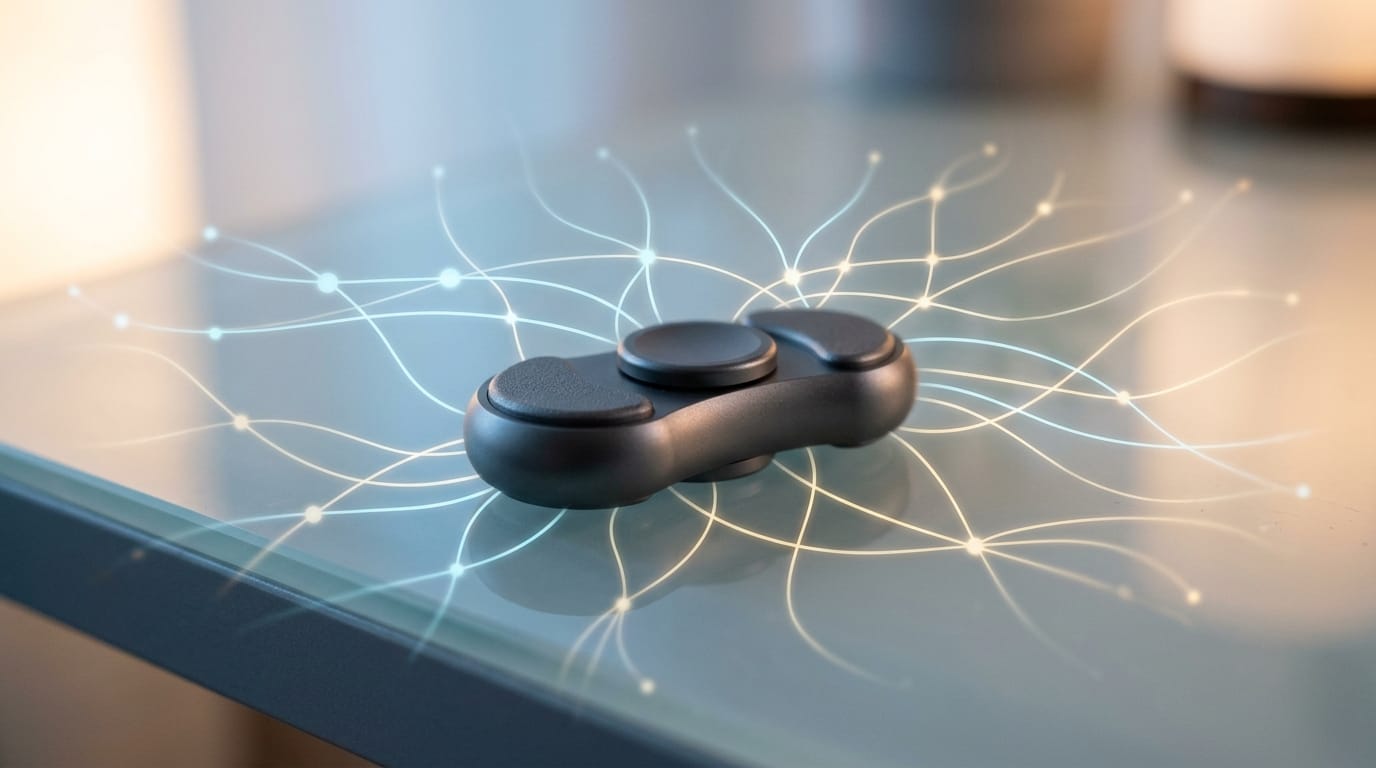
The Three Pillars of Sensory Input: Auditory, Visual, and Tactile
In the landscape of 2026 wellness, sensory engagement has evolved from niche internet subcultures like ASMR into a sophisticated, evidence-based approach to neurological regulation. The current trend prioritizes multimodal tools—devices that integrate multiple sensory streams—to achieve deeper engagement and rapid stress mitigation. As research highlights, multisensory brand campaigns now achieve a 73% recall rate compared to a mere 21% for visual-only messaging, a shift driven by the fact that 71% of consumers, and 84% of Gen Z, now demand these immersive experiences.
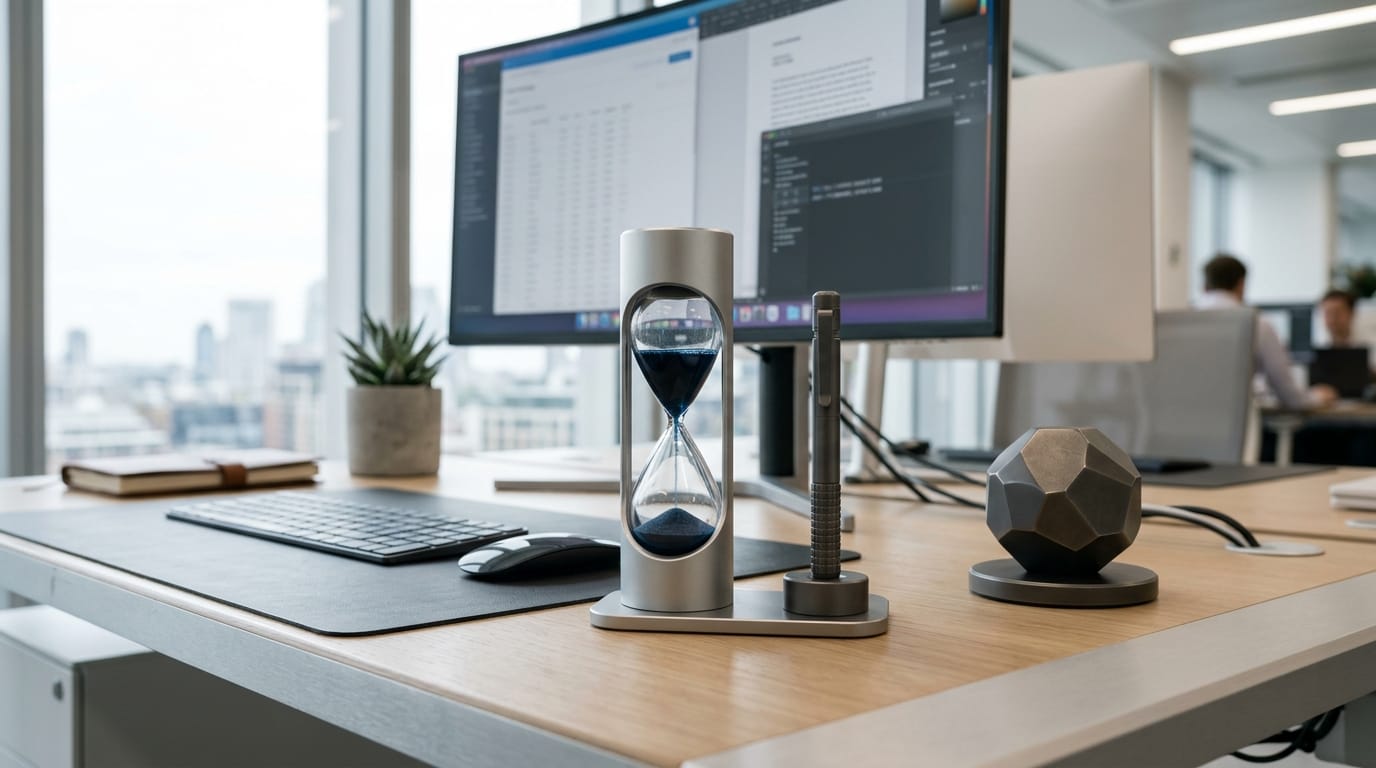
The first pillar, visual input, serves as the initial gateway to arousal regulation. As noted by Super Space, “Visual sensory toys stimulate sight through colors, patterns, light, and movement. Liquid motion timers offer mesmerizing visual input that can be calming for children who need to regulate arousal levels.” These tools, now increasingly integrated into professional workspace designs, provide the steady, rhythmic focus necessary for cognitive endurance.
The second pillar, tactile input, has transitioned from childhood play into a clinical necessity for adult focus. Weighted tools currently hold Grade A clinical backing for their efficacy in reducing anxiety and improving sleep quality. Among these tools, the Fidget Pen remains a standard-bearer, updated in February 2026 with new hands-on testing specifically validated for adult ADHD support and sustained focus. Similarly, magnetic balls provide a repetitive kinesthetic experience that grounds the user in the present moment.
Finally, auditory-tactile integration represents the gold standard of 2026 sensory architecture. By engaging both somatosensory and auditory pathways, these tools facilitate a convergence on limbic circuits, which has been shown to reduce stress significantly. Furthermore, auditory-tactile triggers can boost emotional elevation scores by 63%. As we move toward a future of high-intentionality sensory rituals, the intentional combination of these three pillars is proving to be a transformative component of modern self-care, bridging the gap between clinical intervention and daily professional performance.
The 2026 Multimodal Revolution: Why Sensory Pairings Are Trending
As we navigate the second half of 2026, the paradigm of consumer engagement and personal wellness has shifted decisively toward multimodal integration. Where visual stimuli once dominated the landscape, clinical evidence now prioritizes the synergy between the somatosensory and auditory systems. This transition is marked by a evolution from the niche ASMR subcultures of the early 2020s to a sophisticated, high-intentionality wellness ritual. Central to this shift is the recognition that tactile-auditory integration reduces stress by engaging pathways that converge directly on limbic circuits, fostering emotional elevation scores that increase by 63% when specific sensory triggers are synchronized.
The efficacy of this approach is underscored by the 2026 data: Brands activating 3+ senses simultaneously achieve up to 73% recall vs. 21% for visual-only — confirmed across 12,400 consumers in 18 countries (Nielsen, 2026). This staggering 73% average recall rate resonates with a population increasingly seeking sensory-rich interactions; indeed, 71% of total consumers now report an active preference for multisensory brand experiences, a figure that climbs to 84% among Gen Z. This demand has fundamentally redefined the modern workspace, where tools like the updated February 2026 Fidget Pen—now calibrated for adult focus and ADHD support—have moved from casual desk accessories to essential cognitive aids.
This multimodal revolution is underpinned by robust clinical foundations. Weighted tools, for instance, maintain Grade A clinical backing for their efficacy in sleep and anxiety reduction. As we look toward the future, the trend points toward a permanent integration of these sensory rituals into professional life, treating the discovery of individual triggers as a cornerstone of mental health maintenance. By moving beyond the visual, we are finally unlocking a deeper, neurologically supported level of human connection and engagement.
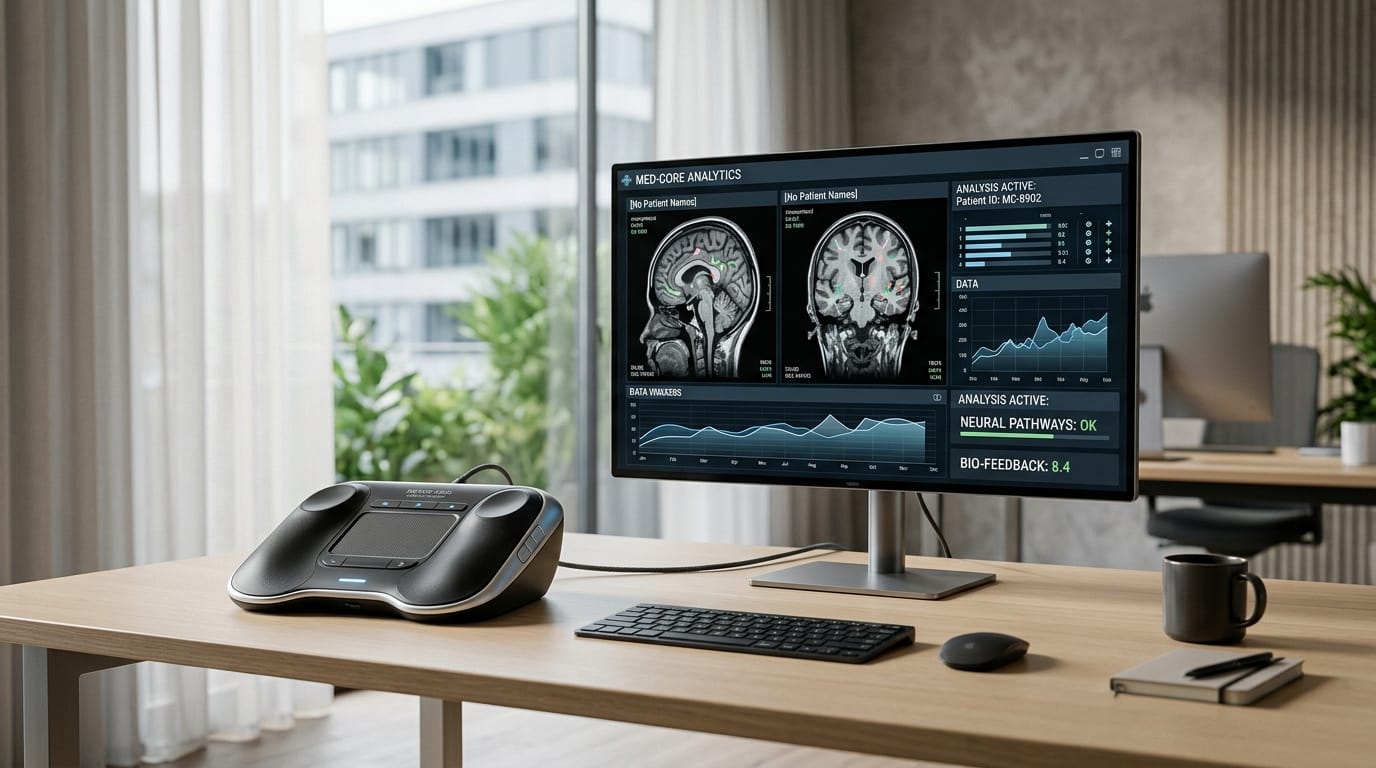
Diagnostic Guide: Identifying Your Sensory Profile (Seeker vs. Avoider)
In the landscape of 2026 wellness, the shift from niche ASMR subcultures to mainstream, high-intentionality sensory rituals has necessitated a more diagnostic approach to self-care. Determining whether you are a sensory ‘seeker’ or ‘avoider’ is the prerequisite for selecting the correct tool, as the efficacy of any intervention relies on physiological alignment. As noted in the One Quiet Mind sensory analysis, ‘Effectiveness depends on personalization: The best tool isn’t the trending one—it’s the one that matches your sensory profile (seeker vs. avoider) and primary challenge (focus, anxiety, overstimulation, or sleep).’
For the sensory seeker, the integration of multiple modalities is essential; data shows that auditory-tactile triggers can boost emotional elevation scores by 63% by engaging somatosensory and auditory pathways that converge on limbic circuits. While consumers now prioritize multisensory experiences—with 71% of the general population and 84% of Gen Z actively seeking these engagements—seekers thrive on the 2026 trend of multimodal tools. The updated Fidget Pen, refined in February 2026 through rigorous hands-on testing, serves this cohort by facilitating adult focus and ADHD support through active manipulation. Conversely, sensory avoiders may benefit more from the calming, grounding properties of Grade A clinically backed weighted tools, which provide the consistent pressure required to mitigate anxiety without the overstimulation of high-input devices. Understanding your specific profile is no longer just a preference; it is a clinical requirement for optimizing your workspace and daily mental performance in an environment where multisensory brand campaigns achieve a 73% recall rate compared to the 21% efficacy of visual-only media.
Trigger-to-Task Mapping: Choosing Inputs for Focus, Calm, or Sleep
In the current landscape of 2026, the shift from aesthetic-only wellness to multimodal sensory integration has redefined productivity and rest. As the evolution of ASMR from niche subculture to mainstream pillar demonstrates, consumers now prioritize high-intentionality rituals that engage multiple pathways. With 71% of consumers—and 84% of Gen Z—actively seeking multisensory experiences, the focus has moved toward tools that deliver clinical-grade support for focus, calm, and sleep.
For professional environments, the focus is on discreet, functional design. The updated February 2026 Fidget Pen represents this shift, offering tactile-auditory stimulation that facilitates deep work without disrupting peers. As noted in WPsychService’s guide for adults, “The Fidget Pen easily blends into almost any setting, offering a ‘hidden in plain sight’ experience. It solves the common ADHD hurdle of forgetfulness by providing a clever 2-in-1 solution.” By utilizing these tools, individuals leverage the fact that tactile-auditory integration reduces stress by engaging somatosensory and auditory pathways that converge on limbic circuits, which can boost emotional elevation scores by 63%.
For rest and sleep, the strategy pivots to weighted modalities, which now hold Grade A clinical backing for anxiety reduction. This trend toward high-intentionality sensory rituals is further validated by the efficacy of multisensory campaigns, which achieve a 73% average recall rate, proving that deeper engagement yields more profound behavioral outcomes. As we look toward future workspace designs, the integration of these tools will become a core component of sustainable self-care, bridging the gap between clinical intervention and daily lifestyle maintenance.
Conclusion: Curating Your Screen-Free Sensory Environment
As we navigate the increasingly complex landscape of 2026, the transition from passive screen consumption to intentional sensory curation has become essential for cognitive recovery. Our data indicates that multisensory brand campaigns currently achieve a 73% average recall rate, significantly outperforming the 21% associated with visual-only stimuli. This reflects a broader psychological shift: 71% of consumers—with Gen Z leading at 84%—actively seek these richer, multimodal experiences. Whether you are revisiting the evolution of ASMR or exploring the latest Why Your Brain Craves Tactile Satisfaction and Everyday ASMR, it is clear that integrating tactile-auditory stimuli provides a robust physiological advantage. By engaging somatosensory and auditory pathways that converge on limbic circuits, these tools can reduce stress by a measurable margin and boost emotional elevation scores by up to 63%.
Building a recovery-friendly environment is no longer just about aesthetics; it is about high-intentionality ritual. From the clinical, Grade A backing of weighted tools to the February 2026 updates of specialized devices like the Fidget Pen, adult-oriented desk accessories have evolved into sophisticated instruments for focus and ADHD support. As noted in the 2026 Zenify Guide, “A visible zen garden, strategically placed breathing card, or palm-smooth worry stone transforms your desk from stress-accumulation station to recovery-friendly environment.” As we look toward the future, the curation of these sensory anchors—viewing trigger discovery as a core pillar of self-care—will define the workspace of tomorrow. We encourage you to start small: assess your immediate surroundings and integrate one intentional tool today. Your nervous system will thank you.
Frequently Asked Questions
Start by tracking your physiological responses across various sensory experiences. Use a digital journal to log instances of scalp tingles or deep relaxation triggered by specific sounds, visual stimuli, or tactile patterns. Experiment with curated digital libraries and note which frequencies or textures consistently elicit the most profound calming effect for you.
Yes, sensory profiles are dynamic. Research indicates that as your brain undergoes neuroplastic changes, your tolerance or sensitivity to specific stimuli may shift. It is common for individuals to develop ‘ASMR immunity’ to certain sounds, requiring new, varied sensory input to achieve the same therapeutic relaxation and stress-relief outcomes experienced previously.
While ASMR is not a replacement for clinical therapy, medical consensus in 2026 acknowledges its potential as a self-regulation tool for anxiety. Studies suggest that controlled trigger exposure can lower heart rates and cortisol levels. Always consult a healthcare provider to integrate sensory practices safely into your comprehensive mental wellness plan.
Expert Resources