Sensory Tools for Better Sleep: The Power of Deep Pressure
By Kevin Lee | 4/30/2026
The Bedtime Transition Gap: Why Minds Stay Wired When Bodies Are Tired
In 2026, the modern professional is caught in a physiological paradox: a body exhausted by labor but a mind unable to disengage. As 77% of American workers report feeling significant stress during the workday, the nightly descent into sleep has become an increasingly volatile transition. We are no longer suffering from mere insomnia, but from a failure of ‘state-shifting’—the inability to move from the high-arousal environment of the digital workplace to the parasympathetic state required for sleep. Historically, this sensory transition was often neglected, but we have evolved from the early days of niche Why Your Brain Craves Tactile Satisfaction and Everyday ASMR and the normalizing influence of fidget spinners to a new era of ‘hidden in plain sight’ sensory regulation, where magnetic accessories and fidget pens serve as critical buffers against cortisol accumulation. When utilized during midday breaks, these tactile tools can reduce cortisol levels by as much as 31% according to the 2026 Zenify Guide.
Addressing the bedtime gap requires more than just ambient changes; it demands active physiological intervention. Deep Pressure Stimulation (DPS) has emerged as a cornerstone of this transition, with handheld tools capable of lowering heart rate and cortisol within 5-10 minutes of use. Clinical trials indicate that implementing the ‘Therapressure’ protocol—which requires 10-15 minutes of continuous, rhythmic pressure—can increase total sleep time by 25-35 minutes and reduce sleep-onset latency by an average of 12-18 minutes. However, as noted by researchers, “the barrier isn’t effectiveness; it’s the gap between buying tools and building habits around them” as highlighted in recent industry analysis. Looking forward, we expect a shift toward greater personalization based on individual sensory profiles, alongside the integration of active technology like the NEUSleeP focused ultrasound system to complement passive tactile tools. For the contemporary professional, bridging this gap is no longer optional—it is the prerequisite for recovery in a high-demand economy.
Deep Pressure Stimulation (DPS): The Science of Soothing the Nervous System
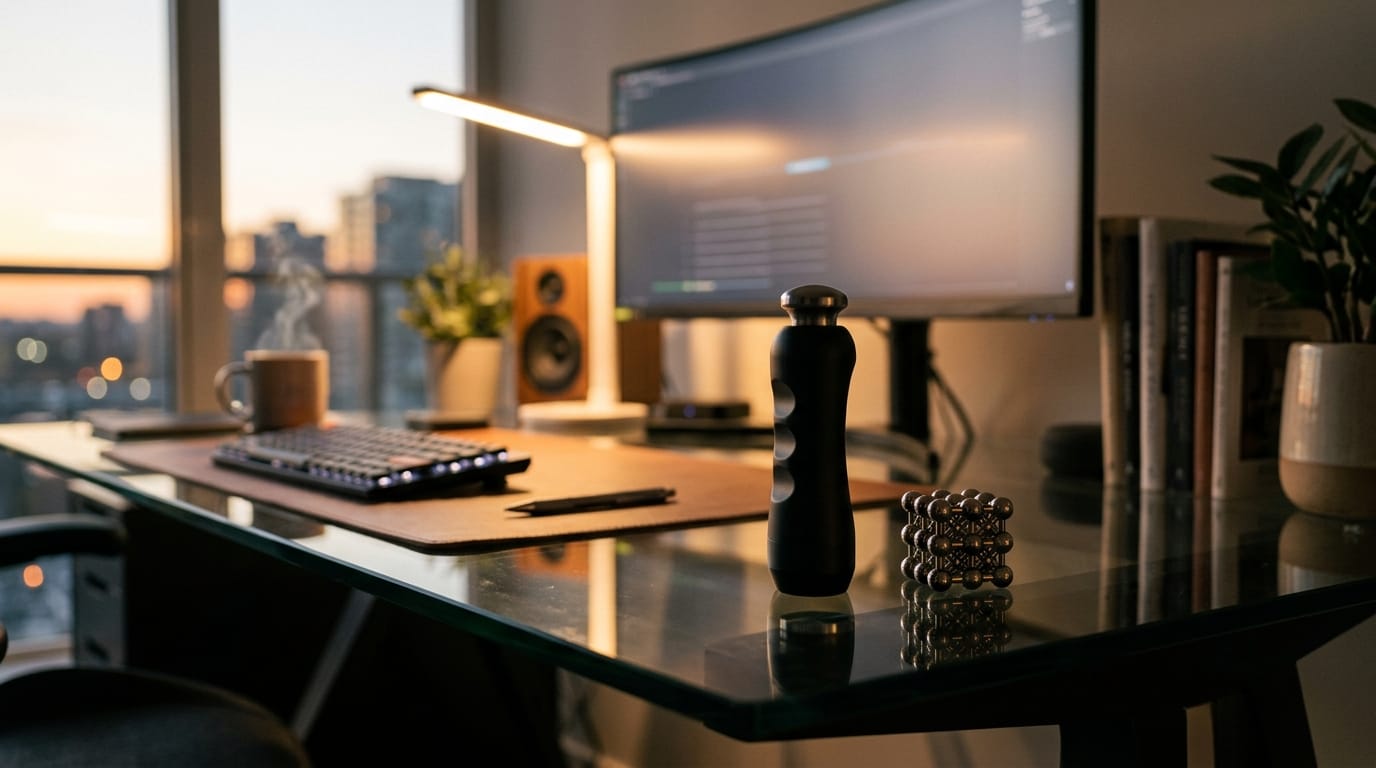
In an era where 77% of American workers report significant workplace stress, the transition of sensory regulation from niche internet phenomena—like the early rise of ASMR—to essential workplace hygiene has become a medical imperative. As we navigate 2026, the normalization of tactile tools, once popularized by simple fidget spinners, has evolved into ‘hidden in plain sight’ ergonomics designed to integrate seamlessly into professional environments. At the core of this shift is Deep Pressure Stimulation (DPS), a therapeutic modality that utilizes proprioceptive input to recalibrate the nervous system. As noted in One Quiet Mind, ‘Deep pressure stimulation activates the parasympathetic nervous system, which lowers cortisol (the stress hormone) and heart rate within 5-10 minutes.’ This immediate physiological response underscores why tactical tools, when utilized during brief workplace intervals, can effectively reduce cortisol levels by up to 31%.
The efficacy of DPS extends beyond immediate stress mitigation into the domain of sleep architecture. For those struggling with sleep-onset latency, handheld deep-pressure tools have proven to reduce the time required to fall asleep by an average of 12-18 minutes. Clinical trials further demonstrate that consistent DPS interventions can increase total sleep time by 25-35 minutes. Adherence to protocols, such as the 10-15 minute ‘Therapressure’ bedtime routine, is critical for achieving these sustained outcomes. Looking toward the future, we anticipate the synthesis of these passive sensory interventions with active technologies like the NEUSleeP focused ultrasound system, alongside a shift toward hyper-personalized protocols calibrated for individual ‘seeker vs. avoider’ sensory profiles. By bridging the gap between tactile relief and autonomic regulation, DPS stands as a cornerstone of modern neurological wellness.
Beyond the Weighted Blanket: Innovative Handheld and Palm-Press Sleep Tools
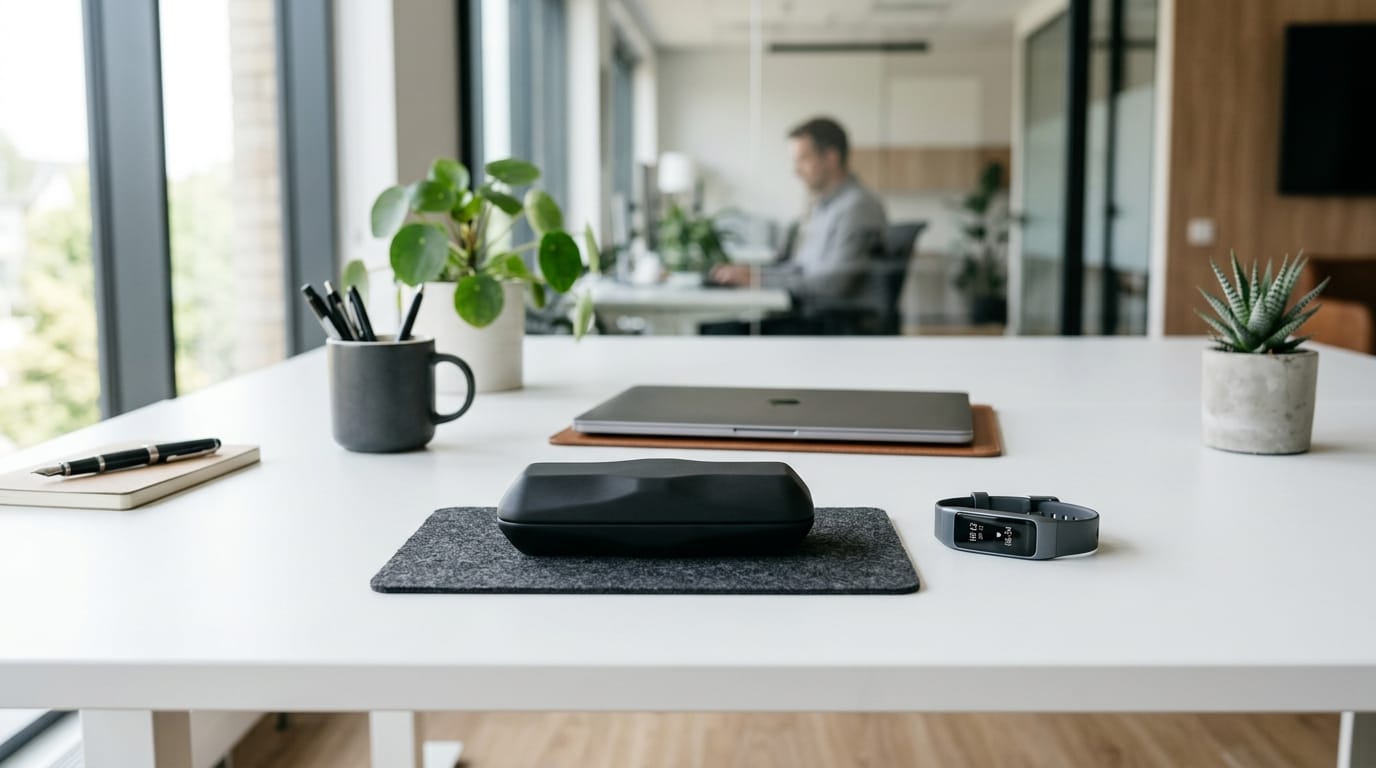
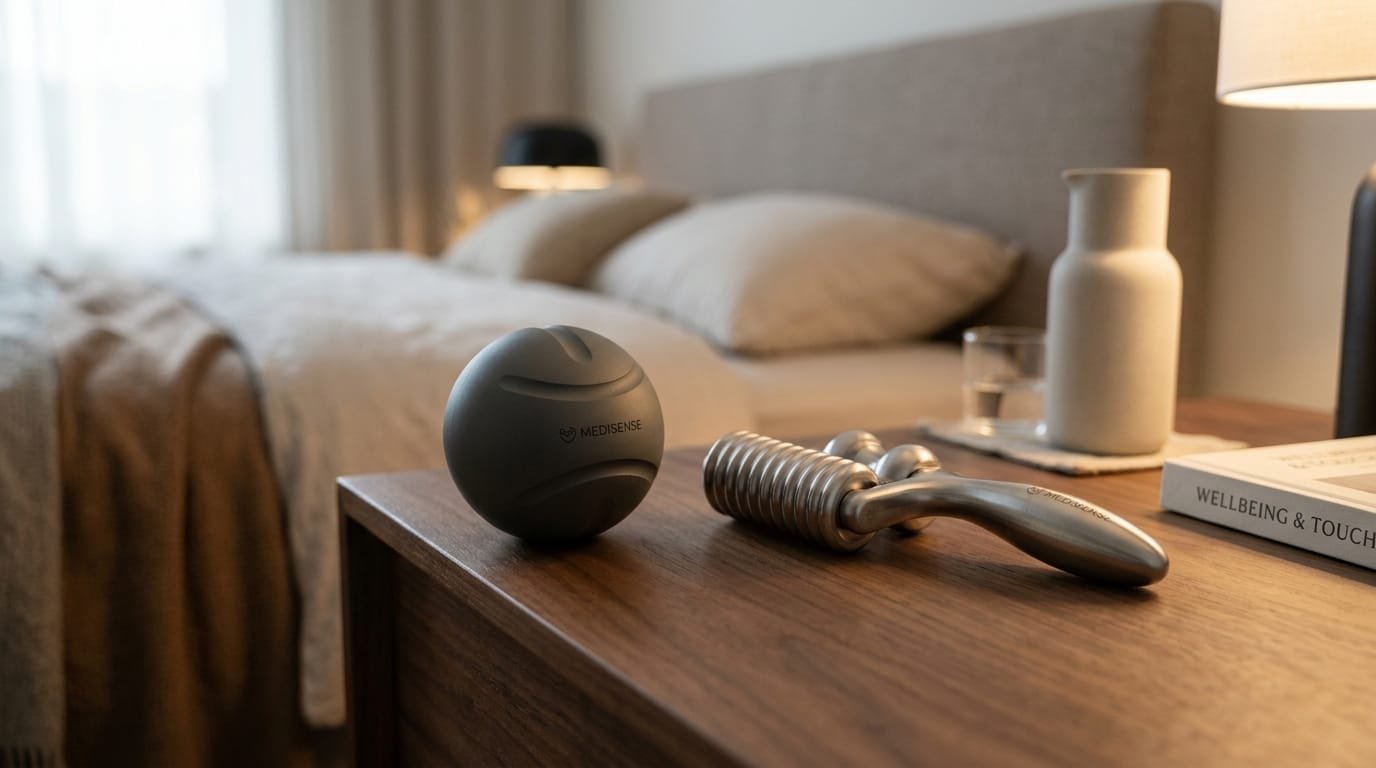
In the landscape of 2026 wellness, the evolution of Deep Pressure Stimulation (DPS) has transitioned from the monolithic weight of heavy bedding to precision-engineered handheld modalities. This shift is a necessary response to a workplace environment where 77% of American workers report significant daily stress. Much like the movement of ASMR from internet subculture to clinical application and the normalization of fidget-based sensory aids, current sleep architecture now favors ‘hidden in plain sight’ tools. Modern devices, such as the ONO roller and weighted palm-press spheres, allow users to modulate their nervous system without the cumbersome footprint of traditional weighted blankets.
The efficacy of these tools is evidenced by clinical data showing that handheld DPS interventions reduce sleep-onset latency by an average of 12-18 minutes while increasing total sleep duration by 25-35 minutes. These outcomes are rooted in the physiological reality that targeted DPS lowers cortisol and heart rate within 5-10 minutes of application. As noted in the One Quiet Mind sensory analysis, “small weighted sensory bottles or weighted ‘palm‑press’ stress balls deliver deep‑pressure input” that serves as a bridge between the workplace and the bedroom. To achieve optimal results, practitioners often recommend the ‘Therapressure’ protocol, which necessitates 10-15 minutes of continuous pressure to effectively transition the autonomic nervous system into a parasympathetic state.
As we look toward the future, the industry is moving toward high-tech integration, such as the NEUSleeP focused ultrasound system, paired with hyper-personalized tools based on individual ‘seeker vs. avoider’ sensory profiles. Until then, these tactile tools remain essential; utilizing them during workplace breaks has been shown to reduce cortisol levels by 31%, ensuring that the cumulative stress of the day does not prevent the restorative sleep required for long-term health.
The Multi-Sensory Symphony: Pairing Weight with ASMR and Olfactory Cues
In a 2026 landscape where 77% of American workers report significant workplace stress, the evolution of therapeutic sensory tools has transcended simple fidgeting. As ASMR has transitioned from niche internet culture to a pillar of mainstream wellness, and fidget spinners paved the way for adult-oriented sensory regulation, we are witnessing a new era of ‘hidden in plain sight’ design. Modern interventions now prioritize aesthetic integration, allowing tools to function as professional accessories rather than medical devices.
Clinical data supports this multisensory shift: handheld deep-pressure tools have been shown to reduce sleep-onset latency by 12-18 minutes, while ‘Therapressure’ protocols requiring 10-15 minutes of continuous application can increase total sleep time by up to 35 minutes in adult clinical trials. By leveraging the body’s natural response to weight, these tools effectively lower cortisol and heart rate within 5-10 minutes of use. Indeed, the One Quiet Mind sensory research report highlights that tactical stress relief tools can reduce cortisol levels by 31% when utilized during brief workplace intervals. This is increasingly achieved through integrated design; as noted in recent industry documentation, the current generation of grounding fidgets—such as the Lifelines Grounding Fidget Tool—incorporates built-in aroma diffusers to anchor the user through both tactile feedback and olfactory cues.
Looking toward the future, the integration of active technologies, such as the NEUSleeP focused ultrasound system, with passive sensory tools promises to bridge the gap between user ‘seeker’ or ‘avoider’ profiles. By syncing sensory inputs with precise biological feedback, we are moving toward a highly personalized symphony of stress regulation that effectively interrupts the physiological anxiety response in real time.
Step-by-Step: Building a Screen-Free Sensory Wind-Down Ritual
In an era where 77% of American workers report feeling stressed at work in 2026, the transition from the digital day to restorative sleep has become a critical clinical frontier. Moving beyond the once-niche ASMR trends and the early, conspicuous fidget-spinner era, current OT-informed protocols prioritize ‘hidden in plain sight’ tools that integrate seamlessly into the adult environment. To bridge this gap, we implement the ‘Therapressure’ protocol, a structured sensory wind-down designed to counteract the sympathetic arousal that defines the modern workday.
The ritual begins 20 minutes prior to sleep onset. Using subtle, aesthetically-compatible magnetic accessories or weighted sensory inputs, the patient engages in bilateral, rhythmic application. As noted by clinicians, the final bedtime session is extended to roughly 10–15 minutes of continuous pressure, a duration essential to trigger parasympathetic dominance. Clinical evidence demonstrates that this application lowers cortisol and heart rate within 5–10 minutes, facilitating a physiological state conducive to rest. By utilizing these tools, patients can achieve a reduction in sleep-onset latency by 12–18 minutes, while concurrently increasing total sleep time by 25–35 minutes.
For the modern professional, this practice mirrors the efficacy of tactile stress relief tools used during the workday, which have been shown to reduce cortisol levels by 31%. Looking forward, we anticipate the synthesis of these passive protocols with active technologies like the NEUSleeP focused ultrasound system, alongside deeper personalization for those identified as sensory ‘seekers’ versus ‘avoiders.’ For now, consistency remains the primary clinical variable: maintain 10–15 minutes of non-negotiable pressure to recalibrate the nervous system away from the screen-induced agitation of the 2026 workforce.
Personalizing Your Pressure: Choosing Tools Based on Your Sensory Profile
In an era where 77% of American workers report feeling stressed at work in 2026, the evolution of tactile relief has shifted from the playful fidget spinners of the past to sophisticated, “hidden in plain sight” designs. As we look toward a future defined by the integration of active technologies like the NEUSleeP focused ultrasound system with traditional sensory methods, individual calibration is essential. As noted by One Quiet Mind, “The best tool isn’t the trending one—it’s the one that matches your sensory profile (seeker vs. avoider).”
Understanding your profile is the bridge between temporary relief and physiological regulation. Sensory seekers often thrive on the heightened input of mechanical stimulation, whereas avoiders require subtle, grounding tools to prevent overstimulation. Regardless of your baseline, the data is compelling: deep-pressure stimulation (DPS) lowers cortisol and heart rate within 5-10 minutes of application, and tactile stress relief tools can reduce cortisol levels by 31% when used during workplace breaks. To explore the neurological underpinnings of this phenomenon, see Why Your Brain Craves Tactile Satisfaction and Everyday ASMR.
For those struggling with rest, handheld deep-pressure tools are clinically shown to reduce sleep-onset latency by an average of 12-18 minutes. By adopting the ‘Therapressure’ protocol—which requires 10-15 minutes of continuous pressure—users can increase total sleep time by 25-35 minutes in adult clinical trials. As ASMR has transitioned from niche internet culture to a mainstream wellness staple, the mandate for 2026 is clear: select your tools based on the quiet demands of your own nervous system, rather than the noise of the marketplace.
Frequently Asked Questions
Deep pressure stimulation mimics the feeling of a firm hug, which helps calm the nervous system. By increasing dopamine and serotonin levels while lowering cortisol, this gentle pressure encourages physical relaxation and feelings of safety, making it significantly easier to transition into a deep, restorative sleep state throughout the night.
While generally safe, weighted blankets and similar tools are not suitable for infants, individuals with respiratory issues, or those with restricted mobility who cannot easily remove the weight. Always consult with your primary care provider or a sleep specialist before introducing new sensory equipment to ensure it aligns with your health.
Yes, deep pressure tools often complement standard sleep hygiene practices, such as cognitive behavioral therapy for insomnia or melatonin regulation. Integrating sensory supports with consistent routines can enhance overall effectiveness. However, always coordinate with your medical team to ensure these tools integrate safely and effectively into your personalized 2026 wellness plan.
Expert Resources