
Focus Better: Why Fidgeting Helps You Concentrate
By Kevin Lee | 4/23/2026
Introduction: The Paradox of Fidgeting for Focus
For decades, the repetitive motion of a restless hand was dismissed as a symptom of a wandering mind. During the early 2010s, gadgets like fidget spinners were dismissed as classroom distractions before clinical observation revealed their underlying utility. Once sequestered within specialized therapeutic settings for neurodivergent populations, sensory regulation tools have now surged into the corporate mainstream. As noted in a recent industry analysis, the global sensory toy market reached a valuation of 10.5 billion USD in 2025 and is projected to scale to 22.8 billion USD by 2033, while the stress toy sector anticipates growth to 7.95 billion USD by 2030. This shift reflects a deeper physiological realization: Why Keeping Your Hands Busy Helps Calm Your Mind is no longer just a therapeutic concept but a professional productivity strategy.
In the contemporary workplace, the line between distraction and focus has been redefined. As one expert recently noted, “The problem isn’t that you’re not trying. It’s that meetings provide low stimulation but require high attention” (Titan Fidget Research). This explains why 27% of office workers currently utilize sensory tools during meetings to anchor their concentration. Moving beyond simple plastics, 39% of toys launched in 2024 now integrate sophisticated haptic feedback or vibration, catering to an adult demographic that values discretion; specifically, effective tools must produce less than 30dB of sound to remain unobtrusive in communal environments.
With 37% of consumers now purchasing these implements specifically to sharpen their focus, we are seeing the maturation of the industry into high-quality, professional-grade hardware. Looking ahead, we expect the integration of AI-driven, screen-free haptics and the formalization of sensory tools within corporate wellness programs to become standard. As we navigate this landscape, it is clear that fidgeting is not a sign of disengagement, but a deliberate, bio-mechanically sound strategy for navigating the high-attention, low-stimulation demands of the modern era.
The Science of Mind-Wandering and Manual Anchors
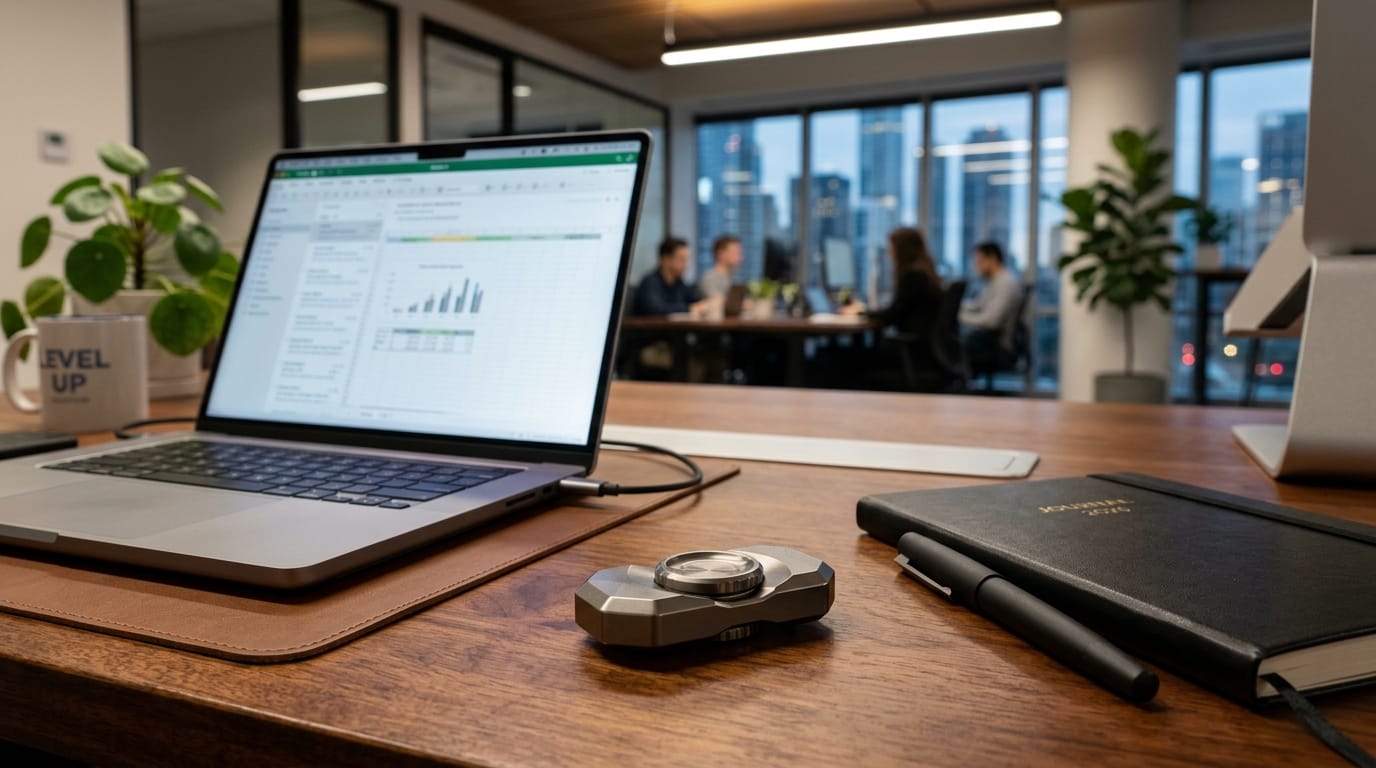
In the evolving landscape of 2026 workplace wellness, the transition of sensory tools from niche therapeutic applications for ADHD and autism to essential corporate instruments is complete. Once dismissed as mere classroom distractions, tools such as the fidget spinner have been recalibrated into high-quality, aesthetically refined devices designed for professional use. As noted in Made-in-China Insights, “Repetitive, small movements—like clicking, twisting, or spinning—can help regulate the nervous system, reduce anxiety, and improve concentration.” This physiological stabilization acts as a manual anchor for the wandering mind, effectively balancing the cognitive load of high-stakes environments.
The market reflects this cognitive shift; the global sensory toy sector reached a valuation of 10.5 billion USD in 2025 and is projected to climb to 22.8 billion USD by 2033. Data indicates that 27% of office workers now utilize these tools during meetings, with 37% of consumers specifically identifying focus improvement as their primary motivation for purchase. To maintain professional decorum in shared spaces, modern engineering mandates that these devices produce less than 30dB of sound. Furthermore, the market continues to evolve, with 39% of 2024 product launches integrating sophisticated haptic feedback or vibration, and the broader stress toy market anticipated to hit 7.95 billion USD by 2030 at a CAGR of 6.1%. Looking ahead, we anticipate a future where AI-driven, screen-free sensory tools offer personalized emotional regulation, firmly rooting these devices in the future of corporate productivity programs.
Real-World Scenarios: Meetings, Study Sessions, and Deep Work
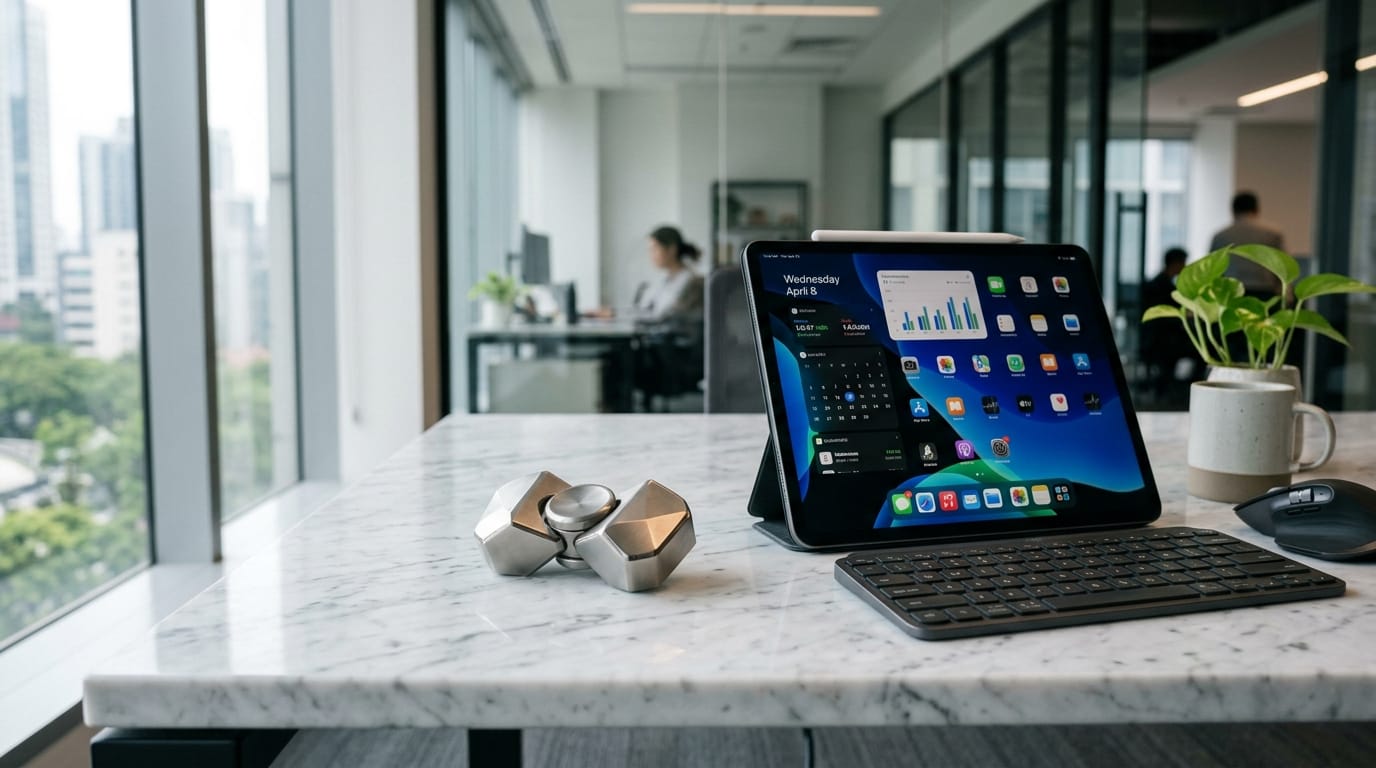
The landscape of professional productivity has undergone a profound transformation. While sensory tools were once restricted to clinical settings for ADHD and autism management, the 2025-2026 market reflects a significant shift toward adult-centric, sophisticated design. This evolution addresses the needs of a modern workforce that has moved beyond the viral, often disruptive trends of earlier fidget spinners to favor tools optimized for high-stakes environments. As noted in a recent industry analysis, 27% of office workers surveyed in 2025 use fidget toys during meetings to maintain concentration, signaling a normalization of these devices in formal corporate settings.
This growth is underscored by strong economic indicators: the global sensory toy market, valued at 10.5 billion USD in 2025, is projected to reach 22.8 billion USD by 2033. Furthermore, the stress toy segment is poised to hit 7.95 billion USD by 2030, growing at a CAGR of 6.1%. Market drivers are clearly shifting; today, 37% of consumers purchase these items specifically for cognitive enhancement and focus, rather than traditional stress relief alone. Design standards have tightened accordingly, with effective professional tools now engineered to generate less than 30dB of sound, ensuring they remain discreet enough for shared workspaces.
Innovation is accelerating as hardware meets cognition. In 2024, 39% of new sensory toys integrated digital elements, such as haptic feedback or vibration. Looking ahead, the integration of AI-driven, screen-free haptic systems promises personalized, emotionally aware experiences. As sensory tools become increasingly aesthetic and functional, they are rapidly transitioning from niche therapeutic aids to essential components of formal corporate wellness and productivity programs.
Choosing the Right Tool: Discreet, Satisfying, and Non-Disruptive
As the global sensory toy market continues its rapid expansion—valued at 10.5 billion USD in 2025 and projected to reach 22.8 billion USD by 2033—the transition from classroom novelty to professional utility is complete. We have moved past the era of viral fidget spinners, which were once dismissed as mere distractions, to a landscape where sensory regulation is recognized as a legitimate productivity pillar. With 27% of office workers currently employing these tools during meetings, the focus has shifted toward high-quality, non-disruptive mechanisms. For an implement to be considered workplace-appropriate, it must prioritize acoustic discretion; effective tools should produce less than 30dB of sound, ensuring they remain imperceptible to colleagues in shared environments.
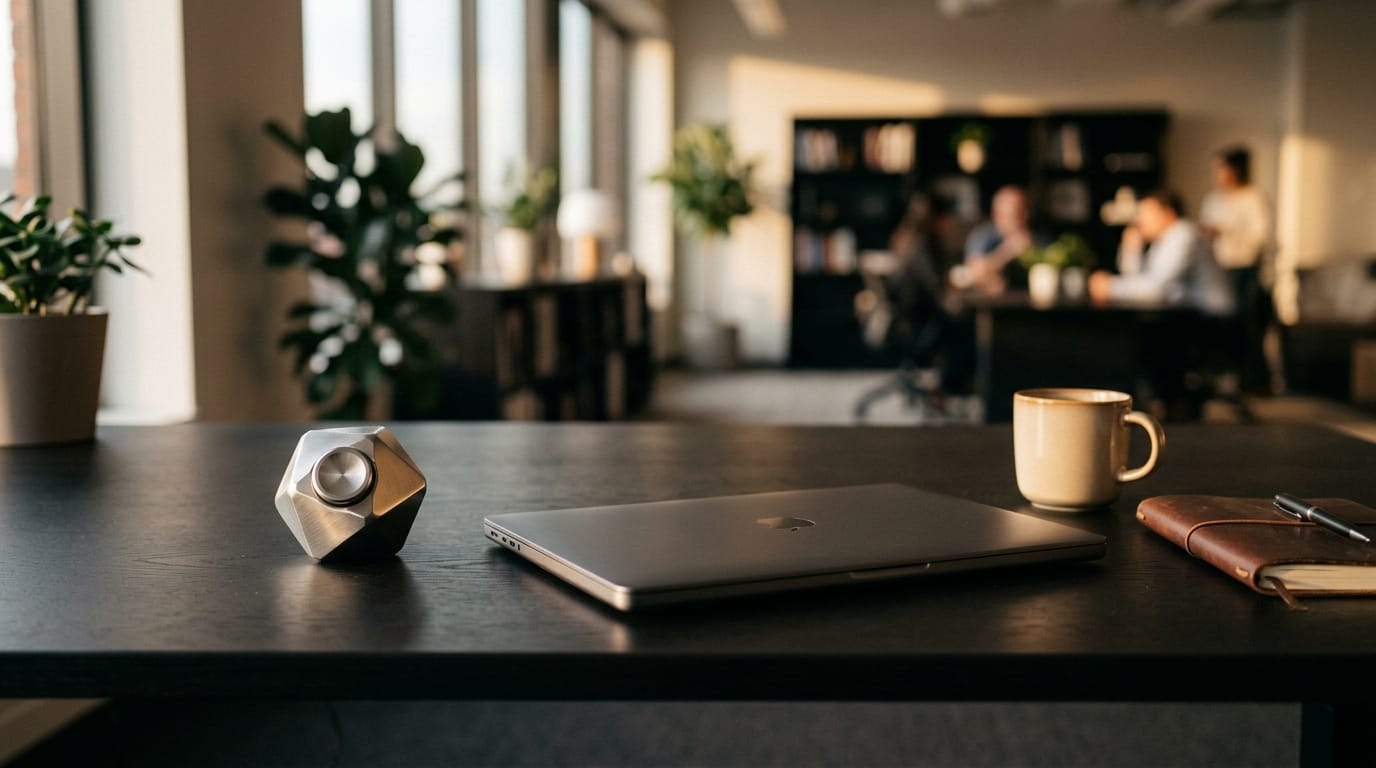
This professionalization of the market, which sees the stress toy segment alone climbing toward a 7.95 billion USD valuation by 2030, emphasizes a departure from the ‘toy’ stigma through elevated design. As noted by industry experts, the trend is towards tools that use sophisticated, muted color palettes—such as Morandi tones—natural wood finishes, and minimalist designs. This aesthetic shift is coupled with technical innovation, as 39% of 2024 sensory product launches integrated advanced haptic feedback or vibration, reflecting a broader intent to address focus improvement, a primary motivator for 37% of modern consumers.
While the history of these tools is rooted in niche therapeutic settings, the 2026 workplace is rapidly normalizing their use within structured corporate wellness programs. Looking forward, we expect the maturation of the market to yield screen-free devices capable of personalized, emotionally aware feedback. By selecting instruments that prioritize tactile satisfaction and silent operation, professionals can effectively manage cognitive load without compromising the decorum of the corporate environment.
Beyond the Toy: Building a Sustainable Focus Habit
As the global sensory toy market surges toward a projected 22.8 billion USD valuation by 2033, the integration of these tools into professional life requires more than mere possession; it demands a clinical protocol for efficacy. Where once these aids were confined to therapeutic settings for neurodivergent populations, 2026 sees them firmly embedded in the corporate landscape, with 27% of office workers utilizing them to maintain cognitive thresholds during high-stakes meetings. To transition from casual use to a sustainable focus habit, users must adopt a ‘bookend’ strategy. As noted in Olander Earthworks, the ideal usage cycle dictates: ‘Pre-meeting: arrive regulated instead of rushed. Post-meeting: discharge residue and refocus quickly.’
For optimal professional integration, sensory engagement should be discreet; devices must operate at less than 30dB to maintain social decorum in shared workspaces. This requirement for subtlety has catalyzed the evolution of the stress toy market, now reaching a valuation of 7.95 billion USD. While 39% of 2024’s new product launches integrated complex haptic or digital feedback, the most effective habit-builders remain those that allow for tactile stimulation without cognitive interference. Because 37% of consumers now specifically target focus enhancement rather than mere stress relief, the goal is to utilize these tools as regulators of nervous system arousal. By anchoring your sensory tool usage to specific transitions in your workflow—rather than relying on mindless, continuous play—you transform a simple accessory into a sophisticated instrument of professional cognitive management.
Conclusion: Reclaiming Your Attention with Your Hands
The evolution of sensory regulation from a fringe therapeutic necessity to a mainstream productivity pillar is undeniable. Having transitioned from the viral novelty of fidget spinners—often perceived as classroom distractions—to the sophisticated tools of 2026, we now recognize these instruments as essential conduits for cognitive performance. As explored in Why Keeping Your Hands Busy Helps Calm Your Mind, the physiological benefit of tactile engagement is grounded in neuroscience, helping to anchor the wandering mind.
The economic data reflects this maturity: the global sensory toy market, valued at 10.5 billion USD in 2025, is projected to reach 22.8 billion USD by 2033, while the stress toy market climbs toward 7.95 billion USD by 2030. This growth is driven by a professional demographic that views these tools not as toys, but as instruments for cognitive output; indeed, 37% of consumers now purchase them specifically for focus, and 27% of office workers utilize them during meetings. As noted by industry experts, “Its compact, portable design occupies minimal desk space, making it an ideal office accessory for boosting both focus and relaxation” (Source: SourcinBox).
Looking ahead, the market is poised for even greater integration. With 39% of new toys now featuring haptic feedback and a future outlook involving AI-driven personalization, these tools are becoming standard equipment in corporate wellness programs. For the modern professional, the mandate is simple: when selecting these tools, prioritize discretion—keeping sound output below 30dB—to maintain a professional environment. By reclaiming our attention through these tactile methods, we move toward a more focused, balanced, and productive professional existence. — Kevin Lee