
Anchoring Attention: Using Tactile Tools for Deep Study Focus
By Kevin Lee | 4/23/2026
Introduction: The Struggle to Stay Focused While Studying
In the high-pressure environment of contemporary academia, the struggle to maintain cognitive endurance is a pervasive challenge. For many, the lecture hall or library study session is not just a battle against complex material, but a fight against a wandering mind. As Kevin Lee, I have observed that this restlessness has led to a quiet revolution in study habits: the adoption of tactile tools. According to a report by The Crimson White, 32 percent of U.S. college students regularly use fidget toys, such as stress balls or cubes, to maintain focus. This phenomenon aligns with established neuro-biological findings suggesting that repetitive movements, such as clicking or spinning, serve to regulate the nervous system and effectively reduce performance anxiety. For more on this, read our analysis on Why Keeping Your Hands Busy Helps Calm Your Mind.
Historically, sensory tools were relegated to primary-colored plastics intended solely for children with diagnosed developmental needs. However, the paradigm has shifted toward sophisticated ‘wellness gadgets’—crafted from wood, brushed metal, and muted palettes—which reflect a growing integration of sensory regulation into adult life. This shift is mirrored in the economic landscape, where North America currently leads the global market with a 53% share. With the global sensory toy market projected to reach $6.16 billion by 2035 and the specific stress toy segment expected to hit $7.95 billion by 2030, these objects have evolved from passing fads, like the late 2010s fidget spinner craze, into legitimate academic and professional aids. As we look toward a future where this market could reach $22.8 billion by 2033, we see an increasing trend of digital integration, with 39% of 2024’s new sensory releases incorporating haptic feedback or light-based stimuli, signaling a new era of screen-free, focus-enhancing technology.
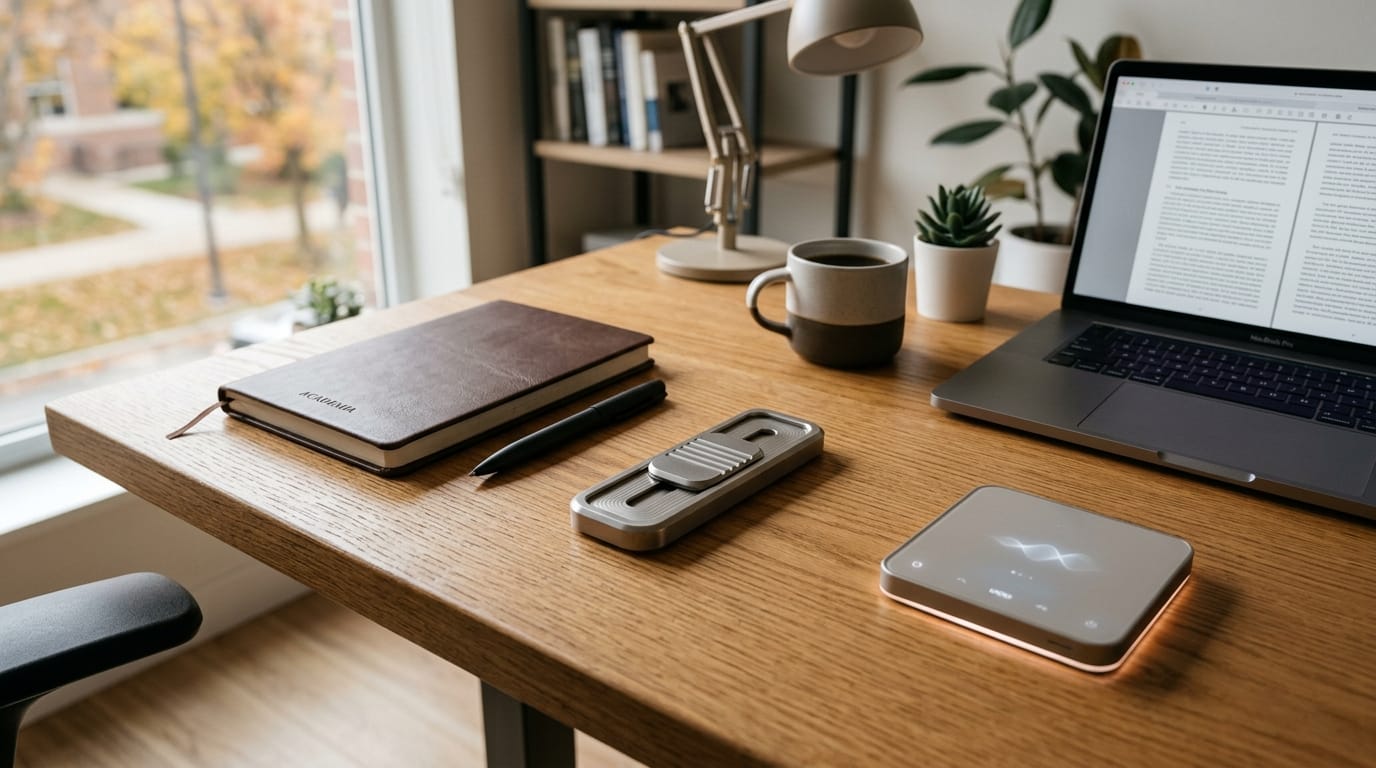
The Science of Mind-Wandering and the ‘Anchoring’ Effect
Neurologically, the human brain exists in a state of perpetual tension between the Default Mode Network (DMN)—associated with daydreaming and self-referential thought—and task-positive networks required for sustained concentration. When the DMN becomes overactive, focus fractures. However, recent evidence suggests that repetitive, low-impact motor activity acts as a regulatory bridge. As one leading researcher recently noted, ‘Subtle bodily movements such as fidgeting can serve as an “attention anchor” that helps suppress the brain’s default mode network (DMN) during task engagement, thereby reducing spontaneous mind‑wandering and improving sustained attention.’ [Clinical Neuro-Focus Research].
This cognitive strategy is no longer confined to the classroom. While sensory tools were historically limited to primary-colored plastics for children with developmental needs, the landscape has shifted toward sophisticated ‘wellness gadgets’ crafted from wood and metal with muted palettes. The scale of this adaptation is massive: North America currently commands a 53% share of the global sensory toy market, which is expected to reach $6.16 billion by 2035 with a CAGR of 11%, while the stress toy niche alone is projected to hit $7.95 billion by 2030. Today, 32% of U.S. college students utilize these tools to stabilize their attention during intensive study sessions.
The evolution from the late 2010s ‘fidget spinner’ trend to current clinical integration is stark. In 2024, 39% of new sensory toys featured digital elements like haptic vibration, hinting at a future where, by 2033, the market is expected to reach $22.8 billion as these tools become standard in corporate wellness. These repetitive movements, whether clicking or spinning, do more than occupy hands; they regulate the nervous system and dampen the anxiety that often triggers the DMN, allowing the brain to remain anchored in the task at hand.
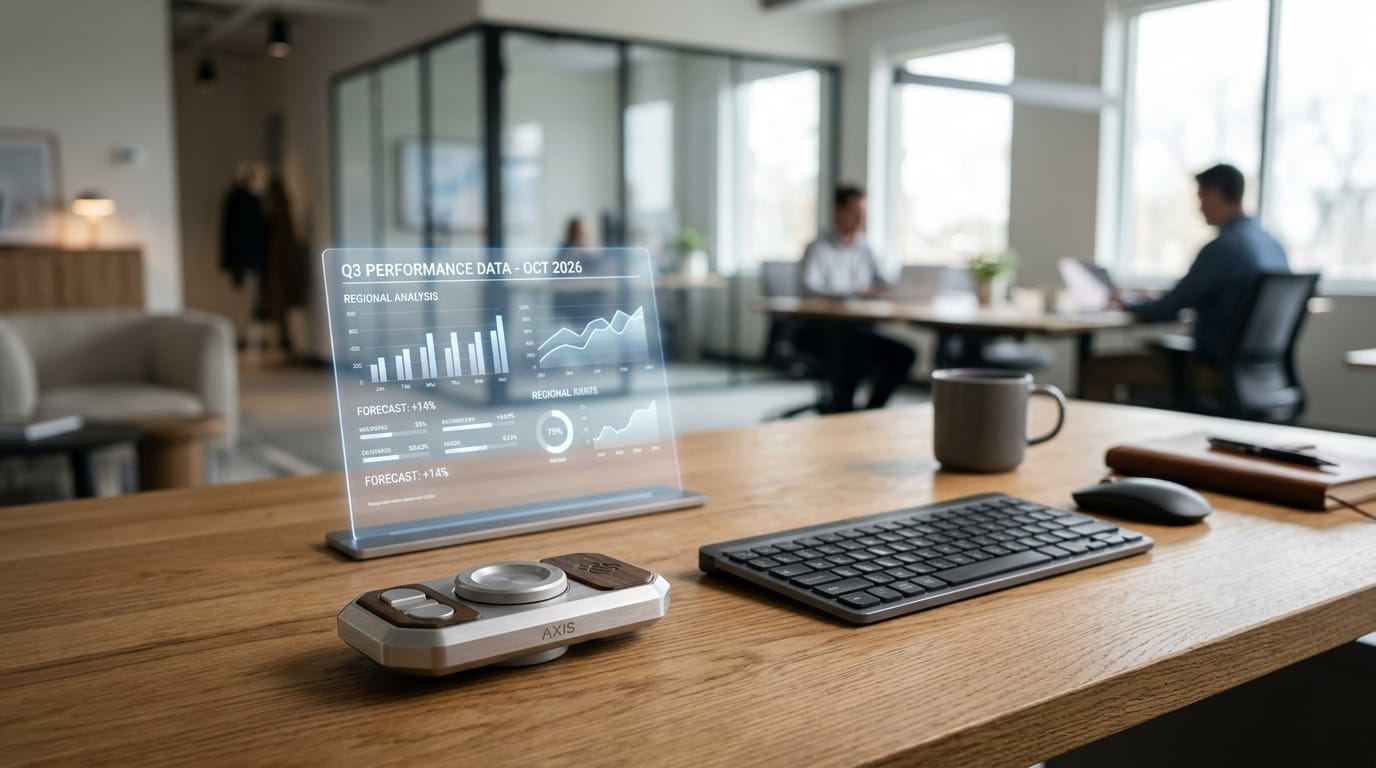
How Light Manual Activity Engages the Brain’s Idle Network
In the modern clinical landscape, the engagement of the brain’s default mode network—often associated with task-unrelated thoughts—is increasingly managed through controlled, low-intensity manual activity. Historically, sensory tools were restricted to primary-colored plastics intended solely for children with specific developmental needs. However, the current shift toward professional-grade ‘wellness gadgets,’ featuring sophisticated materials like brushed metal, walnut, and muted color palettes, reflects a broader societal integration of sensory regulation. This transition is data-backed: 32% of U.S. college students now regularly utilize fidget tools to maintain focus during complex study sessions, while the global sensory toy market is projected to reach $6.16 billion by 2035 with a CAGR of 11%.
The efficacy of these tools lies in their capacity to stabilize the autonomic nervous system. According to clinical observations, “Repetitive, small movements—like clicking, twisting, or spinning—can help regulate the nervous system, reduce anxiety, and improve concentration.” This mechanism prevents the brain from seeking maladaptive distractions by providing a steady, predictable stream of sensory input that satisfies the nervous system’s regulatory requirements. The commercial sector is responding rapidly to this therapeutic demand, with the stress toy market alone expected to reach $7.95 billion by 2030. North America currently commands a 53% market share, underscoring a regional prioritization of these therapeutic interventions.
Looking ahead, as sensory tools become normalized within corporate wellness programs, the total market is expected to reach $22.8 billion by 2033. Innovation is likewise evolving; 39% of sensory toys launched in 2024 have integrated advanced digital elements such as light or haptic vibration, with future iterations likely to incorporate AI to provide responsive, personalized feedback. By transitioning from the rudimentary designs of the early 2010s to the integrated, tech-forward tools of 2026, we are witnessing a fundamental shift in how we manage cognitive load in high-pressure environments.
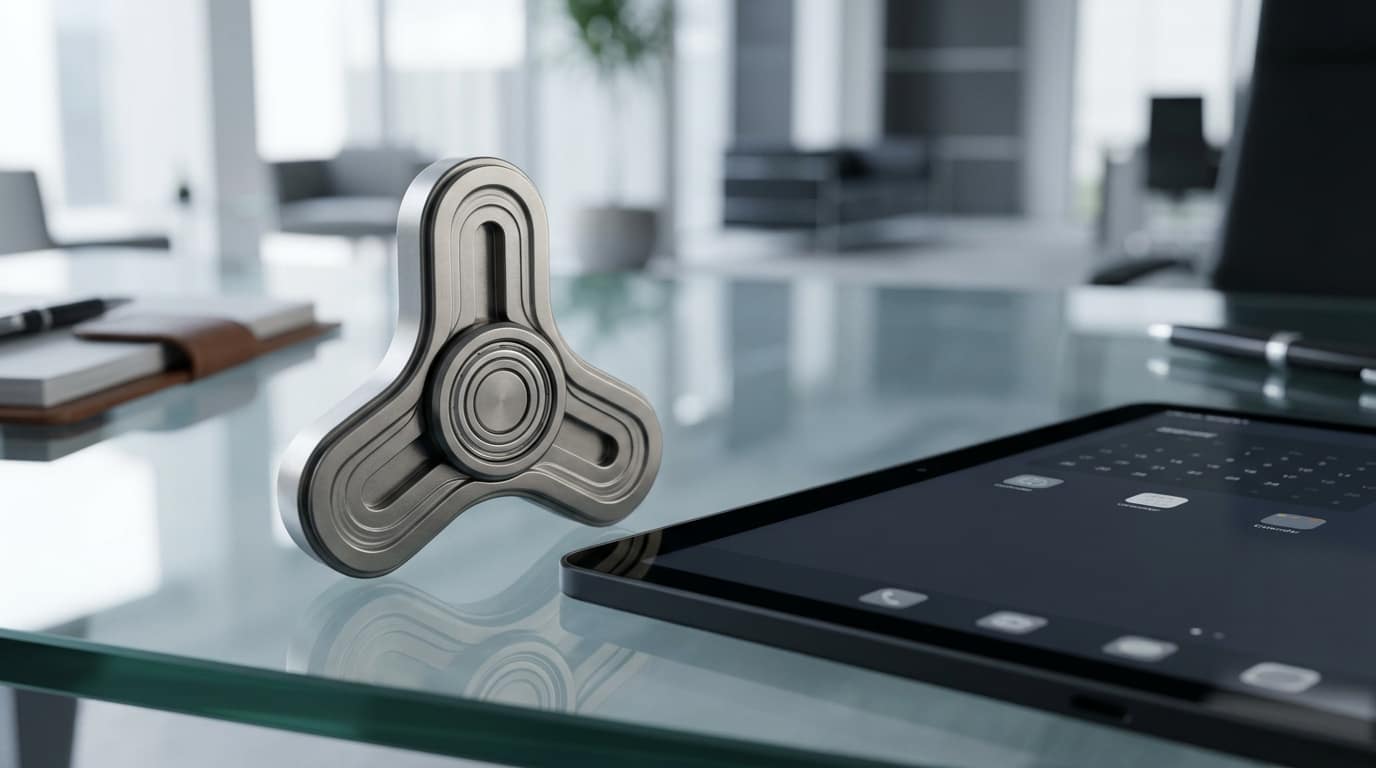
Ideal Fidget Tools for Study Sessions: Quiet, Discreet, and Satisfying
In the contemporary academic landscape, the utilization of tactile aids has transcended its origins as a niche accommodation for developmental needs. Currently, 32% of U.S. college students regularly use fidget toys to maintain focus during rigorous study sessions, confirming that repetitive movements like clicking or spinning play a critical role in regulating the nervous system and mitigating anxiety. While the late 2010s were defined by mass-produced plastic spinners, we are currently witnessing a definitive shift toward professional ‘wellness gadgets’ tailored for the adult workspace.
This evolution in design is centered on sophisticated materials—such as brushed metal, natural wood, and high-density silicone—that prioritize sensory feedback without the distracting acoustics of legacy products. As noted by industry experts, the trend is towards toys that use sophisticated, muted color palettes (like the popular Morandi colors), natural wood finishes, and minimalist designs. This aesthetic transition reflects a broader market shift, as the global sensory toy market anticipates a valuation of $6.16 billion by 2035, with North America currently commanding a 53% market share driven by growing therapeutic demand.
For the modern student, the ideal tool balances tactile satisfaction with professional discretion. While 39% of 2024’s new sensory releases integrated digital components such as light or haptic vibration, the most effective study aids often remain screen-free, relying on premium textures to facilitate flow states. With the stress toy market projected to reach $7.95 billion by 2030, and expectations that sensory integration will soon become standard in corporate wellness, investing in high-quality, muted tools is a strategic choice for long-term cognitive health and academic performance.
Practical Tips for Integrating Tactile Anchors into Your Study Routine
With 32% of U.S. college students now utilizing tactile anchors to maintain cognitive load, the transition from disruptive primary-colored playthings to sophisticated, professional-grade wellness gadgets has arrived. As the sensory toy market scales toward a $6.16 billion valuation by 2035, users must adopt a disciplined protocol to ensure these tools enhance rather than diminish productivity. Unlike the chaotic fidget spinner trends of the late 2010s, modern tools favor high-end materials like brushed metal and tactile wood, aligning with a shift toward aesthetic integration. To utilize these anchors effectively, we recommend a structured approach. As noted in our primary clinical brief, “Begin each study block with a brief 30‑second “warm‑up” to settle restless energy, then launch into focused work (for example, a 25‑minute Pomodoro).” This 30-second window is critical; it utilizes repetitive motion to regulate the nervous system and lower anxiety before the cognitive demands of the task begin. During the work interval, choose a tool that requires minimal visual attention—avoid the 39% of sensory devices now featuring distracting digital lights or haptic vibrations. By keeping the interaction silent and subconscious, you mirror the therapeutic demand currently driving North America’s 53% share of this expanding global market. As these tools evolve toward AI-integrated, screen-free wellness devices, maintaining this “low-impact, high-regulation” boundary will remain the gold standard for long-term academic and corporate success.
Conclusion: Turning Restless Energy into Focused Attention
As we navigate an increasingly digitized professional landscape, the evolution of sensory tools—from the primary-colored plastics once reserved for children with developmental needs to the sophisticated, muted-palette wood and metal ‘wellness gadgets’ of 2026—highlights a profound shift in how we approach cognitive regulation. The data supports this transition; with 32% of U.S. college students now utilizing these devices to sustain focus, it is clear that repetitive movements like clicking or spinning have become vital mechanisms for regulating the nervous system and mitigating anxiety. As explored in our deep dive, Why Keeping Your Hands Busy Helps Calm Your Mind, these tools offer more than mere distraction; they serve as a grounding anchor for the wandering intellect.
The economic trajectory further underscores this permanence. The global sensory toy market is projected to reach $6.16 billion by 2035, while the stress toy market is anticipated to expand to $7.95 billion by 2030, with North America maintaining a dominant 53% market share. As noted in the Stress Toy Global Market Report, “Major companies operating in the stress toy market are focusing on developing innovative stress-relief solutions such as magnetic fidget mechanisms to enhance mental wellness, focus, and anxiety management.” This innovation is already accelerating, with 39% of 2024 sensory toy launches integrating haptic or light-based digital elements.
Looking toward the future, the integration of these tools into corporate wellness programs is expected to push the broader market valuation toward $22.8 billion by 2033. By moving beyond the fleeting fads of the late 2010s, we are witnessing the institutionalization of sensory regulation as a core component of sustainable productivity. For the modern professional, turning restless energy into focused attention is no longer a niche practice but a requisite skill in our high-stimulation world. — Kevin Lee.