
Discovering Your Personal Sensory Profile for Focus and Calm
By Kevin Lee | 5/1/2026
The Science of Self-Sensing: Understanding the Sensory Profile
In 2026, the landscape of professional performance has shifted as workplace stress now impacts 77% of American workers, with 57% reporting clinical burnout. As we move beyond the historical view of fidget tools as mere children’s toys, we recognize their transition into essential professional aids designed to interrupt high-stress anxiety responses. At the core of this shift is the neurological phenomenon of sensory grounding. As noted in the Zenify 2026 Desk Stress Guide, “Sensory Grounding: Touch receptors send signals to your brain that compete with stress signals.” This mechanism is why tactile interventions can effectively reduce cortisol levels by 31% while extending individual focus duration by 28%.
To navigate these biological responses, clinical guidelines now recommend specific trigger intensities: 10-20% for sleep induction and 40-60% for active productivity. Central to this approach is the 15-question sensory profile audit, an instrument that maps individuals into four distinct quadrants based on their unique neurological thresholds. By understanding these thresholds, professionals can leverage multimodal tools—combining tactile, auditory, or visual inputs—to calibrate their mental states. To explore the deeper origins of these adaptive strategies, read Why Your Brain Craves Tactile Satisfaction and Everyday ASMR. As the workplace evolves, we anticipate a future where adaptive haptic triggers are standard in consumer hardware, allowing for seamless toggling between focus-heavy and restorative sensory profiles.
Are You a Seeker or an Avoider? Decoding Your Nervous System’s Language
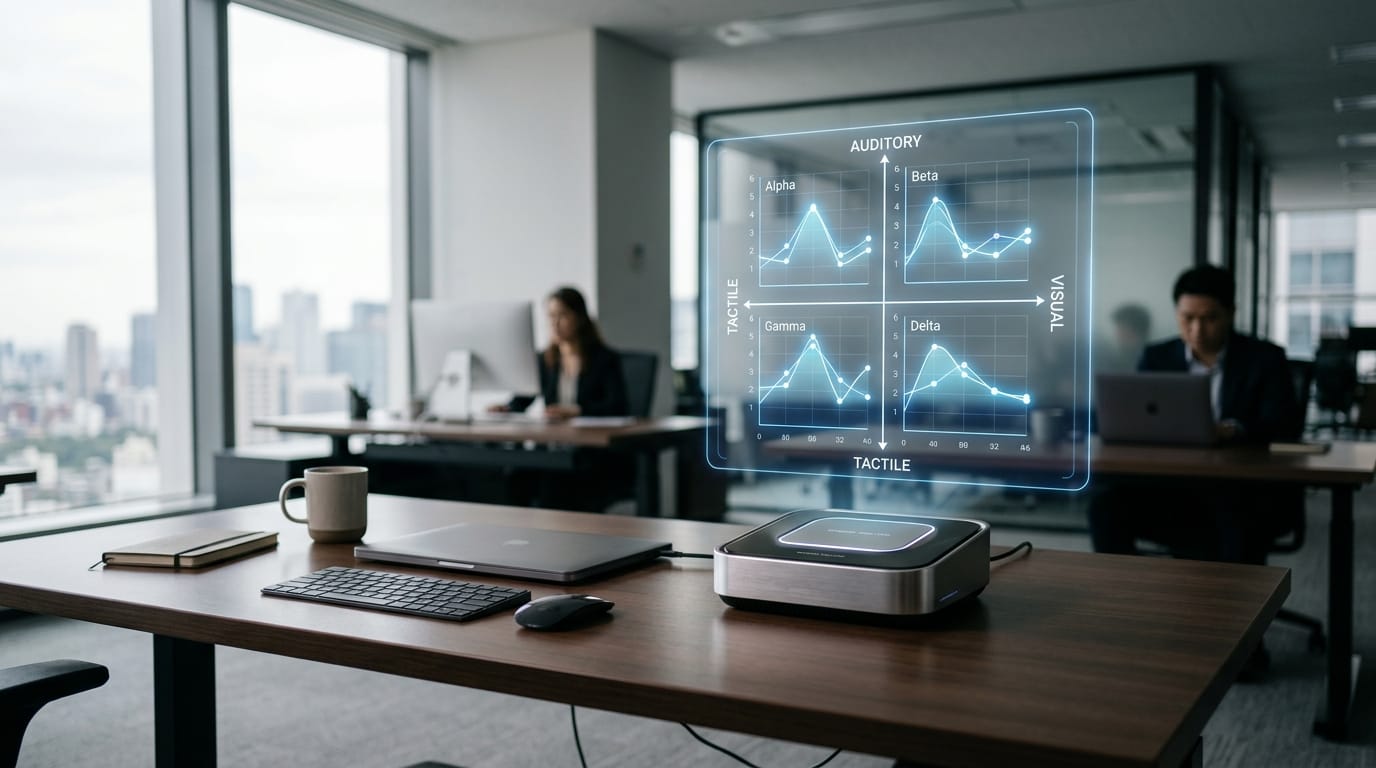
In an era where workplace stress affects 77% of American workers and 57% report clinical-level burnout, understanding the physiological language of the nervous system has become a survival skill rather than a wellness trend. As the professional landscape shifts toward proactive mental health support, the 15-question sensory profile audit has emerged as the gold standard for mapping individuals into four distinct quadrants based on neurological thresholds. According to JobCannon assessments, “Sensation Seekers have a high neurological threshold — they need more sensory input” to maintain optimal arousal, whereas sensory avoiders possess lower thresholds and require minimal stimulation to prevent system overload.
This divergence dictates how professionals respond to multimodal triggers. While fidget tools and ASMR have evolved from niche internet subcultures into sophisticated, aesthetically-compatible office hardware, their application depends entirely on your quadrant. For the seeker, these tools provide necessary grounding; for the avoider, they might exacerbate dysregulation. Modern clinical guidelines for 2026 suggest a nuanced approach: target 10-20% trigger intensity for sleep preparation and 40-60% for high-focus productivity tasks. Integrating tactile stress relief tools can reduce cortisol levels by 31% and extend focus duration by 28%, provided the input intensity matches the user’s specific profile. As we move toward a future of adaptive haptic devices that allow users to toggle between ‘Focus’ and ‘Sleep’ profiles, the distinction between these quadrants will become the foundation of effective workplace design.
The 5-Minute Audit: Questions to Identify Your Primary Triggers
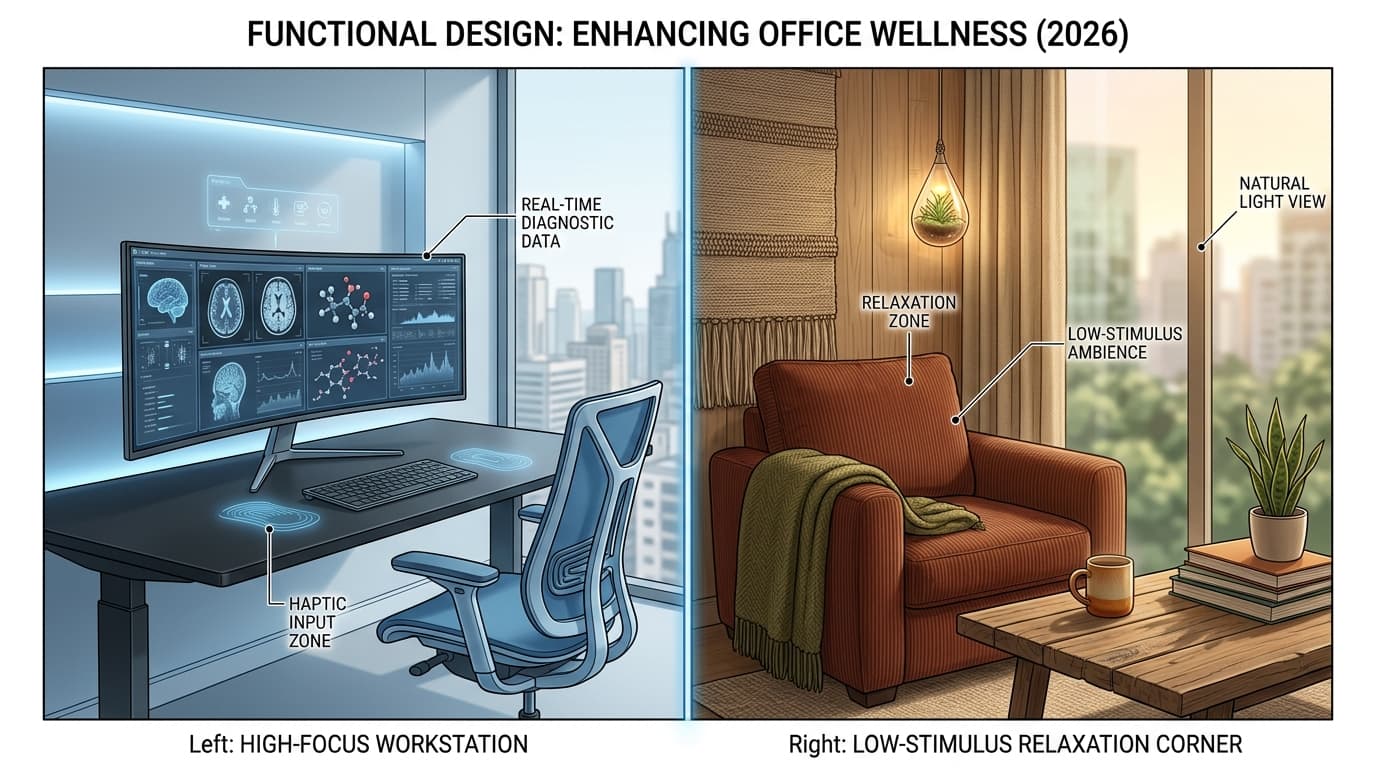
In 2026, the landscape of the American workforce has shifted dramatically, with 77% of employees reporting workplace stress and 57% meeting clinical criteria for burnout. As we move past the era when fidget tools were relegated to niche internet subcultures or pediatric therapy, we have entered a phase of ‘aesthetically-compatible’ professional wellness. To navigate this, clinical guidelines now advocate for specific intensity thresholds: aiming for 10-20% trigger intensity for sleep optimization and 40-60% for peak productivity.
The current standard for identifying your neurological baseline is the 15-question sensory profile audit, which maps individuals into four distinct regulatory quadrants. A critical indicator of hyper-sensitivity or sensory filtering issues is the experience of auditory occlusion; as one subject noted in a recent evaluation, “I often miss sounds such as someone calling my name or a phone ringing in a busy office,” a finding detailed in the Sensory Sensitivity Assessment. Understanding these personal boundaries is essential for the modern professional, as multimodal tools—combining tactile inputs with auditory or visual stimuli—have become the leading trend to effectively interrupt high-stress anxiety responses.
By leveraging these tools, users can effectively reduce cortisol levels by 31% and extend focus duration by 28%. As we look toward the future, we anticipate the wider adoption of adaptive haptic triggers in consumer hardware, allowing professionals to toggle seamlessly between focus and recovery profiles. Identifying your specific triggers is the first step toward reclaiming your cognitive bandwidth in an increasingly sensory-dense corporate environment.
Strategic Matching: Pairing Your Profile with Focus, Sleep, and Stress Goals
In an era where workplace stress affects 77% of American workers—with 57% reporting clinically significant burnout—the transition of tactile sensory tools from niche fidget devices to essential professional instruments has become a matter of physiological necessity. To navigate this landscape, the 15-question sensory profile audit has emerged as the gold standard for mapping individuals into four distinct neurological quadrants, allowing for the precise calibration of sensory input to match one’s required state. Whether utilizing multimodal tools, which combine tactile, auditory, or visual stimuli to interrupt acute anxiety responses, or opting for discreet haptic aids, the efficacy of these interventions is undeniable: clinical evidence shows they can reduce cortisol levels by 31% while extending focus duration by up to 28%.
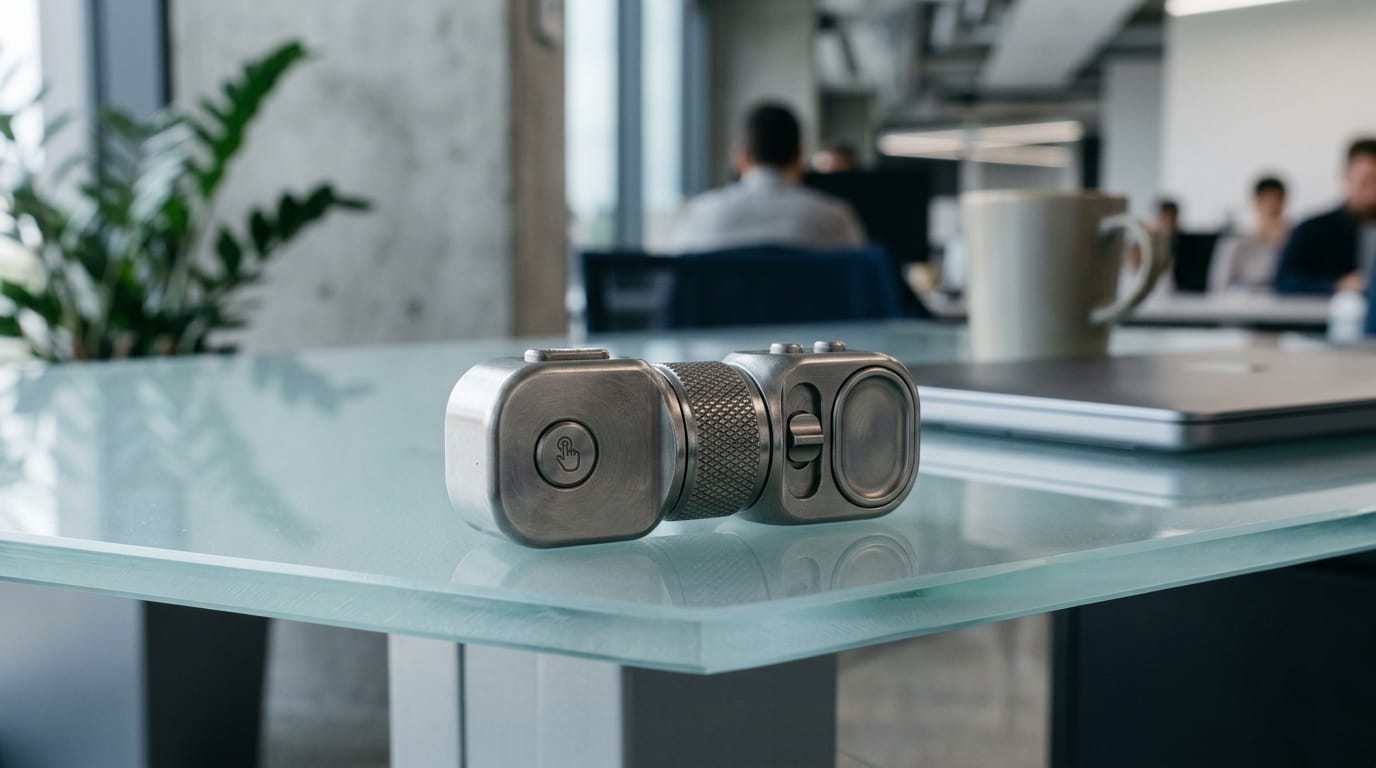
Calibration is the bridge between mere distraction and therapeutic regulation. Current clinical guidelines for 2026 suggest a nuanced approach to device resistance and intensity. For high-demand tasks requiring cognitive acuity, a trigger intensity between 40% and 60% is recommended to sustain flow states. Conversely, for wind-down protocols, the adjustment must be surgical. As noted in clinical guidance: “For activities performed in the evening or before bedtime, the guideline advises setting the trigger resistance to a low‑intensity “light‑pull” profile (typically 10‑20 % of the device’s maximum travel).” This adherence to specific intensity brackets ensures that the sensory nervous system is supported rather than overstimulated.
As we look toward the future of neuro-ergonomics, the integration of adaptive haptic triggers into consumer devices will allow professionals to toggle seamlessly between “Focus” and “Sleep” profiles with even greater precision. By moving beyond the remedial fidget toys of the past and adopting these evidence-based, aesthetically compatible tools, the modern workforce can transform the office from a source of chronic tension into an environment that actively optimizes neurological health.
Beyond the Trend: Curating a Sustainable, Personalized Sensory Toolkit
In 2026, workplace stress has reached a critical inflection point, affecting 77% of American workers, with 57% reporting clinically significant burnout. As we move past the era where ASMR and fidget tools were mere internet subcultures or products marketed exclusively for children, we are seeing a shift toward ‘aesthetically-compatible’ tools designed for professional integration. To understand why your brain craves these inputs, it is helpful to look at the underlying neurobiology in our piece Why Your Brain Craves Tactile Satisfaction and Everyday ASMR.
Developing a sustainable recovery environment requires more than impulsive purchases. Clinical data indicates that utilizing tactile stress relief tools can reduce cortisol levels by 31% and extend focus duration by 28%. However, success lies in personalization. The industry-standard 15-question sensory profile audit now maps individuals into four distinct quadrants based on neurological thresholds, allowing users to move away from guesswork. Current guidelines suggest maintaining trigger intensity at 10-20% for sleep-prep environments and 40-60% for active productivity sessions.
The current design landscape is prioritizing discretion, as noted by the clinical review of professional-grade sensory aids, which emphasizes that “The Fidget Pen easily blends into almost any setting, offering a ‘hidden in plain sight’ experience.” These tools are part of a larger, burgeoning trend toward multimodal stimulation—such as combining tactile feedback with auditory or visual inputs—to effectively interrupt high-stress anxiety responses. As we look toward the future, we anticipate a wider adoption of adaptive haptic triggers in consumer hardware, allowing users to toggle seamlessly between ‘Focus’ and ‘Sleep’ profiles, transforming sensory-friendly design from a simple accommodation into a foundational pillar of modern mental health support.
Frequently Asked Questions
A personal sensory profile is a unique map of how your nervous system processes environmental inputs like light, sound, texture, and movement. By identifying your specific sensitivities and preferences, you can tailor your workspace and daily routines to effectively regulate your arousal levels, ultimately fostering deeper focus and lasting emotional calm.
When you understand whether you are a sensory seeker or avoider, you can optimize your environment to prevent overstimulation or under-stimulation. Implementing personalized sensory supports, such as noise-canceling headphones or specific lighting, reduces cognitive load. This allows your brain to dedicate more energy to complex tasks, significantly enhancing your focus.
Yes, sensory profiling is a powerful tool for stress management. By recognizing early signs of sensory overload, you can proactively utilize calming inputs—such as deep pressure therapy or rhythmic movement—to downregulate your nervous system. This intentional practice helps prevent burnout and maintains a consistent state of internal calm throughout 2026.
Expert Resources