
Deep-Pressure Input: The Science of Weighted Palm-Tools
By Kevin Lee | 5/1/2026
The Physiology of the Weighted Palm: Beyond Simple Fidgeting
As we navigate the post-2025 landscape, where the Spring Mental Health Report has documented a staggering 44% surge in employee stress over the last five years, the medical community is moving past the dismissal of fidgeting as mere distraction. Once relegated to niche internet subcultures, sensory regulation has matured into a mainstream clinical wellness category. We now understand that the efficacy of these interventions lies in the activation of deep-pressure mechanoreceptors within the hand, a phenomenon detailed in our recent exploration, Why Your Brain Craves Tactile Satisfaction and Everyday ASMR.
The mechanics of this intervention are precise: “small weighted sensory bottles or weighted ‘palm-press’ stress balls deliver deep-pressure input” that triggers a measurable physiological reset, according to the clinical perspectives shared at One Quiet Mind. For adult applications, medical-grade tools are typically calibrated between 250 g and 500 g to provide optimal proprioceptive feedback. When utilized during workplace breaks, these tactile interventions have been shown to reduce cortisol levels by 31% and extend focus duration by 28% in as little as 5 to 10 minutes. In clinical settings, the application of such weighted tools is associated with an 18-25% improvement in on-task behavior.
We are currently witnessing a shift toward ‘hidden in plain sight’ ergonomics, such as weighted pens and wearable rings, as well as the specialized use of high-density materials like tungsten—favored for its high torque—over traditional steel. Looking ahead, the field is evolving rapidly, with 2026 trends focusing on haptic feedback integration and the completion of multi-site trials investigating the impact of weighted input on ADHD-related sleep disturbances. By prioritizing mass and density, we move beyond simple movement and into the realm of therapeutic sensory modulation.
Neurological Grounding: How Pressure in the Hand Signals the Brain to Relax
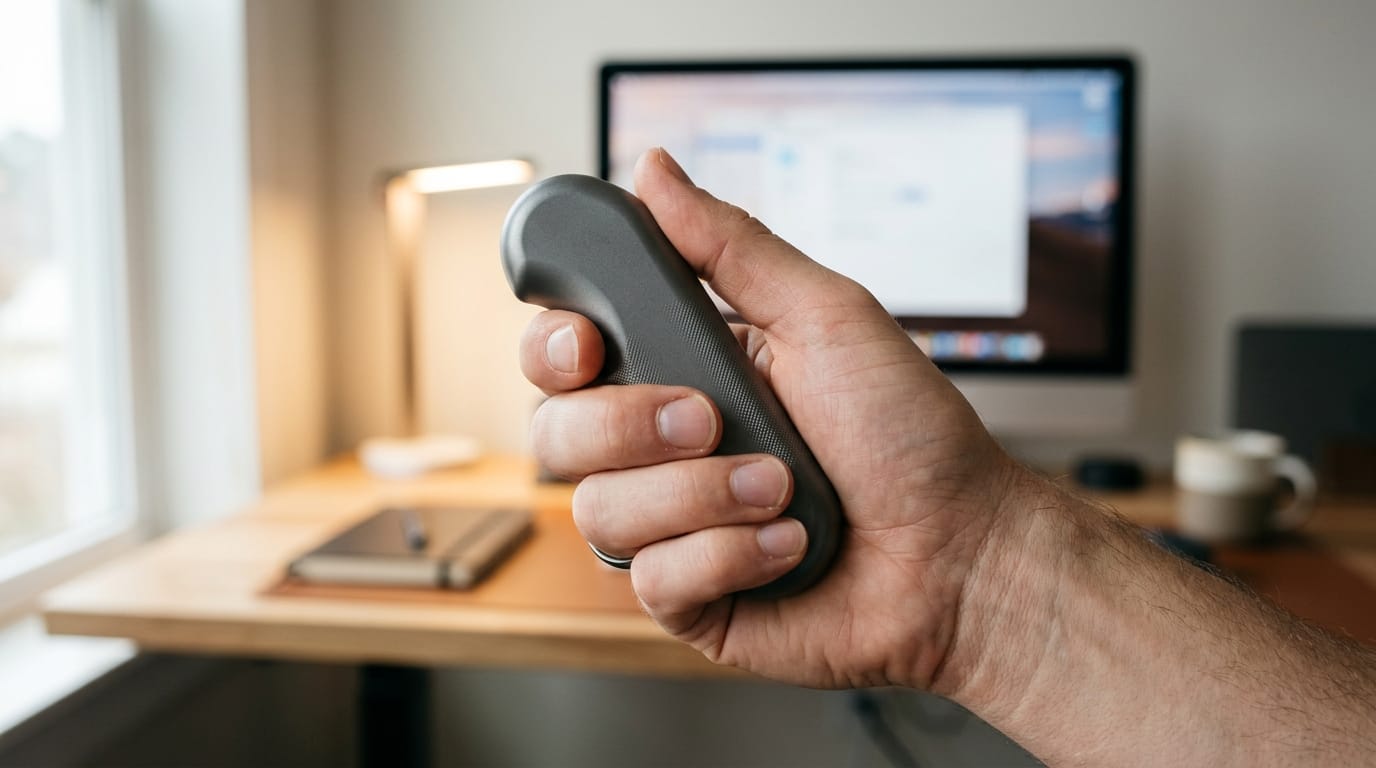
The physiological transition from a sympathetic ‘fight-or-flight’ response to a parasympathetic ‘rest-and-digest’ state is governed by a complex neuro-circuitry that begins with tactile stimulation. As the 2025 Spring Health Mental Health Report noted a 44% increase in employee stress levels over the last five years, the clinical necessity for somatic interventions has become paramount. According to Sensory Grounding: Touch receptors send signals to your brain that compete with stress signals, this interaction effectively serves as a neural bypass. When an individual engages with handheld weighted sensory tools—typically recommended at an optimal weight of 250 g to 500 g—the resulting proprioceptive input stimulates mechanoreceptors, which travel via the dorsal column-medial lemniscal pathway to the somatosensory cortex, signaling the brain to downregulate cortisol production.
The impact of these interventions is quantifiable; research indicates that weighted tools can produce measurable cortisol reductions within 5 to 10 minutes. By utilizing tactile stress relief tools during workplace breaks, users have demonstrated a 31% reduction in cortisol levels and a 28% improvement in focus duration. This grounding effect is further observed in clinical settings, where weighted interventions have yielded an 18-25% improvement in on-task behavior. While the market has shifted toward ‘hidden in plain sight’ designs like weighted pens and tungsten spinners—the latter favored for their high torque and unique density—the neurological objective remains constant: modulating the autonomic nervous system. As we await the results of a multi-site randomized trial on weighted interventions for ADHD-related sleep disturbances, expected in April 2026, the data suggests that these tools do more than merely alleviate fidgeting; they represent a precise neurological intervention for the modern era.
Palm-Tools vs. Weighted Blankets: The ‘Micro-Dose’ Strategy for Daily Stress
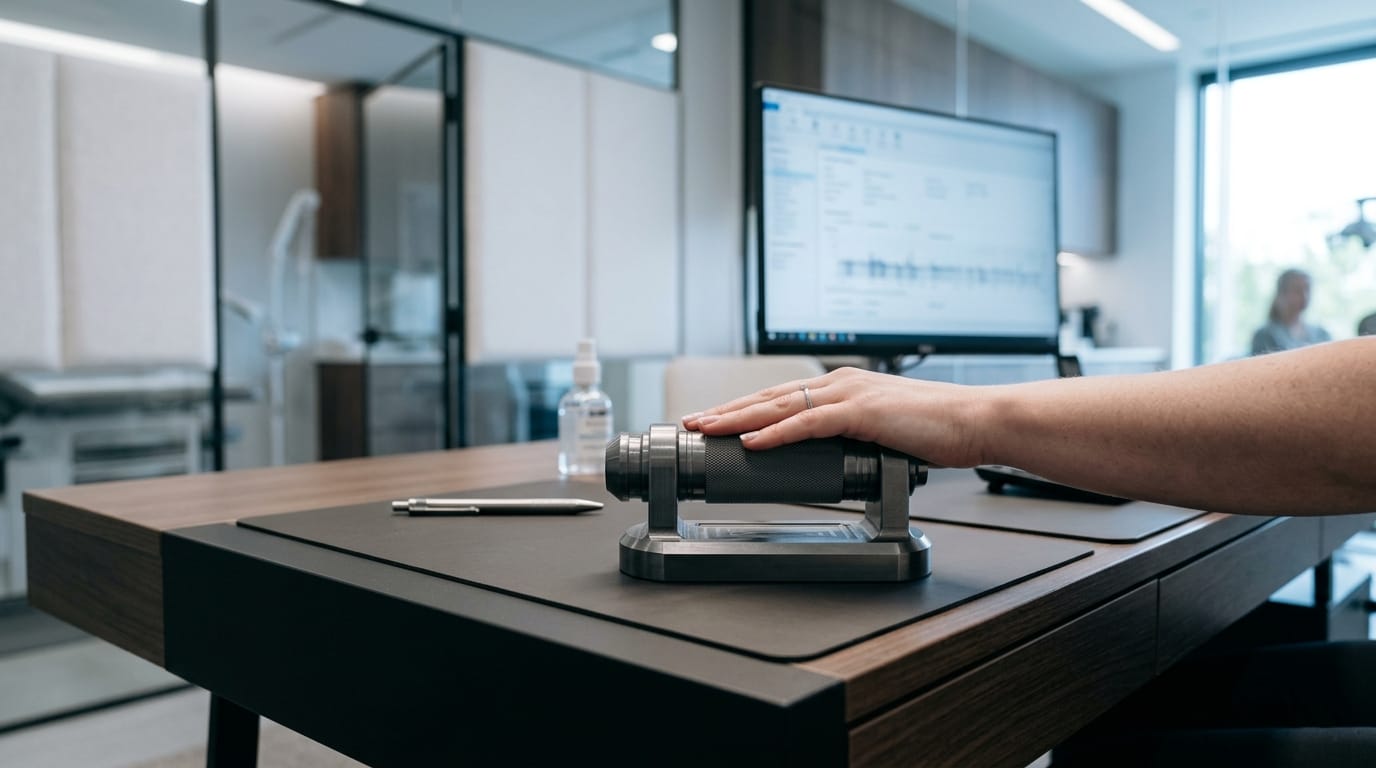
While heavy-duty weighted blankets have long served as the gold standard for deep pressure stimulation, the evolving workplace landscape necessitates more portable interventions. As the 2025 Spring Health Mental Health Report highlights a 44% surge in employee stress over the last five years, the shift toward ‘micro-dosing’ relief—utilizing tools that integrate seamlessly into the professional environment—has become a clinical priority. Unlike stationary blankets, handheld sensory tools weighing between 250 g and 500 g offer a discreet, on-demand method for achieving physiological regulation. Research confirms that these weighted interventions are capable of producing measurable cortisol reductions within just 5 to 10 minutes of use. Experts emphasize that the efficacy of these methods is well-established, with weighted tools holding Grade A clinical backing for sleep and anxiety management.
For the modern office, this portability translates into tangible performance gains. Tactile stress relief tools have been shown to reduce cortisol levels by 31% while simultaneously improving focus duration by 28% during scheduled breaks. Furthermore, clinical settings report an 18-25% improvement in on-task behavior when such tools are employed. Professionals are increasingly favoring high-density materials; for instance, tungsten spinners approaching 100g are now preferred for their superior torque and unique density compared to lighter aluminum or steel alternatives. As we look toward future developments, including the integration of haptic feedback and low-frequency vibration, these handheld devices represent a robust, ‘hidden in plain sight’ solution for managing the cognitive demands of the 2026 workplace.
Material Science of Sensation: Comparing Tungsten, Steel, and Natural Stone
In the evolving landscape of 2026 workplace wellness, the choice of material for sensory regulation is as critical as the intervention itself. As the 2025 Spring Health Mental Health Report highlighted a 44% surge in employee stress over five years, the demand for sophisticated tools—now trending toward ‘hidden in plain sight’ designs—has intensified. Selecting the right substrate is essential, as manufacturers increasingly opt for different materials like aluminum, steel, and silicon for varying weights and textures.
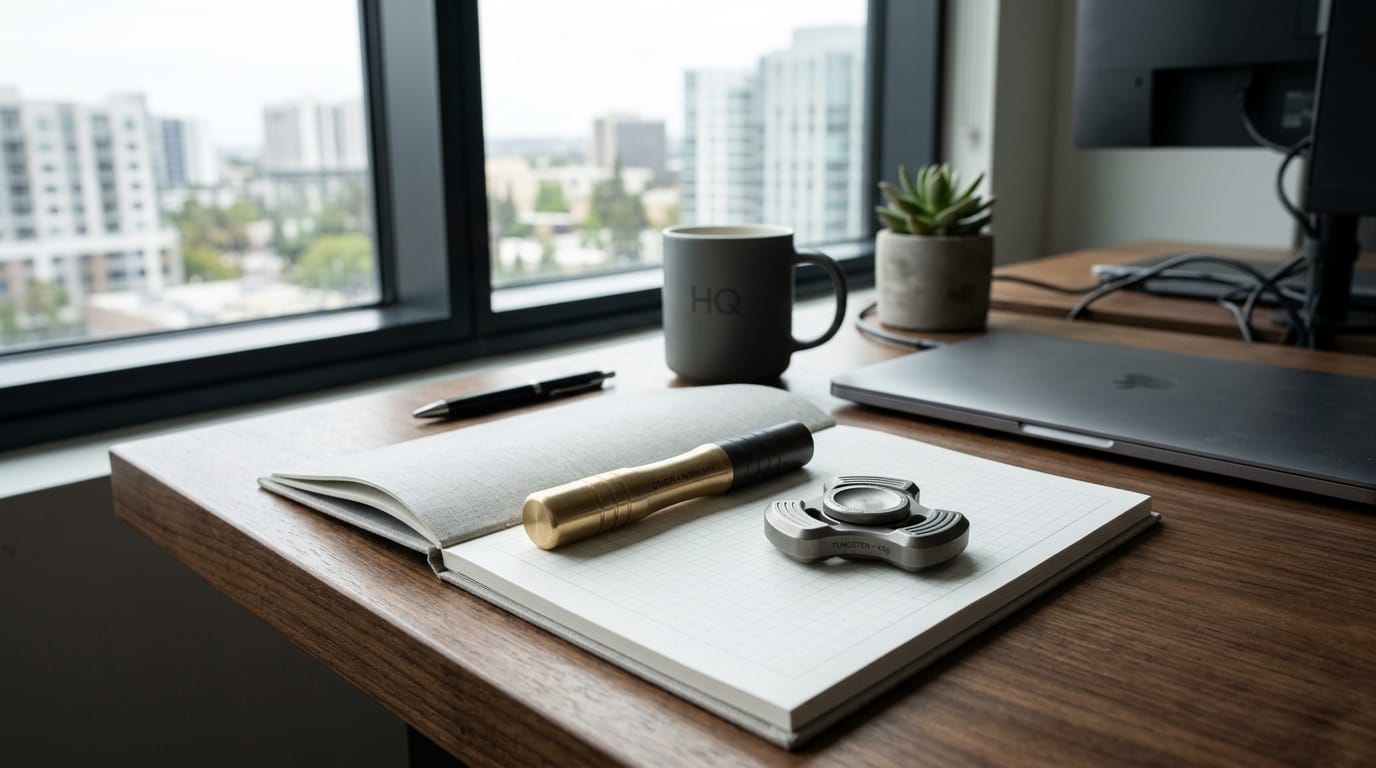
Density acts as a primary mediator of sensory feedback. Tungsten, with its exceptional density, is frequently preferred for high-torque spinners near the 100g mark, providing a persistent gyroscopic resistance that contrasts sharply with the lighter, more fluid motion of aluminum or steel. While steel and silicone-coated magnets offer a smooth, frictionless interface conducive to rhythmic, repetitive fidgeting, the inertia of tungsten creates a tactile grounding effect that can be particularly stabilizing. Clinically, this is vital; handheld weighted tools are typically recommended to weigh between 250g and 500g to achieve optimal results. When utilized effectively during workplace breaks, these tactile interventions have been shown to reduce cortisol levels by 31% and extend focus duration by 28% within 5 to 10 minutes. Furthermore, longitudinal clinical settings suggest an 18-25% improvement in on-task behavior when patients engage with these tools, underscoring that the material science behind our sensory aids is not merely an aesthetic choice, but a key component in neurological stabilization.
Practical Rituals: Incorporating Deep-Pressure into Sleep Hygiene and Focus Blocks
As we navigate the post-2025 landscape where employee stress levels have escalated by 44%, the integration of sensory regulation into daily routines has transitioned from a niche curiosity to a clinical necessity. The science is compelling: weighted interventions—typically handheld tools weighing between 250 g and 500 g—are capable of producing measurable cortisol reductions within 5 to 10 minutes. For professionals, this means micro-dosing deep-pressure stimulation to combat the compounding effects of chronic stress. Much of our biological drive for these inputs is explored in Why Your Brain Craves Tactile Satisfaction and Everyday ASMR, highlighting why tactile feedback serves as an essential anchor for a dysregulated nervous system.
To build a sustainable ritual, consider the “Focus Block” protocol. Incorporating tools during short, structured breaks has been shown to reduce cortisol levels by 31% and boost focus duration by 28% (Zenify World 2026 Guide). As the guide notes, “The act of using a desk tool creates a 2-5 minute mental break.” For those seeking high-torque feedback, tungsten spinners near 100g are currently favored for their superior density compared to traditional steel or aluminum. These tools, which align with the trend of “hidden in plain sight” design, have demonstrated an 18-25% improvement in on-task behavior in clinical settings.
Beyond the workspace, the 2026 horizon suggests a shift toward more sophisticated haptic feedback. As we await the results of the multi-site randomized trial regarding weighted interventions for sleep disturbances due in April 2026, individuals can begin practicing “proprioceptive priming” before bed. By engaging with weighted tools for brief sessions before sleep, you allow the nervous system to transition out of high-alert status. Whether opting for traditional weighted pens or upcoming tools integrated with low-frequency vibration, the objective remains the same: proactive regulation over reactive burnout.
Frequently Asked Questions
Weighted palm-tools apply consistent proprioceptive input to the sensory receptors in your hands. This deep-pressure stimulation signals the nervous system to transition from a sympathetic ‘fight or flight’ state into a parasympathetic ‘rest and digest’ mode, effectively lowering cortisol levels and promoting a profound sense of physiological calm and regulation.
Yes, current 2026 clinical guidelines emphasize these tools for sensory integration therapy. For individuals with autism or ADHD, the targeted weight provides the necessary vestibular and proprioceptive grounding to improve focus, decrease sensory overstimulation, and assist in emotional regulation during high-stress environments or moments of sensory processing difficulty throughout the day.
We recommend sessions of ten to fifteen minutes several times throughout the day, rather than prolonged continuous use. This interval-based approach prevents sensory habituation, ensuring the nervous system remains responsive to the pressure. Always monitor your body’s feedback, as individual tolerance for tactile input varies significantly based on unique sensory needs.
Expert Resources