
The Satisfaction of Quiet Clicks and Magnetic Resistance
By Kevin Lee | 5/1/2026
The Invisible Pull: Why We Are Drawn to Magnets
In an era defined by professional fatigue, where 77% of American workers reported feeling significant stress in 2026 and 57% grappled with the cognitive weight of burnout, the workplace has become a theater of sensory overload. As we move beyond the viral era of fidget spinners, which first normalized the adult desk accessory, we find ourselves in a period where sensory regulation is no longer a niche curiosity but a clinical necessity. Experts suggest that “magnetic toys can make for a highly satisfying sensory experience,” providing a vital release that bridges the gap between chaotic digital demands and grounding physical feedback (Everyday Health). This primal attraction to the tactile snap of a magnet is deeply rooted in our neurobiology; for more on the underlying science of these preferences, see Why Your Brain Craves Tactile Satisfaction and Everyday ASMR.
The data remains compelling: tactile stress relief tools are capable of reducing cortisol levels by 31% when utilized during brief intervals, while accessible, high-quality desk tools have been shown to improve focus duration by 28%. The market has responded with a move toward durability and aesthetic integration. Following the February 2026 update to the industry-standard Fidget Pen, which underwent rigorous hands-on durability testing, the preference has shifted toward precision-machined materials. Metal sliders crafted from stainless steel or titanium are now favored over silicone alternatives, consistently proving their resilience through over six months of intensive use. As we look toward the future of wellness, the integration of multimodal tools—blending tactile, auditory, and olfactory stimuli—is fast becoming the standard for the modern office, offering a sophisticated defense against the pressures of contemporary labor.
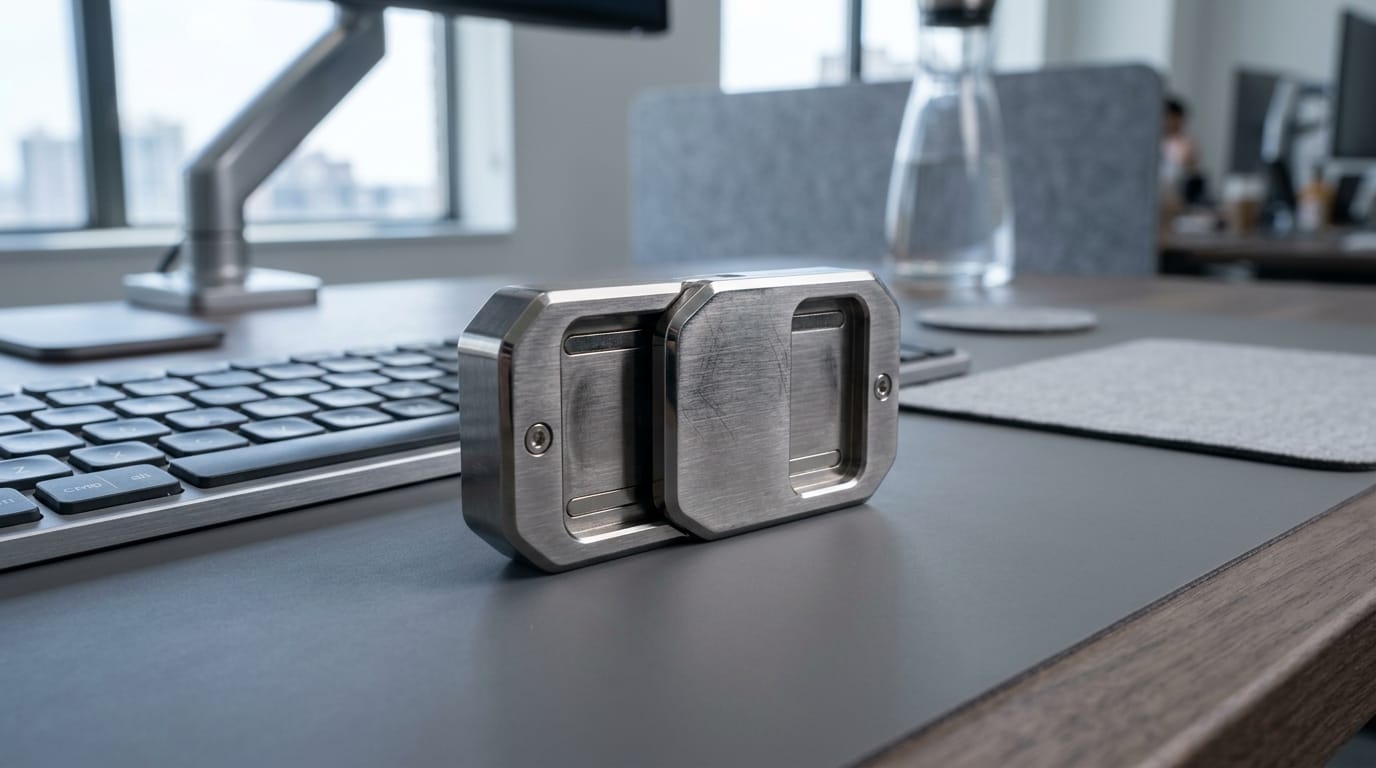
The Physics of Resistance: Why the Haptic Curve Feels Satisfying
In an era where 77% of American workers report feeling stressed and 57% grapple with clinical burnout, the sensory landscape of the modern office has shifted from mere distraction to a necessary neurological intervention. As ASMR has evolved from niche internet content into a mainstream wellness modality, desk accessories have transitioned into therapeutic instruments. Research indicates that tactile stress relief tools can reduce cortisol levels by 31% when utilized during breaks, while improving sustained focus duration by 28%. Central to this efficacy is the transition from traditional mechanical switches to magnetic resistance, which provides a significantly smoother haptic curve.
Unlike traditional mechanical switches that rely on physical contact points prone to friction and degradation, magnetic systems operate on spatial proximity. As described in industry documentation, “Inside Magnetic: The stem moves a magnet closer to a sensor. The keyboard tracks the exact distance.” This frictionless movement creates a consistent, calibrated resistance that mechanical springs struggle to replicate over time. The durability of these components is critical; for instance, metal sliders machined from stainless steel or titanium—as seen in the February 2026 update of the Fidget Pen—surpass silicone alternatives by maintaining structural integrity through over six months of heavy usage. This commitment to precision engineering ensures that as the industry moves toward multimodal tools integrating tactile, auditory, and olfactory stimuli, the ‘haptic curve’ remains a reliable anchor for the overstimulated mind.
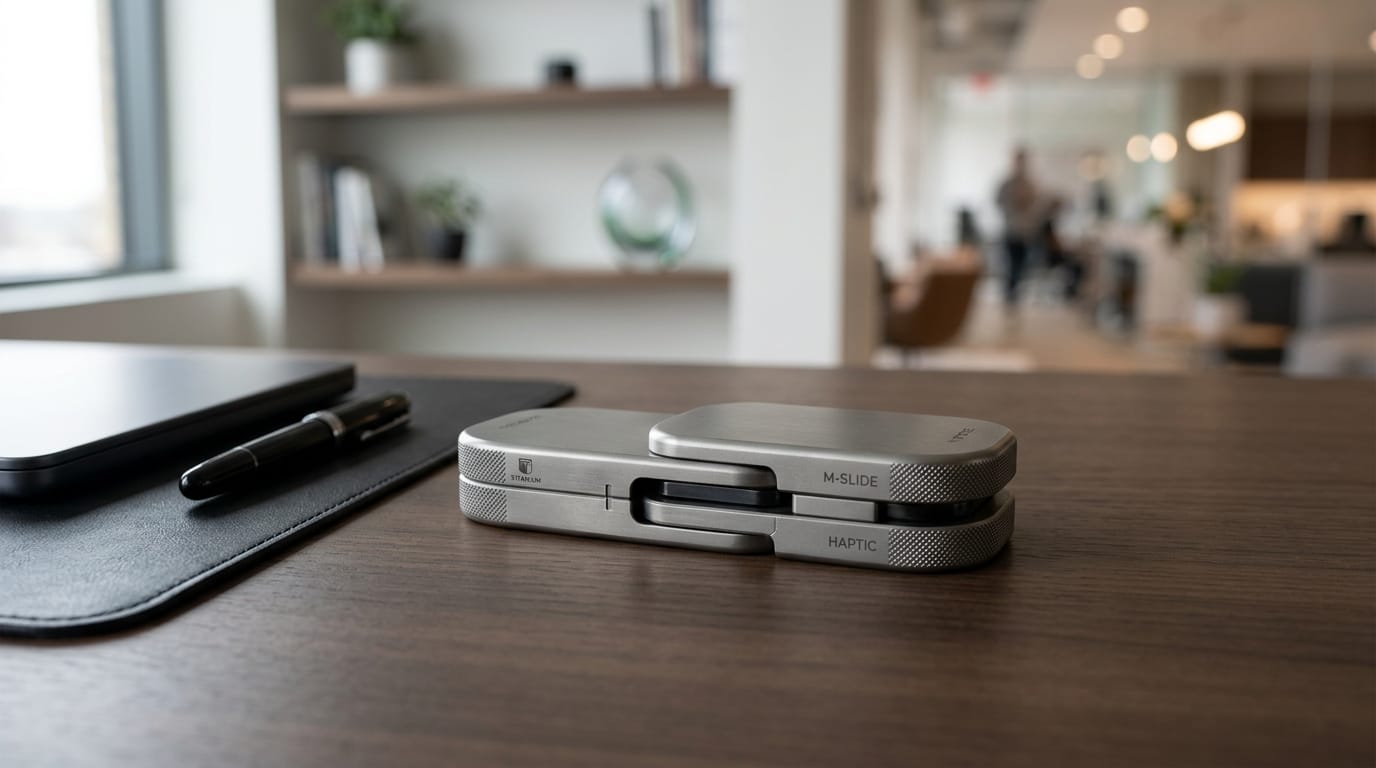
The Sound of Productivity: Engineering the ‘Quiet’ in Modern Clickers
In an era where 77% of American workers report feeling stressed at work and 57% suffer from burnout, the physiological demand for tactile regulation has moved from the periphery of niche internet subcultures like ASMR into the heart of the professional ecosystem. While fidget spinners once normalized adult-oriented desk tools, 2026 has seen an evolution toward ‘aesthetically-compatible’ hardware designed for high-performance environments. The challenge for engineers is twofold: provide the necessary tactile stress relief that reduces cortisol levels by 31%, while ensuring these implements remain acoustically invisible to coworkers. By utilizing high-density materials like stainless steel or titanium, manufacturers have successfully moved beyond flimsy silicone, creating sliders that maintain durability far beyond six months of heavy use. This sophisticated engineering allows users to, as noted in the latest Plus Plus USA wellness analysis, “roll them together without any noisy clatter.” Such refinements are critical, as evidence now shows that accessible desk tools improve focus duration by 28%. With the Fidget Pen undergoing rigorous durability testing in February 2026, the industry is clearly shifting toward a standard of multimodal integration—combining tactile, auditory, and olfactory feedback to combat the escalating mental health crisis within the modern workplace.
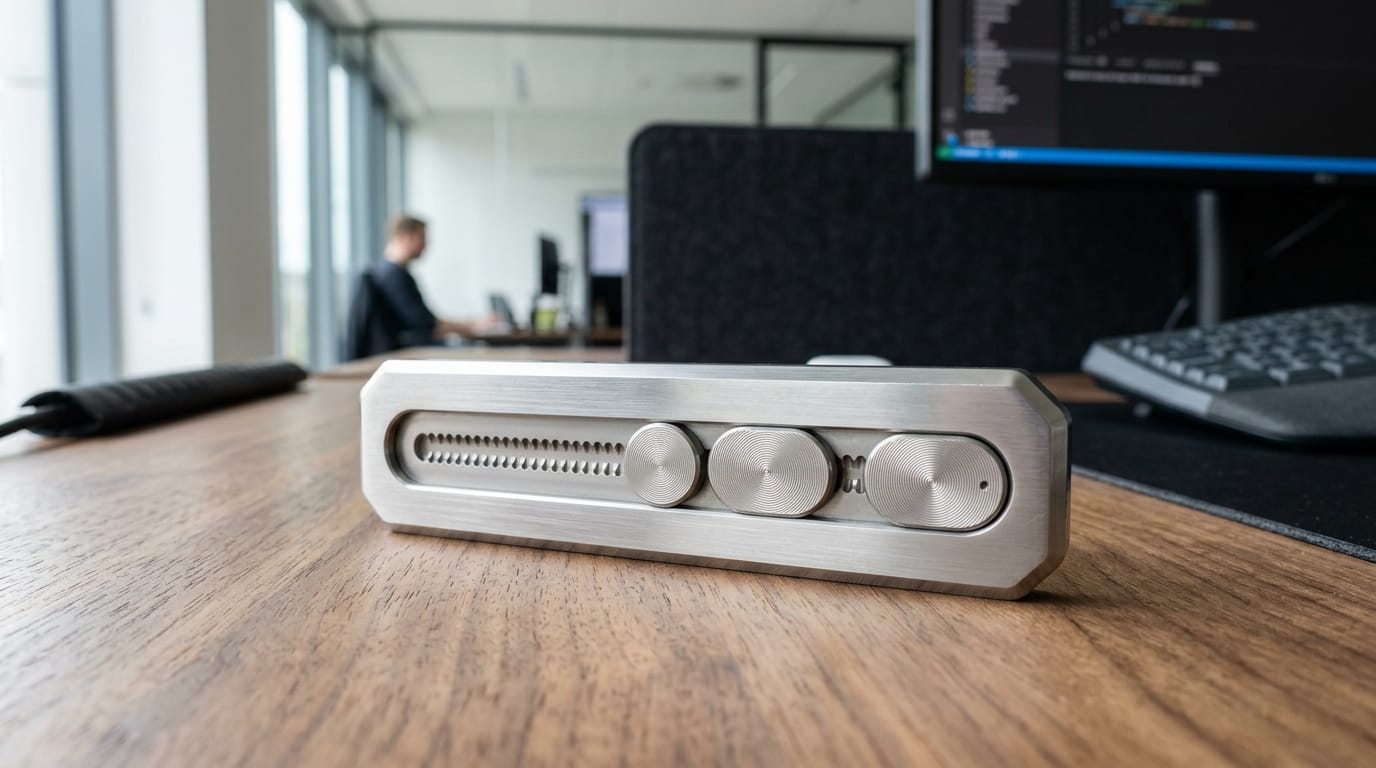
Tactile Stealth: Why Discretion is the New Workplace Essential
In an era where 77% of American workers report feeling stressed at work in 2026, the need for effective, unobtrusive self-regulation has moved beyond niche internet trends like ASMR into the heart of corporate wellness. As burnout statistics climb—with 57% of employees reporting significant strain from professional demands—the shift toward ‘desk-friendly’ sensory accessories has become a survival mechanism for the modern professional. Clinical data supports this transition, revealing that tactile stress relief tools can reduce cortisol levels by 31% when utilized during brief workplace intervals, while the integration of accessible desk tools has been shown to improve focus duration by 28%.
The evolution from the loud, kinetic fidget spinners of the past to the sophisticated instruments of the present reflects a growing demand for ‘tactile stealth.’ Adults require tools that provide therapeutic input without disrupting the professional environment. Recent developments, such as the February 2026 update to the Fidget Pen, underscore this focus on engineering; by utilizing stainless steel or titanium sliders rather than silicone, these tools offer superior durability for heavy daily use, often exceeding six months of performance. As noted in professional clinical reviews of adult fidget tools, “The Fidget Pen easily blends into almost any setting, offering a ‘hidden in plain sight’ experience.” Looking toward the future, we anticipate that the integration of multimodal sensory tools—combining tactile, auditory, and olfactory elements—will define the standard for 2026 workplace mental health, bolstered by increasing clinical evidence for the efficacy of weighted sensory accessories in mitigating occupational anxiety.
Material Matters: How Silicone vs. Metal Changes the Magnetic Snap
In an era where 77% of American workers report feeling stressed at work, the evolution of desk-friendly sensory accessories has shifted from novelty to necessity. With 57% of the workforce reporting burnout, these tools are no longer mere distractions; they are clinical interventions. Research indicates that tactile stress relief tools reduce cortisol levels by 31% when utilized during workplace intervals, while accessible desk tools have been shown to improve focus duration by 28%. Central to this efficacy is the material composition of the device, which dictates the sensory feedback loop.
As we transition toward the 2026 standard of multimodal wellness tools, the distinction between silicone and metal has become critical. While silicone offers a muted, soft-touch interface, the durability profiles differ significantly. Metal sliders, precision-machined from stainless steel or titanium, are engineered to withstand rigorous, heavy-duty use for over six months—a threshold frequently surpassed in the latest 2026 Fidget Pen testing. As noted in MakerMesh’s recent analysis, “Premium metal sliders—machined from materials like stainless steel, titanium, brass, or copper—offer an unparalleled tactile experience.” This acoustic and haptic feedback is increasingly viewed as superior to polymer alternatives, bridging the gap between niche ASMR culture and professional workplace utility.
Finding Your Click: Matching Resistance Levels to Stress States
With 77% of American workers reporting elevated stress levels in 2026, the shift from niche ASMR culture to clinical wellness integration is no longer optional—it is a functional requirement. As workplace burnout affects 57% of the modern workforce, identifying the correct tactile resistance is critical to nervous system regulation. As noted by industry experts, “The best tool isn’t the trending one—it’s the one that matches your sensory profile (seeker vs. avoider)”. Understanding your neurological needs is foundational to Why Your Brain Craves Tactile Satisfaction and Everyday ASMR, especially when managing high-demand environments.
For the sensory seeker experiencing high-arousal stress, high-resistance tools are paramount. Metal sliders machined from stainless steel or titanium provide consistent, grounding tactile feedback that exceeds the lifespan of silicone alternatives, often lasting over six months of heavy use. In contrast, sensory avoiders—those easily overstimulated by erratic input—benefit from the refined, predictable click of updated devices, such as the Fidget Pen, which underwent rigorous durability testing in February 2026 to ensure silent, smooth operation. Clinical data demonstrates that utilizing these accessible desk tools can improve focus duration by 28% and reduce cortisol levels by 31% when integrated into standard workplace breaks.
As we look toward the future of workplace ergonomics, we anticipate the standardization of multimodal tools combining tactile, auditory, and olfactory inputs. Whether opting for the cold precision of high-density metals or the soft-touch damping of modern polymers, the goal remains the same: physiological regulation through precision-engineered interaction. By matching your device’s resistance to your specific stress state, you transform a simple desk accessory into a vital component of your professional toolkit.
Frequently Asked Questions
In 2026, medical professionals increasingly utilize keyboards with tactile, magnetic resistance. These precision components reduce the physical strain associated with repetitive documentation tasks. By providing clear, quiet auditory and sensory confirmation of every keypress, physicians can maintain high-speed data entry while minimizing errors, ultimately leading to improved clinical workflow and reduced fatigue.
Yes, modern quiet switches are specifically engineered for clinical settings where noise disruption must be minimized. The magnetic resistance provides a premium, satisfying tactile response without the disruptive clicking sounds of older models. This allows practitioners to complete charting in shared workspaces or near patient rooms without causing unnecessary distractions or noise pollution.
Magnetic resistance technology allows for adjustable actuation forces, which is vital for preventing repetitive strain in healthcare. By customizing the pressure needed to trigger a keypress, clinicians can ensure their typing experience is ergonomically optimized. This reduces finger tension and muscle strain, helping medical staff maintain hand health during long shifts.
Expert Resources