
Screen-Free Evening Wind-Downs: Tactile Rituals for Better Sleep
By Kevin Lee | 4/22/2026
The Problem with Screen-Based Wind-Downs
In the digital age, our attempts to unwind have become inherently counterproductive. While millions reach for smartphones to decompress, recent 2025 data confirms that this habit is wreaking havoc on our neurological restorative processes. As noted in recent findings on screen-time and sleep, “The findings showed a link between more screen time and worry,” a physiological state that actively prevents the body from entering a deep sleep cycle. In fact, screen use after bedtime now raises the odds of insomnia symptoms by approximately 60%, creating a cognitive feedback loop that keeps the brain in a state of hyper-arousal.
We are witnessing a significant market correction in how we approach nocturnal relaxation. While the global sensory toys market is projected to reach 6.16 billion USD by 2035—with North America currently commanding a 53% share—the focus has shifted away from the digital distraction paradigm. Although 39% of sensory products launched in 2024 integrated digital elements, modern adult wellness trends are pivoting toward minimalist, screen-free designs that leverage physical feedback to regulate the nervous system. This transition is long overdue; while past trends like fidget spinners were often dismissed as mere distractions, current clinical research confirms that tactile engagement offers a legitimate, non-pharmacological pathway to rest.
The efficacy of these methods is striking: a 15-minute tactile relaxation session can reduce sleep latency by 7-10 minutes compared to screen-based alternatives. By understanding Why Keeping Your Hands Busy Helps Calm Your Mind, patients can replace high-dopamine digital scrolling with grounding, sensory-based rituals. As the stress toy market races toward a 7.95 billion USD valuation by 2030, the industry is increasingly prioritizing expertly crafted, therapeutic tools over simple toys. Moving forward, the objective is clear: to trade the artificial illumination of a screen for the quiet, predictable, and calming feedback of the physical world.
How Sensory Play Calms the Nervous System
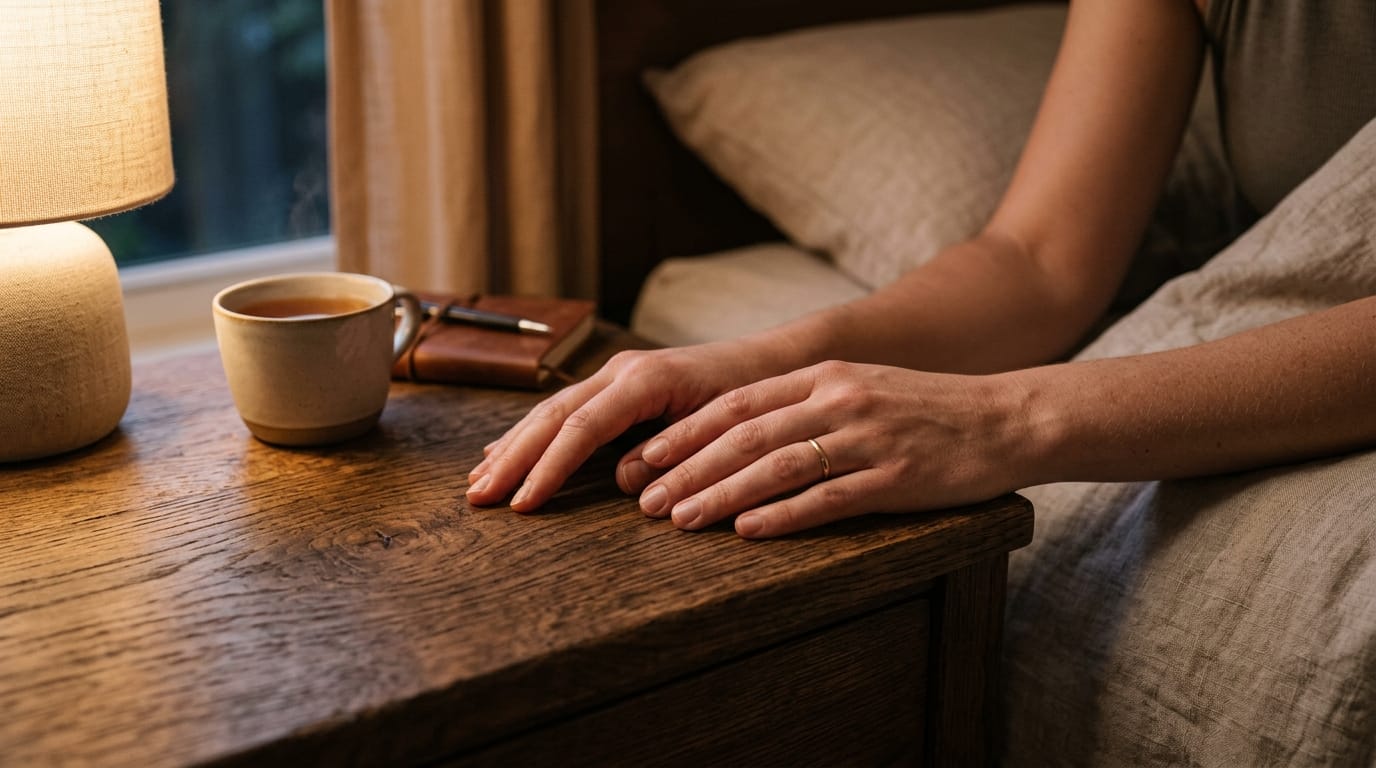
While the rise of fidget spinners once cast tactile regulation as a mere distraction, current clinical research from 2024–2025 has recalibrated our understanding of these interventions. We are witnessing a definitive shift where repetitive, rhythmic engagement with tactile objects is now recognized as a legitimate therapeutic tool for downregulating the sympathetic nervous system. As noted in recent insights, “Repetitive, small movements—like clicking, twisting, or spinning—can help regulate the nervous system, reduce anxiety, and improve concentration.”
This physiological calming effect is critical in an era where digital saturation poses a clear threat to nocturnal homeostasis. With screen use after bedtime linked to a 60% increase in insomnia symptoms, the move toward minimalist, screen-free tactile tools—which prioritize haptic feedback over digital integration—offers a necessary intervention. Clinical observations indicate that a 15-minute tactile relaxation session can reduce sleep latency by 7–10 minutes, providing a stark physiological advantage over screen-based habits. This transition is further evidenced by market evolution; while 39% of sensory toys launched in 2024 still utilized digital elements, the current adult-focused market is heavily prioritizing intentionally crafted, analog tools.
The global impact of this shift is significant. North America currently commands a 53% share of the sensory toy market, which is projected to reach 6.16 billion USD by 2035 with a CAGR of 11%, while the niche stress toy segment alone is expected to climb to 7.95 billion USD by 2030. As we look toward the future, these instruments are shedding their toy-like associations, evolving into specialized devices designed for vestibular support and neurological regulation.
Building a Screen-Free Evening Ritual
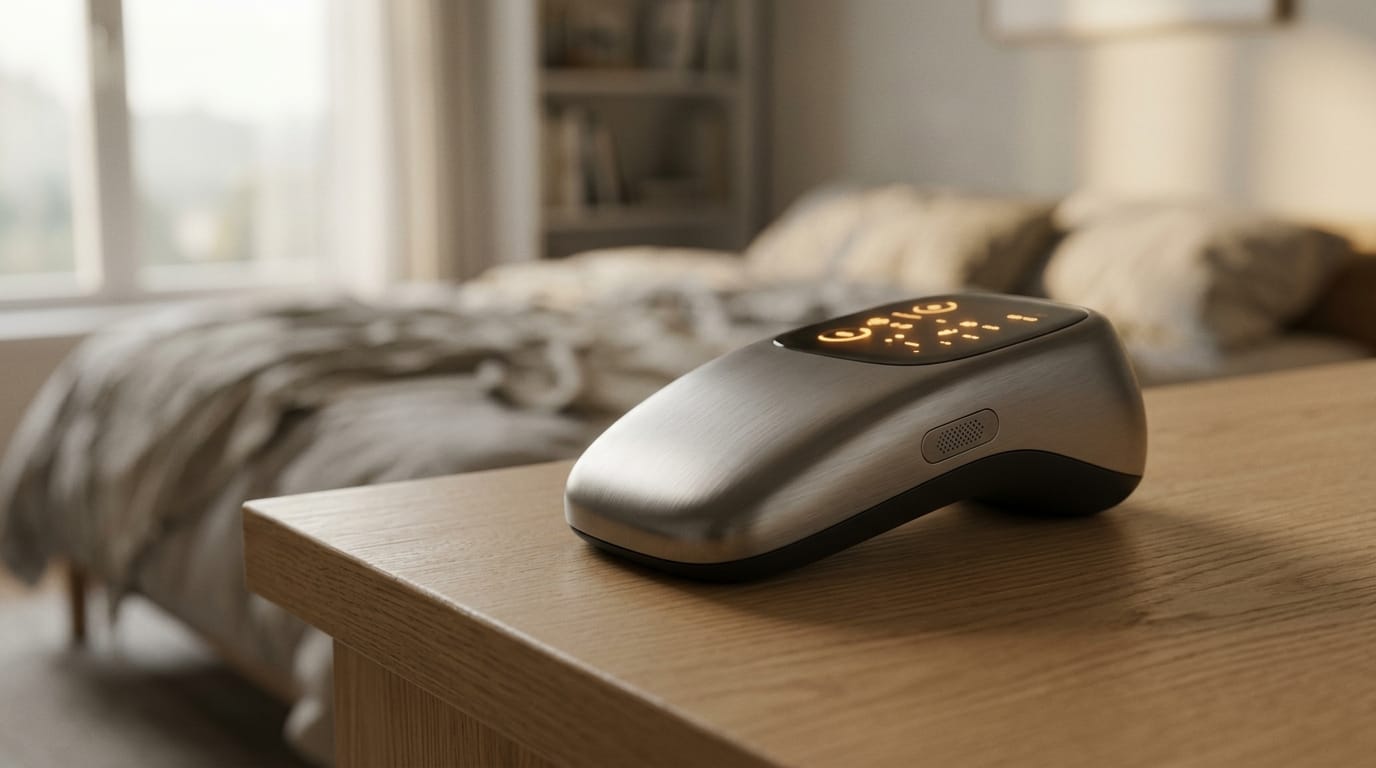
As clinical consensus shifts from viewing fidget tools merely as distractions to recognizing their efficacy in autonomic nervous system regulation, establishing a deliberate tactile ritual has become paramount. With screen use after bedtime linked to a 60% increase in insomnia symptoms, replacing digital engagement with sensory-focused activity is a critical intervention. Current data indicates that a 15-minute tactile relaxation session can reduce sleep latency by 7-10 minutes, providing a significant advantage over screen-based procrastination. While the global sensory toy market is expanding toward a projected 6.16 billion USD by 2035, the current trend among adults favors minimalist, analog designs over the digital-integrated products that dominated 2024. As noted in the latest sensory wellness guidance, one should ‘begin a 10- to 15-minute wind-down routine about 30 minutes before bed, dim the lights, and place the chosen toy within easy reach.’ To implement this, first transition your environment to low-light conditions to trigger melatonin production. Second, engage in a grounding tactile activity—such as kneading, rolling, or tactile manipulation—which facilitates vestibular and proprioceptive soothing. Finally, synchronize this movement with rhythmic, diaphragmatic breathing. By shifting from the high-stimulation environment of the digital era to these expertly crafted, screen-free tactile tools, you can effectively lower your cognitive load and prepare the brain for restorative sleep.
Top Sensory Tools for Evening Relaxation
As we navigate the transition from the high-stimulation environment of the workday to the restorative quiet required for sleep, the efficacy of tactile regulation has moved from the periphery of pop culture—once dominated by transient trends like fidget spinners—into the center of clinical wellness. This shift is substantiated by recent data: with the global sensory toys market projected to reach 6.16 billion USD by 2035, and the specific stress toy segment expanding to 7.95 billion USD by 2030, adult users are increasingly seeking tools that offer therapeutic grounding without digital tethering. Given that screen use post-bedtime increases the odds of insomnia symptoms by 60%, the shift toward minimalist, screen-free tactile instruments is both timely and neurologically sound.
Clinical observation suggests that a 15-minute tactile relaxation session can reduce sleep latency by 7-10 minutes compared to evening screen time. Among the most effective instruments in this category are sophisticated putty and kinetic sand derivatives. As noted in a report from Everyday Health, “The Crags Magnetic Putty from Speks offers the typical fun experience of playing with putty but with a slick feel and aesthetically pleasing hue.” This specific type of sensory feedback provides a non-distracting, rhythmic engagement that calms the nervous system, a stark contrast to the 39% of new 2024 sensory products that attempted to integrate distracting digital elements.
North America currently leads this movement with a 53% market share, prioritizing tools that cater to the adult need for vestibular support and stress modulation. By replacing blue-light exposure with the grounded, haptic resistance of high-quality putty or sand, patients can effectively manage cortisol levels, shifting from a state of hyper-arousal to one of cognitive calm conducive to sleep architecture.
Making the Transition Stick
Long-term habit adoption hinges on the seamless integration of therapeutic tools into one’s existing environment. While the Global Sensory Toys Market is projected to hit 6.16 billion USD by 2035 with a CAGR of 11%, the real challenge for adults lies in resisting the ‘visual clutter’ that often accompanies novelty items. As we explore Why Keeping Your Hands Busy Helps Calm Your Mind, it becomes clear that the shift from distracting fidget spinners of the past to the expertly crafted tools of the future is critical for patient compliance. Data indicates that while 39% of new sensory products in 2024 featured digital elements, adult consumers are increasingly favoring screen-free alternatives, as screen use after bedtime correlates with a 60% increase in insomnia symptoms.
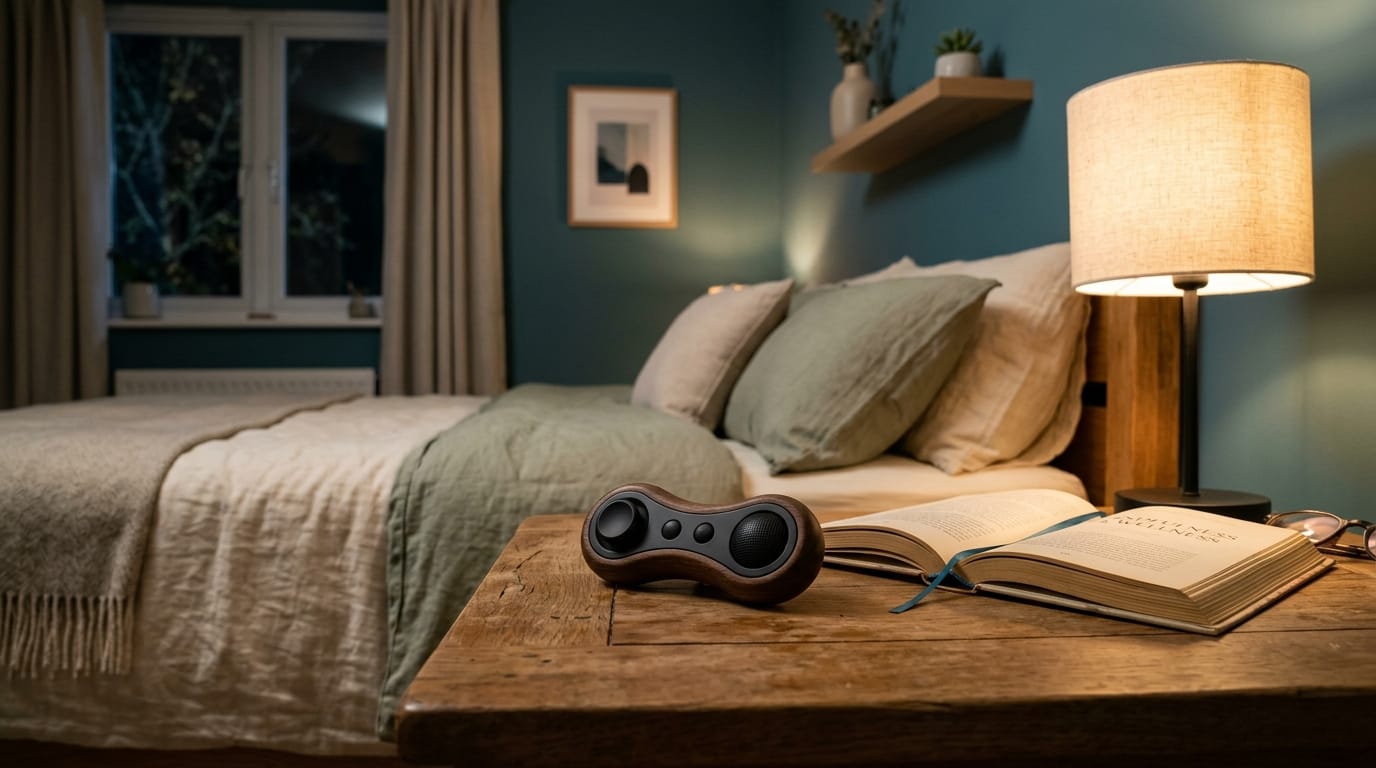
To ensure consistency, practitioners must prioritize aesthetic neutrality. Modern clinical research suggests that a 15-minute tactile relaxation session can reduce sleep latency by 7-10 minutes compared to digital stimulation. As the stress toy market expands toward a 7.95 billion USD valuation by 2030, product selection must favor design over gimmickry. According to industry trend analysis, “The trend is towards toys that use sophisticated, muted color palettes (like the popular Morandi colors), natural wood finishes, and minimalist designs.” By choosing tools that blend into a professional or domestic space rather than disrupting it, patients in North America—a region currently holding 53% of the market share—are far more likely to sustain the tactile habits necessary for long-term vestibular support and anxiety management.