
Best Quiet Desk Toys for Adults: Professional & Discreet Options
By Kevin Lee | 4/30/2026
The Evolution of the Desk Toy: From Distraction to Professional Tool
By Kevin Lee. The landscape of corporate wellness has shifted significantly, with sensory modulation tools evolving from niche internet subcultures into essential components of the 2026 professional toolkit. As explored in Why Your Brain Craves Tactile Satisfaction and Everyday ASMR, the internal drive for somatic grounding is now recognized as a physiological necessity rather than a distraction. Recent data underscores this transition: 62% of 2026 survey respondents now view the use of sensory tools during meetings as a basic professional courtesy, while 71% of managers actively encourage team members to curate personal ‘sensory zones’ for video conferencing.
The modern marketplace has responded by prioritizing equipment that can blend discreet design with multisensory feedback, emphasizing quiet, portable, and aesthetically‑compatible options. This emphasis on subtle integration is reflected in the product range, where premium fidget pens featuring silent magnetic mechanisms typically retail between $20 and $30, and high-end metal spinner rings designed for executive settings range from $54 to $78. These investments are yielding measurable results; organizations that have formalized sensory-tool policies have reported a 15% reduction in meeting-related fatigue complaints, suggesting that addressing these needs is an actionable strategy for burnout mitigation. Furthermore, the focus on hygiene—such as the ability to sanitize silicone fidgets via high-heat cycles or boiling water—reinforces their viability in shared workspace environments. As we look toward the future, the growing consensus indicates that accommodating individual sensory needs will soon be codified as a standard pillar of corporate etiquette.
The Invisible Fidget: Discreet Wearables and Functional Office Gear
In the evolving landscape of 2026, the perception of sensory regulation has undergone a profound shift. What once occupied niche internet subcultures as ASMR and localized fidgeting has matured into a mainstream framework for productivity and employee well-being. Current survey data reveals that 62% of professionals now view sensory tools in meetings as a basic professional courtesy, while 71% of managers actively encourage the establishment of personal ‘sensory zones’ during video conferencing. This cultural transition is further underscored by a 15% reduction in meeting-related fatigue complaints within organizations that have adopted formal sensory-tool policies.
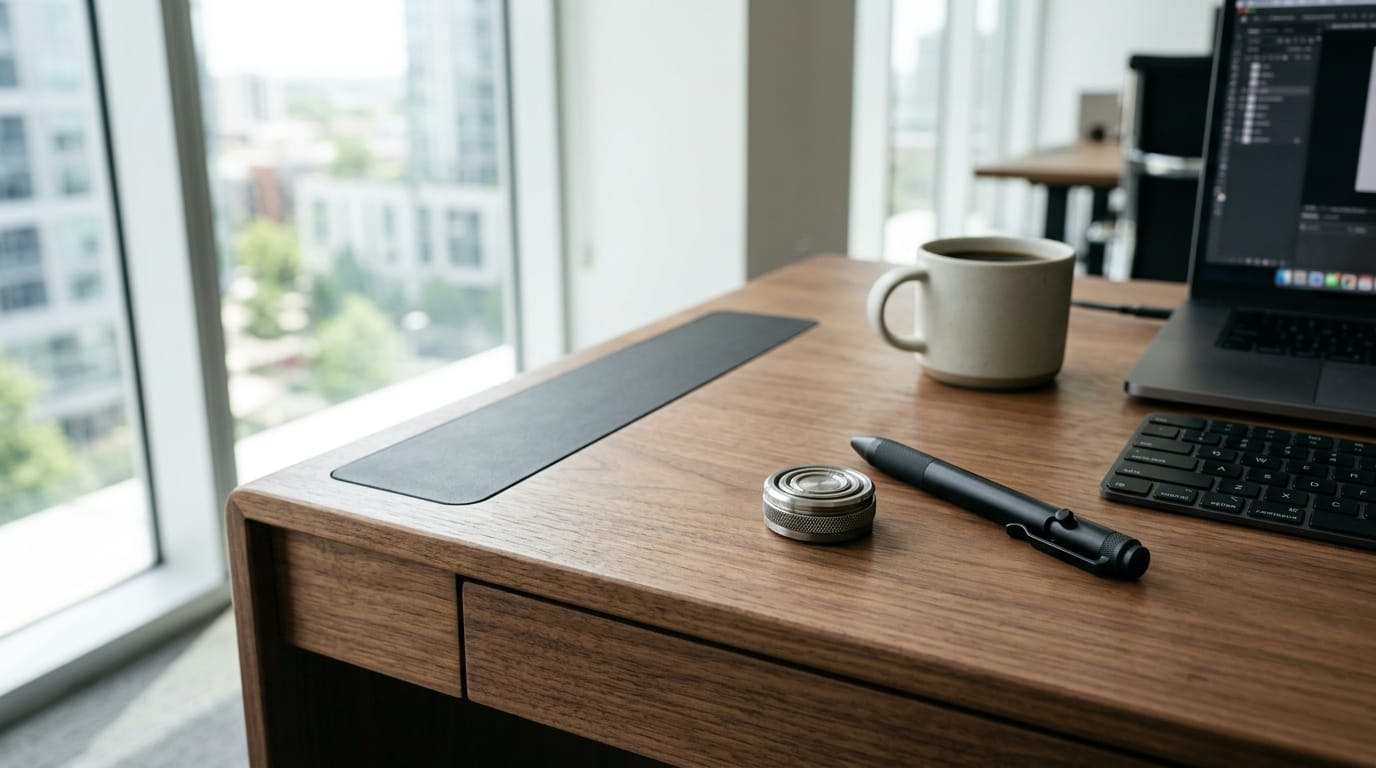
Central to this shift is the rise of ‘hidden in plain sight’ gear that bridges the gap between professional aesthetic and therapeutic utility. The Fidget Pen, for instance, has become a staple for many, with a recent expert review noting that it “easily blends into almost any setting, offering a ‘hidden in plain sight’ experience.” These premium writing instruments, typically retailing between $20 and $30, utilize silent magnetic components to facilitate regulation without disrupting colleagues. Similarly, the market for professional-grade metal spinner rings—ranging from $54 to $78—provides a discreet, wearable alternative for tactile grounding.
As we look toward the future, the integration of these tools into workplace norms appears inevitable. While durable metal options are gaining traction, maintenance remains a practical concern; many users opt for silicone fidgets, which offer versatility in hygiene, as they can be sanitized in a dishwasher’s cycle without detergent or submerged in boiling water for three minutes. By acknowledging and respecting these individual sensory requirements, the modern workplace is setting the stage for a new standard of corporate etiquette that prioritizes sustained cognitive performance.

Silent Motion: High-End Kinetic Rollers for Deep Focus
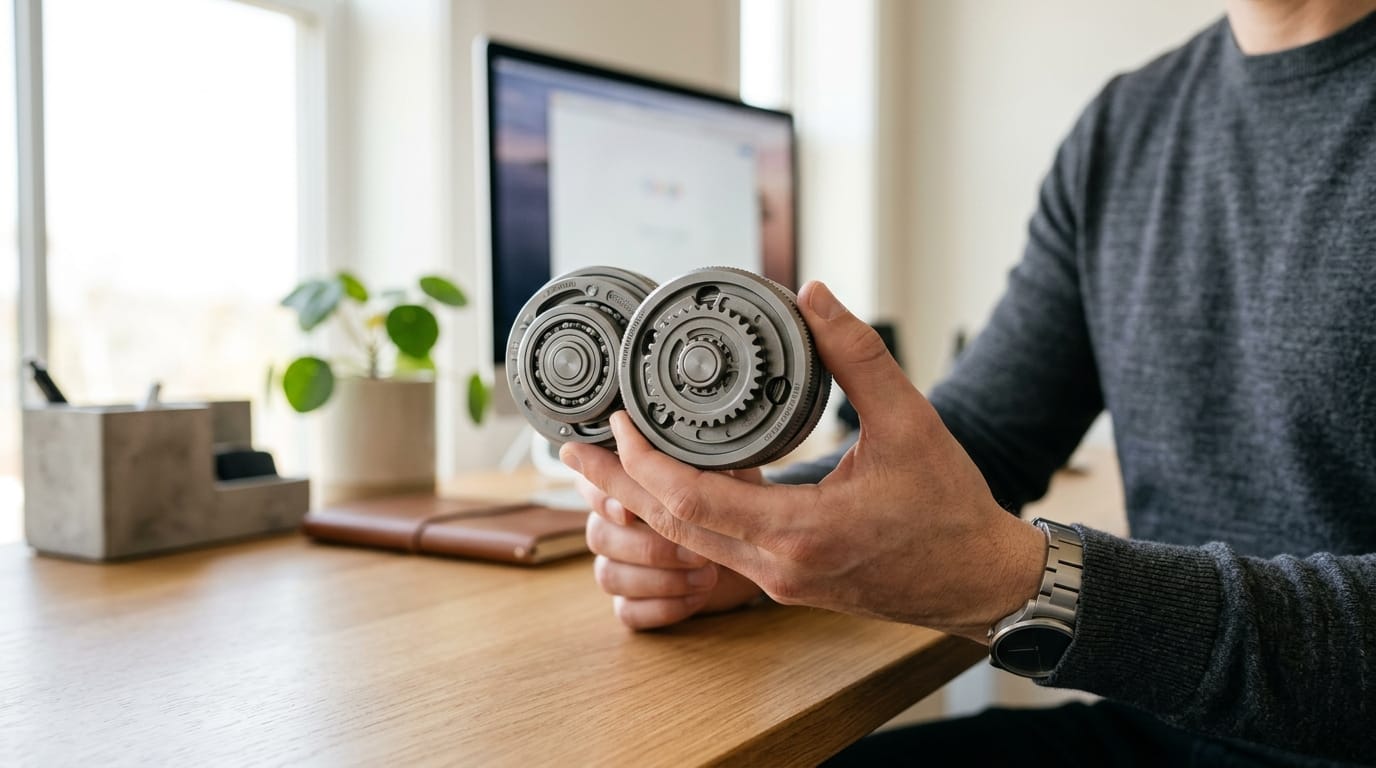
The integration of sensory regulation into the professional sphere has undergone a profound shift, evolving from niche internet subcultures into a cornerstone of contemporary productivity frameworks. As of 2026, 62% of surveyed professionals view sensory tools as a basic courtesy, while 71% of managers actively encourage the cultivation of personal ‘sensory zones’ during virtual collaborations. This cultural maturation is reflected in the tangible benefits reported by organizations, which have observed a 15% reduction in meeting-related fatigue following the implementation of formal sensory-tool policies. Within this landscape of professional wellness, frictionless kinetic rollers have emerged as a premier solution for deep focus. As noted in a recent industry review, ONO offers up another option: two frictionless Rollers that you can smoothly and silently turn in your hand. These precision-engineered devices allow for grounding through repetitive, tactile motion without the auditory intrusion often associated with earlier fidget solutions.
The market for such high-end kinetic tools has bifurcated to accommodate diverse aesthetic and functional preferences. While premium fidget pens featuring silent magnetic mechanisms typically range from $20 to $30, professionals seeking more discreet, integrated solutions are increasingly opting for metal spinner rings, which command prices between $54 and $78 depending on finish and complexity. For those prioritizing hygiene alongside function, silicone-based fidgets offer a practical alternative, as they can be sanitized via a dishwasher’s sanitize cycle or boiling water for three minutes. As we look toward the future, there is a growing consensus that acknowledging and accommodating individual sensory needs will soon transition from a progressive perk to a standard component of formal corporate etiquette, ensuring that focus remains prioritized in an increasingly complex digital work environment.
Haptic Satisfication: Silent Magnetic Sliders and Textures
In 2026, the perception of sensory tools has shifted from niche subcultures to integral components of professional wellness. Recent data indicates that 62% of respondents now view these tools as a basic professional courtesy, while 71% of managers actively encourage the creation of personalized sensory zones for video calls. This evolution in workplace culture is supported by empirical outcomes, as organizations with formal sensory-tool policies have reported a 15% reduction in meeting-related fatigue complaints. Central to this trend is the adoption of silent, magnetic-driven devices. As noted by Everyday Health, “Magnetic toys can make for a highly satisfying sensory experience,” providing tactile feedback without the audible distraction of traditional clickers.
The market has responded with sophisticated haptic hardware. Premium fidget pens featuring silent magnetic sliders are now staples, typically retailing between $20 and $30. For those seeking more discreet integration, metal spinner rings designed for professional settings are available, ranging from $54 for entry-level models to $78 for high-end finishes. Beyond metal, the utility of silicone-based sensory tools has increased due to their hygienic durability; these items can be sanitized in a dishwasher’s sanitize cycle without detergent or submerged in boiling water for three minutes. As we look toward the future, the integration of these tools into formal corporate etiquette appears inevitable, with a growing consensus that respecting individual sensory regulation is a cornerstone of modern cognitive performance.
The 2026 Aesthetic: Choosing Materials That Fit the Boardroom
The integration of sensory regulation into the professional sphere has undergone a radical shift; once confined to niche internet subcultures, ASMR and tactile fidgeting are now foundational components of mainstream productivity frameworks. In 2026, 62% of survey respondents identify sensory tools as a basic professional courtesy, while 71% of managers actively encourage the creation of personal ‘sensory zones’ during video calls. This evolution is supported by data demonstrating that organizations with formal sensory-tool policies have observed a 15% reduction in meeting-related fatigue.
As we transition toward a future where respecting individual sensory needs is a standard component of corporate etiquette, selecting materials that harmonize with boardroom decor is essential. To maintain a professional profile, users should opt for different materials like aluminum, steel, and silicon for varying weights and textures. For those seeking a discrete executive aesthetic, premium fidget pens—often featuring silent magnetic mechanisms—are readily available for $20 to $30. For a more tactile experience, professional metal spinner rings are increasingly popular, with price points ranging from $54 for entry-level models to $78 for high-end finishes.
Functionality remains as critical as form. While metallic materials offer a substantial weight suitable for formal settings, silicone options remain a hygienic, versatile alternative; these can be sanitized in a dishwasher’s sanitize cycle without detergent or submerged in boiling water for three minutes, ensuring that wellness tools remain as clean as the offices they inhabit.
Etiquette and Integration: How to Use Sensory Tools in Meetings
The integration of sensory support into the professional sphere has undergone a profound shift, evolving from niche internet-centric subcultures to foundational frameworks for workplace wellness and cognitive productivity. Recent data underscores this transition: 62% of 2026 survey respondents indicated that the use of sensory tools—such as noise-cancelling headphones, fidget devices, and adjustable lighting—during professional meetings is now viewed as a basic professional courtesy. This evolving consensus is mirrored by leadership, with 71% of managers now actively encouraging team members to establish personalized ‘sensory zones’ during video calls to mitigate cognitive load.
Maintaining a professional presence while utilizing these tools requires a balance of discretion and intentionality. For those integrating tactile regulation, the market has matured to offer sophisticated, unobtrusive options: premium fidget pens featuring silent magnetic mechanisms are typically priced between $20 and $30, while professional-grade metal spinner rings range from $54 for entry-level models to $78 for high-end finishes. Maintaining the hygiene of such tools is equally straightforward; silicone-based devices can be safely sanitized in a dishwasher’s sanitize cycle without detergent or submerged in boiling water for three minutes.
The impact of these integration strategies is quantifiable. Organizations that have formalised sensory-tool policies have observed a 15% reduction in meeting-related fatigue complaints, suggesting that these aids function as essential infrastructure rather than mere accessories. As we move toward the future, there is a growing institutional consensus that respecting individual sensory needs will soon be recognized as a standard component of formal corporate etiquette, reflecting a more inclusive paradigm for modern professional collaboration.
Conclusion: Building a Sustainable Sensory Workspace
The integration of sensory support into the professional environment represents a paradigm shift, transitioning from niche subcultures like ASMR to established productivity frameworks. As noted by experts, “Your workspace should actively support your mental health, not merely accommodate it.” This philosophy is validated by 2026 data: 62% of respondents now view sensory tools as a basic professional courtesy, while 71% of managers actively encourage team members to establish personal ‘sensory zones’ during video calls.
Developing a sustainable toolkit need not be prohibitive; professional-grade solutions, such as silent magnetic fidget pens costing between $20 and $30 or sophisticated metal spinner rings ranging from $54 to $78, offer durable, discreet options for regulation. Maintenance is equally straightforward, with silicone tools proving highly resilient, capable of being sanitized in a dishwasher or boiling water for three minutes. To understand the underlying neurology of these choices, readers should explore Why Your Brain Craves Tactile Satisfaction and Everyday ASMR.
Ultimately, the transition toward a sensory-inclusive workplace is yielding measurable outcomes, with organizations adopting formal policies reporting a 15% reduction in meeting-related fatigue. As we look toward the future, the consensus is clear: respecting individual sensory needs is destined to become a standard component of corporate etiquette. By intentionally habit-building and selecting tools that balance professional utility with psychological comfort—an approach detailed in this 2026 desk stress relief guide—professionals can transform their workstations into true recovery-friendly environments. — Kevin Lee
Frequently Asked Questions
Yes, research indicates that subtle, repetitive sensory input can help modulate nervous system arousal. For healthcare professionals, using discreet desk toys like silent fidget spinners or sensory stones during administrative tasks may help maintain concentration, reduce psychological fatigue, and provide a healthy outlet for occupational stress without disrupting your clinical environment.
Absolutely. When selecting a device, prioritize ergonomic comfort to prevent repetitive strain injuries. Choose items that fit naturally in your hand and require minimal force to operate. Avoid heavy or jagged objects that could cause muscle tension. Opt for smooth, tactile surfaces that allow for fluid movement without stressing your small finger joints.
While clinical sensory tools are often designed for intensive therapeutic interventions, professional desk toys are specifically engineered for subtlety and workplace integration. They offer similar benefits—such as grounding and anxiety reduction—but utilize muted colors, silent mechanisms, and refined aesthetics to ensure they remain appropriate for high-stakes, professional medical office settings.
Expert Resources