
Are Magnetic and Putty Desk Toys Too Messy?
By Kevin Lee | 4/29/2026
Introduction: The Messy Reality of Satisfying Desk Toys
In the evolving landscape of neuro-ergonomics, the desk toy has transcended its origins as a mere distraction to become a cornerstone of modern office wellness. As North America leads the sensory toy market with a 53% share as of 2025, professionals are increasingly integrating these tools into their daily workflows, a trend supported by the psychological premise behind Why Keeping Your Hands Busy Helps Calm Your Mind. Indeed, as noted by Everyday Health, “Magnetic toys can make for a highly satisfying sensory experience,” yet this satisfaction often masks a complex reality of maintenance and risk.
The industry is at a critical juncture. While the global sensory toys market is projected to reach USD 6.16 billion by 2035 with a CAGR of 11%, manufacturers continue to struggle; 42% report material safety and compliance challenges that complicate distribution. This friction is punctuated by recent regulatory actions, such as the CPSC recall of GLMZZ Fidget Magnet Ball Toys in March 2026 due to severe ingestion hazards. Such incidents echo the early safety warnings established in 2018 when magnetic putty was recalled for arsenic content, a stark contrast to the current, more aesthetic-focused market that favors ‘Morandi’ design palettes. Furthermore, with the stress toy market expected to hit $7.95 billion by 2030, standards have tightened; ASTM F963-23 section 4.3.6 now strictly governs the cleanliness criteria for gels and putties to prevent microbial growth.
For the user, the messy reality involves more than just selecting a tool. Whether you are engaging with the 39% of 2024’s new sensory toys that integrate digital elements like light or vibration, or opting for traditional silicone putty—which can be meticulously cleaned of debris using 70% or higher isopropyl rubbing alcohol—the onus of safety remains shared. As we move toward a future of AI-powered, screen-free sensory tools capable of personalized, emotionally aware play, we must balance our need for somatic relief with the necessity of a controlled, compliant, and hazard-free workspace.
The Magnet Mess: Dropped Balls and Safety Hazards
As the global sensory toys market projects a rise to USD 6.16 billion by 2035, the industry faces an increasingly turbulent safety landscape. Following the 2017-2018 fidget spinner craze, which exposed systemic vulnerabilities in manufacturing quality, we are currently witnessing a critical inflection point. Current market data reveals that 42% of manufacturers struggle with material safety compliance, a gap that has led to aggressive regulatory interventions, including the March 2026 CPSC recall of GLMZZ Fidget Magnet Ball Toys due to severe ingestion hazards.
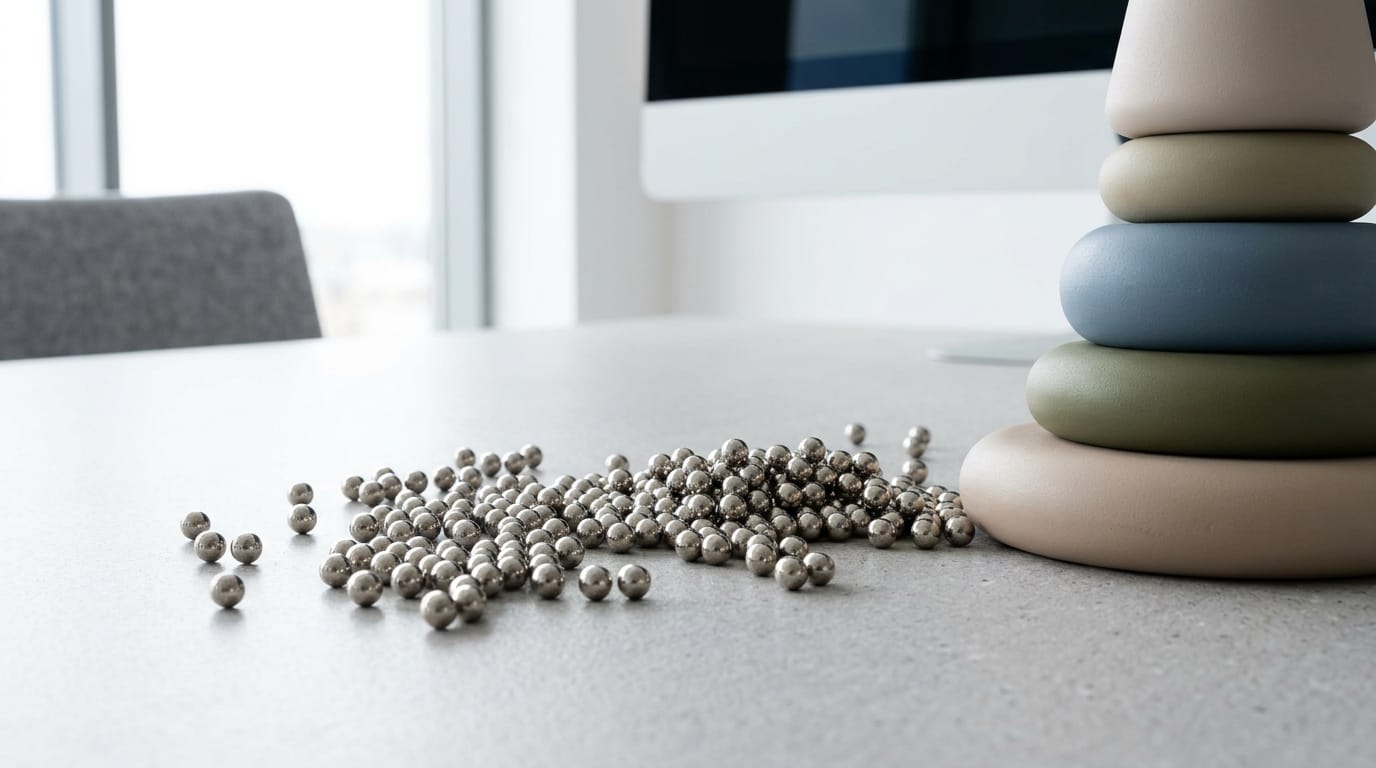
The physical reality of these high-powered magnets presents a duality of risk: mechanical and biological. Experts note, “It’s messy if dropped (picture all those tiny magnetic pebbles rolling about),” a sentiment echoed in Everyday Health’s coverage of sensory tools. Beyond the domestic nuisance of scattered debris, the ingestion of these high-powered magnets by children remains a primary concern for pediatric trauma units. While the industry shifts toward sophisticated ‘Morandi’ aesthetic designs targeting adult demographics, the legacy of breakable, hazardous components continues to haunt the sector.
For those managing residual debris in silicone-based sensory tools, standard safety protocols suggest that 70% or higher isopropyl rubbing alcohol can be used to liquefy silicone putty to facilitate the removal of embedded contaminants, ensuring compliance with cleanliness standards like ASTM F963-23. As North America maintains its 53% share of the sensory market, the industry must reconcile these immediate safety hazards with the impending wave of 2026 AI-integrated, screen-free sensory innovations.
The Putty Problem: Dirt, Debris, and Tough Textures
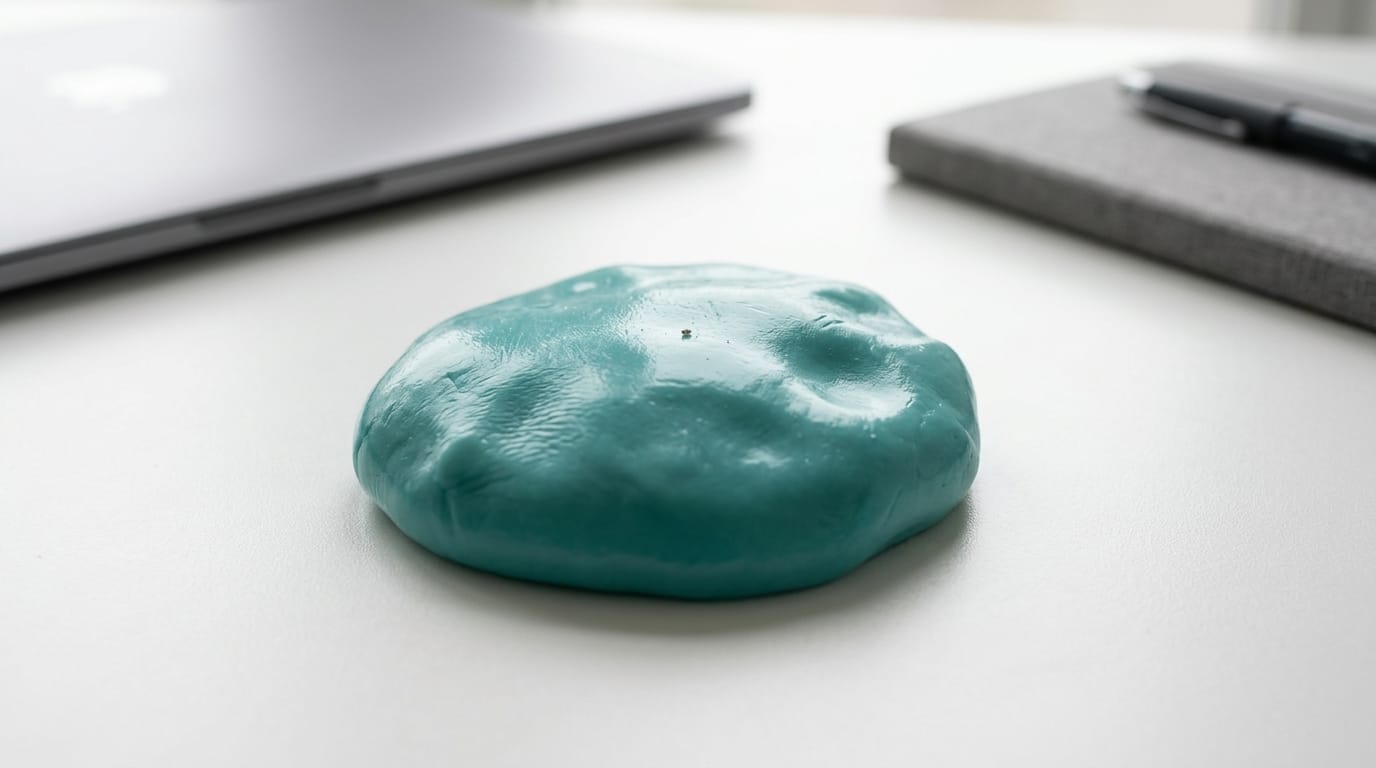
While sensory tools have evolved from the disposable, breakable fidget spinners of the 2017-2018 era into sophisticated wellness aids, the tactile experience remains fundamentally vulnerable to environmental contamination. As the global sensory toys market trajectory aims for USD 6.16 billion by 2035, users are increasingly confronted with the ‘ick factor’ inherent in high-viscosity silicone. These materials, while effective for occupational therapy and corporate wellness programs, act as magnets for office dust, hair, and lint. As noted by experts at Everyday Health, “The putty can get dirty easily, so be mindful to wash your hands and set the putty in clean places.” Maintenance remains a persistent hurdle; while 70% or higher isopropyl rubbing alcohol can liquefy silicone putty to facilitate the removal of embedded debris, the physical effort required to manipulate overly firm variants—especially in an aging workforce—can induce muscle strain.
The industry is currently grappling with a maturation phase defined by both safety and aesthetic shifts. With 42% of manufacturers facing compliance hurdles and strict adherence to ASTM F963-23 section 4.3.6—which governs cleanliness and microbial growth—the market is undergoing a necessary purification. This follows a difficult period marked by the 2026 CPSC recall of GLMZZ Fidget Magnet Ball Toys due to severe ingestion hazards, recalling the earlier 2018 concerns over heavy metal toxicity in magnetic compounds. As North America maintains its 53% market dominance in 2025, the shift toward ‘Morandi’ aesthetic designs for adults signals a move toward discretion. Looking ahead, the integration of digital elements in 39% of 2024 launches and the looming introduction of AI-powered, screen-free devices by 2026 suggest a future where the ‘putty problem’ may eventually be mitigated by smarter, self-cleaning, or non-porous synthetic materials designed for the modern office environment.
Practical Solutions for Clean, Contained Play
As the global sensory toys market approaches a valuation of USD 6.16 billion by 2035, the responsibility for maintenance has shifted from manufacturers to the end-user. With 42% of manufacturers grappling with rigorous material safety and compliance challenges, clinical hygiene is now paramount. Given the 2026 climate—marked by heightened CPSC scrutiny following the recall of GLMZZ Fidget Magnet Ball Toys—users must prioritize containment and sterilization. Adherence to ASTM F963-23 section 4.3.6 is essential for mitigating microbial growth in gels and putties. For common household accidents, such as putty embedded in upholstery, clinical intervention is straightforward: Crazy Aaron’s clinical guidelines suggest that “Using 70% (or greater) Isopropyl Rubbing Alcohol… you should notice the Thinking Putty liquifying and moving away from the fabric.” This method remains the gold standard for maintaining the integrity of these tools.
Proper storage is the second pillar of long-term sensory utility. In an era where 39% of 2024 sensory toys integrate delicate digital elements like vibration or light, environment-controlled storage is no longer optional. To avoid the structural failures seen during the 2017-2018 fidget spinner craze, tools should be housed in airtight, non-reactive containers away from direct sunlight to preserve material properties. As corporate wellness programs increasingly adopt these aids, implementing a standardized cleaning protocol—utilizing alcohol-based sanitizers for non-electronic surfaces and air-tight sequestration for putty-based items—will ensure these tools remain safe and functional for the future generation of AI-powered, screen-free sensory experiences.
Product Innovations: Design Features That Minimize Mess
The sensory toy industry, projected to reach a valuation of $7.95 billion for stress-relief segments by 2030, is experiencing a maturation phase characterized by a deliberate pivot toward user-friendly, high-durability design. Following the volatility of the 2017-2018 fidget spinner era—which exposed systemic flaws in part integrity—and recent regulatory scrutiny such as the March 2026 CPSC recall of GLMZZ magnetic balls, manufacturers are prioritizing material science over novelty. A significant challenge remains, with 42% of producers citing safety and compliance hurdles as barriers to international market expansion. Addressing these concerns, current designs now strictly adhere to ASTM F963-23 section 4.3.6, which mandates rigorous cleanliness standards for gels and putties to mitigate microbial growth.
As North America maintains its position as the market leader with a 53% share, product development is shifting toward aesthetic and functional refinement. “The trend is towards toys that use sophisticated, muted color palettes (like the popular Morandi colors), natural wood finishes, and minimalist designs,” as noted by Startinal Toys. This design philosophy not only appeals to the growing corporate wellness market but also simplifies maintenance; the use of high-grade, non-porous materials prevents the accumulation of debris that previously plagued earlier iterations of silicone-based fidgets. For users managing traditional silicone putty, industry experts note that maintenance has become more predictable, with 70% or higher isopropyl alcohol serving as a standardized method to liquefy and remove embedded contaminants.
Looking ahead, the integration of technology further minimizes the ‘mess’ associated with physical-only sensory play. While 39% of 2024 product launches integrated light or vibration, the next wave of innovation focuses on screen-free, AI-powered haptics. By replacing ephemeral materials that degrade over time with durable, responsive synthetic structures, the industry is successfully addressing the historical objections regarding hygiene and longevity. As the sector moves toward a projected $6.16 billion global valuation by 2035, the emphasis remains on blending therapeutic efficacy with the clean, sophisticated ergonomics required for professional and clinical environments.
Conclusion: Embracing the Sensory Benefits Without the Stress
As we navigate a market landscape projected to reach USD 6.16 billion by 2035, the transition of fidget tools from novelty items to essential cognitive aids is clear. Reflecting on the 2017-2018 fidget spinner craze, it is evident that the category has matured significantly, moving past flimsy, low-quality construction toward sophisticated, adult-oriented ‘Morandi’ aesthetic designs. While the market faces challenges—including a 42% manufacturer struggle with material compliance and recent CPSC recalls like the March 2026 action on GLMZZ magnetic balls—the clinical value remains undisputed. As noted in Made-in-China Insights, “Repetitive, small movements—like clicking, twisting, or spinning—can help regulate the nervous system, reduce anxiety, and improve concentration.”
For the modern professional, Why Keeping Your Hands Busy Helps Calm Your Mind is no longer just a theory; it is a productivity strategy. As the stress toy market pushes toward a $7.95 billion valuation by 2030, users must balance maintenance with utility. Simple upkeep, such as using 70% or higher isopropyl alcohol to remove debris from silicone, ensures longevity while adhering to ASTM F963-23 cleanliness standards. Looking ahead to 2026, the rise of AI-powered, screen-free sensory toys promises a new era of emotionally aware support. By prioritizing high-quality, compliant tools over impulse purchases, we can harness these sensory benefits to foster focus, effectively mitigating the stressors of the modern workspace.
Frequently Asked Questions
Yes, magnetic desk toys present a significant ingestion hazard for children. If multiple magnets are swallowed, they can attract each other through intestinal walls, causing severe perforations, infections, or blockages. Medical professionals strongly advise keeping high-powered magnetic desk toys strictly out of reach of toddlers and young children at all times.
Most commercial putty toys are non-toxic, but they can cause contact dermatitis in sensitive individuals. Certain formulas contain silicone or chemical additives that may irritate the skin. If you notice redness, itching, or rashes after handling putty, wash your hands thoroughly and discontinue use to prevent further allergic skin reactions.
Yes, desk toys can accumulate bacteria, especially in porous putty that traps dust and skin oils. Regular cleaning is essential to prevent the spread of germs. We recommend washing your hands before and after use and sanitizing surfaces regularly to maintain hygiene and reduce the risk of transferring pathogens to your face.
Expert Resources