
ASMR for Your Hands: The Most Satisfying Tactile Toys
By Kevin Lee | 4/27/2026
Introduction: The ASMR Trend for Your Hands
In the landscape of modern wellness, a quiet evolution is occurring at our fingertips. While the past decade was defined by the sudden, frantic popularity of plastic fidget spinners—which first introduced the concept of manual self-regulation to the mainstream—we are now witnessing a sophisticated transition toward what clinicians term ‘tactile ASMR.’ This shift moves beyond mere repetitive motion, focusing on the sensory satisfaction derived from premium materials like titanium and zirconium and the precision of magnetic mechanisms, such as the Stimagz Dubz launched in April 2025.
The economic data underscores this behavioral pivot. The global sensory toys market is currently valued at 2.46 billion USD in 2026, with the broader stress toy market projected to reach 7.95 billion USD by 2030. As noted in the Stress Toy Global Market Report, major companies are prioritizing the development of innovative solutions, with industry leaders stating that firms are “focusing on developing innovative stress-relief solutions such as magnetic fidget mechanisms to enhance mental wellness, focus, and anxiety management.” This professionalization of fidgeting aligns with our internal research on Why Keeping Your Hands Busy Helps Calm Your Mind, confirming that tactile engagement is a critical tool for neuro-regulation.
Looking toward the future, the integration of technology is becoming inseparable from physical tactile tools; indeed, 39% of sensory toys launched in 2024 incorporated digital elements such as haptic feedback. With the market expected to reach 6.16 billion USD by 2035 as these implements become standard fixtures in corporate wellness programs, it is clear that sensory regulation is no longer a niche curiosity, but a foundational component of 2026 mental health maintenance. By Kevin Lee.
Why Tactile Satisfaction Calms the Mind
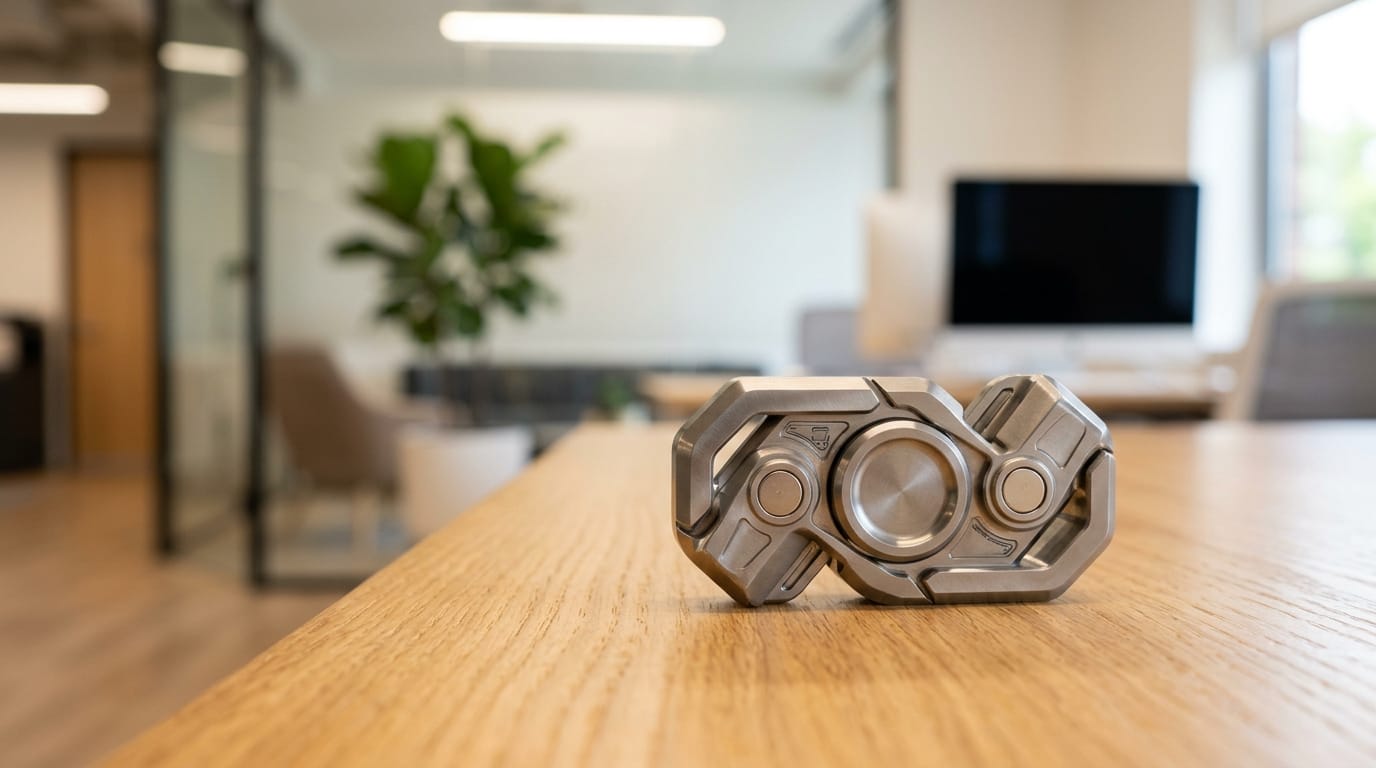
The physiological efficacy of repetitive manual activity lies in its capacity to modulate the autonomic nervous system, moving the body from a sympathetic ‘fight or flight’ state toward a parasympathetic ‘rest and digest’ equilibrium. Following the mainstream emergence of fidget spinners, which first introduced the public to the concept of manual self-regulation, the industry has undergone a sophisticated transformation. Today, manufacturers are pivoting toward ‘tactile ASMR’ by utilizing premium materials such as titanium and zirconium, as seen in the April 2025 launch of Stimagz Dubz, a magnetic fidget mechanism designed explicitly for adult mindfulness. This shift reflects a growing professional recognition of sensory regulation, supported by data showing the global sensory toys market is valued at 2.46 billion USD in 2026, with the broader stress toy market projected to reach 7.95 billion USD by 2030.
The integration of high-fidelity haptic feedback has become a critical feature, with 39% of sensory toys launched in 2024 incorporating digital elements to heighten user engagement. This neurological anchoring is summarized by experts who note, “Repetitive, small movements—like clicking, twisting, or spinning—can help regulate the nervous system, reduce anxiety, and improve concentration.” See source: Made-in-China Insights. As sensory tools increasingly become standard fixtures within corporate wellness programs, the market is poised for continued expansion, expected to reach 6.16 billion USD by 2035 with a CAGR of 11%.
The Mechanics of Satisfaction: Clicks, Pulls, and Resistance
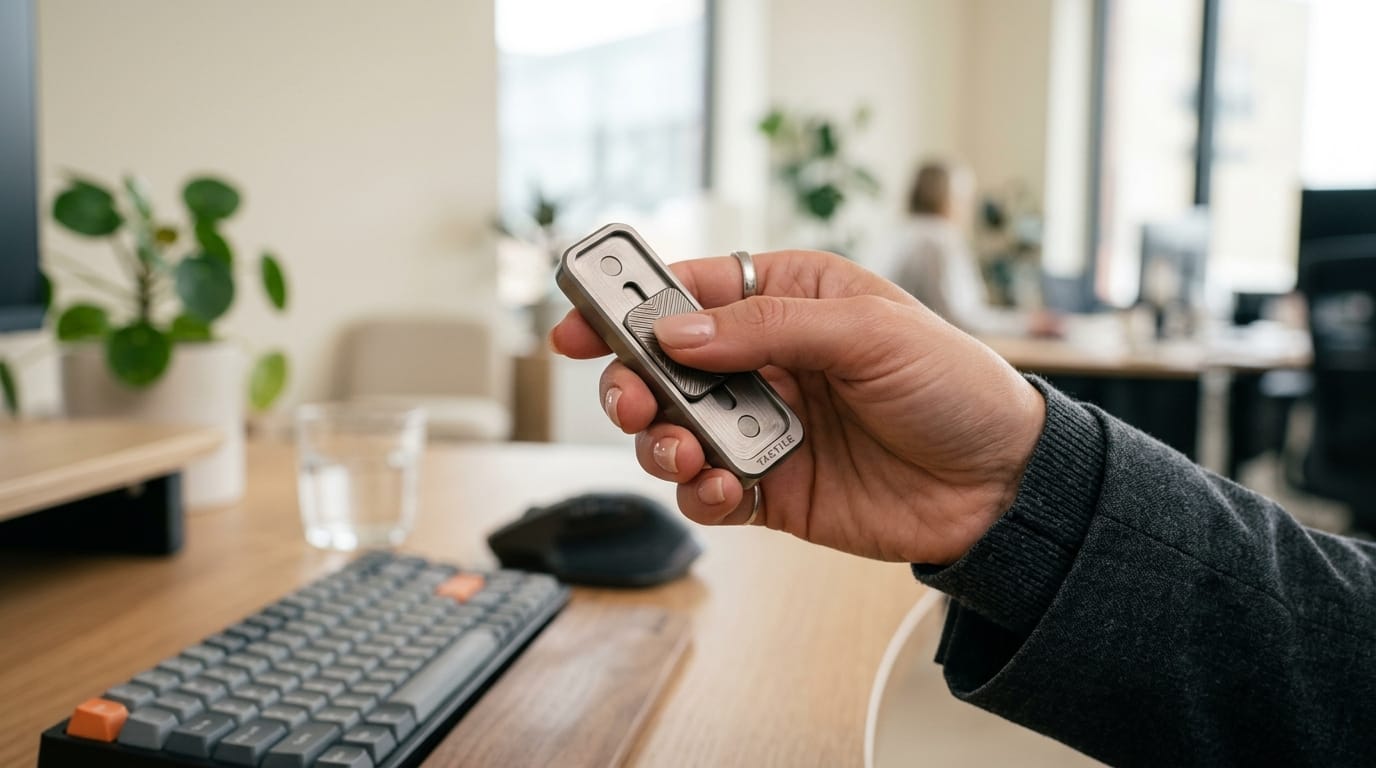
The evolution of manual self-regulation has transitioned from the ephemeral trends of the mid-2010s fidget spinner phenomenon to a sophisticated discipline of tactile engineering. As the global sensory toys market reaches a valuation of 2.46 billion USD in 2026, manufacturers are pivoting toward ‘tactile ASMR,’ moving away from basic rotation toward high-fidelity magnetic mechanisms. These tools, exemplified by the April 2025 launch of the Stimagz Dubz, utilize premium materials like titanium and zirconium to provide precise haptic resistance that mirrors the clinical need for grounding through repetitive motion.
According to The Business Research Company, “Magnetic fidget mechanisms are tactile systems that use interconnected magnets to allow users to manipulate and reconfigure components through repetitive hand movements.” This engineering approach creates a sensory loop that satisfies the neurological demand for predictability and focus. With 39% of 2024’s new sensory releases integrating advanced haptic feedback, these devices are no longer merely novelty items but essential components of contemporary cognitive health.
The growth trajectory for this sector remains robust, with the broader stress toy market projected to reach 7.95 billion USD by 2030. Looking further ahead, the market is expected to reach 6.16 billion USD by 2035 as sensory tools transition from personal desktop accessories to standard features within corporate wellness programs, cementing their role in professional stress mitigation.
Top Tools for Tactile ASMR: Magnetic, Textured, and Kinetic
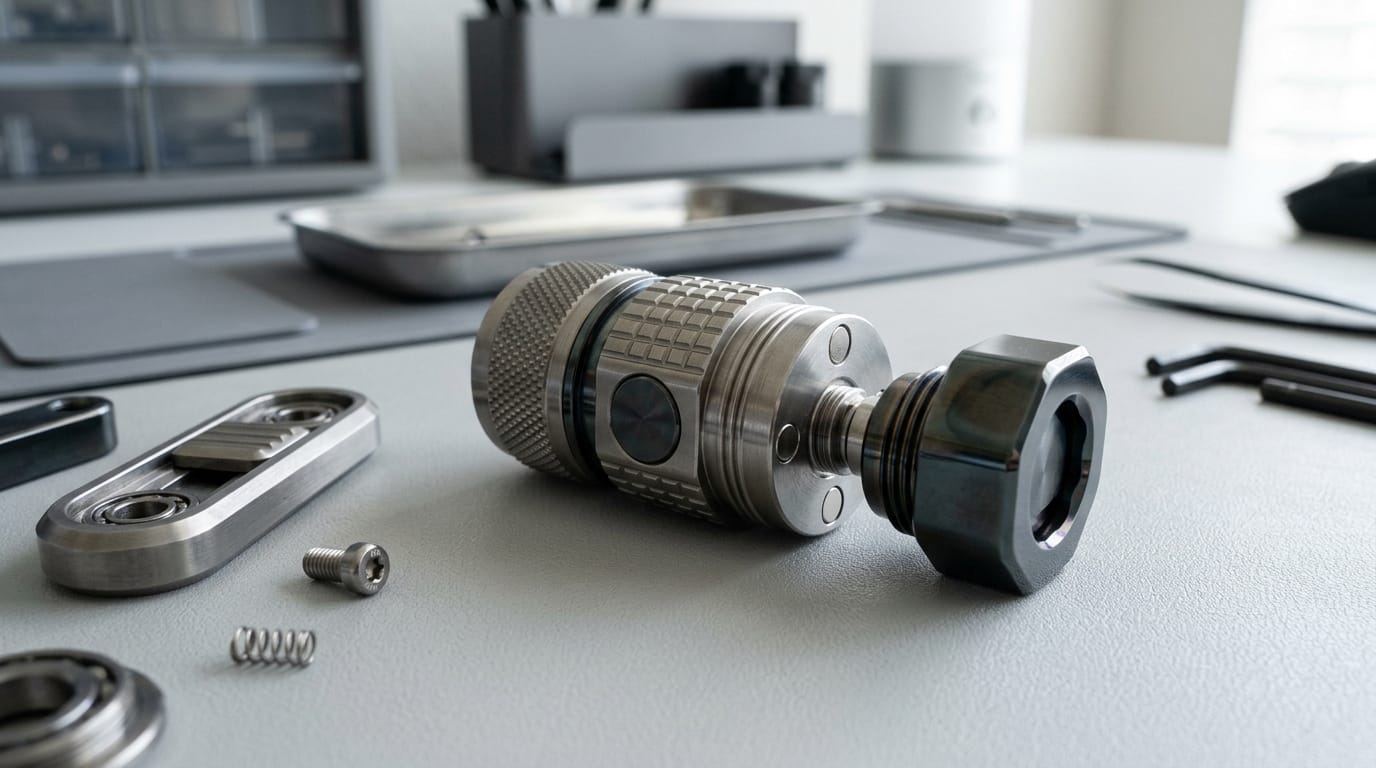
As we navigate the 2026 sensory landscape, the Global Sensory Toys Market has reached a valuation of 2.46 billion USD, signaling a profound shift from the fleeting fads of the past, such as the early fidget spinner craze, toward a focus on long-term cognitive regulation. Modern manufacturers are pivoting toward ‘tactile ASMR,’ utilizing premium materials like titanium and zirconium to provide high-end, durable experiences. Among these innovations, the Stimagz Dubz, launched in April 2025, represents the frontier of magnetic fidget mechanisms specifically engineered to support adult mindfulness. This evolution is mirrored by market projections, with the broader stress toy sector expected to expand to 7.95 billion USD by 2030, eventually reaching 6.16 billion USD for sensory toys specifically by 2035 as these tools integrate into corporate wellness programs.
The tactile experience is increasingly sophisticated, with 39% of 2024 sensory toy launches incorporating digital haptic feedback to bridge the gap between physical touch and neurological response. However, the allure of analog, high-fidelity materials remains paramount. As noted in a review of professional-grade sensory tools, “The Crags Magnetic Putty from Speks offers the typical fun experience of playing with putty but with a slick feel and aesthetically pleasing hue.” This synthesis of aesthetic refinement and kinetic satisfaction is defining the current standard for professional-grade tactile tools designed for focus and regulation.
Integrating Tactile Breaks into a Screen-Heavy Routine
As we navigate the hyper-digital landscape of 2026, the global sensory toys market—valued at 2.46 billion USD—has evolved from the novelty fidget spinners of the past into a sophisticated tool for adult self-regulation. With the market projected to reach 6.16 billion USD by 2035 at a CAGR of 11%, sensory integration is increasingly becoming a standard in professional environments. The transition from intense, screen-heavy work to cognitive rest is often jarring; however, the emergence of premium tools like the Stimagz Dubz, launched in April 2025, offers a bridge between high-pressure output and mindfulness.
The current market shift toward ‘tactile ASMR’ using high-grade materials like titanium and zirconium marks a departure from mass-produced plastic. Notably, 39% of sensory toys launched in 2024 prioritized digital-analog crossovers, such as haptic feedback mechanisms, to engage the nervous system. Experts note that these tools serve as vital anchors in a workspace, as “its compact, portable design occupies minimal desk space, making it an ideal office accessory for boosting both focus and relaxation” according to recent market analysis. As the stress toy market races toward a 7.95 billion USD valuation by 2030, these tactile interventions are not merely distractions, but intentional neurological resets that help mitigate the effects of prolonged screen exposure, effectively delineating the boundaries between the workspace and personal recovery.
Conclusion: Finding Your Personal Sensory Reset
The evolution of sensory regulation has transcended the viral, fleeting nature of the 2017 fidget spinner phenomenon, maturing into a sophisticated component of daily mental hygiene. As explored in our analysis of Why Keeping Your Hands Busy Helps Calm Your Mind, the physiological benefits of manual self-regulation are now supported by a robust industry. With the global sensory toys market valued at 2.46 billion USD in 2026 and projected to reach 6.16 billion USD by 2035, we are witnessing a permanent shift in how adults manage cognitive load.
Modern manufacturers are prioritizing “tactile ASMR” and premium aesthetics. According to Startinal Toys, “The trend is towards toys that use sophisticated, muted color palettes (like the popular Morandi colors), natural wood finishes, and minimalist designs.” This departure from neon, juvenile plastics is evident in products like the Stimagz Dubz, a magnetic fidget mechanism launched in April 2025 specifically designed to facilitate adult mindfulness. This aesthetic refinement is accompanied by technological integration, with 39% of 2024’s new market entries incorporating digital elements such as haptic feedback to deepen the sensory experience.
As these tools increasingly become standard features in corporate wellness programs, the economic impact is clear; the stress toy market alone is projected to balloon to 7.95 billion USD by 2030. For the professional navigating a high-velocity work environment, the search for a personal sensory reset is no longer an eccentric habit but a clinical necessity. By adopting high-quality, discreet sensory instruments, we reclaim agency over our internal states, ensuring that our focus remains sharp even as the world around us accelerates.