
Why Do I Always Need Something in My Hands?
By Kevin Lee | 4/24/2026
Introduction: The Universal Urge to Fidget
If you find yourself rhythmically clicking a pen during a high-stakes board meeting or subconsciously kneading a textured stone while navigating a stressful email, you are far from alone. Once unfairly maligned as a mere distraction—a stigma famously attached to the meteoric rise of early fidget spinners—the act of tactile engagement has undergone a clinical metamorphosis. Today, what was once dismissed as a nervous tick is increasingly recognized as a sophisticated mechanism for neuro-regulation. As explored in our deep dive, Why Keeping Your Hands Busy Helps Calm Your Mind, this universal urge is not a personal failure, but a functional response to the sensory-rich demands of modern life.
The data underscores this shift in perception: recent research indicates that 45-48 percent of U.S. adults now utilize fidget-type tools like stress balls or weighted objects to mitigate stress or sharpen concentration. This widespread adoption is driving a booming industry, with the global sensory toys market projected to reach 6.16 billion USD by 2035 at an 11 percent CAGR. Currently, North America dominates this sector with a 53 percent market share, fueled by a transition from rudimentary playthings to expertly crafted wellness tools.
The evolution of these devices is accelerating rapidly. In 2024, 39 percent of new sensory products integrated advanced digital elements such as responsive light, sound, or precision haptic feedback. This movement toward “smart” tools is only the beginning; the future of the field promises the integration of AI-driven haptic protocols designed to promote mindfulness without the need for screens. For those seeking tangible relief, evidence-based habit-replacement training utilizing these tactile tools has already demonstrated a 53 percent success rate in clinical settings over six weeks. As we move further into 2026, it is clear that fidgeting is no longer a disruption to be managed, but a vital tool to be harnessed.
The Science of Hand-Play: How It Anchors the Brain
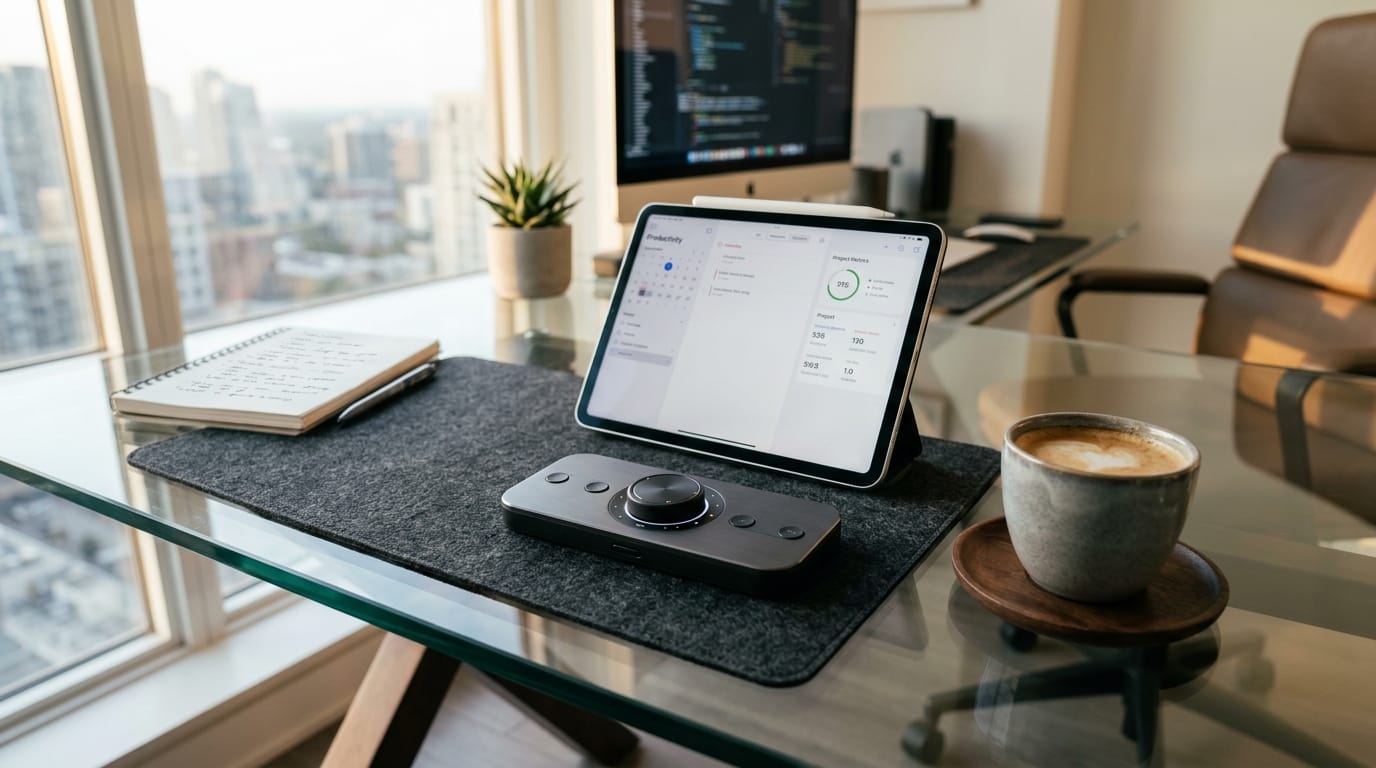
The evolution of sensory engagement has shifted significantly since the early, stigmatized emergence of the fidget spinner. As we transition into 2026, the marketplace has matured from simple novelty toys to expertly crafted neurological tools, with North America leading the charge at a 53 percent global market share. This growth, projected to hit 6.16 billion USD by 2035 with an 11 percent CAGR, reflects a fundamental change in how we perceive cognitive maintenance. Recent clinical surveys indicate that 45-48 percent of U.S. adults now utilize fidget tools to manage stress or sharpen focus, validating the transition of these devices into professional wellness suites.
At the core of this behavior lies a neurological phenomenon known as ‘anchoring.’ Recent neuroscience research from 2024-2025 indicates that spontaneous hand movements such as fidgeting can enhance sustained attention by modulating activity in the prefrontal cortex and suppressing the default-mode network (DMN). By keeping the hands occupied, these tools prevent the DMN—the brain’s ‘autopilot’—from drifting into ruminative thought patterns, thereby tethering the user to the present moment. This mechanism is so potent that habit-replacement training utilizing tactile tools has achieved a 53 percent success rate in clinical studies over six-week periods.
As the industry moves toward the future, we are witnessing a synthesis of traditional mechanics and sophisticated technology. In 2024, 39 percent of new sensory tools integrated digital elements such as light, sound, or haptic vibration. Looking ahead, the integration of artificial intelligence into screen-free devices promises to further stabilize emotional regulation, marking a departure from reactive distraction toward proactive cognitive anchoring.

From Nervous Habit to Helpful Tool: The Substitution Effect
The evolution of the fidget device from a stigmatized classroom distraction to a clinically validated instrument of emotional regulation reflects a broader shift in how we approach neurodivergence and stress management. As noted by industry experts, “Studies show that the act of fidgeting can channel nervous energy, substitute for less desirable habits, and offer a calming sensory experience,” according to 2026 market intelligence. This mechanism of substitution—replacing destructive behaviors like skin-picking or nail-biting with tactile alternatives—has demonstrated significant efficacy, with habit-replacement training utilizing these tools achieving a 53 percent success rate over a six-week clinical period.
This maturation from novelty toy to wellness tool is reflected in the market, which is projected to reach 6.16 billion USD by 2035 at an 11 percent CAGR. North America currently dominates this landscape with a 53 percent market share, fueled by adoption in corporate and therapeutic environments. The integration of technology is further refining these tools, with 39 percent of 2024 product launches incorporating digital elements such as rhythmic vibration or haptic feedback to ground the user. As 45-48 percent of U.S. adults now utilize these tools for focus or stress, the focus has shifted toward screen-free, AI-assisted interfaces that prioritize long-term mindfulness over simple mechanical distraction.
Modern Fidget Tools: Discreet, Adult-Friendly Options
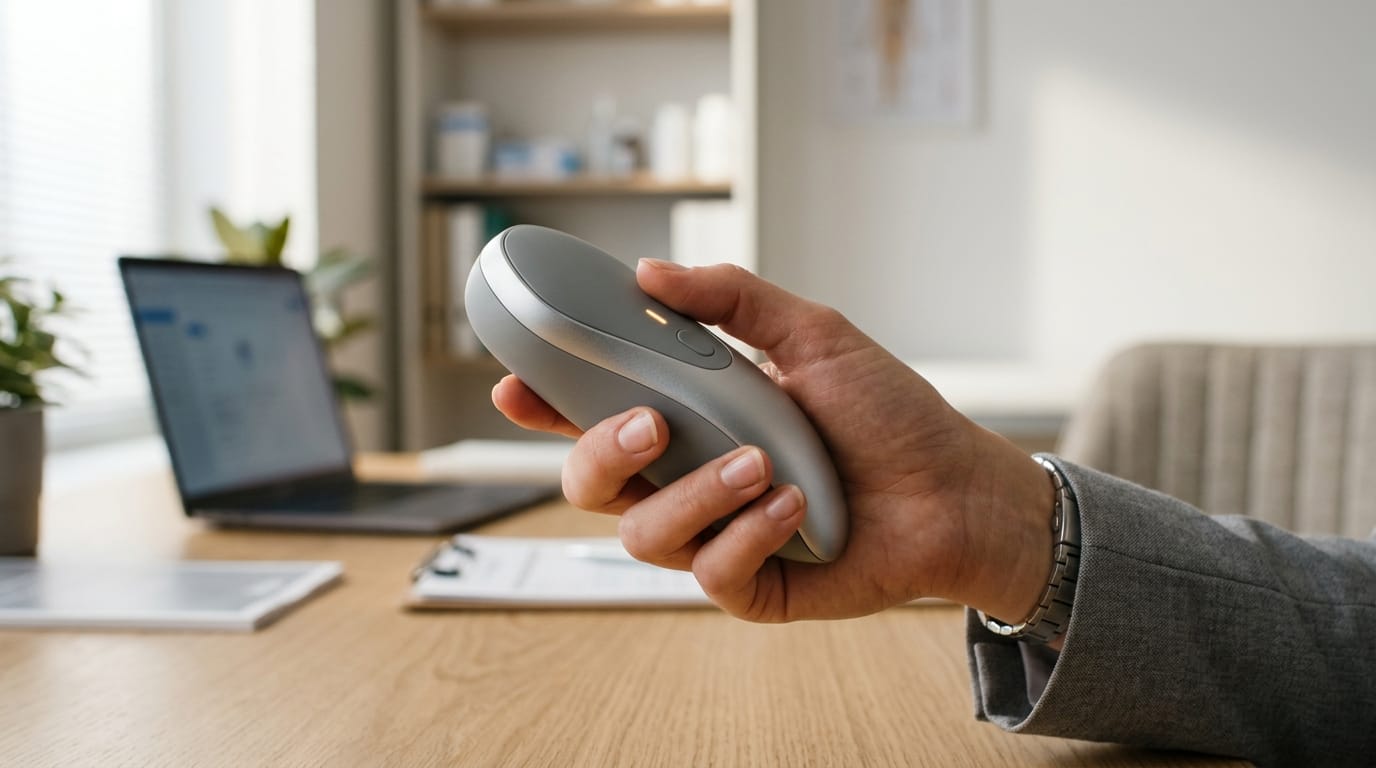
The evolution of sensory regulation tools has undergone a profound metamorphosis. Once characterized by the ephemeral, stigmatized craze of mass-market fidget spinners, the landscape has matured into a sector defined by artisanal precision and therapeutic intent. By 2026, 45-48 percent of U.S. adults have adopted these tactile instruments to manage stress or sharpen cognitive focus, signaling a shift that places North America at the forefront of the market with a 53 percent global share. This professionalization of sensory support is reflected in the global market’s trajectory, which is projected to reach 6.16 billion USD by 2035 at an 11 percent CAGR.
As clinical evidence confirms that habit-replacement training utilizing these tools achieves a 53 percent success rate over a six-week intervention, the aesthetic demands of the corporate workforce have shifted accordingly. Industry design leads note that “The trend is towards toys that use sophisticated, muted color palettes (like the popular Morandi colors), natural wood finishes, and minimalist designs,” as highlighted by Startinal Sensory Toy Trends. This design philosophy enables seamless integration into high-stakes professional environments where traditional ‘toys’ were once discouraged.
The next frontier involves the hybridization of tactile mechanics and ambient technology. With 39 percent of 2024’s sensory product launches integrating digital elements such as subtle vibration or rhythmic sound, we are witnessing the emergence of ‘expertly crafted tools’ that function as sophisticated extensions of the user’s wellness regimen. Future iterations promise even deeper integration of AI-driven haptic feedback, moving beyond simple stress relief to offer screen-free pathways for emotional regulation and sustained mental clarity.
Integrating Hand-Play into Daily Routines for Focus and Calm
The integration of tactile tools into professional environments represents a significant evolution in workplace wellness, moving beyond the fleeting fads of the past. While early sensory tools like fidget spinners were once stigmatized as mere distractions, the market has matured into a sector characterized by expertly crafted instruments designed for adult neuro-regulation. Current industry analysis reflects this shift, as major trends in the forecast period include rising adoption of stress toys in corporate wellness programs. This paradigm shift is supported by data indicating that 45-48 percent of U.S. adults now utilize fidget tools to enhance focus or manage stress during high-pressure tasks.
The efficacy of these implements is grounded in clinical evidence; habit-replacement training using tactile devices has demonstrated a 53 percent success rate over a six-week period. As North America continues to lead the market with a 53 percent share—driven largely by therapeutic and educational demand—the global sensory toys market is projected to reach 6.16 billion USD by 2035, growing at an 11 percent CAGR. Innovation remains a primary driver, with 39 percent of 2024 product launches integrating sophisticated digital elements such as haptic vibration or light-based feedback. Looking forward, we anticipate a fusion of AI and sensory hardware that will provide real-time, screen-free emotional regulation, solidifying the role of hand-play as a cornerstone of modern corporate health strategies.
Conclusion: Embracing the Need as a Natural Self-Regulation Strategy
As we look toward 2035, with the global sensory market projected to reach 6.16 billion USD at an 11 percent CAGR, it is clear that the stigma once associated with fidgeting is effectively dissolving. What began as a transitory craze with early fidget spinners has matured into a sophisticated landscape where 45-48 percent of U.S. adults now utilize tactile tools for cognitive optimization. This shift reflects a deeper understanding of our neurological needs; as noted by industry experts, “Repetitive, small movements—like clicking, twisting, or spinning—can help regulate the nervous system, reduce anxiety, and improve concentration.”
The integration of technology is further refining this practice, with 39 percent of new tools incorporating digital haptic or auditory feedback. In North America, which maintains a 53 percent market share, these devices are increasingly recognized as legitimate assets in therapeutic and corporate environments. By leveraging Why Keeping Your Hands Busy Helps Calm Your Mind, individuals can employ habit-replacement training, which has demonstrated a 53 percent success rate in clinical studies. Moving forward, the fusion of AI-driven haptic feedback and ergonomic design will ensure that self-regulation remains an accessible, discreet, and highly effective form of daily self-care. Finding the right tool for your cognitive needs is not a sign of distraction; it is a deliberate, empowered act of neurological maintenance.