
Swapping Bad Habits for Tactile Fidget Tools
By Kevin Lee | 4/23/2026
Introduction: The Unconscious Habit Loop
Fidgeting is rarely the idle distraction it was once perceived to be; rather, it serves as a sophisticated, innate mechanism for neurological self-regulation. Since the initial mainstream fascination with fidget spinners, our societal understanding of these implements has matured significantly, shifting from mere playthings to specialized therapeutic instruments designed for habit-reversal and anxiety management. As noted by experts, “Studies show that the act of fidgeting can channel nervous energy, substitute for less desirable habits, and offer a calming sensory experience” as highlighted by recent industry analysis. Understanding this mechanism is vital, and you can learn more about the underlying cognitive benefits in our guide: Why Keeping Your Hands Busy Helps Calm Your Mind.
The efficacy of this transition is supported by compelling 2026 data, which reveals that 71% of adults reported a 50% reduction in destructive habits after just eight weeks of utilizing fidget tools. This shift in behavior is driving a burgeoning industry; the global sensory toys market is projected to reach USD 6.16 billion by 2035 with a CAGR of 11%, a growth trajectory currently led by North America with a 53% market share. Today, 67% of parents and therapists actively endorse these tools to support specific developmental and sensory needs. Innovation is keeping pace with this demand, as 39% of sensory toys launched in 2024 now integrate digital elements like light or vibration, with future trends pointing toward AI-powered, screen-free mindfulness tools that provide a more structured approach to self-regulation.
Why We Fidget: The Science of Nervous Energy
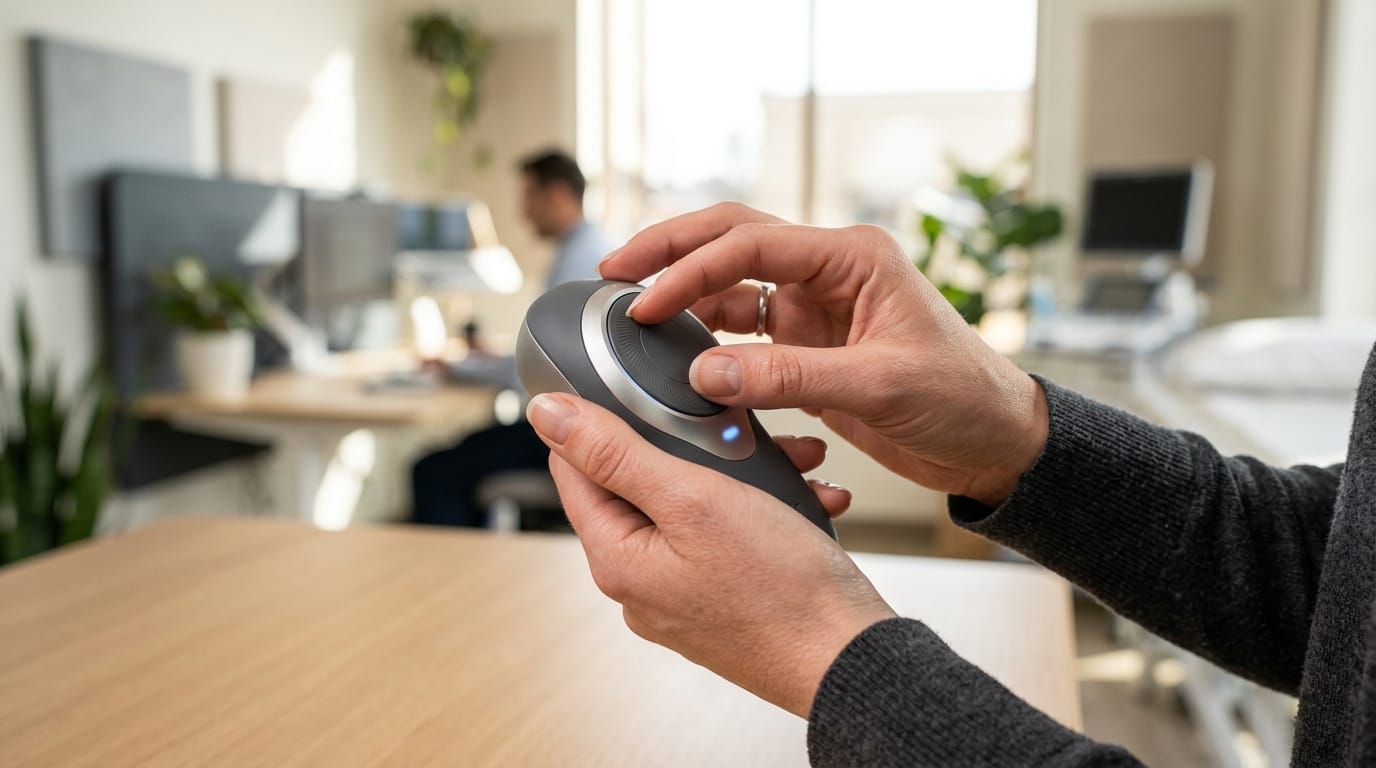
For years, repetitive motion was dismissed as a marker of restlessness, a concept thrust into the mainstream with the meteoric, if often misunderstood, rise of fidget spinners. Once viewed merely as a classroom distraction, these devices have catalyzed a shift in our understanding of sensory regulation. We are now witnessing a maturation of the market, evolving from general play toward specialized therapeutic tools designed for discrete habit-reversal and anxiety management. North America currently leads this expansion, commanding a 53% share of the sensory toy market, a dominance fueled by an increasing demand for evidence-based educational and therapeutic interventions.
The neurological utility of these tools is increasingly supported by behavioral data. According to research from Dataintelo, 71% of surveyed adults reported a meaningful reduction—at least a 50% drop—in unwanted habits after just eight weeks of consistent fidget tool use. This efficacy explains why 67% of parents and therapists now advocate for sensory toys to support developmental needs, moving away from stigmatization and toward functional integration. As we look to the future, innovation is accelerating; 39% of sensory products launched in 2024 have already begun integrating digital elements like haptic vibration or light, signaling a move toward hybrid models. With the global sensory toy market projected to hit USD 6.16 billion by 2035 at an 11% CAGR, the next frontier appears to be the development of screen-free, AI-powered mindfulness tools, bridging the gap between tactile engagement and cognitive grounding.
Mapping Bad Habits to Benign Replacements
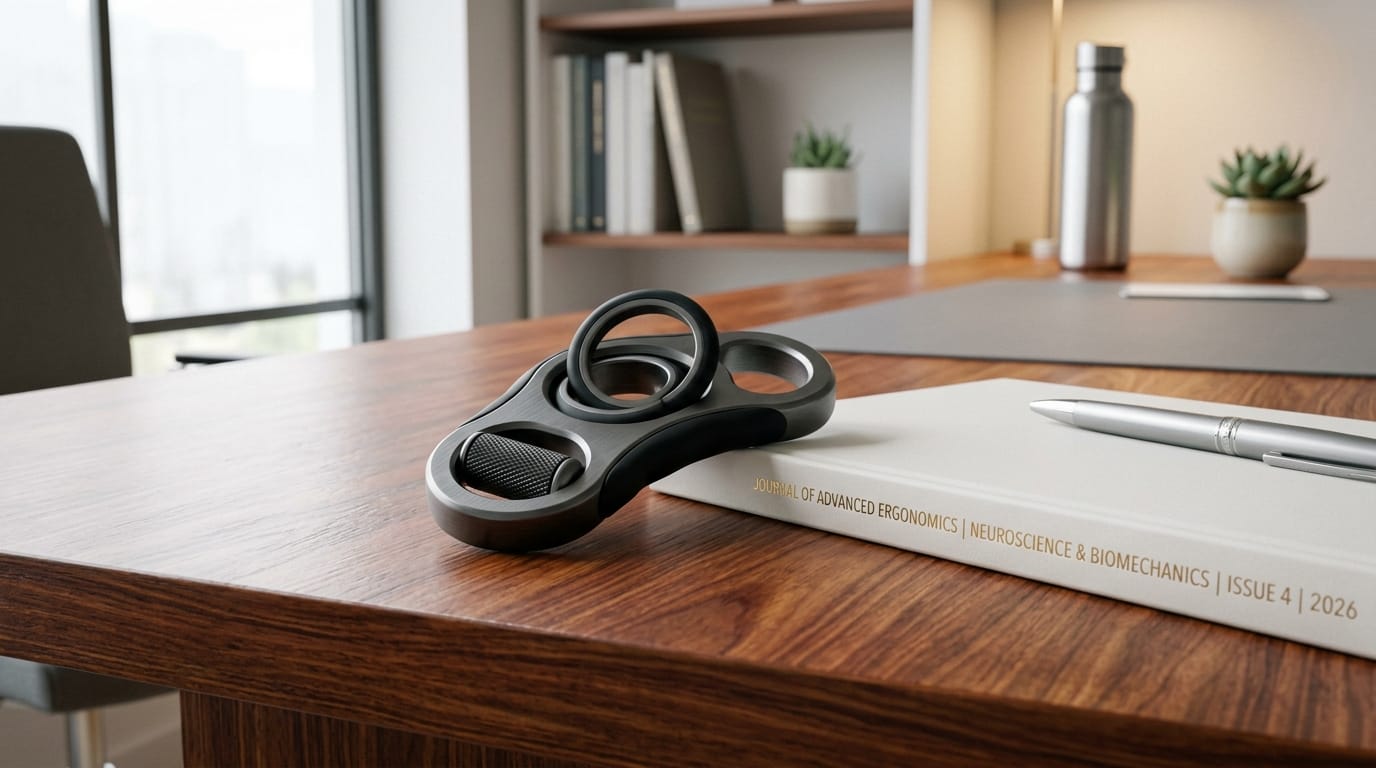
The evolution of sensory regulation has shifted significantly since the era when fidget spinners were dismissed as mere distractions; today, the market is maturing from general play to specialized tools designed for habit-reversal and anxiety management. With the global sensory toys market projected to reach USD 6.16 billion by 2035 at a CAGR of 11%, the therapeutic utility of these devices is now backed by clinical sentiment, as 67% of parents and therapists advocate for their use to support sensory needs. For adults attempting to mitigate repetitive behaviors, evidence is promising: a 2026 survey found that 71% of participants reported a 50% reduction in undesirable habits after just eight weeks of consistent fidget tool usage.
To replace a habit effectively, one must match the sensory input of the behavior with a benign alternative. For those seeking tactile resistance—such as those looking to replace nail-biting—Everyday Health notes that the Crags Magnetic Putty from Speks offers a sophisticated experience that combines a slick, satisfying feel with an aesthetically pleasing design. Innovation continues to accelerate in this space, with 39% of new 2024 releases integrating digital elements like haptic vibration or responsive light, a trend particularly prevalent in North America, which currently commands a 53% share of the global market. As we look toward the future, the industry is pivoting toward hybrid models that fuse multiple sensory inputs with AI-powered, screen-free mindfulness technology, providing users with a personalized framework for long-term behavioral regulation.
Choosing Your Tool: Key Features for Effective Substitution
The evolution of sensory intervention has matured significantly since the initial, chaotic surge of plastic fidget spinners, which were once dismissed as mere classroom distractions. Today, the sector is professionalizing, moving away from the ‘toy’ stigma toward high-utility therapeutic equipment. As the global sensory market trends toward a projected valuation of USD 6.16 billion by 2035 with a CAGR of 11%, the demand for durability and aesthetic integration has become paramount. Data from 2026 suggests this shift is effective, with 71% of adults reporting a 50% reduction in detrimental habit loops after eight weeks of consistent use of high-quality tools.
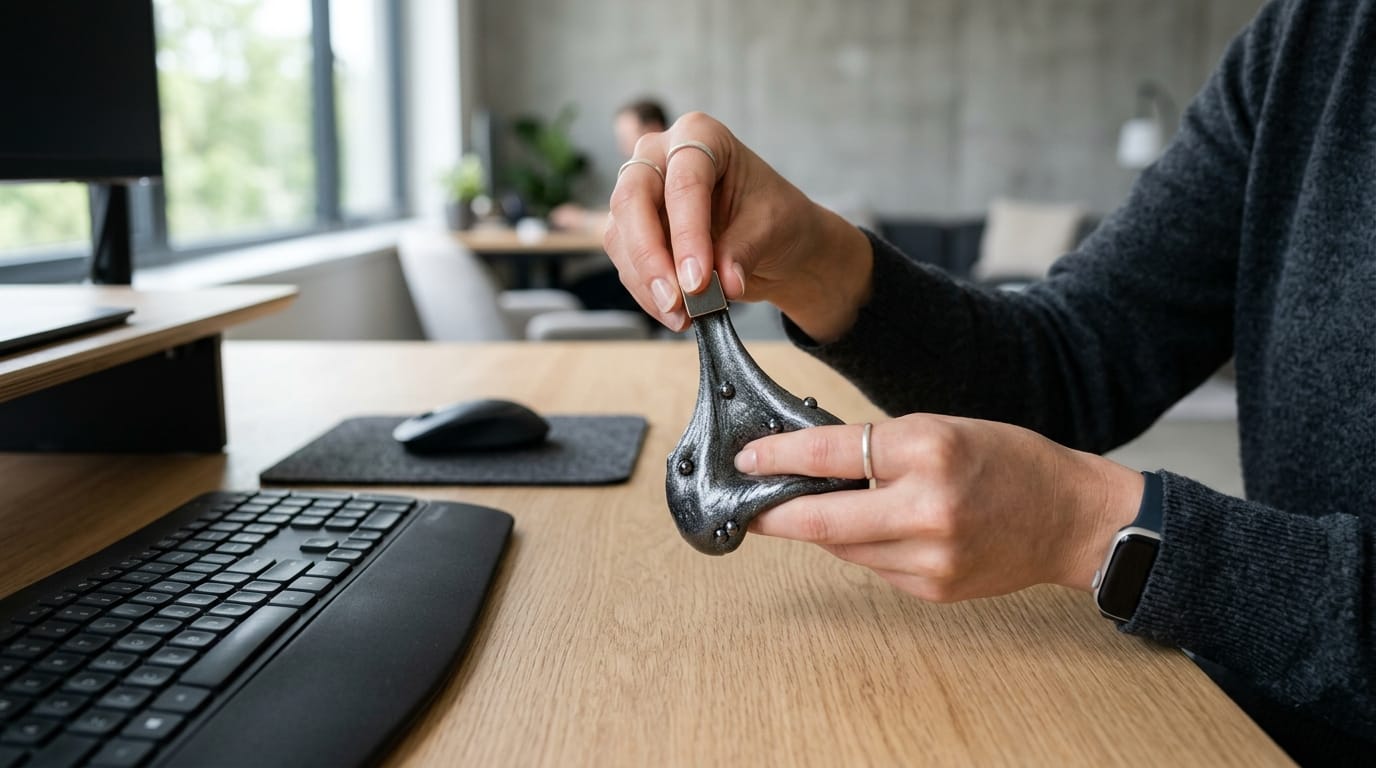
This maturation is driven by clinical and educational adoption, where 67% of therapists and parents now prioritize specialized sensory implements to address specific developmental and regulatory needs. North America currently leads this expansion with a 53% market share, underscoring a regional commitment to evidence-based therapeutic support. As noted by industry experts, the trend is towards toys that use sophisticated, muted color palettes (like the popular Morandi colors), natural wood finishes, and minimalist designs. This movement away from garish, high-stimulation plastics toward tactile, professional-grade materials allows users to integrate these tools into office or clinical environments without compromising their professional persona.
While 39% of 2024 product launches experimented with digital integrations—such as haptic vibration or LED feedback—the future landscape is clearly pivoting toward hybrid models that emphasize screen-free mindfulness. By prioritizing sensory tools that utilize wood, weighted metals, or magnets, users are discovering that the tactile experience of a tool is as critical as its function in habit-reversal and anxiety management.
Real-World Success Stories and Tips
The evolution of sensory tools from mere classroom distractions during the fidget spinner era to sophisticated, specialized therapeutic instruments is a defining narrative of the mid-2020s. With the global sensory toys market projected to reach USD 6.16 billion by 2035 at a CAGR of 11%, these devices are now being leveraged for precise therapeutic outcomes rather than general play. Current data reflects this maturation, as 67% of parents and therapists now advocate for sensory toys to support developmental needs, while North America continues to lead the sector with a 53% market share.
Occupational therapists are increasingly integrating these tools into evidence-based protocols, particularly for self-regulation and habit management. As noted by experts at Balance Chiro and Rehab, “Occupational therapists often suggest using a discreet, tactile fidget tool as the competing response in habit-reversal training for adults who want to replace repetitive body-focused habits.” This guidance aligns with impressive patient outcomes: a 2026 survey found that 71% of adults achieved a 50% reduction in unwanted habits after just eight weeks of consistent fidget tool utilization.
As we look toward the future, the industry is pivoting toward innovation, evidenced by the 39% of 2024 product launches that integrated digital elements like haptic vibration or dynamic light patterns. This transition toward hybrid, screen-free mindfulness tools ensures that sensory support remains both accessible and effective. For those beginning their journey, therapists recommend starting with discreet, multi-textured tools that can be easily integrated into professional or academic settings without disrupting daily flow, effectively bridging the gap between clinical intervention and sustainable, long-term success.
Conclusion: Building a Better Habit
The journey from the early days of novelty fidget spinners—once dismissed as fleeting distractions—to today’s sophisticated landscape of specialized sensory instruments marks a pivotal shift in behavioral health. We are no longer merely playing; we are engaging in intentional self-regulation. As North America maintains its 53% lead in the global sensory toy market, the transition from general play to targeted habit-reversal and anxiety management has become undeniable. With the market projected to reach USD 6.16 billion by 2035 at an 11% CAGR, it is clear that sensory tools are becoming a cornerstone of modern self-care.
Data from 2026 underscores the efficacy of this shift, with 71% of surveyed adults noting a 50% reduction in negative habits after eight weeks of consistent tool usage. Furthermore, 67% of parents and therapists now advocate for these implements to support developmental and sensory needs. As we explore Why Keeping Your Hands Busy Helps Calm Your Mind, we see that the integration of digital, screen-free elements—found in 39% of new 2024 launches—paves the way for the future of hybrid, AI-powered mindfulness.
As noted in the ToyTooth 2026 Industry Report, “Creative mindfulness toys foster emotional wellness through hands-on artistic activities that encourage relaxation and self-expression.” By embracing these tools as a form of mindfulness rather than a crutch, we empower ourselves to manage emotional triggers with grace. As we look toward a future of increasingly personalized sensory interventions, the commitment to building better, healthier habits remains a profound act of self-preservation. – Kevin Lee