
Screen-Free Relaxation: Winding Down with Your Hands
By Kevin Lee | 4/24/2026
Introduction: The Need for a Screen-Free Wind-Down
In an era defined by perpetual digital connectivity, the human nervous system is increasingly taxed by information overload, leading to what clinicians now classify as pervasive digital fatigue. As we look toward the future of neuro-wellness, the transition from screen-based leisure to tactile, physical engagement has become a clinical priority. While sensory tools were historically confined to pediatric applications—specifically for neurodivergent populations—the market is rapidly maturing into a multi-billion dollar cornerstone of adult wellness. As noted by Business Research Insights, the Global Sensory Toys Market is currently valued at 2.46 billion USD in 2026, with projections indicating growth to 6.16 billion USD by 2035 at a robust CAGR of 11%.
This shift is underscored by a profound physiological reality: tactile input effectively facilitates the release of dopamine, while proprioceptive input aids in the regulation of serotonin, providing a biological bridge to calmness. Modern adults are increasingly rejecting the 39% of sensory devices that rely on digital lights or vibrations in favor of high-quality, aesthetic, and entirely screen-free alternatives. This movement toward a digital detox reflects a broader market trajectory, where the stress toy sector alone is forecasted to reach 7.95 billion USD by 2030. To understand the mechanism behind this shift, readers can explore Why Keeping Your Hands Busy Helps Calm Your Mind.
While North America currently commands a 53% market share driven by educational and therapeutic demand, the evolution of the industry is clear. From the early, niche phenomenon of the fidget spinner to the present focus on sophisticated, haptic-rich wellness tools, we are witnessing the mainstreaming of sensory regulation. With 67% of parents and therapists alike now championing these tools for developmental support, it is evident that the future of stress management lies in these tactile, screen-free interventions as they continue to integrate advanced haptic feedback into our daily rituals. — Kevin Lee

The Science of Tactile Relaxation: How Hands-On Play Calms the Mind
Beyond the simple novelty of the fidget spinners that once dominated the mainstream, today’s sensory market reflects a sophisticated understanding of neurobiology. As the global sensory toys market—valued at 2.46 billion USD in 2026—expands toward a projected 6.16 billion USD by 2035, the clinical focus has shifted from treating pediatric developmental needs to promoting adult wellness. This transition is underpinned by a distinct physiological mechanism: tactile input triggers the release of dopamine, while proprioceptive input facilitates the secretion of serotonin, two neurotransmitters essential for mood stabilization.
The biological imperative for these tools is rooted in the body’s autonomic nervous system. As noted by Bright Transitions Therapy, “Tactile stimulation helps regulate the vagus nerve, a key component of the body’s stress response system, allowing the body to transition from fight-or-flight mode to rest-and-digest mode.” By engaging the vagus nerve through repetitive, rhythmic physical engagement, the body effectively shifts from a sympathetic, stress-activated state to a parasympathetic, restorative state. This is particularly relevant as the stress toy market alone is expected to reach 7.95 billion USD by 2030, driven by a growing adult demographic seeking a reprieve from hyper-connected digital lives.
While 39% of 2024 launches incorporated digital features, the maturing market is currently prioritizing high-quality materials and screen-free sensory tools to combat digital fatigue. With 67% of parents and therapists now advocating for these devices, and North America capturing a 53% market share, it is clear that what began as a niche therapeutic intervention has evolved into a staple of modern mental health maintenance.
Building Your Evening Ritual: Types of Toys for Different Sensory Preferences
As the global sensory toy market reaches a valuation of 2.46 billion USD in 2026, the paradigm of stress management is shifting from clinical necessity to sophisticated domestic wellness. With a projected CAGR of 11% through 2035, the industry has evolved far beyond its origins as a niche tool for developmental support; it is now a cornerstone of adult cognitive regulation. Tactile stimulation remains a primary mechanism for dopamine release, while proprioceptive input—the sense of joint and muscle movement—effectively triggers serotonin production, making these tools essential for decompressing after high-cognitive-load days.
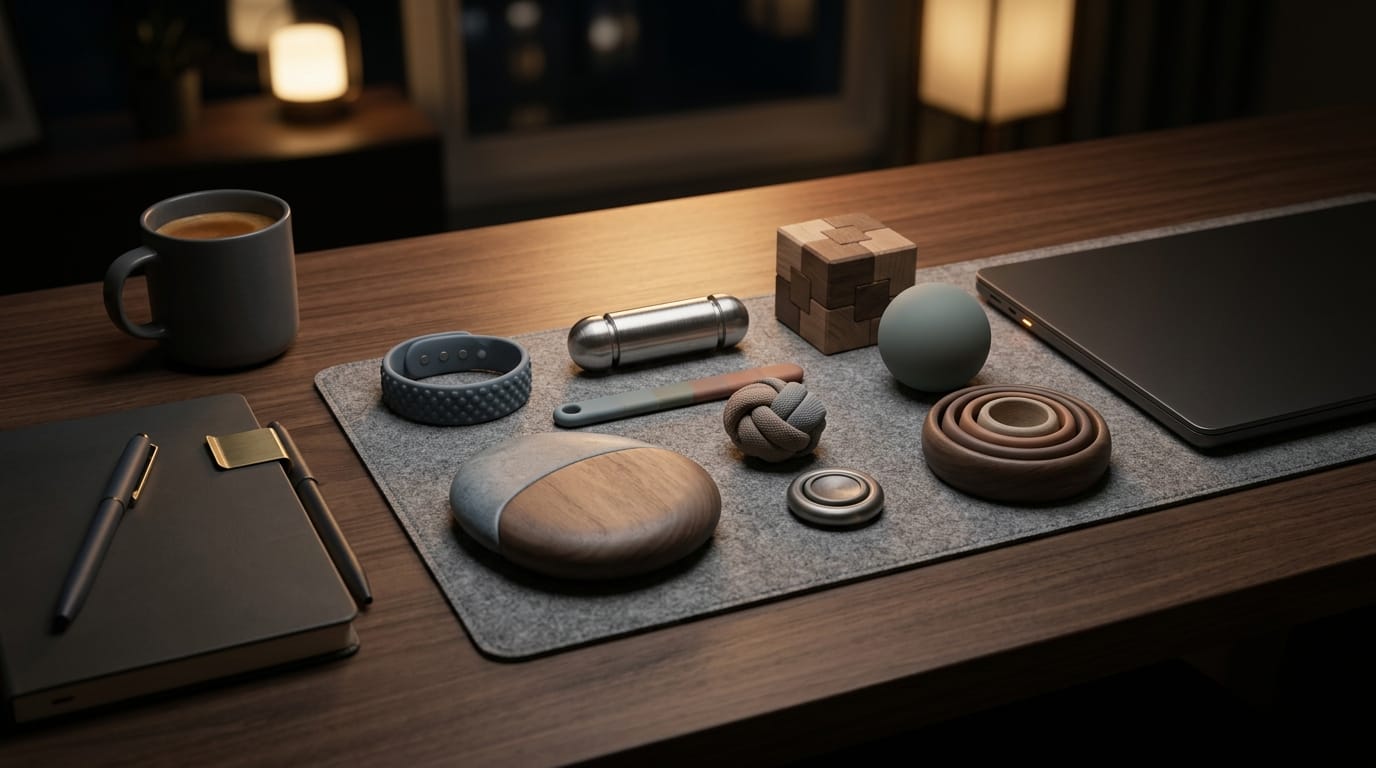
The modern aesthetic of the ‘digital detox’ toolkit favors integration into high-end living spaces. As noted by Startinal Toys, “The trend is towards toys that use sophisticated, muted color palettes (like the popular Morandi colors), natural wood finishes, and minimalist designs.” This movement away from the neon-colored plastic fidget spinners of the past allows these therapeutic devices to blend seamlessly into modern decor.
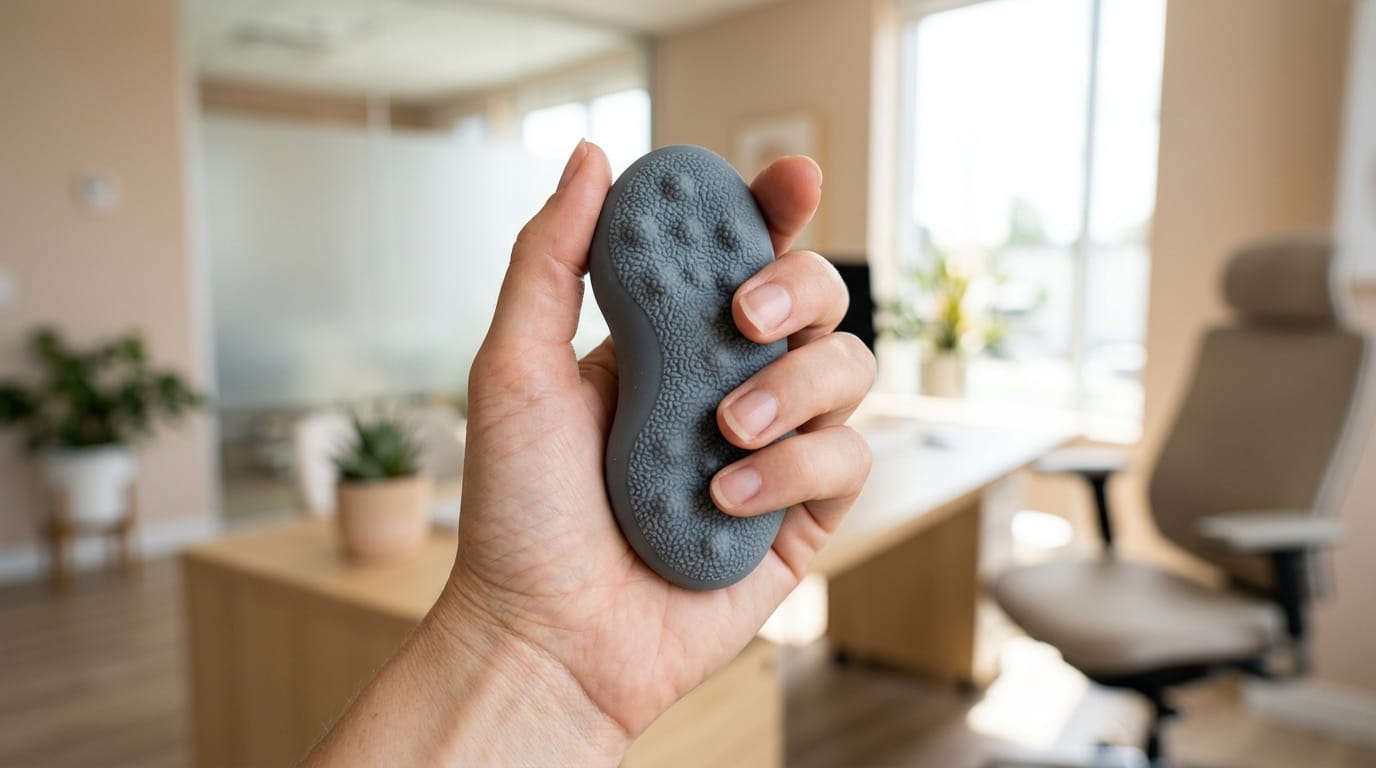
Categorization is critical when selecting tools for your evening ritual. For those seeking tactile grounding, high-density silicone or natural wood surfaces offer consistent feedback, while proprioceptive tools—such as weighted compression objects or high-tension resistance loops—address the nervous system’s need for deep pressure. With 39% of 2024’s new market entries incorporating haptic vibration or ambient sound, the current selection offers a refined, multi-sensory experience that prioritizes mental clarity over mere distraction, catering to an adult demographic that increasingly views sensory regulation as a prerequisite for restorative sleep.
Real-Life Scenarios: From Post-Work Decompression to Pre-Sleep Routines
As we navigate a wellness landscape where the global sensory toys market is valued at 2.46 billion USD in 2026, the transition from therapeutic utility for children to a cornerstone of adult mental hygiene is complete. Where once fidget spinners were dismissed as fleeting novelties, modern tools now leverage sophisticated tactile and proprioceptive inputs to modulate neurotransmitter release—specifically, dopamine and serotonin—to stabilize the nervous system after professional stressors. With the market projected to reach 6.16 billion USD by 2035, growing at a CAGR of 11%, adults are increasingly replacing the reflexive habit of doom-scrolling with deliberate, screen-free tactile engagement.
To transition effectively, consider this 10-minute routine: Spend three minutes with a high-resistance compression tool to engage deep pressure receptors, followed by four minutes of rhythmic, silent manipulation of a textured sensory object to ground the focus, and conclude with three minutes of rhythmic breathing. This practice is specifically designed to facilitate the transition into a pre-sleep state. One user recently noted, “These Adult-Friendly Fidget Toys Helped Me Cut Back on Doom-Scrolling,” illustrating the shift away from the hyper-stimulating digital environments that dominated the early 2020s. As North America leads this shift with a 53% market share, the demand for sophisticated, aesthetic designs proves that sensory regulation is no longer a niche requirement but a mainstream necessity for modern cognitive health.
Overcoming Common Objections and Getting Started
Transitioning from the clinical origins of sensory tools to their current role in adult wellness requires addressing valid concerns regarding safety and practicality. While the global sensory toys market is valued at 2.46 billion USD in 2026—climbing toward a projected 6.16 billion USD by 2035—new users often express apprehension regarding mess and maintenance. As noted by Everyday Health, “It’s messy if dropped (picture all those tiny magnetic pebbles rolling about). It is not for small children because it poses a choking hazard.” Practitioners and adults alike should prioritize high-quality, durable materials that offer the therapeutic benefits of tactile-induced dopamine and proprioceptive-induced serotonin release without the risk of scattered components.
The market has matured significantly since the days of ephemeral trends like fidget spinners, with 67% of parents and therapists now advocating for sensory integration to support developmental needs. For those wary of clutter or unprofessional aesthetics, current trends emphasize sleek, screen-free digital detox tools that function as refined wellness accessories. To understand the physiological mechanism behind these tools, read Why Keeping Your Hands Busy Helps Calm Your Mind, which details how consistent engagement helps regulate the nervous system.
Getting started is simple: focus on one high-quality, task-appropriate tool—such as a haptic-feedback device or a textured focus stone—rather than a collection of inexpensive novelties. With the stress toy market projected to grow to 7.95 billion USD by 2030, the shift toward professional-grade sensory aids is clear. By selecting tools that align with your workspace environment and specific sensory requirements, you can effectively integrate these instruments into your daily professional routine without compromising your setting’s aesthetic or organization.