Using Sensory Cues to Transition from Work to Home Life
By Kevin Lee | 4/30/2026
The Cognitive Cost of the ‘Always-On’ Workday
In the high-stakes environment of 2026, the ‘always-on’ professional culture has reached a physiological breaking point. As noted by industry analysts, 77% of American workers report feeling stressed at work, with 57% experiencing burnout due to work-related demands. This epidemic of professional exhaustion necessitates a departure from traditional after-work exercise, which often fails to address the immediate, acute hyper-arousal of the nervous system experienced mid-shift. While early interventions like ASMR and basic fidget cubes moved from niche internet corners to mainstream wellness, they were historically limited to single-sense stimulation. However, we have entered a new era of sensory regulation; 2026 is defined by the rise of multimodal tools that synthesize tactile, auditory, and olfactory inputs to engineer an immediate ‘off-switch’ for the stressed brain. For a deeper look at the underlying mechanics of these interventions, readers should explore Why Your Brain Craves Tactile Satisfaction and Everyday ASMR.
The clinical efficacy of this shift is measurable. Research indicates that tactile stress relief tools reduce cortisol levels by 31% and improve focus duration by 28%, a statistic supported by the rising adoption of weighted sensory implements, which now hold Grade A clinical backing for anxiety reduction and sleep support. The frontier of this field involves sophisticated, ‘hidden-in-plain-sight’ wearables that integrate into professional aesthetics. A 2026 randomized crossover trial confirmed that combined scent-touch protocols significantly reduce perceived stress in healthcare professionals, validating the transition toward complex sensory integration. As these multimodal tools become fixtures in standard workplace wellness programs, the future of productivity hinges on our ability to prioritize neurological restoration alongside task completion.
The Science of Sensory Boundaries: Why Touch and Scent Together?
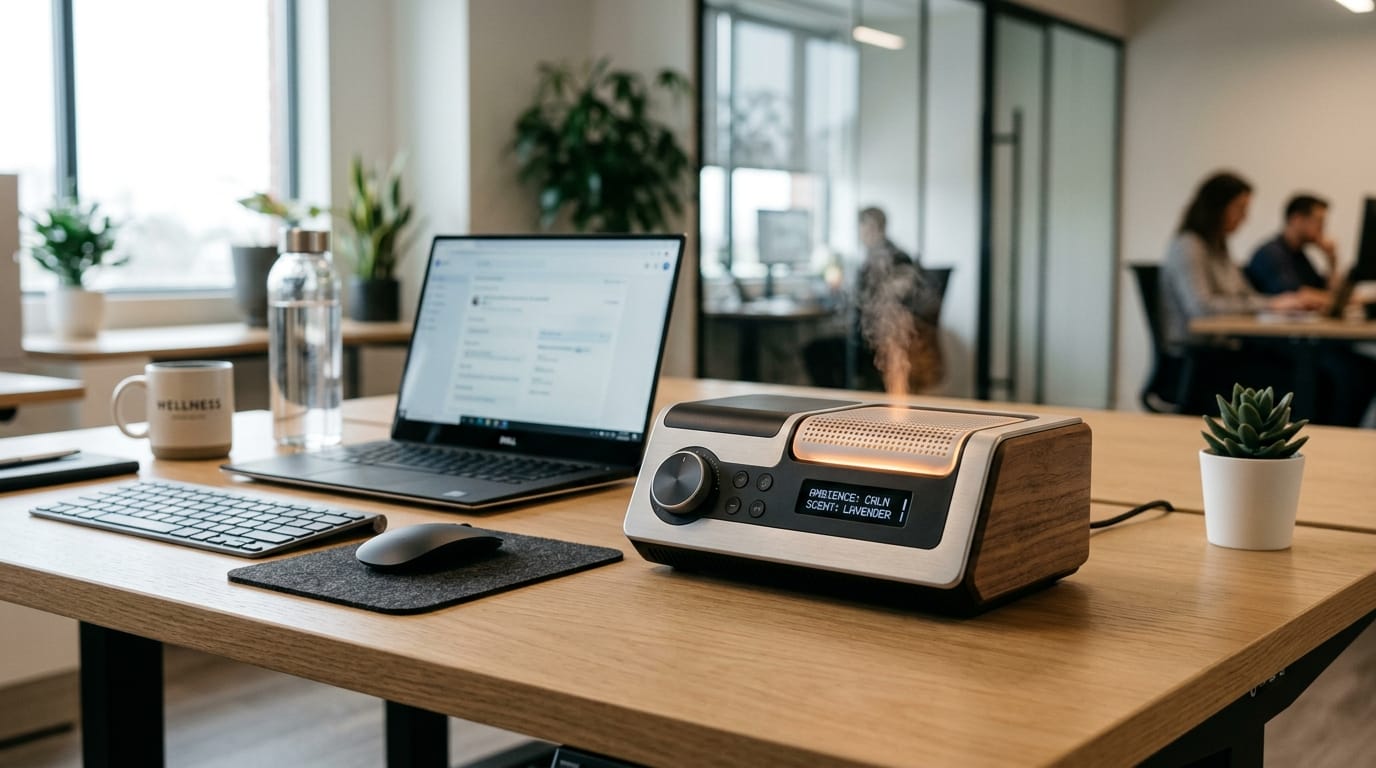
In 2026, the workplace landscape has shifted, with 77% of American workers reporting frequent stress and 57% enduring the persistent exhaustion of burnout. While early adult wellness trends prioritized singular sensory interventions—such as basic fidget spinners or solitary ASMR triggers—our current environment demands a more robust neurological response. We are witnessing a definitive move toward multimodal sensory tools that integrate tactile, auditory, and olfactory inputs, marking a new era in professional mental hygiene.
The efficacy of this transition lies in neurological synergy. Weighted tools have long held Grade A clinical backing for anxiety reduction, but isolated tactile engagement is no longer the ceiling of therapeutic intervention. Research shows that tactile stress relief tools can reduce cortisol levels by 31% and boost focus duration by 28%. When combined with scent, the nervous system receives an immediate, stabilizing regulatory signal. As noted in recent clinical analysis, “This dual input works particularly well during high-stress moments when one sensory channel isn’t enough to interrupt the anxiety response.” Source: One Quiet Mind.
This is further supported by a 2026 randomized crossover trial, which confirmed that combined scent-touch protocols significantly diminish perceived stress among healthcare professionals. By engaging the olfactory bulb to influence the limbic system while simultaneously utilizing somatosensory input to ground the physical body, these tools bypass the cognitive loops of work-related anxiety. As sensory integration becomes a staple of corporate wellness, we expect to see these tools evolve into sophisticated, “hidden in plain sight” wearables, bridging the gap between clinical intervention and professional aesthetics.
Spotlight on Aroma Fidgets: The 2026 Multi-Sensory Breakthrough
In the landscape of 2026 workplace wellness, the methodology for stress regulation has evolved beyond the rudimentary fidget spinners and cubes that once defined the early movement. As 77% of American workers report elevated stress and 57% grapple with clinical burnout, the demand for sophisticated, professional-grade interventions has surged. Current research highlights that multimodal tools—those seamlessly integrating tactile, auditory, and olfactory inputs—now represent the gold standard in sensory modulation. Clinical data reinforces this transition, showing that tactile stress relief tools alone can reduce cortisol levels by 31% while extending focus duration by 28%. A landmark 2026 randomized crossover trial has further validated that combined scent-touch protocols yield statistically significant reductions in perceived stress among healthcare professionals.
This paradigm shift toward ‘hidden in plain sight’ aesthetics is best exemplified by the rise of grounding fidgets. These devices move beyond simple motion to engage the limbic system through olfaction. As noted in recent industry analysis, these grounding fidgets—such as the Lifelines Grounding Fidget Tool—incorporates built‑in aroma diffusers to provide immediate physiological regulation. By merging the proven efficacy of weighted sensory tools—which hold Grade A clinical backing for anxiety reduction—with targeted aromatherapy, these devices offer a discreet, high-performance solution for the modern professional. Looking forward, we expect to see these multimodal sensory tools integrated directly into standard workplace wellness programs, marking a new chapter in office ergonomics where mental equilibrium is as essential as the desk itself.
Designing Your Transition Ritual: A Step-by-Step Sensory Guide
With 77% of American workers reporting significant work stress and 57% facing active burnout, the transition from professional responsibilities to personal life is no longer a luxury—it is a physiological necessity. While early fidget trends relied on singular-sense tools like spinners, the 2026 wellness landscape has evolved toward multimodal interventions. Integrating tactile, auditory, and olfactory inputs, these tools have moved from niche curiosities to clinical necessities. As noted by Zenify World, “The act of using a desk tool creates a 2-5 minute mental break.” This short window is vital for grounding the nervous system.
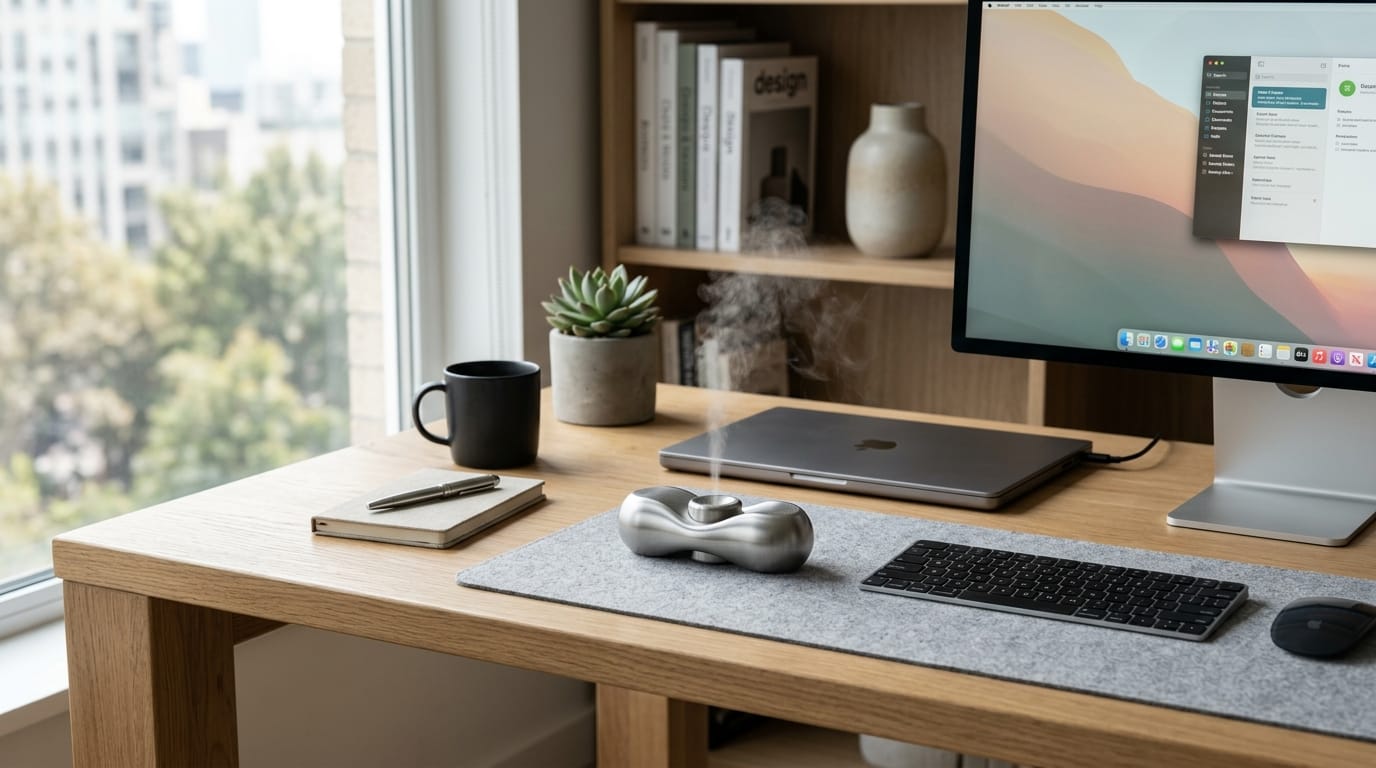
To design your 5-minute transition ritual, begin at your desk: engage a weighted tactile tool, which holds Grade A clinical backing for anxiety reduction, to ground your sensory perception. Use this time to activate an olfactory trigger—scents specifically paired with touch protocols have been shown in 2026 trials to reduce cortisol levels by 31% and significantly lower perceived stress. If you are commuting, transition these multimodal protocols into your vehicle or transit seat; prioritize ‘hidden in plain sight’ sensory wearables that allow for discreet, continuous regulation. By leveraging these multimodal inputs, you capitalize on the trend of integrated wellness, effectively recalibrating your focus before you walk through your front door. Consistency in this ritual bridges the gap between your professional stress and home recovery, turning a chaotic end-of-day period into a structured psychological reset.
Customizing the Experience: Scents and Textures for Your Stress Profile
With 77% of American workers reporting work-related stress and 57% facing burnout, the transition from niche fidget trends to sophisticated multimodal wellness tools is no longer a luxury—it is a clinical necessity. As we move beyond the early days of simple spinners and cubes, 2026 has introduced a new standard: integrated tools that synthesize scent, touch, and sound to regulate the nervous system. To understand why your brain craves these inputs, read our deep dive into Why Your Brain Craves Tactile Satisfaction and Everyday ASMR.
Selecting the right equipment requires identifying your specific sensory profile. If you are a sensory seeker, you likely thrive on high-intensity multimodal tools—such as weighted, textured devices paired with stimulating scents like citrus or peppermint—which can improve focus duration by 28%. Conversely, sensory avoiders benefit from minimalist, “hidden in plain sight” wearables that prioritize calming, neutral tactile surfaces and grounding scents like cedar or lavender to mitigate overstimulation. As noted by industry experts, “The best tool isn’t the trending one—it’s the one that matches your sensory profile (seeker vs. avoider) and primary challenge,” (One Quiet Mind Research).
The efficacy of these interventions is backed by rigorous data: tactile tools have been shown to reduce cortisol levels by 31%, while a 2026 randomized crossover trial confirmed that combined scent-touch protocols significantly decrease perceived stress in high-pressure healthcare environments. As we look toward a future where sensory regulation is a pillar of standard workplace wellness, clinicians like myself, Kevin Lee, emphasize that weighted tools continue to hold Grade A clinical backing for anxiety reduction and sleep support. By aligning your hardware with your unique sensory architecture, you transform a simple desk accessory into a precision-engineered instrument for mental health.
Frequently Asked Questions
Sensory cues act as cognitive anchors that signal your brain to shift states. By engaging specific senses—such as changing into comfortable clothing, listening to calming ambient music, or using aromatherapy—you provide your nervous system with clear environmental signals that the workday is officially over, effectively reducing residual stress levels.
Research increasingly highlights the efficacy of olfactory and auditory stimulation for mood regulation. In 2026, using personalized soundscapes or specific scent profiles allows individuals to detach from work-related stressors. These modalities bypass conscious thought, directly modulating the autonomic nervous system to foster relaxation and promote a faster psychological decompression period.
Absolutely. Remote workers often struggle with boundary blurring, which exacerbates burnout. Implementing structured sensory rituals—such as lighting a specific candle or performing a brief tactile exercise—creates a physical and psychological partition. These deliberate acts help establish necessary professional boundaries, ensuring mental recovery and long-term sustainability in home-based work environments.
Expert Resources