
Trading Bad Habits for Better Feedback
By Kevin Lee | 4/20/2026
Introduction: The Unconscious Habit Loop
In the modern professional landscape, the incessant clicking of a pen or the rhythmic tapping of a foot is rarely a sign of distraction; rather, these actions represent the unconscious habit loop—a subconscious self-regulation strategy used to manage internal states of stress or boredom. The data confirms the ubiquity of these behaviors, as current literature estimates the prevalence of nail biting at 20% to 30% of the general population, while 15% to 20% of employees admit to these habits within the workplace. For many, these manifestations serve as vital sensory outlets, though their execution often remains socially stigmatized.
The cultural perception of fidgeting has undergone a radical transformation since the 2017 fidget spinner craze, which first brought mainstream awareness to the concept of movement as a cognitive focus tool. In years past, traditional stress relief was relegated to primary-colored, distractible plastic toys that introduced unwanted visual clutter into professional environments. Today, the market is maturing toward expertly crafted tools—such as the Stimagz Dubz launched in April 2025—which utilize muted color palettes and sophisticated magnetic mechanisms. This evolution is reflected in the commercial data; the stress toy market is projected to reach 7.95 billion USD by 2030, with the broader sensory toy market scaling toward 22.8 billion USD by 2033. North America currently leads this transition, holding a 53% market share in the industry.
Understanding the mechanism behind these behaviors is essential. By exploring Why Keeping Your Hands Busy Helps Calm Your Mind, we can see how tools like fidget rings are shifting from novelty items to clinical aids, with consistent use shown to reduce negative habit frequency by 70-90% within the first few weeks of implementation. As 39% of sensory toys launched in 2024 integrated digital elements like light or vibration, the future of the industry points toward even deeper integration of AI and haptic feedback. As we analyze these trends, it is clear that what was once dismissed as nervous energy is now being redefined as a deliberate, data-driven approach to emotional regulation.
The Cost of Common Nervous Habits
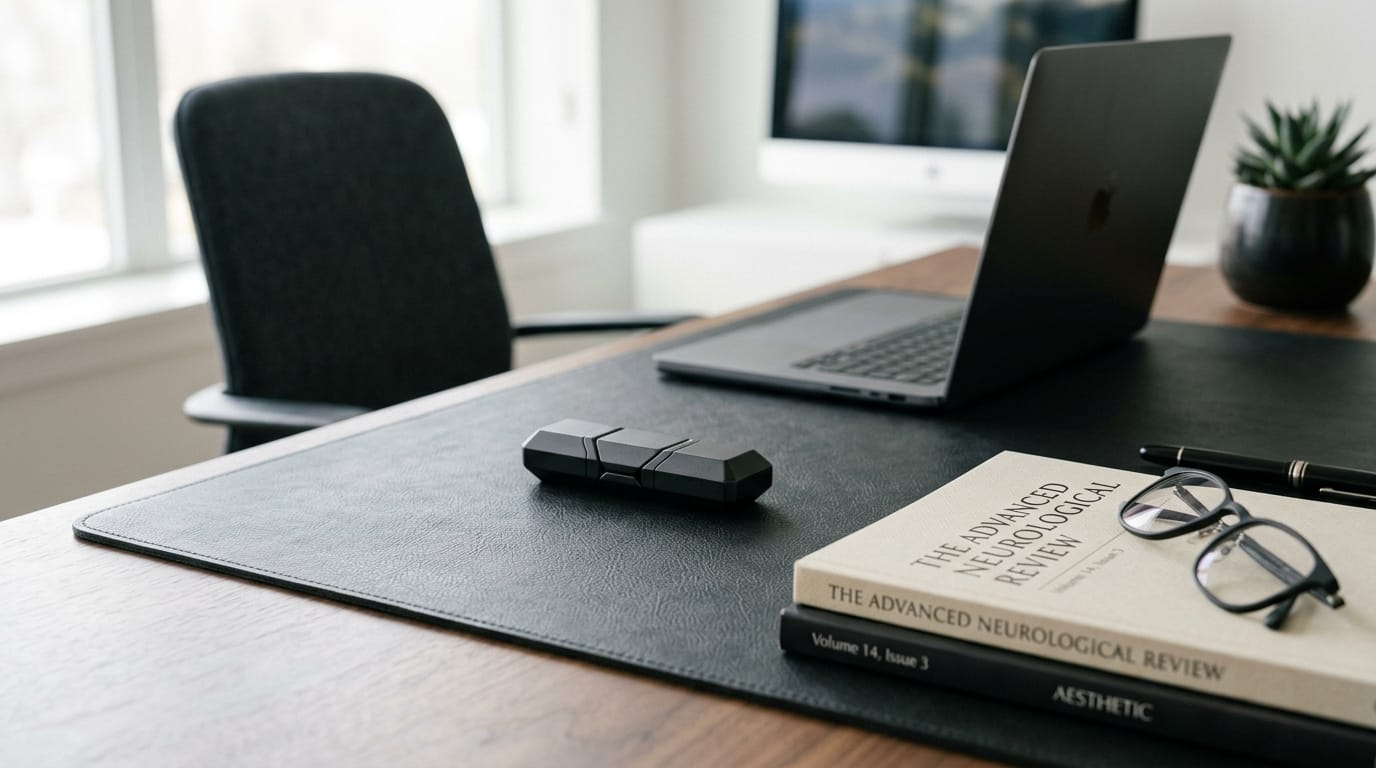
While repetitive behaviors are often dismissed as harmless quirks, the clinical reality suggests a more pervasive issue. Research indicates that 20-30% of the general population engages in onychophagia (nail-biting), with 15-20% of employees reporting the habit in workplace environments. Furthermore, 12% of office workers habitually click pens while seated in professional settings, creating a cycle of auditory and physical distraction that undermines collective focus. Beyond the social friction, the physiological toll is significant; as one individual noted, ‘I also stumbled upon fidget rings as a helpful alternative to cuticle picking. It isn’t a cure and I probably have permanent damage to my nails and cuticles.’ This permanent tissue damage highlights the urgent need for healthier sensory alternatives.
The marketplace has evolved significantly since the 2017 fidget spinner craze, which initially positioned sensory tools as transient novelty items. Historically, traditional stress relief was confined to primary-colored plastic toys that introduced unwanted visual clutter into professional spaces. However, the market is currently maturing toward expertly crafted tools—such as the magnetic Stimagz Dubz launched in April 2025—which utilize muted color palettes and sophisticated mechanisms. This shift is substantiated by market data: the global sensory toys market is expected to reach 6.16 billion USD by 2035 with an 11% CAGR, while the broader stress toy market is projected to hit 7.95 billion USD by 2030. With North America currently holding a 53% market share, the industry is increasingly prioritizing efficacy; consistent use of fidget rings has been shown to reduce habit frequency by 70-90% within the first few weeks. As we move toward a future where the sensory toy market is expected to reach 22.8 billion USD by 2033, we anticipate a heightened integration of AI and haptic feedback into screen-free tools, signaling a departure from mindless distraction toward intentional, regulated sensory engagement.
Why Fidget Toys Work as a Substitute
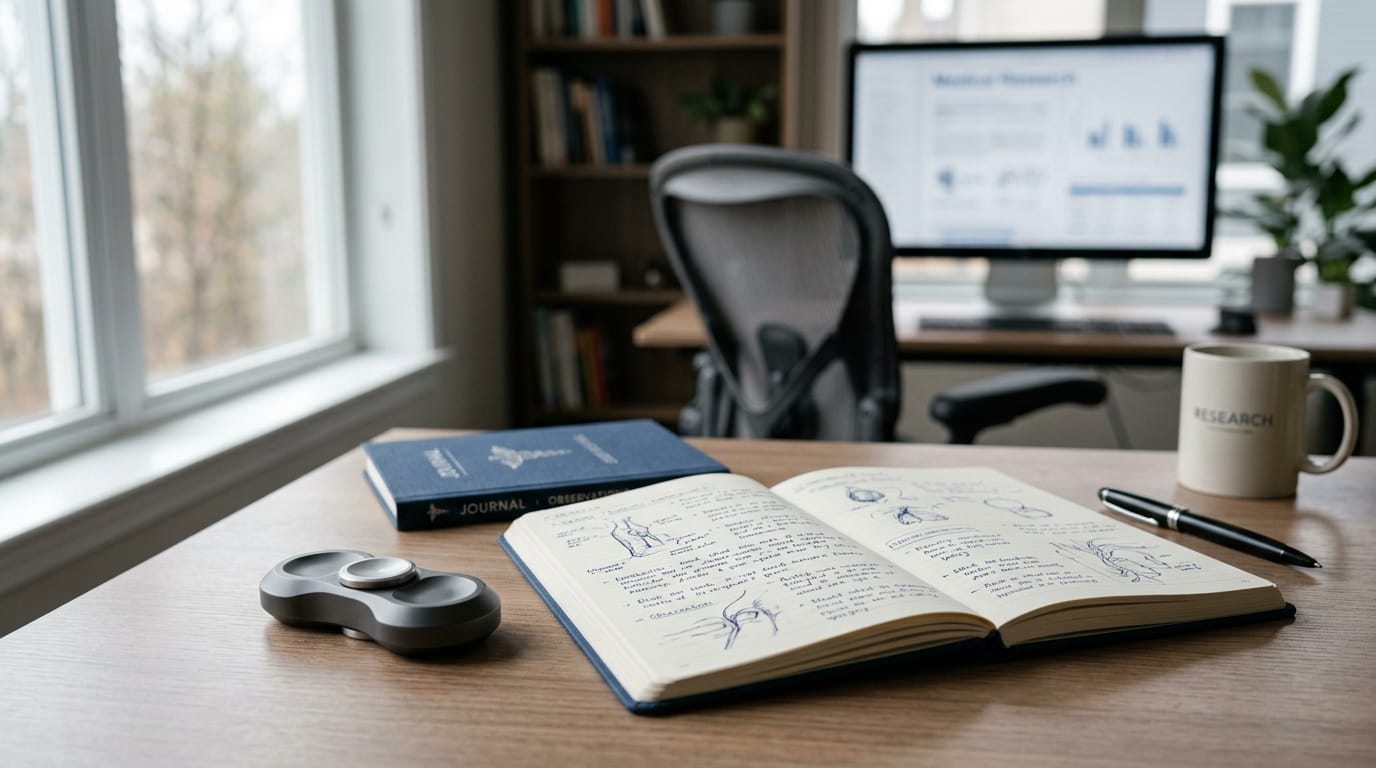
The psychological efficacy of fidget toys lies in the mechanism of habit substitution, a process where a disruptive or unconscious behavior—such as nail-biting, which affects 20-30% of the general population—is replaced by a more constructive tactile outlet. While the 2017 fidget spinner craze initially positioned these items as mere novelty, the market has matured significantly, shifting away from the chaotic visual clutter of primary-colored plastics toward expertly crafted, discreet tools like the magnetic Stimagz Dubz, which align with modern professional aesthetics. This maturation is critical, as 12% of office workers still report habitual pen-clicking to manage stress, highlighting a persistent, unmet need for nervous system regulation in the workplace.
The science underpinning this shift is clear: “Repetitive, small movements—like clicking, twisting, or spinning—can help regulate the nervous system, reduce anxiety, and improve concentration,” according to insights published at Made-in-China Research. Tactile feedback serves as a grounding mechanism, satisfying the brain’s craving for sensory input without the disruptive nature of traditional nervous habits. Clinical data supports this approach, showing that the consistent use of fidget rings can reduce the frequency of target habits by 70-90% within the first few weeks of implementation.
Market data reflects this clinical transition, with the stress toy market projected to grow to 7.95 billion USD by 2030, and the broader sensory toy sector reaching a valuation of 22.8 billion USD by 2033. As North America maintains its 53% market share, the industry is increasingly leaning into technological integration; by 2024, 39% of new sensory toys had already incorporated digital elements like sound or vibration. Moving forward, the synthesis of AI and haptic feedback into screen-free tools will likely solidify fidget devices as essential neurological regulators rather than fleeting trends.
Choosing the Right Tool for Your Habit
In the evolving landscape of neurological self-regulation, the shift from 2017’s brightly colored, conspicuous fidget spinners to today’s mature, discreet sensory tools reflects a broader professional acceptance of somatic management. As the sensory toy market climbs toward a projected 22.8 billion USD by 2033, the primary challenge has moved from availability to selection. With North America commanding 53% of this market, users now have access to precision-engineered devices designed to address specific physiological triggers. For the 12% of office workers who habitually click pens or the 15-20% of employees who struggle with nail-biting, the efficacy of these tools relies on tactile matching.
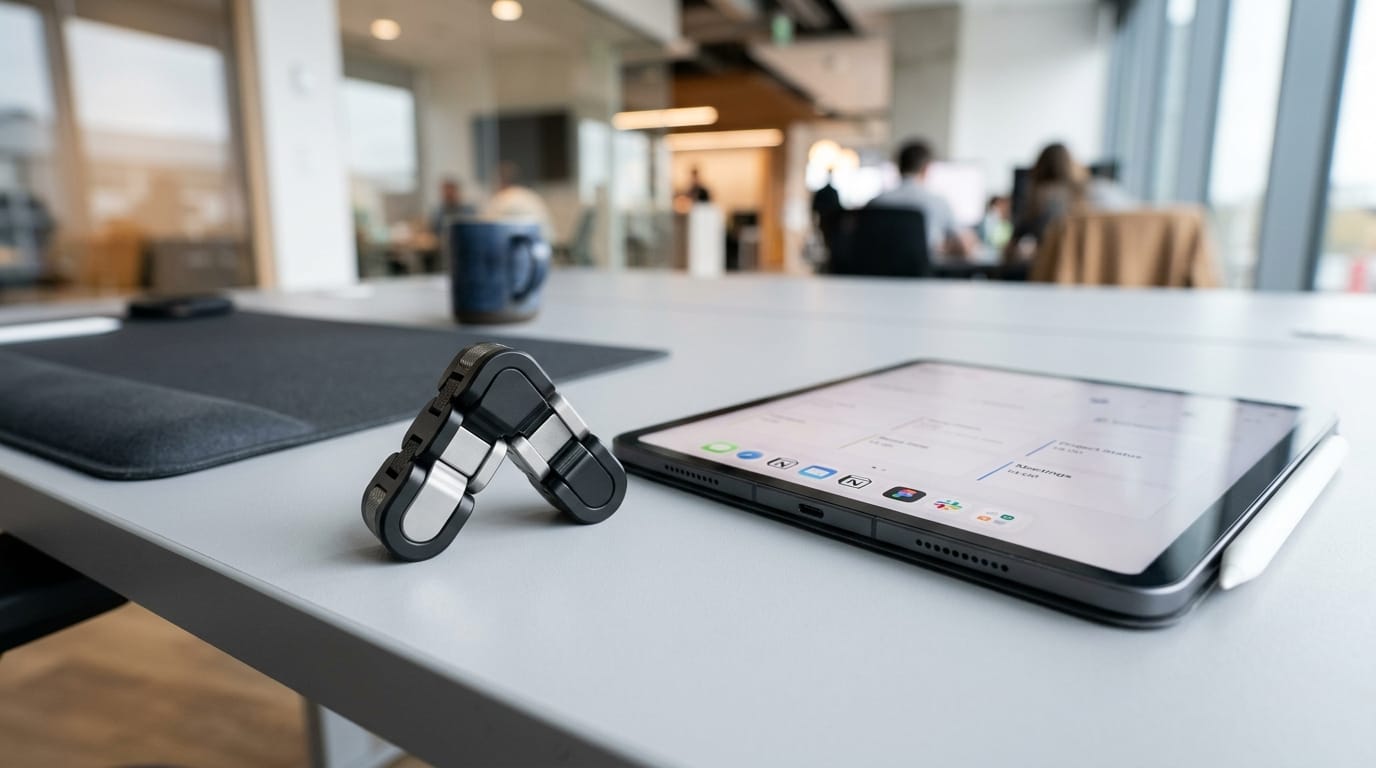
For those suffering from typing-induced tension, magnetic-based interventions offer superior results compared to traditional resistive toys. As noted in recent industry analysis, “Infused with magnetic particles, this putty can be molded freely while providing a unique magnetic feedback, helping to alleviate tension from prolonged typing or mouse use” (SourcinBox sensory guide). This tactile feedback is essential; for instance, the consistent use of fidget rings—a staple of the modern ‘expertly crafted’ tool movement—has been clinically observed to reduce habit frequency by 70-90% within the first few weeks of implementation.
Selecting the right tool requires clinical honesty regarding the specific habit loop. While the market is increasingly integrating digital elements—with 39% of 2024 launches now incorporating light, sound, or haptic vibration—simpler, analog tools like magnetic fidgets often prove more effective for deep-focus environments. With the stress toy market projected to reach 7.95 billion USD by 2030, the emphasis remains on tools that provide high-fidelity sensory input without disrupting professional focus. Whether opting for the muted tones of contemporary magnets or the haptic integration of future-facing devices, the goal remains consistent: transforming maladaptive repetitive behaviors into structured, manageable sensory outlets.
Real-World Success Stories and Tips
The transition from maladaptive habits—such as the nail-biting reported by 20-30% of the population—to neuro-supportive tools is accelerating as the market moves away from the brightly colored plastic aesthetics of the 2017 fidget spinner era. With the global sensory toys market projected to hit 6.16 billion USD by 2035, the industry has pivoted toward sophisticated, discrete instrumentation. As one patient noted regarding their journey toward recovery, “It took me 57 years to get an ADHD diagnosis. It took 57 years and three weeks for my BFRB to take a turn for the better. I have fidget rings to thank for that.” According to recent insights from ADDitude Magazine, consistent utilization of these tools can reduce habit frequency by 70-90% within the first few weeks, a significant improvement for the 15-20% of employees who struggle with these behaviors in the workplace.
For those seeking to mitigate reflexive habits like pen-clicking—common among 12% of office workers—the shift toward “expertly crafted tools” offers a more professional alternative. Innovations like the magnetic mechanisms found in Stimagz Dubz, launched in April 2025, represent the maturation of the 7.95 billion USD stress toy market. As we look toward a future where the sensory industry reaches a projected 22.8 billion USD by 2033, the focus is shifting from simple distraction to haptic regulation. To successfully transition, experts recommend substituting high-frequency, destructive impulses with quiet, tactile devices that prioritize muted aesthetics and durable, magnetic feedback, ensuring professional integration in any environment.
Conclusion: Building a Better Feedback Loop
The evolution of sensory regulation has moved beyond the ephemeral 2017 fidget spinner craze, which first introduced the mainstream to the concept of movement as a cognitive aid. We have transitioned from the era of visual clutter—characterized by primary-colored, noisy plastics—toward an era of discreet, expertly crafted instruments like the Stimagz Dubz, which launched in April 2025 with sophisticated magnetic mechanisms. As we explore Why Keeping Your Hands Busy Helps Calm Your Mind, it becomes clear that modern wellness prioritizes the ‘upgrading’ of nervous energy rather than the outdated approach of simply suppressing it.
This shift is supported by robust data. With 20-30% of the general population engaging in nail-biting and 12% of office workers habitually clicking pens, the demand for refined, professional-grade alternatives has surged. The impact is measurable: consistent use of fidget rings can reduce these maladaptive habits by 70-90% within just a few weeks. According to The Business Research Company, major firms in the stress toy market are now ‘focusing on developing innovative stress-relief solutions such as magnetic fidget mechanisms to enhance mental wellness, focus, and anxiety management.’ This focus on innovation is reflected in the 39% of 2024 sensory toy launches that integrated digital haptics, light, or sound.
Economic projections underscore this paradigm shift. The global stress toy market is moving toward a valuation of 7.95 billion USD by 2030, while the broader sensory toy sector is expected to reach 22.8 billion USD by 2033, with a 11% CAGR reaching 6.16 billion USD by 2035. With North America currently commanding a 53% market share, the industry is poised to refine the next generation of screen-free tools through artificial intelligence and advanced haptic feedback. By replacing disruptive fidgeting with intentional, sensory-informed feedback loops, we are not just addressing stress—we are building a more focused and emotionally resilient professional standard for the years to come.