
Are ASMR Tools Just Overpriced Toys?
By Kevin Lee | 5/1/2026
The ‘Overpriced Toy’ Stigma: Why We Undervalue Sensory Objects
For years, the use of sensory-regulation devices in professional environments was dismissed as a niche internet subculture or a regressive childhood behavior. However, the paradigm is shifting as we move from stigmatization to the implementation of wellness infrastructure. This evolution is underpinned by clinical validation; bilateral stimulation through repetitive hand movement is now a recognized method for emotional regulation, allowing for enhanced cognitive focus. For a deeper look at the physiological mechanisms behind this, see our report on Why Your Brain Craves Tactile Satisfaction and Everyday ASMR.
The economic impact of this transition is significant. According to data provided by One Quiet Mind, seventy-two percent of therapists now recommend fidget toys, and the ADHD productivity tools sector is projected to grow from 2.4 billion dollars in 2025 to 7.55 billion dollars by 2033. This tripling of market value reflects an increasing recognition of neurodiversity in the workplace.
Yet, the “overpriced toy” stigma persists, often driven by a fundamental misunderstanding of manufacturing standards. While mass-produced, injection-molded plastic tools cost as little as 0.50 dollars per unit, premium clinical-grade tools require precision CNC machining. These high-end instruments achieve tolerances of plus or minus 0.01 mm, with machine time alone costing between 15 and 40 dollars per part. When we reframe these objects as precision-engineered medical interventions rather than mere playthings, their value becomes clear.
Neurological ROI: How Bilateral Stimulation and Grounding Differ from Play
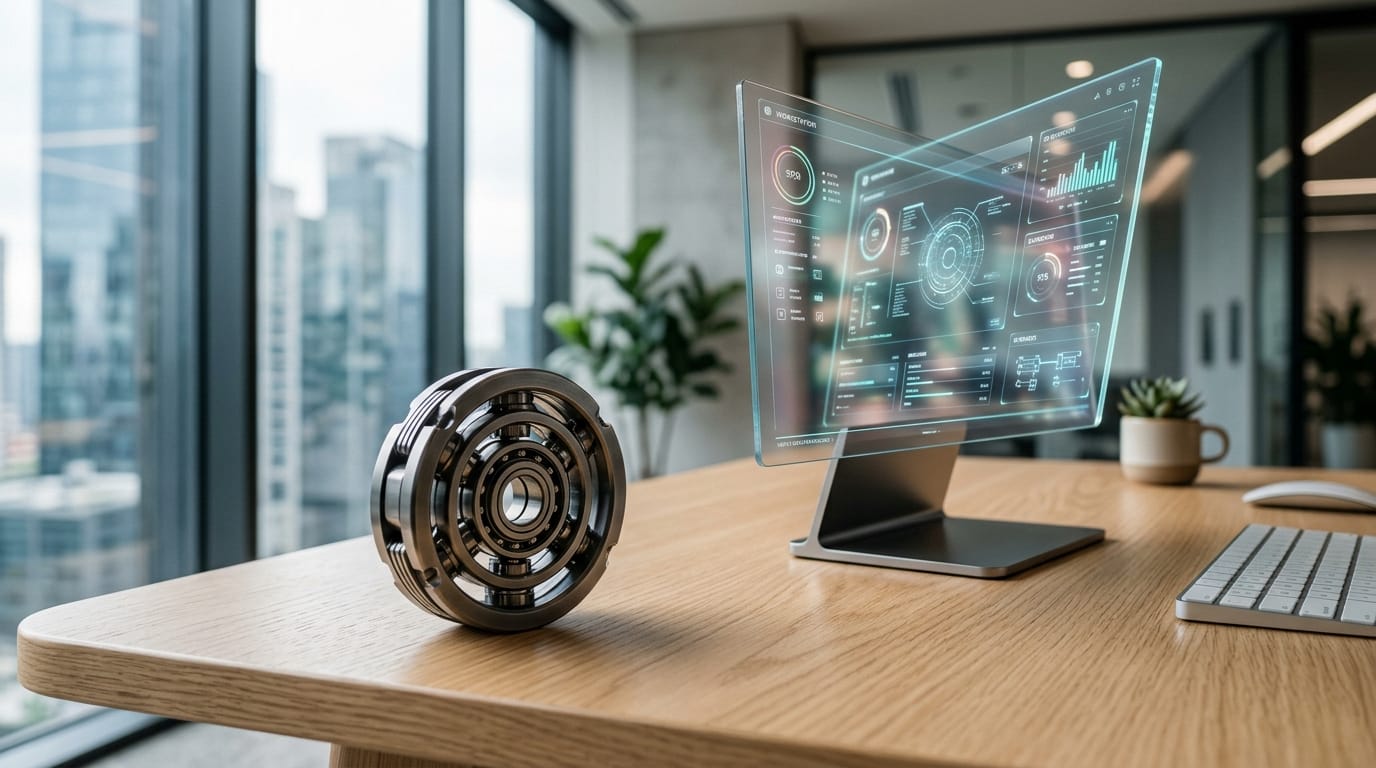
What was once dismissed as niche internet subculture or juvenile behavior has evolved into vital ‘wellness infrastructure’ for the modern professional. Clinical endorsement now mirrors this shift, with 72 percent of therapists recommending fidget tools for stress management and cognitive focus. The neurological mechanism underpinning this shift is bilateral stimulation; as noted in a recent 2026 clinical analysis, repetitive hand movements—such as squeezing, rolling, or raking—effectively activate both brain hemispheres, providing a grounded state that facilitates emotional regulation. This transition from ‘play’ to ‘productivity tool’ is backed by significant capital investment, as the ADHD productivity tools market is projected to reach 7.55 billion dollars by 2033, effectively tripling in value as workplace neurodiversity awareness expands.
This market growth has bifurcated the manufacturing landscape, revealing a stark contrast in quality and therapeutic intent. While mass-produced, injection-molded plastic tools remain inexpensive at roughly 0.50 dollars per unit, there is an increasing demand for precision-engineered tactile instruments. Premium tools, utilizing advanced CNC machining, achieve tolerances of plus or minus 0.01 mm, providing the haptic feedback consistency required for serious neurological grounding. With CNC machine time alone costing 15 to 40 dollars per part, the rising ROI of these devices is found not in the material cost, but in their capacity to stabilize cognitive states, ensuring that repetitive tactile input serves as a high-fidelity regulator of the professional workspace.
Engineering the Experience: Precision Machining vs. Mass-Produced Plastic
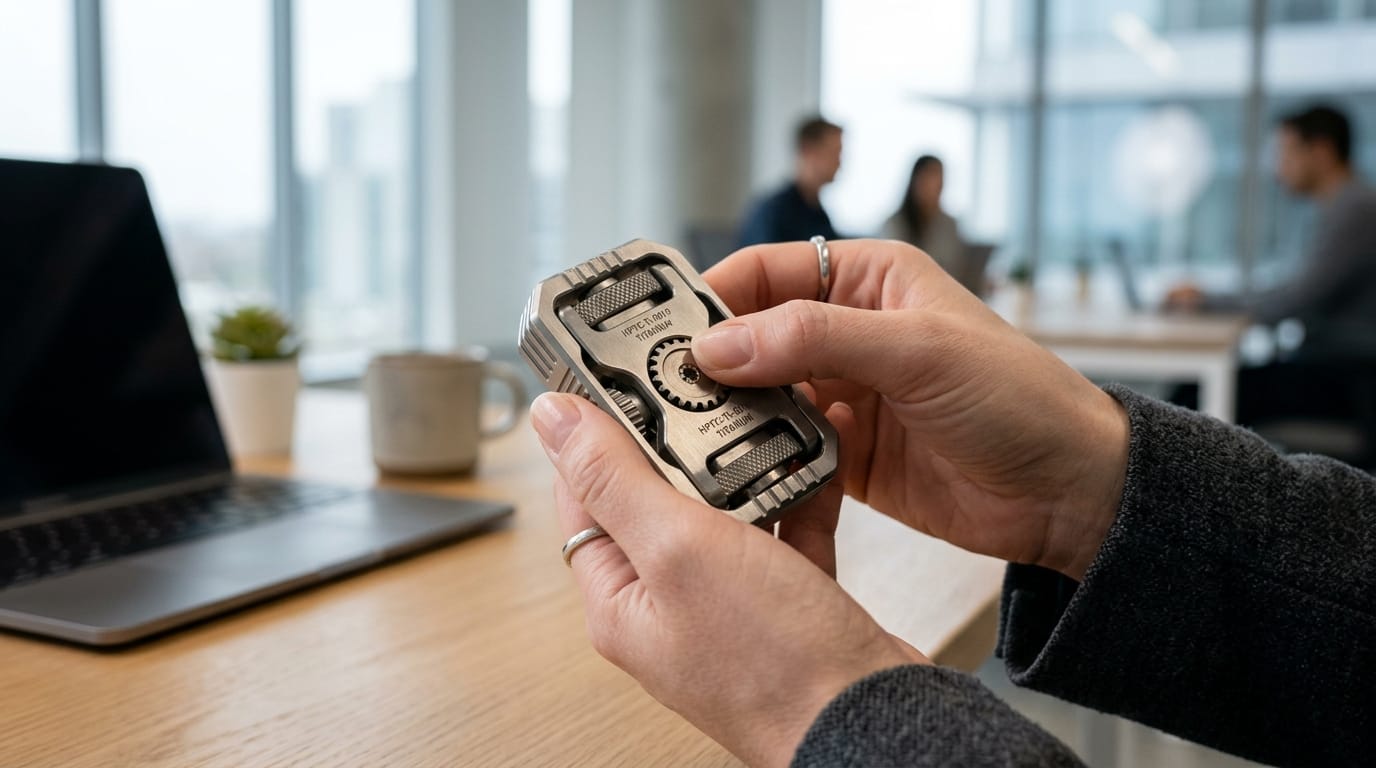
As sensory tools transition from niche childhood objects to essential wellness infrastructure within professional workspaces, the discrepancy in market pricing has become a subject of clinical scrutiny. With 72 percent of therapists now recommending fidget tools for stress and focus, patients and employers alike are questioning why premium tactile devices command such a significant price premium. The answer lies in the rigorous engineering required to facilitate bilateral stimulation, a clinically recognized method for emotional regulation that demands sensory consistency and mechanical longevity.
Mass-produced plastic tools, often characterized by injection molding, can be manufactured for as little as 0.50 dollars per unit, prioritizing accessibility over tactile precision. In contrast, premium tools utilize CNC machining—a process where a computer-controlled tool removes material from a solid billet to create the final part. According to industry analysis, CNC machining allows for exceptional dimensional accuracy, achieving tolerances of plus or minus 0.01 to 0.05 mm. While this high-fidelity approach ensures a seamless haptic experience, it comes at a cost, with CNC machine time alone ranging from 15 to 40 dollars per component.
As the ADHD productivity tools market scales toward a projected 7.55 billion dollars by 2033, this divide between ephemeral plastic toys and precision-engineered metal instruments will only widen. For the neurodivergent professional, the choice is no longer merely aesthetic; it is a clinical decision between a disposable distraction and an investment in refined sensory feedback that serves as a durable, reliable foundation for cognitive regulation.
The Durability Argument: Why Professional-Grade Tools Outlast Budget Fidgets
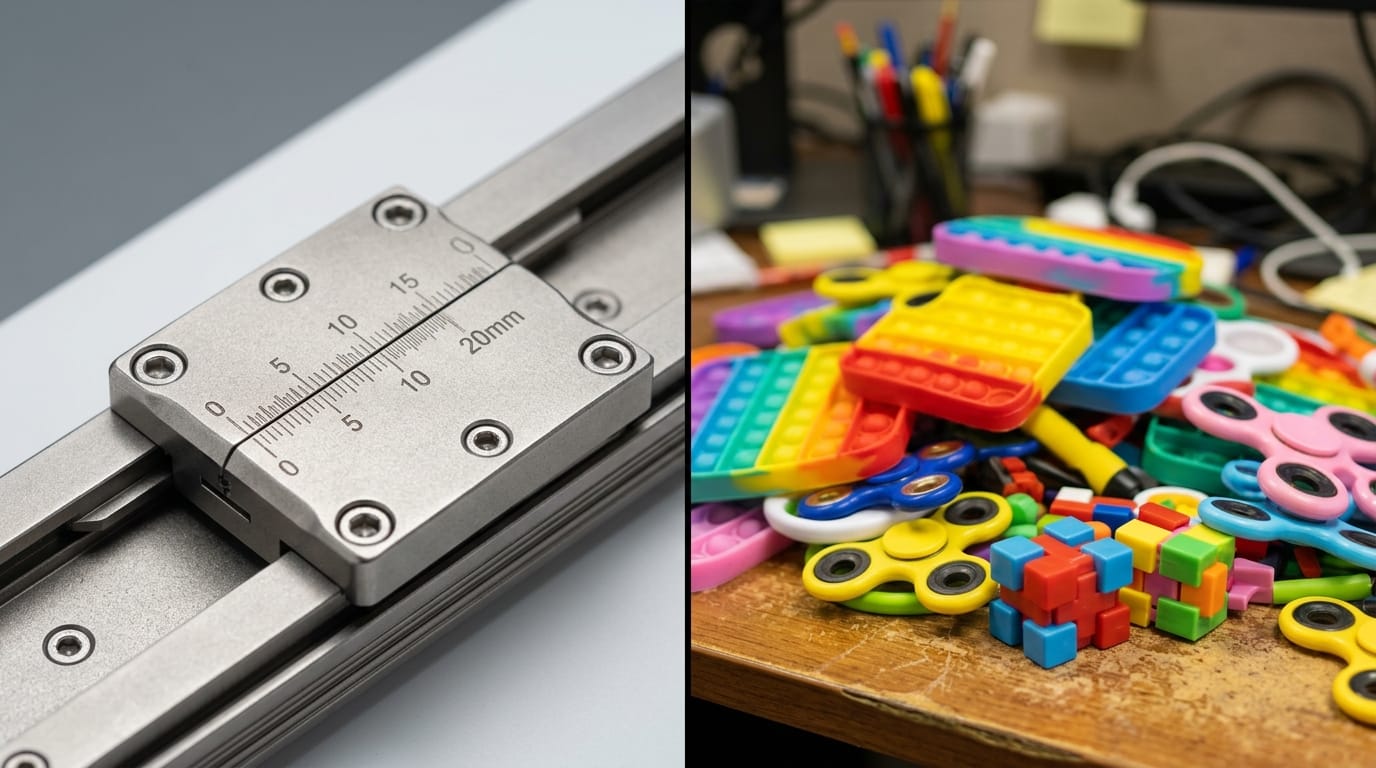
As sensory tools transition from niche digital subcultures to essential wellness infrastructure within the modern professional environment, the distinction between disposable novelties and high-performance instruments has become medically relevant. With 72 percent of therapists now endorsing these devices for stress management and cognitive focus, the reliability of the hardware is paramount. This shift is not merely cultural; it is a response to the clinical effectiveness of bilateral stimulation, a recognized method for emotional regulation that requires consistent, predictable tactile feedback. However, the market remains bifurcated: while injection-molded plastic fidgets are mass-produced at a cost of approximately 0.50 dollars per unit, they lack the structural integrity required for long-term therapeutic use. In contrast, premium tools utilize CNC machining to achieve tolerances of plus or minus 0.01 mm, reflecting an investment where machine time alone ranges from 15 to 40 dollars per component.
The longevity of these tools hinges on materials science. High-end devices increasingly incorporate ceramic bearings, which offer distinct advantages over traditional steel alternatives. As noted by industry experts, ceramic bearings are harder and more wear-resistant than steel, so they generally outlast steel bearings when kept in clean, low-impact conditions and they never rust. By prioritizing medical-grade materials over inexpensive polymers, users gain a device that maintains its calibration even under the strain of daily repetitive use. As the ADHD productivity tools market is projected to reach 7.55 billion dollars by 2033, the focus for both clinicians and professionals is shifting toward sustainability; investing in durable instruments is no longer just a luxury, but a requirement for those integrating these tools into their ongoing self-regulation protocols.
Reframing the Cost: Sensory Tools as Essential Wellness Infrastructure
What was once relegated to the status of niche internet subcultures or dismissed as juvenile behavior has undergone a profound professional evolution. Today, sensory regulation is recognized as a vital component of productivity. As we explore Why Your Brain Craves Tactile Satisfaction and Everyday ASMR, it becomes clear that bilateral stimulation—achieved through repetitive, rhythmic hand movement—is a clinically established mechanism for effective emotional regulation. With 72 percent of therapists now explicitly recommending fidget tools for managing workplace stress and cognitive focus, the shift toward integrating these devices as formal wellness infrastructure is undeniable.
This transition is reflected in the market, which is projected to grow to 7.55 billion dollars by 2033 as organizations increasingly embrace neurodiversity. While low-cost, injection-molded tools are available for as little as 0.50 dollars, the professional standard is rising to meet high-stress demands. Premium instruments now utilize high-precision CNC machining to achieve tolerances of plus or minus 0.01 mm, balancing the 15 to 40 dollar per-part investment against the long-term gains in employee stability. As noted in the Zenify 2026 Desk Stress Relief Guide, “Your workspace should actively support your mental health, not merely accommodate it.” By investing in high-quality sensory tools, modern firms are not just purchasing trinkets; they are building the essential infrastructure required to sustain a high-performance, neuro-inclusive workforce for the future.
Frequently Asked Questions
While anecdotal evidence suggests ASMR tools can induce relaxation and lower heart rates, clinical studies remain inconclusive. There is no peer-reviewed evidence proving these devices are medically superior to household items. They function primarily as tactile sensory aids rather than therapeutic medical equipment for treating clinical anxiety or chronic insomnia conditions.
If you are managing sensory processing disorders or severe anxiety, consulting a healthcare provider is recommended. Expensive tools may promise therapeutic relief, but they are not regulated as medical devices. A professional can help determine if these tools complement your current treatment plan or if they might exacerbate underlying neurological sensitivities.
For most users, the cost reflects branding and aesthetic design rather than functional superiority. Research indicates that the brain’s ASMR response is triggered by auditory and visual stimuli, which do not require specialized hardware. Most high-end tools are essentially luxury items, as DIY alternatives often provide the exact same sensory experience.
Expert Resources