
Why You Buy Sensory Tools but Never Use Them
By Kevin Lee | 5/1/2026
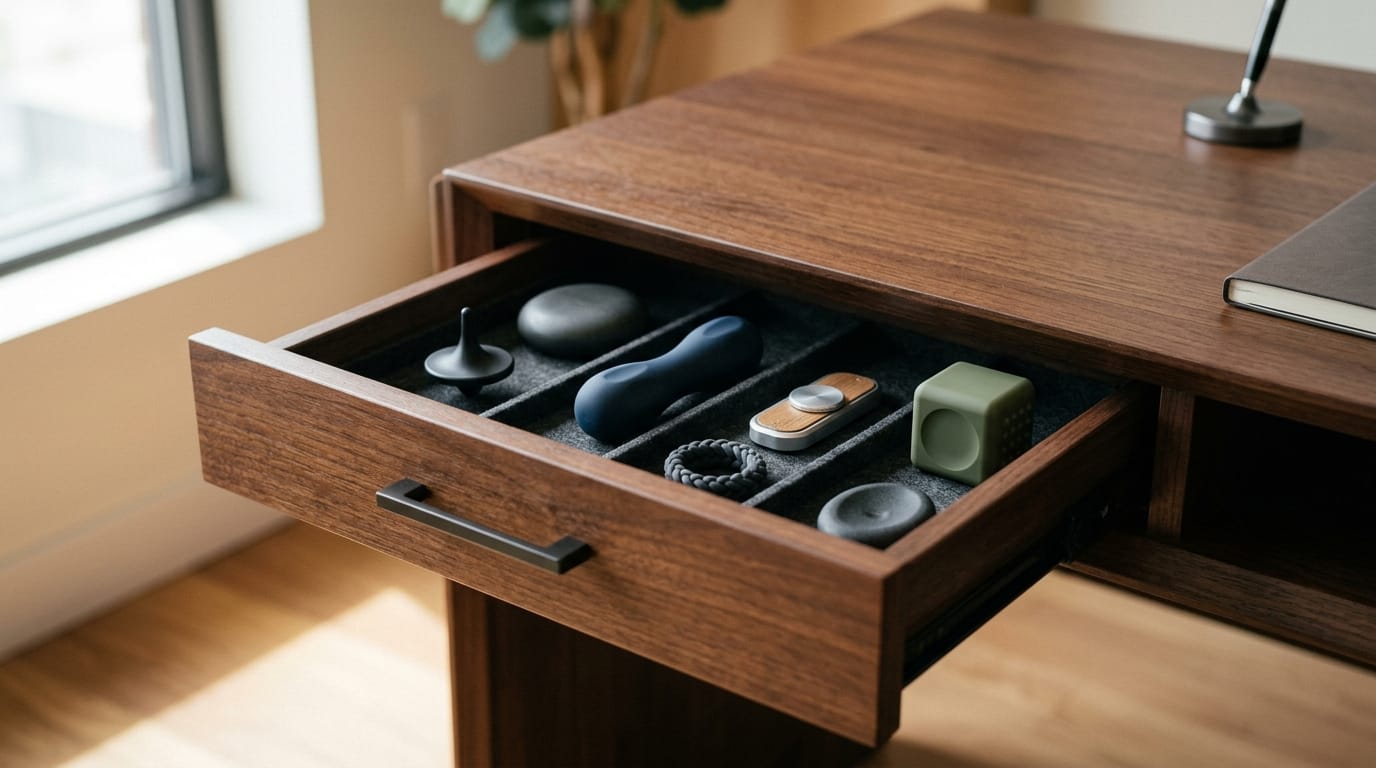
The Drawer of Forgotten Fidgets: The Purchase-to-Use Paradox
In the evolving landscape of 2026 workplace wellness, the transition from niche, often childish behaviors to clinically validated sensory management has been definitive. With 72% of therapists now recommending fidget tools to navigate clinical stress and optimize focus, it is clear that we have moved past the era of disposable, low-quality gadgets that defined the initial fidget spinner craze. Today, we see a sophisticated market for adult-oriented, aesthetic, and silent sensory aids, yet a pervasive friction remains: the disconnect between acquisition and integration. While weighted sensory tools carry Grade A clinical backing for anxiety reduction and sleep hygiene, they frequently end up as desk clutter. As noted in the 2026 Zenify Guide, “the barrier isn’t effectiveness; it’s the gap between buying tools and building habits around them.”
This paradox is not unique to sensory hardware; even advanced wellness wearables experience a 30% abandonment rate within the first quarter of ownership. The neurobiology behind these interventions is robust—Why Your Brain Craves Tactile Satisfaction and Everyday ASMR remains a fundamental pillar of our current understanding—but tools only function as effective cognitive buffers when they are actively employed. A simple 2-5 minute engagement with a desk tool serves as a critical recovery mechanism, interrupting the high-stress cycles that define modern professional life. As we look toward a future where sensory profiles are mapped to individual neurological needs and integrated directly into ergonomic furniture, we must first address the behavioral inertia that leaves these effective aids in a drawer. The trend of 2026 is leaning toward multimodal tools—those blending tactile, auditory, and visual feedback—to better interrupt acute anxiety responses, but without a dedicated usage habit, even the most innovative tool remains a relic of unfulfilled potential.
The Psychology of the Habit Gap: Why Intent Doesn’t Equal Action
The divergence between our intentions to improve wellness and our capacity to sustain new behaviors is nowhere more evident than in the persistent abandonment of health-monitoring technology. As reported by industry analysts, fitness‑tracker and smartwatch wearables see roughly 30 % of users drop the device within the first few months, reflecting a broader trend where wellness wearables face a 30% abandonment rate. This ‘habit gap’ is often rooted in the cognitive friction required to integrate these devices into daily life, a phenomenon reminiscent of the initial fidget spinner craze, which resulted in a glut of low-quality tools that were quickly discarded. Historically, sensory regulation behaviors like ASMR or fidgeting were dismissed as niche or childish, but our understanding has matured significantly.
Today, the landscape is shifting toward adult-oriented, aesthetic, and quiet sensory tools that function as clinical interventions. Currently, 72% of therapists now recommend fidget toys for clinical stress and focus management, while weighted sensory tools have secured Grade A clinical backing for their efficacy in reducing anxiety and improving sleep. Behavioral science suggests that the act of using a desk tool creates a vital 2-5 minute mental break that enforces recovery, acting as a functional ‘circuit breaker’ for the nervous system. As we look toward the future, we anticipate the integration of sensory tools into standard office furniture and ergonomic design, coupled with an increased focus on developing ‘sensory profiles’ to match specific tools to individual neurological needs. By leveraging multimodal tools—those incorporating tactile, auditory, or visual elements—we are seeing the leading trend for 2026 emerge as a more sophisticated approach to interrupting high-stress anxiety responses, effectively closing the gap between therapeutic intent and sustainable action.
Out of Sight, Out of Mind: The Physics of Sensory Integration
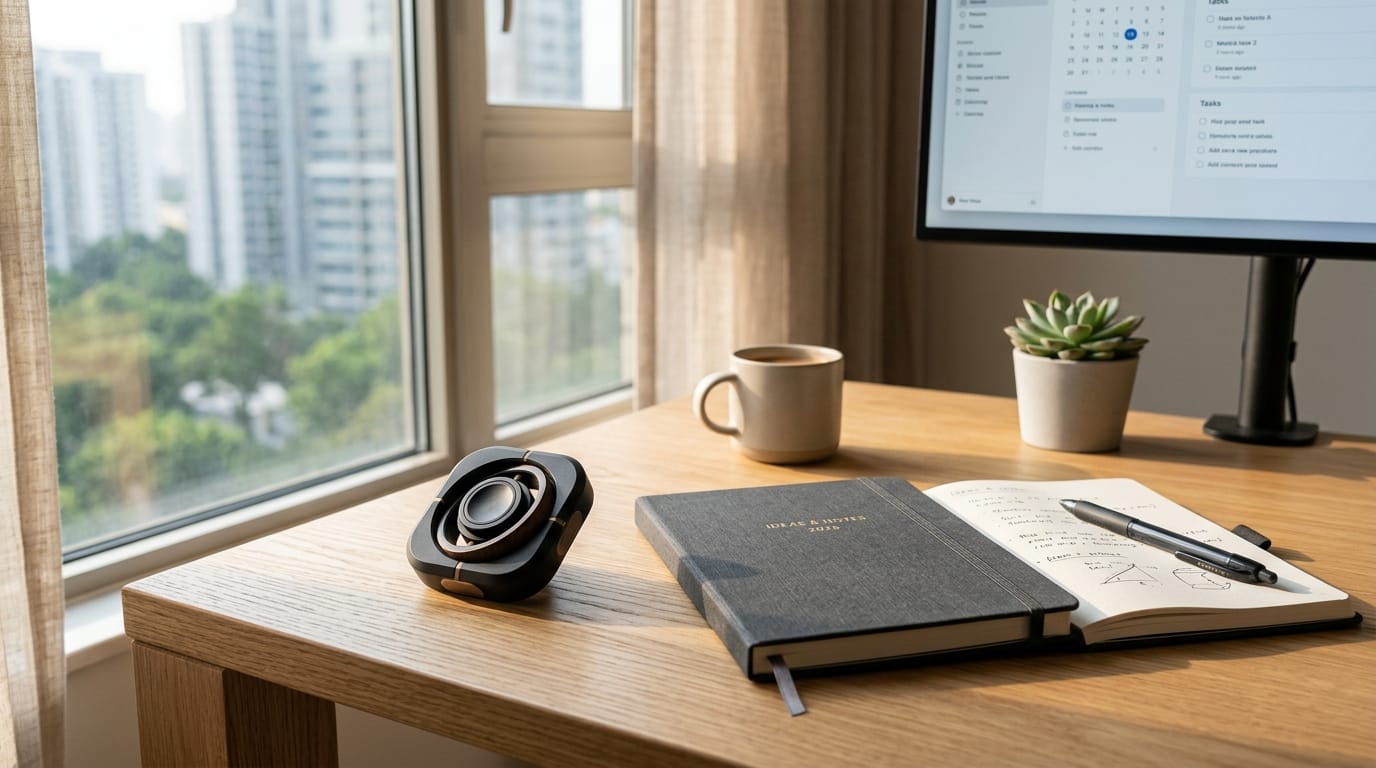
In the evolving landscape of neurological health, the transition of fidgeting from a stigmatized, ‘childish’ behavior to a validated clinical practice has been marked by a shift toward aesthetic, adult-oriented design. While wellness wearables have struggled with a 30% abandonment rate due to the ‘set it and forget it’ nature of their invisible data tracking, physical tools rely on the critical interplay of proximity and sensory engagement. The efficacy of these interventions is grounded in the reality that the solution often sits within arm’s reach on your desk, as highlighted in this 2026 workplace wellness guide. Unlike the low-quality fidget spinners of the past that were quickly discarded, modern tools are designed to facilitate a brief 2-5 minute mental recovery period that interrupts high-stress neurological feedback loops.
Today, 72% of therapists recommend these interventions, with a particular emphasis on multimodal tools—combining tactile, auditory, and visual feedback—which stand as the leading trend for 2026. This physical presence is paramount; when a tool is integrated into the workstation, it transcends being a mere accessory to become a functional anchor for sensory regulation. With Grade A clinical backing for weighted sensory tools in anxiety management, the future of ergonomics lies in embedding these triggers directly into office furniture. By aligning specific sensory profiles with the physical environment, we move beyond reactive stress management toward a proactive architecture of mental equilibrium.
Environmental Cues: Transforming Your Desk into a Recovery Zone
In the evolving landscape of workplace ergonomics, the sedentary workstation is undergoing a radical shift from a site of stress accumulation to a hub of neural regulation. Historically, behaviors like fidgeting or engaging with tactile objects were dismissed as niche or childish, and the early, saturated market of low-quality fidget spinners led to rapid tool abandonment. By 2026, however, the paradigm has shifted: adult-oriented, aesthetic, and quiet sensory tools are now firmly embedded in clinical practice, with 72% of therapists actively recommending fidget-based interventions for professional stress and focus management. This shift is critical, as data suggests that wellness wearables suffer a 30% abandonment rate within months, whereas the intentional act of using a desk tool creates a measurable 2-5 minute mental break that facilitates genuine autonomic nervous system recovery.
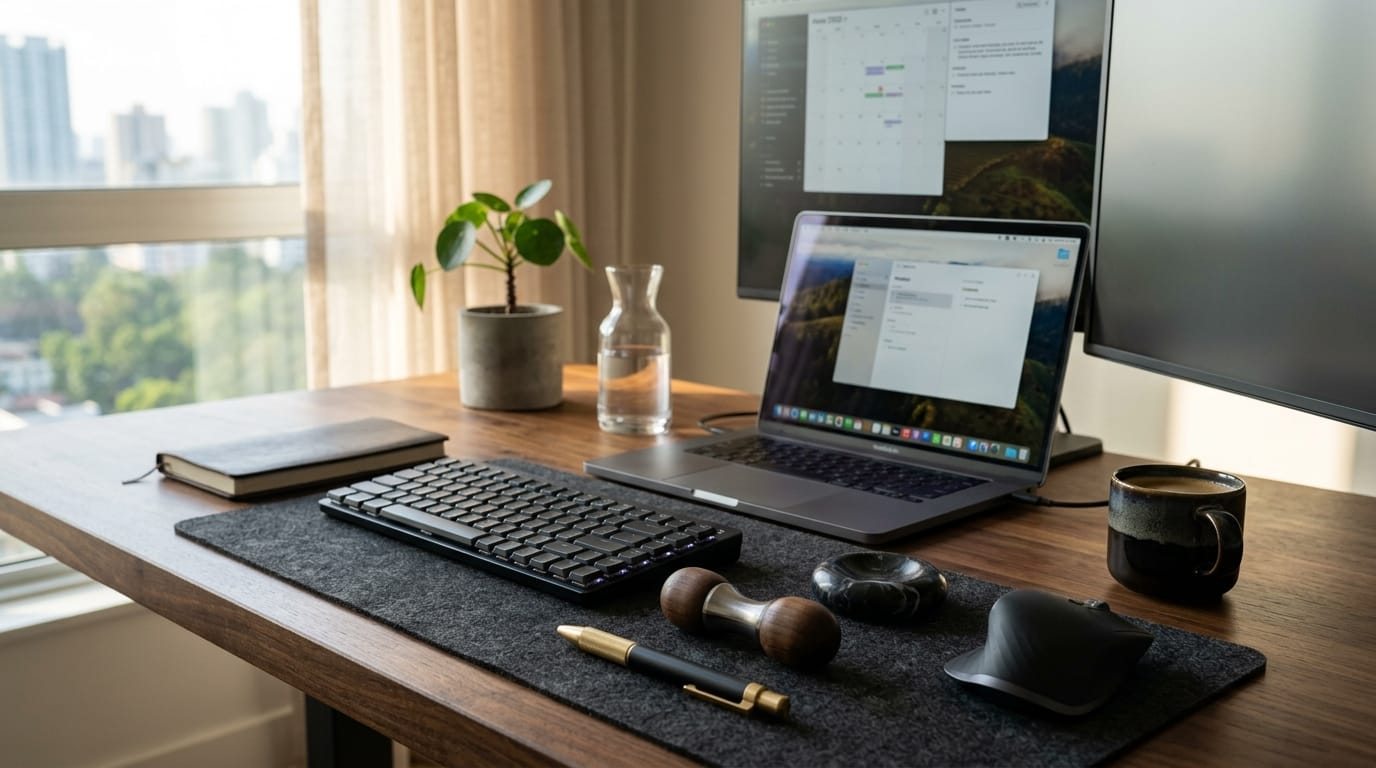
The efficacy of these environmental cues lies in their ability to interrupt high-stress physiological feedback loops. Multimodal tools—those combining tactile engagement with subtle auditory or visual feedback—represent the gold standard of 2026 design. For instance, weighted sensory tools have garnered Grade A clinical backing for their ability to mitigate anxiety. As expert commentary highlights, “A visible zen garden, strategically placed breathing card, or palm-smooth worry stone transforms your desk from stress-accumulation station to recovery-friendly environment.” Looking ahead, the future of office design will see these interventions integrated directly into furniture and ergonomic hardware, with an increasing focus on tailoring tools to an individual’s unique sensory profile.
Implementation Intentions: Stacking Sensory Tools with Daily Friction Points
In 2026, the transition of sensory regulation from niche, often misunderstood behaviors—formerly dismissed as childish fidgeting—to evidence-based clinical practice is nearly complete. With 72% of therapists now recommending fidget tools for managing clinical stress and workplace focus, the efficacy of these interventions is no longer in doubt. However, integrating these tools into a high-pressure workflow requires more than mere possession; it requires ‘habit-stacking.’ While wellness wearables currently face a 30% abandonment rate due to lack of behavioral integration, sensory tools offer a more tactile bridge to executive function. The key lies in linking a sensory input to a specific friction point in your daily schedule, such as transitioning between meetings or preparing for deep-work blocks.
Weighted sensory tools, which hold Grade A clinical backing for anxiety reduction and sleep hygiene, serve as an ideal baseline for this practice. To interrupt the physiological cascade of high-stress anxiety, professionals are increasingly turning to multimodal tools that engage tactile, auditory, and visual systems simultaneously. This design evolution addresses the shortcomings of the early fidget-spinner era, moving toward sophisticated, adult-oriented aesthetics. As noted by experts, “it solves the common ADHD hurdle of forgetfulness by providing a clever 2-in-1 solution,” as highlighted in this guide on the best sensory tools for adults. By committing to a 2-5 minute mental recovery break every time you reach for your tool, you treat the sensory interaction as a vital administrative reset rather than a distraction. Looking ahead, we anticipate the integration of these tools directly into ergonomic office furniture, moving closer to a future where individual sensory profiles dictate the entire layout of the modern workspace.
Beyond the Novelty: Maintaining Long-Term Engagement with Tactile Tools
The evolution of sensory regulation has moved beyond the ephemeral fidget spinner craze, which often left workspaces littered with low-quality plastic remnants. Today, 72% of therapists actively recommend tactile tools for clinical stress management, marking a shift where these implements are no longer seen as niche or childish, but as essential components of professional cognitive maintenance. However, sustaining engagement remains a challenge; while wellness wearables suffer from a 30% abandonment rate within months, tactile tools can avoid similar obsolescence through purposeful integration. As explored in our deep dive Why Your Brain Craves Tactile Satisfaction and Everyday ASMR, the physiological benefit is clear: a 2-5 minute sensory break facilitates necessary recovery. To move beyond mere desk clutter, users must transition toward multimodal options. As noted by experts, “Multimodal tools are the 2026 trend: Combining multiple senses (tactile + auditory, visual + tactile)” One Quiet Mind 2026 Clinical Outlook. These advanced configurations are specifically designed to interrupt high-stress autonomic nervous system responses, a task in which weighted sensory tools—which possess Grade A clinical backing—already excel for anxiety and sleep regulation. Looking toward the future, the integration of these tools into ergonomic furniture and the tailoring of instruments to individual ‘sensory profiles’ will be paramount. By selecting aesthetically refined, high-utility tools rather than novelty items, professionals can transform their sensory toolkit into a permanent, effective fixture of their mental hygiene routine.
Frequently Asked Questions
Many people buy sensory tools during moments of high stress, hoping for an immediate solution. However, once the nervous system regulates, the tools no longer feel necessary. Without integrating these items into your daily routine during calm periods, they remain forgotten in drawers rather than becoming effective, long-term coping mechanisms.
Success begins with habit stacking rather than relying on spontaneous use. Place your tools in high-traffic areas, such as your workspace or nightstand, to serve as visual cues. Start using them for just two minutes daily, even when you feel calm, to build muscle memory for when you are actually triggered.
Yes, excessive gear can lead to decision fatigue, making it harder to choose a tool when you are already dysregulated. Instead of hoarding various gadgets, curate a small ‘sensory kit’ with three items that specifically address your primary needs—such as tactile, auditory, or proprioceptive input—to simplify your self-care process.
Expert Resources