
Double the Calm: Why Multi-Sensory ASMR Tools Work Best
By Kevin Lee | 5/1/2026
Beyond the Single Trigger: The Rise of Multi-Sensory Integration
In 2026, the landscape of emotional regulation has undergone a profound shift. We have moved well beyond the era of singular fidget tools and the early, niche internet fascination with Why Your Brain Craves Tactile Satisfaction and Everyday ASMR. While simple tactile relief was the entry point for normalization—where fidgeting became an accepted adult desk behavior—the current market demands higher efficacy. With 77% of American workers reporting significant stress, clinical expectations have risen, and the industry has responded by moving toward multimodal sensory integration.
The efficacy of this transition is supported by compelling data. We now know that traditional tactile stress relief tools can reduce cortisol levels by 31% while simultaneously improving focus duration by 28%. However, the frontier of 2026 is defined by tools that engage three or more senses at once. As noted in recent industry research, brands activating 3+ senses simultaneously achieve up to 73% recall vs. 21% for visual-only inputs. This surge in performance explains why the global sensory-rooms sector is now valued at US$1.17 billion, reflecting a broader trend where the workplace environment is being physically restructured to include sensory tents and dedicated calm-space solutions.
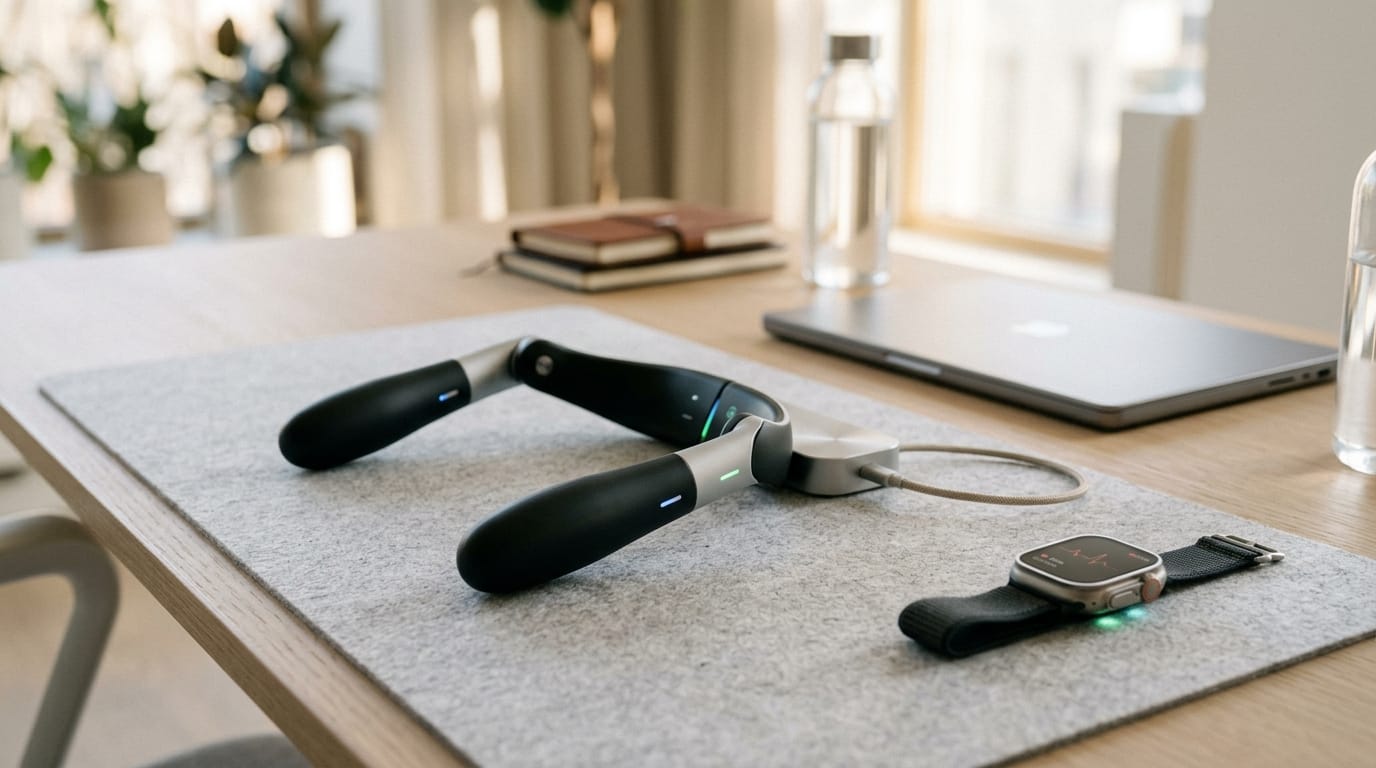
As we look toward the immediate future, we are witnessing the emergence of sophisticated, Grade A clinically backed weighted tools alongside the breakout category of bilateral stimulation devices—heavily inspired by EMDR protocols—which are currently leading the market. The evolution continues toward an integrated ecosystem: we are on the cusp of seeing cortisol biosensing within smart rings that trigger haptic feedback patterns in real-time. For the consumer, the days of relying on a single, isolated trigger are over; the new standard for emotional resilience is the synthesis of sound, touch, and proprioceptive feedback, all working in concert.
The Neuroscience of Sensory Overload vs. Sensory Grounding
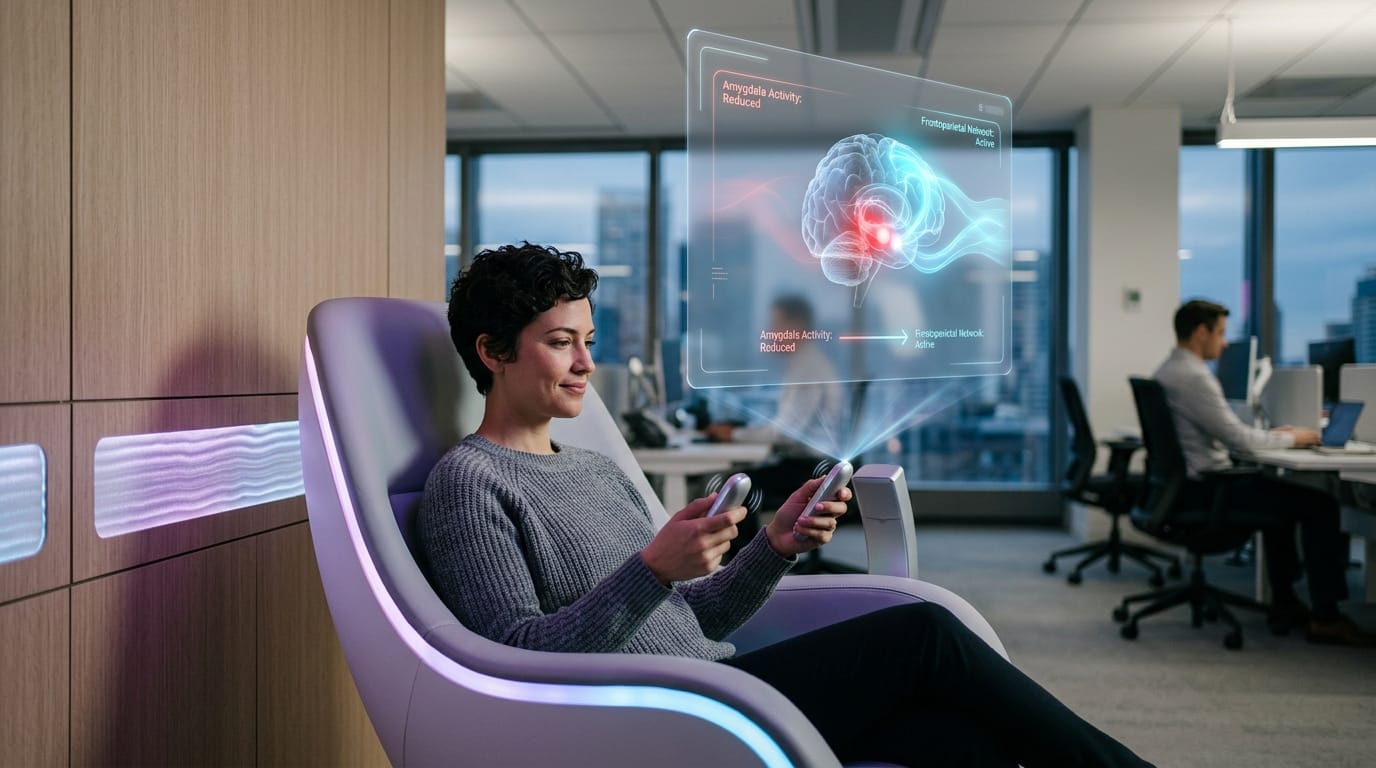
In 2026, as 77% of American workers report feeling significant workplace stress, the physiological battleground has shifted from the limbic system to the cognitive control centers of the brain. When sensory overload occurs, the amygdala initiates a rapid-fire stress response, compromising executive function. However, the emerging efficacy of ‘multimodal’ tools—where tactile, auditory, and visual inputs are stacked—demonstrates a clear biological shift toward the frontoparietal network, the brain’s architecture for focus and attention. According to recent EEG and functional imaging studies, grounding exercises facilitate an immediate transition to calming alpha wave patterns within milliseconds, while simultaneously reducing amygdala-insula coupling.
This evolution from the niche ASMR and fidget trends of the early 2020s to the current standard of integrated sensory wellness has turned the global sensory-room sector into a $1.17 billion industry. The data is compelling: tactile stress relief tools are now clinically proven to reduce cortisol levels by 31% while extending focus duration by 28%. These outcomes are further bolstered by the rise of bilateral stimulation devices—the breakout sensory tool of 2026—which leverage EMDR-inspired mechanisms to anchor the mind. As we move toward a future where smart rings will utilize cortisol biosensing to adjust haptic patterns in real-time, the evidence remains clear: while visual-only inputs provide a meager 21% recall rate, multisensory activations command up to 73%. With weighted tools now carrying Grade A clinical backing, corporate architecture is rapidly pivoting to make sensory-dedicated calm spaces the new office standard.
Why ‘Stacking’ Senses Interrupts Anxiety Better Than One
In the high-pressure landscape of 2026, where 77% of American workers report significant workplace stress, the reliance on single-channel interventions has proven insufficient. As we move beyond the niche ASMR and fidget trends of the early 2020s, the current industry standard has shifted toward ‘multimodal’ tools. Clinical evidence highlights that multisensory activations deliver up to 73% recall compared to a mere 21% for visual-only inputs, suggesting that our brains require layered input to effectively decouple from the anxiety loop.
The efficacy of this approach is backed by data: tactile stress relief tools have been shown to reduce cortisol levels by 31% while simultaneously improving focus duration by 28%. When one channel fails to recalibrate the nervous system, stacking sensory inputs—such as the emerging category of bilateral stimulation devices—becomes essential. As noted by experts at One Quiet Mind, “This dual input works particularly well during high-stress moments when one sensory channel isn’t enough to interrupt the anxiety response.”
This transition toward complex sensory integration is fueling a global market now valued at US$1.17 billion. With weighted tools holding Grade A clinical backing for anxiety reduction, the future points toward seamless integration, such as smart rings that adjust haptic patterns in real-time based on cortisol biosensing. By moving toward multisensory solutions, we are providing the architecture necessary to handle the intensity of the modern work environment.
The 2026 Multi-Sensory Hall of Fame: Top Product Pairings
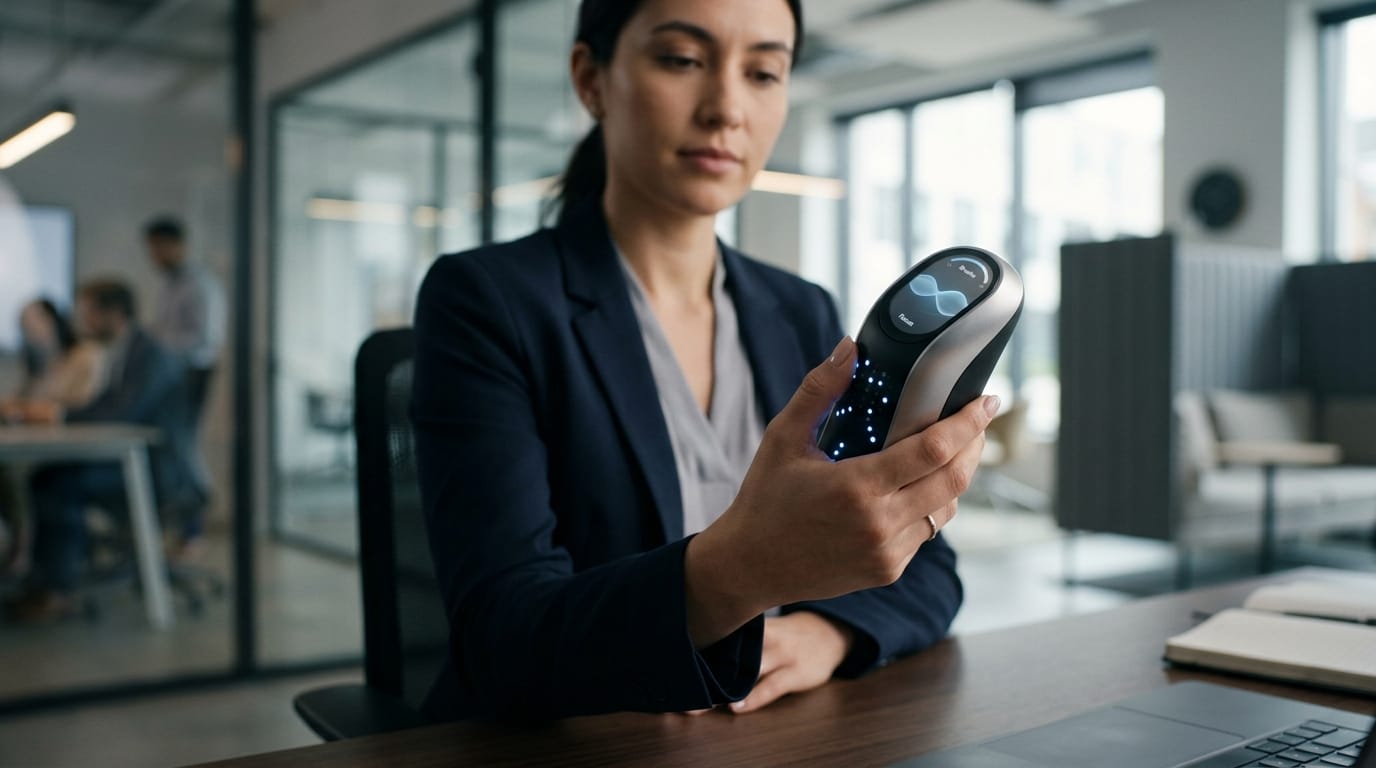
In a professional landscape where 77% of American workers report significant workplace stress, the transition from niche fidget tools to high-efficacy multimodal solutions has reached a critical juncture. The sensory-rooms sector, now valued at US$1.17 billion, has shifted its focus toward tools that synchronize multiple modalities to maximize cognitive regulation. As noted by One Quiet Mind, “Bilateral Stimulation Devices are the breakout tool of 2026. Inspired by EMDR (Eye Movement Desensitization and Reprocessing) therapy, these wireless devices deliver alternating tactile pulses (left-right vibrations) or auditory tones.” This technological evolution addresses a clear clinical mandate: multisensory activations consistently deliver up to 73% recall compared to a mere 21% for visual-only inputs.
The current ‘Multimodal’ standard pairs these bilateral stimulation devices with high-density tactile tools, building upon the foundations of adult-oriented desk sensory trends. Research indicates that tactile stress relief instruments can effectively reduce cortisol levels by 31% while extending focus duration by 28%. When weighted tools—which currently hold Grade A clinical backing for anxiety reduction—are paired with automated haptic feedback, users experience a more profound regulatory state. As we look toward the future, the integration of real-time cortisol biosensing via smart rings will soon dictate these haptic patterns, effectively bridging the gap between physiological need and immediate sensory intervention.
Personalizing Your Palette: Finding Your Ideal Sensory Stack
In 2026, the marketplace for sensory management has matured from whimsical internet fads like ASMR into a robust industry, now valued at US$1.17 billion. With 77% of American workers reporting persistent stress, the focus has shifted toward ‘Multimodal’ tools—devices that engage multiple senses simultaneously, which research now shows can deliver up to 73% recall compared to 21% for visual-only inputs. As noted in the One Quiet Mind clinical review, ‘The best tool isn’t the trending one—it’s the one that matches your sensory profile (seeker vs. avoider) and primary challenge (focus, anxiety, overstimulation, or sleep).’
For the sensory seeker, current innovations like EMDR-inspired bilateral stimulation devices have emerged as the breakout tool of the year, offering rhythmic feedback that stabilizes neural processing. Conversely, sensory avoiders benefit from the clinical efficacy of weighted tools, which carry Grade A backing for their utility in sleep induction and anxiety mitigation. When deployed correctly, these tactile interventions can reduce cortisol levels by 31% while extending deep-focus duration by 28%. As we look toward a future where smart rings will eventually integrate cortisol biosensing to calibrate haptic patterns in real-time, the present priority remains discerning which stack—discreet, heavy, or rhythmic—aligns with your environment. Whether integrating a workspace sensory tent or a subtle desk-based fidget, the objective is no longer to find a ‘cure-all’ device, but to engineer a personalized palette that bridges the gap between biological need and professional performance.
From Purchase to Practice: Integrating Multi-Sensory Cues into Daily Routines
With 77% of American workers reporting persistent workplace stress in 2026, the transition from passive ownership of wellness devices to active, habit-based recovery is the defining challenge of the current clinical wellness landscape. While the global sensory-rooms sector has matured into a US$1.17 billion industry, the primary hurdle remains behavioral. As one industry expert notes, “the barrier isn’t effectiveness; it’s the gap between buying tools and building habits around them” (Zenify World 2026 Guide). Bridging this gap requires treating the desk as a dynamic ‘recovery-friendly environment’ rather than a static workstation.
We have moved beyond the niche origins of ASMR toward a sophisticated era of ‘Multimodal’ tools. To understand why this shift is neurologically significant, see Why Your Brain Craves Tactile Satisfaction and Everyday ASMR. Clinical data underscores the necessity of this shift: tactile stress relief tools are capable of reducing cortisol levels by 31% while simultaneously boosting focus duration by 28%. When users engage these tools, they leverage the fact that multisensory activations deliver up to 73% recall compared to a mere 21% for visual-only inputs. The rising popularity of bilateral stimulation devices—the breakout sensory category of 2026—demonstrates this efficacy, as does the integration of weighted tools, which hold Grade A clinical backing for anxiety reduction.
Looking toward the near future, we anticipate the integration of real-time cortisol biosensing into smart rings that automatically trigger haptic feedback patterns, alongside the standardization of sensory tents in corporate layouts. Until that infrastructure is universal, users must curate their own desk-based recovery protocols, ensuring that the transition from simple fidgeting to intentional, multimodal sensory regulation becomes an immutable part of the daily workflow.
Frequently Asked Questions
While traditional ASMR relies solely on auditory triggers like whispering, multi-sensory tools incorporate visual, haptic, and tactile elements simultaneously. This sensory integration engages multiple brain regions at once, creating a more profound neurological response that enhances relaxation and stress reduction more effectively than relying on a single auditory channel alone.
Yes, for individuals with high sensory sensitivity, excessive stimulation can potentially trigger discomfort. It is essential to start with low-intensity tools and monitor your physical response. By gradually layering sensory inputs, you can identify your personal comfort threshold and ensure the experience remains soothing rather than overwhelming to your nervous system.
In 2026 clinical practice, these tools are increasingly used as non-pharmacological interventions for insomnia, anxiety, and chronic stress. By activating the parasympathetic nervous system through synchronized sensory pathways, they help lower cortisol levels and heart rates, providing a scientifically supported method for patients to manage physiological symptoms of daily emotional distress.
Expert Resources