
Trading Screen Time for Satisfying Sensory Breaks
By Kevin Lee | 5/1/2026
The Dopamine Dilemma: Understanding the Doomscrolling Reflex
In 2026, the battle for human attention is being waged at a neurological speed that renders traditional willpower largely obsolete. As neuroscientists now observe, smartphone alerts generate rapid anticipatory dopamine spikes in the ventral tegmental area and nucleus accumbens within 100-200 ms, producing a variable-reward effect that fragments attention, according to research published by NetPsychology. Because this reaction occurs faster than the prefrontal cortex can process a conscious decision, the ‘doomscrolling reflex’ is not a failure of character, but a physiological response to high-velocity digital stimuli.
Historically, the sensory tools used to counteract this fragmentation—such as fidgeting or auditory-sensory stimulation—were relegated to the periphery of pop culture. Early fidget spinners were often banned in classrooms for being too distracting or noisy, and ASMR was viewed merely as a niche internet subculture. Today, those perceptions have shifted drastically; sensory tools are now mainstream clinical interventions within a projected 7.55 billion dollar ADHD productivity market. To understand why your brain craves tactile satisfaction and everyday ASMR is to understand the shift from digital dependency to intentional grounding. We now see that 72 percent of therapists recommend fidget toys for stress management, and weighted sensory tools hold Grade A clinical backing for improving sleep and reducing anxiety.
The efficacy of these interventions is measurable: by utilizing physical NFC tag systems or tactile interruptions, users report an average daily screen time reduction of 1 hour and 39 minutes, alongside a 31 percent boost in productivity. As we move toward a future defined by AI-enhanced haptic feedback and ‘recovery-friendly’ corporate desk standards, the goal is clear: bridging the gap between digital speed and human biology. Engaging multiple senses is critical to this transition, as recent data indicates that multi-sensory tools improve learning retention by 18.6 days per additional sense engaged. The era of mindless scrolling is being replaced by the era of tactical, sensory-informed focus.
Tactile vs. Digital: Why Your Brain Prefers Physical Feedback
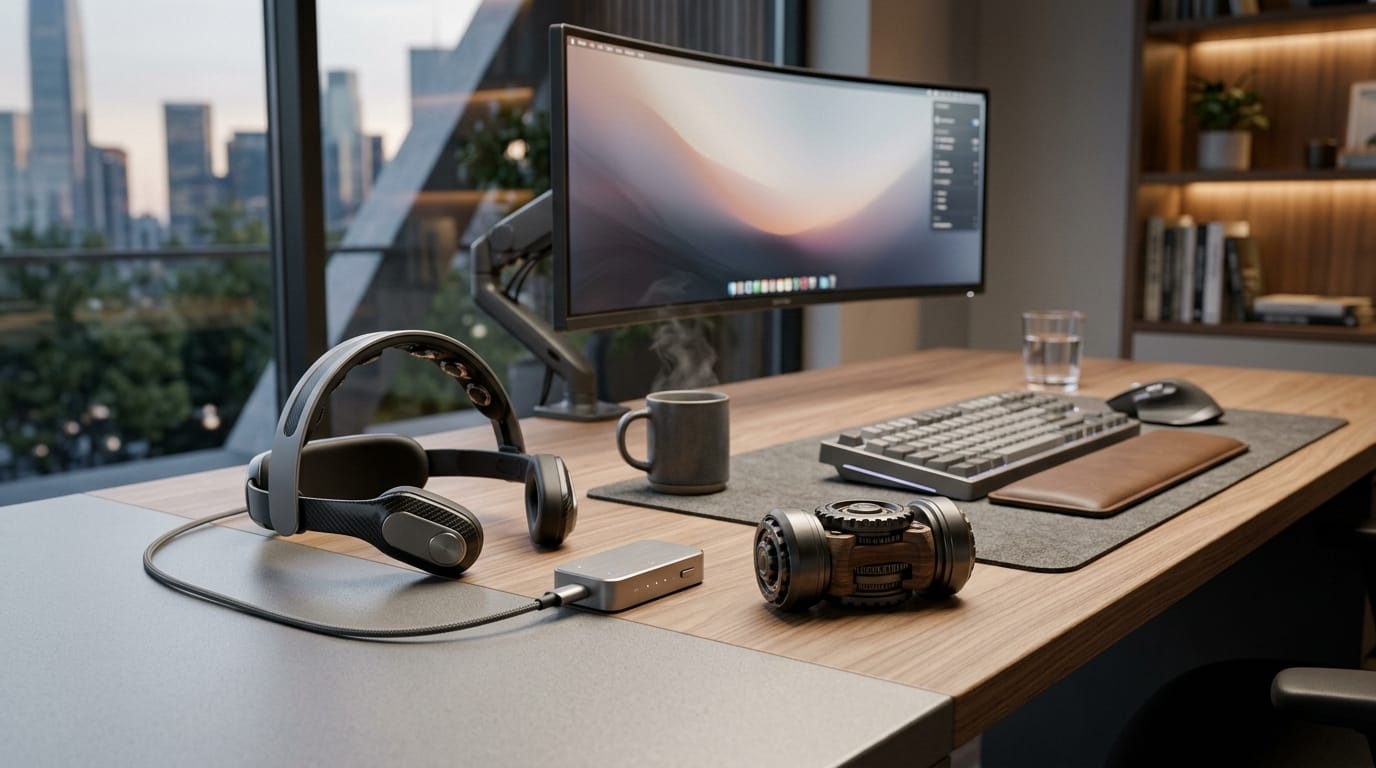
In the digital landscape of 2026, our cognitive architecture is under constant siege by the interpretative demands of high-definition pixels. When we interact with a screen, the brain must translate flat, abstract light into meaning, a process that imposes a significant metabolic tax. Contrast this with the subconscious ease of tactile engagement. While smartphone alerts trigger rapid dopamine spikes within 100-200ms, trapping the user in a cycle of digital reactivity, physical sensory tools offer a grounding alternative. As noted in a clinical desk stress guide, “Sensory grounding: Touch receptors send signals to your brain that compete with stress signals.”
The evolution of these tools has been profound. Once relegated to niche internet subcultures like ASMR or dismissed as classroom distractions—such as the early fidget spinner bans—sensory integration is now a pillar of cognitive health. Today, 72 percent of therapists endorse fidget tools for focus management, contributing to a robust ADHD productivity market valued at 7.55 billion dollars. The data bears out this shift: utilizing physical NFC tag systems to manage workflows can reduce daily screen time by an average of 1 hour and 39 minutes, yielding a 31 percent boost in overall productivity. Furthermore, the multi-sensory advantage is scientifically undeniable, with research showing that engagement of additional senses improves learning retention by 18.6 days. Whether through Grade A clinically-backed weighted sensory tools that optimize sleep or the integration of AI-enhanced haptic feedback into our future hardware, the trend is clear: we are moving toward corporate ‘recovery-friendly’ desk standards that prioritize the physical over the purely digital to alleviate our cognitive load.
The Sensory Toolkit: Matching Handheld Tools to Your Nervous Habits
In 2026, the perception of sensory regulation has shifted from niche subculture to mainstream clinical necessity. With the ADHD productivity market now valued at 7.55 billion dollars, the days of fidget spinners being relegated to classroom distractions are firmly behind us. Clinical standards now prioritize specific haptic inputs to intercept the 100-200ms dopamine spikes triggered by smartphone alerts. By utilizing physical NFC tag systems to trigger ‘focus modes,’ users are successfully reclaiming an average of 1 hour and 39 minutes of daily screen time, a shift that correlates with a 31 percent boost in overall productivity.
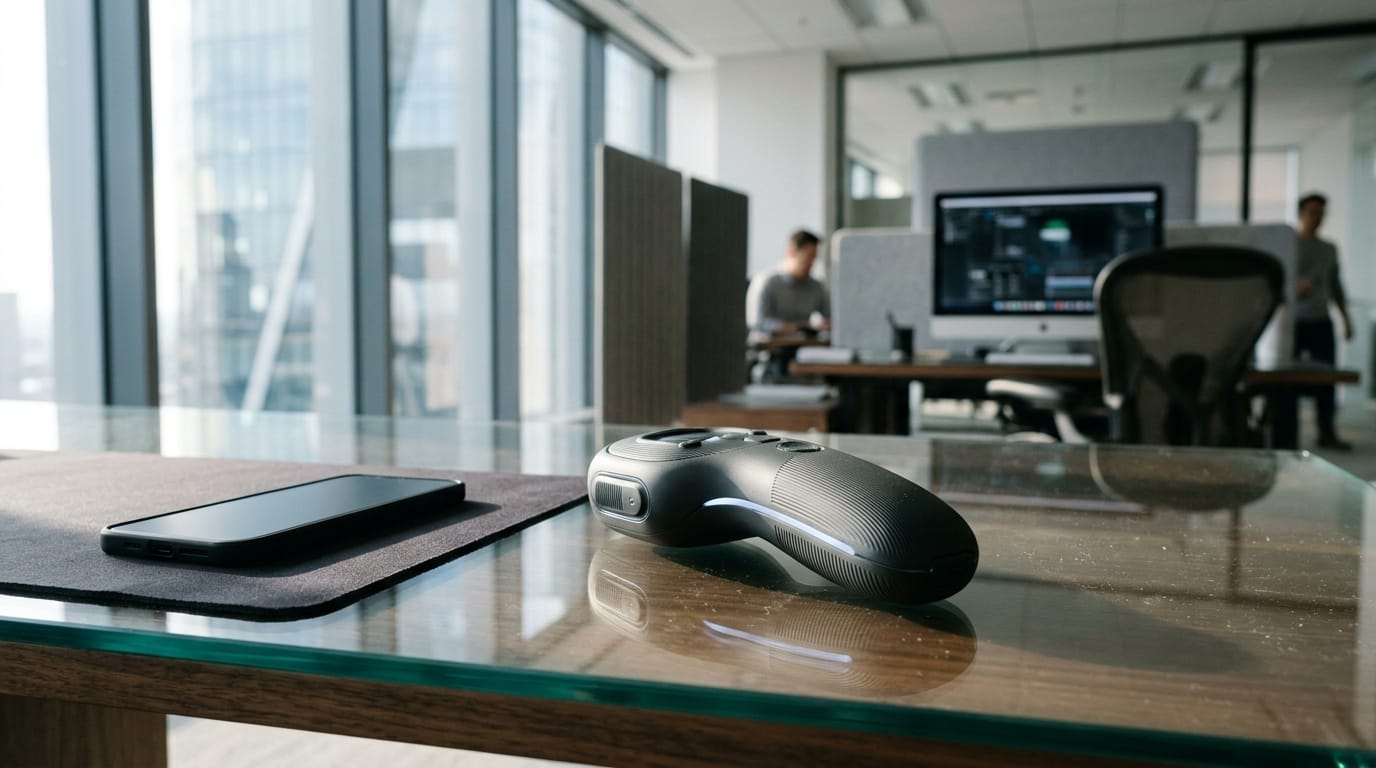
As noted in the 2026 clinical landscape, multimodal tools are the 2026 trend: combining multiple senses (tactile + auditory, visual + tactile), which research suggests can improve learning retention by 18.6 days per additional sense engaged. Therapists now suggest curating a toolkit based on three distinct categories of sensory input:
- Weighted Tools: Leveraging Grade A clinical backing, these tools are essential for grounding, proven to significantly improve sleep quality and lower physiological anxiety markers.
- Magnetic Tools: Utilizing haptic resistance, these devices offer precise ‘snap’ feedback, providing the tactile interruption required to break impulsive digital habits.
- Frictionless Tools: Designed for continuous motion, these tools cater to high-focus states where minimal sensory disruption is required, allowing the user to maintain deep-work flow.
Looking ahead, the integration of AI-enhanced haptic feedback promises to further reduce cognitive load, while corporate environments increasingly adopt ‘recovery-friendly’ standards featuring dedicated tactile grounding stations. Given that 72 percent of therapists now explicitly recommend these devices for stress and focus management, selecting the appropriate tool is no longer a matter of preference, but of personalized neurological maintenance.
The Habit Swap: Practical Steps to Replace Your Phone with a Fidget
In 2026, the perception of sensory regulation has undergone a radical clinical shift. Once relegated to niche internet subcultures or dismissed as classroom distractions for those with ADHD, fidgeting is now a cornerstone of cognitive hygiene, fueling a 7.55 billion dollar market. This transformation is rooted in the neurobiology of distraction; smartphone alerts trigger dopamine spikes in the brain within 100-200ms, effectively hijacking our attention before the conscious mind can intervene. To combat this, we must shift from digital reliance to ‘friction-based’ behavioral interventions.
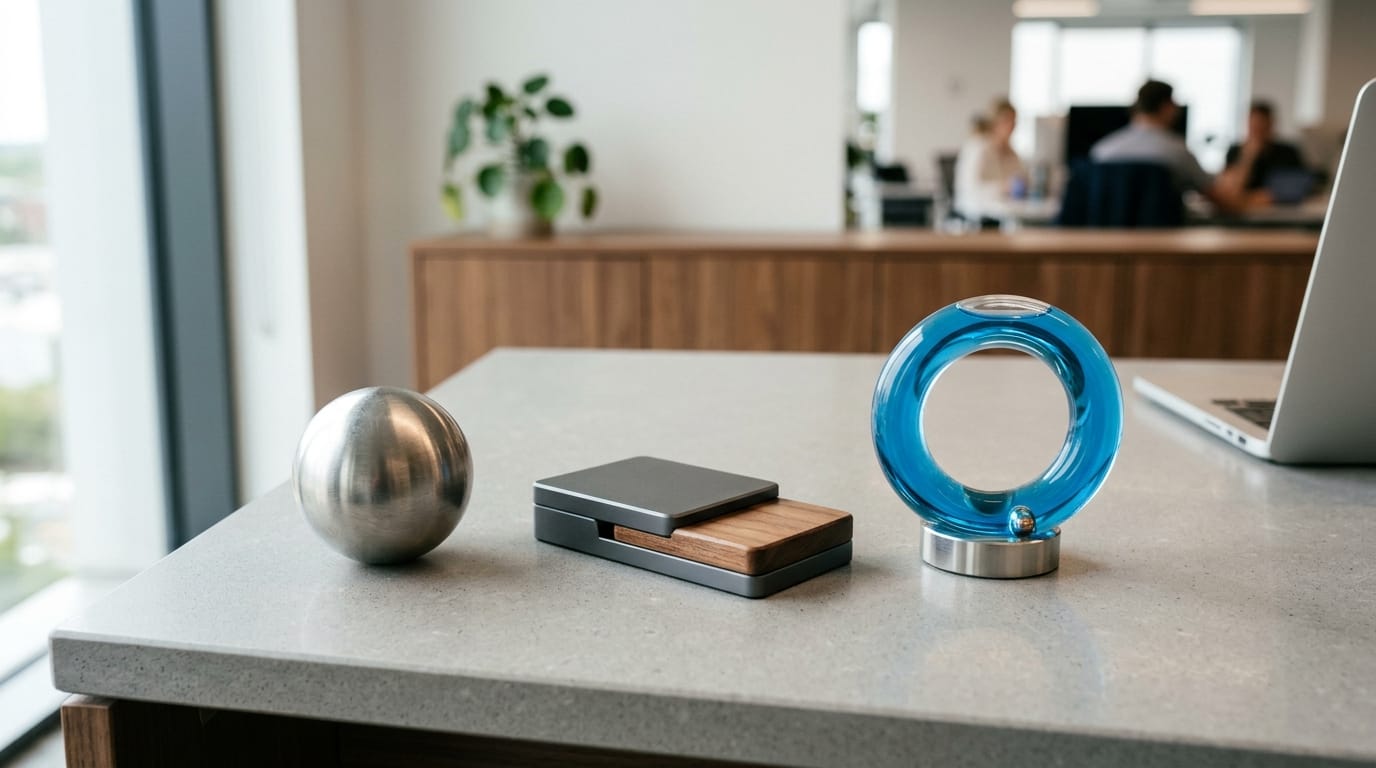
The most effective strategy involves replacing the phone with tactile grounding tools. Research indicates that physical NFC tag systems reduce daily screen time by an average of 1 hour 39 minutes through tactile interruptions, a pivot that can boost overall productivity by 31 percent. By affixing NFC tags to a desk surface, users can trigger an automated ‘focus mode’ the moment they pick up a weighted sensory tool—a practice now supported by 72 percent of therapists for stress and focus management.
For those struggling to disengage, I recommend the 5-4-3-2-1 grounding protocol: acknowledge five things you see, four things you can touch (utilizing the texture of your fidget), three things you hear, two you can smell, and one you can taste. This method, combined with weighted sensory tools—which now hold Grade A clinical backing for sleep improvement—interrupts the cycle of digital compulsivity. As we look toward the future, where AI-enhanced haptic feedback will be standard in consumer hardware and ‘recovery-friendly’ desk stations become corporate requirements, engaging multiple senses remains the most potent tool for cognitive retention, improving learning outcomes by 18.6 days per additional sense engaged.
Measuring Success: Mental Clarity and Reduced Digital Fatigue
In the landscape of 2026, the transition from viewing sensory tools as niche subcultures—once relegated to ADHD-specific interventions or dismissed as classroom distractions—has culminated in a robust 7.55 billion dollar market. This shift is rooted in the physiological reality that smartphone alerts trigger dopamine spikes within 100-200ms, creating a constant state of neurological urgency. By utilizing physical NFC tag systems to trigger manual focus states, users report an average reduction of 1 hour and 39 minutes of daily screen time. For a deeper understanding of this shift, explore Why Your Brain Craves Tactile Satisfaction and Everyday ASMR.
The efficacy of these interventions is measurable; 72 percent of therapists now integrate fidget tools into patient care, while weighted sensory implements maintain Grade A clinical backing for anxiety reduction. Furthermore, integrating multi-sensory tools has been shown to improve learning retention by 18.6 days per additional sense engaged. As noted in the Zenify World 2026 Guide, “A visible zen garden, strategically placed breathing card, or palm-smooth worry stone transforms your desk from stress-accumulation station to recovery-friendly environment.”
Looking toward the future, we anticipate the integration of AI-enhanced haptic feedback into standard hardware, further diminishing cognitive load. Ultimately, adopting a recovery-friendly environment—characterized by tactile grounding stations—is not merely about wellness; it is a catalyst for performance, yielding a quantifiable 31 percent productivity boost through the disciplined reduction of digital fatigue. – Kevin Lee
Frequently Asked Questions
Sensory breaks are intentional, brief activities that provide necessary input to the nervous system, such as stretching, tactile play, or deep breathing. By replacing passive screen use with these dynamic, grounding engagements, you regulate sensory needs, reduce digital eye strain, and foster a healthier, more balanced approach to daily stimulation.
Transitioning requires consistency and preparation. Use visual timers to provide a warning, then immediately offer an engaging, hands-on alternative like kinetic sand or a quick physical movement challenge. By front-loading the sensory reward, you make the switch away from screens feel like an exciting opportunity rather than a restrictive punishment.
Absolutely. Adults often suffer from cognitive fatigue caused by constant screen fixation. Integrating short, sensory-rich breaks—such as mindful aromatherapy, cold water splashes, or brief walks outdoors—helps recalibrate the brain. These activities interrupt the dopamine loop of digital consumption, allowing you to return to work with significantly improved focus and clarity.
Expert Resources