
Exploring Surface Textures: From Moldable to Ridged
By Kevin Lee | 5/1/2026
The Skin’s Sensory Hunger: Why Texture Matters for Focus
In the evolving landscape of neurological health, we have transitioned from viewing fidgeting as a mere distraction to recognizing it as a vital regulatory mechanism. As noted in the 2026 clinical landscape, the ADHD productivity tools sector is projected to reach $7.55 billion by 2033, reflecting a shift from niche internet subcultures like ASMR to mainstream clinical wellness. This shift is rooted in the biology of our largest organ: the skin. For the 95.8% of children with autism and up to 69% of children with ADHD who exhibit sensory processing differences, tactile engagement is not a luxury, but a biological necessity for cognitive equilibrium.
“Sensory Grounding: Touch receptors send signals to your brain that compete with stress signals,” explains the latest Zenify clinical overview. This physiological competition explains why 72% of therapists now actively recommend fidget tools for focus management. By engaging the somatosensory cortex—specifically through ridged textures that generate larger brain-activation areas than smooth surfaces—users can effectively reduce cortisol levels by 31% during intense workplace breaks. To understand the underlying neurology of these triggers, read more in our deep dive, Why Your Brain Craves Tactile Satisfaction and Everyday ASMR.
As we advance, the market is moving toward ‘multimodal’ tools that synthesize tactile, auditory, and olfactory inputs, mirroring the sophistication of modern ergonomic design. Furthermore, 2026 material trends are prioritizing sustainability; we are seeing bio-based silicone resins replace 25% of petroleum feedstock with plant-derived polymers, alongside antimicrobial nano-coatings that utilize silver ions to inhibit 99% of surface bacteria. As Kevin Lee, these advancements represent a future where self-healing, smart-silicone components meet the rigorous ESG demands of the modern corporate environment, ensuring that our sensory tools are as sustainable as they are grounding.
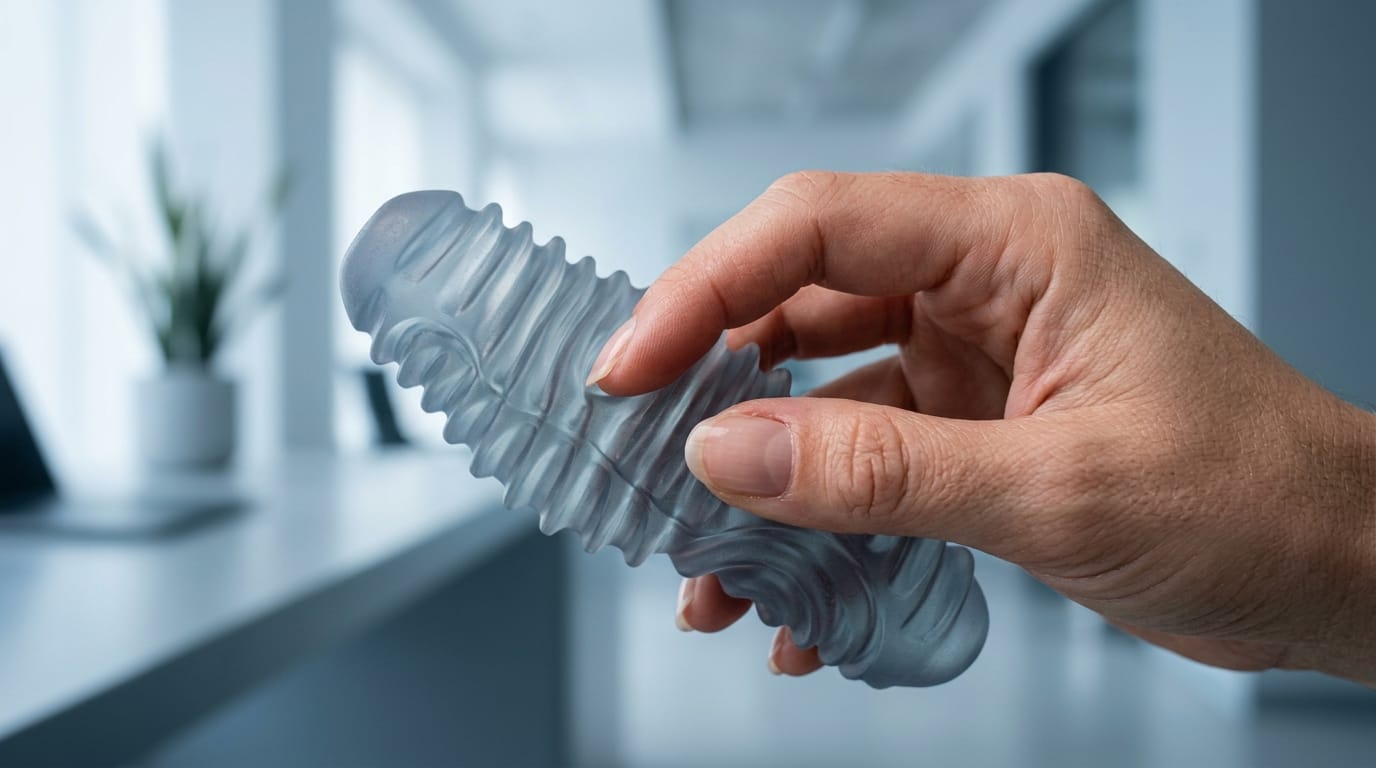
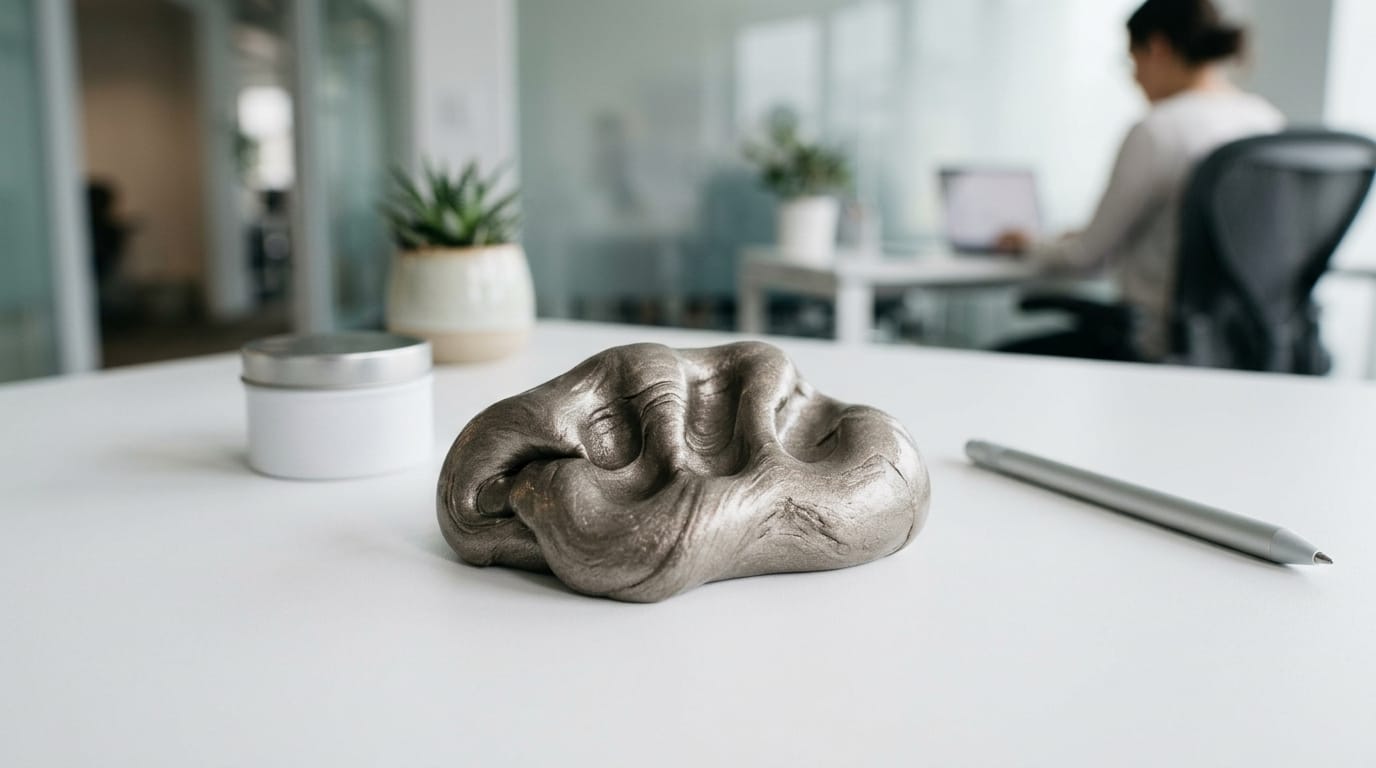
Category 1: The Malleables – Proprioceptive Input through Moldable Putty and Sand
In the evolving landscape of neurological wellness, the transition from niche subcultures to mainstream clinical integration has solidified ‘The Malleables’—moldable putties and kinetic sands—as essential tools for cognitive regulation. As we navigate a market sector projected to reach $7.55 billion by 2033, these materials offer more than mere distraction; they provide targeted proprioceptive input. Research indicates that 95.8% of children with autism and up to 69% of children with ADHD exhibit sensory processing differences, making the tactile resistance of high-grade polymers a vital bridge for regulation. As noted in Everyday Health, products like the Crags Magnetic Putty from Speks exemplify this, offering the typical fun experience of playing with putty but with a slick feel and aesthetically pleasing hue.
The efficacy of these tools is underscored by clinical data: 72% of therapists now recommend fidget tools for stress and focus management, noting that usage during workplace breaks can reduce cortisol levels by 31%. Beyond simple touch, modern engineering is elevating these materials; 2026 trends see a shift toward bio-based silicone resins that replace 25% of petroleum feedstock with plant-derived polymers, aligning with corporate ESG standards. Furthermore, to address clinical hygiene, many of these devices now feature antimicrobial nano-coatings utilizing silver ions, which inhibit 99% of surface bacteria. Whether through ridged textures that spark larger brain-activation areas in the somatosensory cortex or the slick, moldable resistance of new-age resins, the Malleables represent a sophisticated multimodal approach to maintaining focus in an increasingly distracted world.
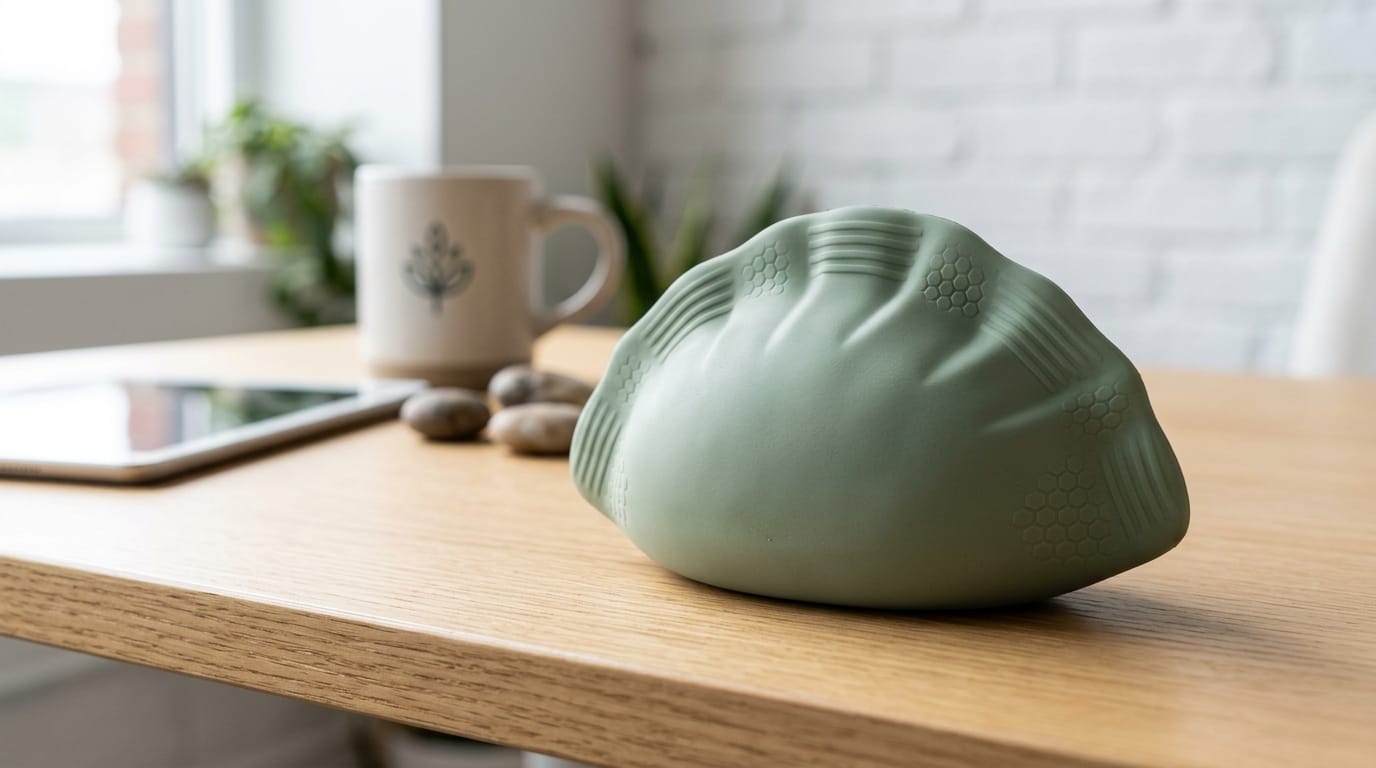
Category 2: The Resilient Squish – Deep Pressure via Silicone and Dumpling-Style Tools
The evolution of sensory regulation has matured significantly since the early, singular focus of fidget spinners. As the ADHD productivity tools sector is projected to reach $7.55 billion by 2033, the market is shifting toward sophisticated, multimodal inputs. Among these, the ‘dumpling-style’ stress ball has emerged as a clinical favorite. As noted by One Quiet Mind, classic stress-relief squishy toys—especially the 2026-updated dumpling-style stress balls—continue to be favored for their ability to provide consistent deep pressure. This is critical, given that 95.8% of children with autism and up to 69% of children with ADHD exhibit sensory processing differences that necessitate reliable tactile feedback.
The efficacy of these tools is grounded in neurobiology; research confirms that ridged textures generate larger brain-activation areas in the somatosensory cortex compared to traditional smooth surfaces. When utilized during workplace breaks, these tactile tools can reduce cortisol levels by 31%. To ensure clinical safety, 2026 iterations now frequently employ antimicrobial nano-coatings using silver ions, which inhibit 99% of bacteria on high-touch surfaces. Material sustainability also remains a priority, with manufacturers increasingly adopting bio-based silicone resins that replace 25% of petroleum feedstock with plant-derived polymers to satisfy corporate ESG mandates. As 72% of therapists now formally recommend fidget toys for stress and focus management, these resilient, squishable tools represent a intersection of clinical necessity and modern material science.
Category 3: The High-Fidelity Tactiles – Grounding through Ridges, Bumps, and Peaks
While the early 2017 fidget spinner craze served as a foundational proof-of-concept for the adult sensory market, the current 2026 landscape has evolved into a sophisticated discipline of neuro-ergonomics. Among the most effective instruments for the 95.8% of children with autism and up to 69% of children with ADHD who exhibit sensory processing differences are ‘High-Fidelity Tactiles.’ These tools utilize complex geometric ridges, bumps, and peaks to engage the somatosensory cortex far more effectively than smooth surfaces. As noted in recent neuroscientific research, the more complex the geometric structures of texture are, the larger the intensity, the area, and the PSC in brain activation are. This heightened neurological feedback is why 72% of therapists now mandate these tools for stress and focus management, effectively reducing cortisol levels by 31% when utilized during workplace breaks.
The engineering behind these tactile aids is currently undergoing a sustainable transformation. As the ADHD productivity tools sector surges toward a projected $7.55 billion by 2033, manufacturers are balancing clinical efficacy with ESG demands. Leading the shift, 2026 material trends indicate that high-performance bio-based silicone resins—replacing 25% of traditional petroleum feedstock with plant-derived polymers—are becoming the new standard. Furthermore, to address the hygiene concerns of high-touch environments, many of these multimodal tools now feature antimicrobial nano-coatings utilizing silver ions, which have been shown to inhibit 99% of bacteria on sensory surfaces. Looking ahead, the focus remains on the integration of self-healing materials and smart silicone components that will allow these tools to provide an increasingly high-fidelity sensory anchor for the modern, overstimulated mind.
Category 4: The Slick and Frictionless – Inducing Flow with Polished Metals
In the evolving landscape of 2026 workplace wellness, the shift from noisy, kinetic novelties to refined, frictionless instrumentation represents a maturity in sensory regulation. As clinical data indicates that 72% of therapists now recommend fidget tools for stress and focus management, the professional environment has embraced devices that prioritize auditory discretion and thermal comfort. This transition is underscored by the observation that ONO offers up another option: two frictionless Rollers that you can smoothly and silently turn in your hand. These polished surfaces offer a cooling tactile sensation that stands in contrast to the high-stimulus ridged textures often utilized for intensive somatosensory activation. For the 95.8% of children with autism and the 69% of children with ADHD who navigate sensory processing differences, these adult-oriented iterations provide a vital bridge into neuro-inclusive corporate culture. Beyond the immediate sensory benefits, which have been shown to reduce cortisol levels by 31% during brief workplace intervals, these tools are increasingly manufactured with antimicrobial nano-coatings that inhibit 99% of surface bacteria. As the ADHD productivity tools sector races toward a projected $7.55 billion valuation by 2033, the market is pivoting from the early, disruptive fidget spinners toward ‘multimodal’ experiences. While future iterations are slated to incorporate bio-based resins and self-healing smart components, the current gold standard remains the polished, frictionless metal roller—a tool that satisfies the cognitive need for movement without compromising the quietude of a professional setting.
Texture Mapping: Matching Your Sensory Cravings to Your Workflow
In the landscape of 2026 neuro-wellness, the transition from novelty fidget spinners to sophisticated, clinical-grade sensory implements marks a significant evolution in workplace ergonomics. With 95.8% of children with autism and up to 69% of children with ADHD exhibiting sensory processing differences, the ADHD productivity tools sector is projected to hit $7.55 billion by 2033. As these tools integrate into adult professional environments, the focus has shifted toward ‘multimodal’ implements that synthesize tactile, auditory, and olfactory stimuli. Central to this evolution is the concept of texture mapping—the practice of selecting tools that align with individual neurological profiles.
As noted in One Quiet Mind, “Effectiveness depends on personalization: The best tool isn’t the trending one—it’s the one that matches your sensory profile (seeker vs. avoider).” Sensory seekers, who benefit from high-intensity inputs, should look toward ridged textures, which generate larger brain-activation areas in the somatosensory cortex compared to smooth surfaces. Conversely, sensory avoiders may prefer the calming, rhythmic stability of smoother materials. Current material trends are also prioritizing sustainability and hygiene; modern tools now utilize bio-based silicone resins that replace 25% of petroleum feedstock with plant-derived polymers, often finished with antimicrobial nano-coatings of silver ions to inhibit 99% of surface bacteria.
The data remains compelling: 72% of therapists now recommend fidget toys for stress and focus management, and clinical evidence suggests that tactile stress relief tools can reduce cortisol levels by 31% when utilized during strategic workplace breaks. By choosing instruments—such as advanced ONO rollers—that utilize self-healing silicone and intentional texture gradients, professionals can effectively regulate their nervous systems to maintain peak cognitive performance throughout the day. — Kevin Lee
Hygiene and Durability: Maintaining Complex Surface Textures in Professional Settings
As sensory tools transition from niche desk accessories to essential workplace interventions, the focus has shifted toward balancing tactile complexity with professional hygiene standards. With 72% of therapists now recommending fidget tools for focus, and the ADHD productivity sector projected to hit $7.55 billion by 2033, durability is no longer just about structural integrity—it is about bio-security. We know that ridged textures generate significantly larger brain-activation areas in the somatosensory cortex compared to smooth surfaces, a finding that explains Why Your Brain Craves Tactile Satisfaction and Everyday ASMR. However, these complex geometries can harbor pathogens, making material innovation critical.
The 2026 manufacturing landscape is addressing this through advanced material science, notably the rise of bio-based silicone resins that integrate 25% plant-derived polymers to satisfy corporate ESG mandates. To ensure user safety, industry standards now favor silver-ion infused surfaces that inhibit up to 99% of common bacteria. By applying these antimicrobial nano-coatings to intricate, ridged sensory interfaces, manufacturers have successfully mitigated the risks associated with communal handling. This is particularly vital given that 95.8% of children with autism and up to 69% of children with ADHD exhibit sensory processing differences, requiring high-frequency contact with these tools. As we look toward a future defined by self-healing, smart-silicone components, the goal remains the same: leveraging the 31% reduction in cortisol levels provided by tactile breaks, while ensuring that the transition from past niche fidget culture to modern multimodal wellness is both clean and sustainable.
Frequently Asked Questions
Advanced surface engineering allows implants to interact seamlessly with surrounding tissue. Moldable surfaces facilitate precise anatomical adaptation, while ridged textures increase surface area to promote osseointegration. By tailoring these micro-architectures, surgeons can significantly improve long-term stability and reduce inflammatory responses in patients undergoing complex regenerative or reconstructive medical procedures today.
Current research indicates that ridged textures are safer for applications requiring mechanical fixation, as they prevent micromotion that causes tissue irritation. Conversely, smooth surfaces remain preferable for devices exposed to fluid flow to minimize bacterial adhesion. Selecting the appropriate texture is a strategic clinical decision balancing stability against infection risk.
Yes, moldable textures are revolutionary for wearable sensors. By mimicking the natural elasticity and contour of human skin, these materials ensure consistent contact without causing localized pressure sores or skin breakdown. This adaptability allows for more accurate, comfortable, and continuous data collection over extended periods during remote patient monitoring.
Expert Resources