
Designing a Recovery-Friendly Workspace for Daily Calm
By Kevin Lee | 5/1/2026
The Shift from Passive Buying to Active Workspace Design
As we transition through 2026, the wellness landscape has evolved significantly from the early 2020s, when sensory regulation tools were largely experimental subcultures or reactive home-office purchases. Today, the focus has shifted from mere product acquisition to intentional workspace architecture. As noted in the 2026 Zenify Guide to Desk Stress Relief, “the barrier isn’t effectiveness; it’s the gap between buying tools and building habits around them.” To understand why the brain demands this physical engagement, one must explore Why Your Brain Craves Tactile Satisfaction and Everyday ASMR.
Achieving regulatory success requires spatial precision. Occupational therapy guidelines emphasize that the primary reach zone for sensory tools must be strictly 8-12 inches from the keyboard to ensure rapid access. Furthermore, to combat habituation—where the brain ceases to register a stimulus—specialists recommend swapping your primary sensory tool kit every 1-2 weeks. For those utilizing bilateral stimulation, these tools must be placed on the side of the non-dominant hand, ensuring the dominant hand remains unencumbered for professional tasks. The industry has responded to this need for utility: multi-sensory tools, such as those combining tactile and auditory inputs, are now the dominant trend for 2026. Innovations like the fidget pen exemplify this shift, solving ADHD-related forgetfulness by merging functional writing instruments with sensory modulation.
While weighted sensory tools continue to hold Grade A clinical backing for their efficacy in anxiety reduction, the future of the workspace lies in passive integration. We are witnessing the early stages of sensory ‘zoning’ in corporate design and the integration of haptic feedback directly into office furniture. By treating the desk not as a static surface, but as an active recovery environment, we move beyond passive consumption and into a state of sustained neurological support.
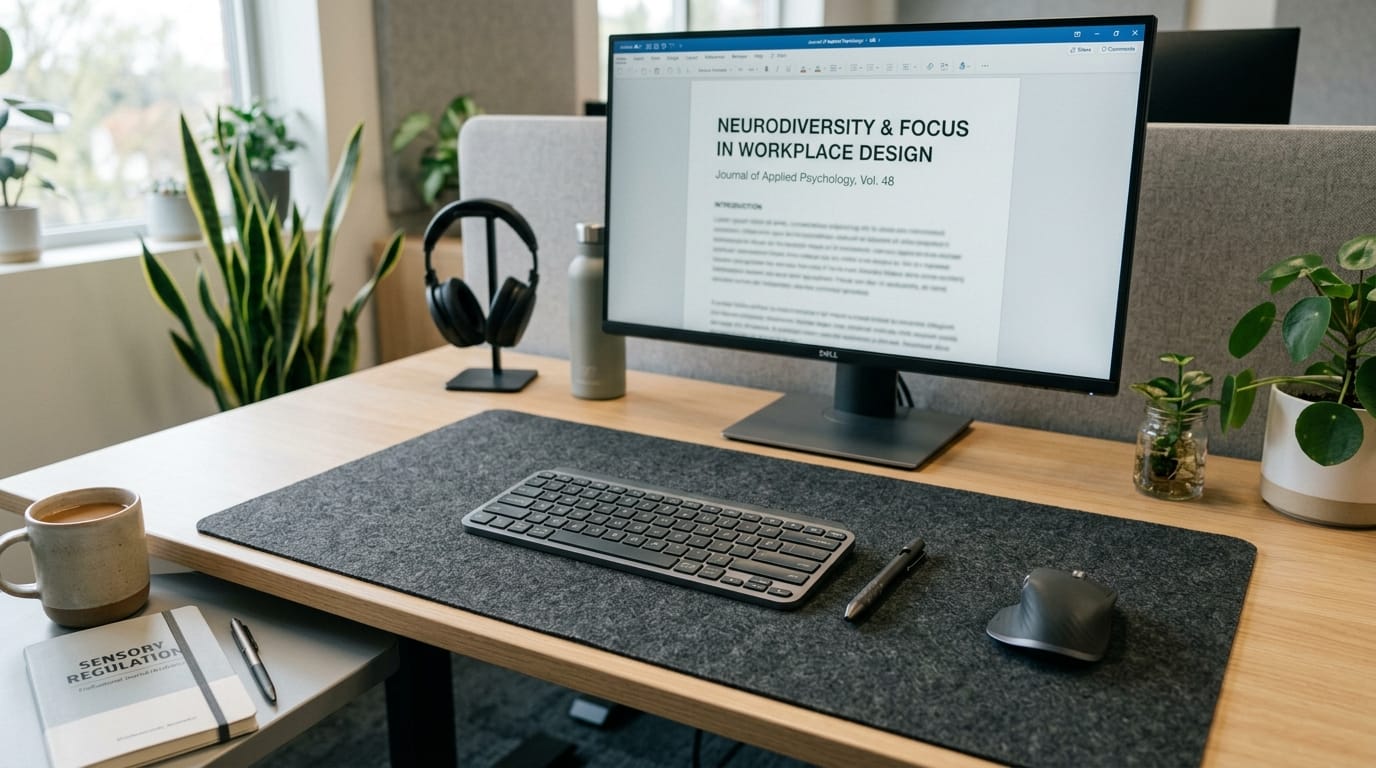
The Psychology of Sensory Cues: Turning Tools into Automatic Habits
In the transition from the niche digital subcultures of the early 2020s to the mainstream wellness frameworks of 2026, the strategy for stress regulation has shifted from passive acquisition to intentional workspace design. Central to this evolution is sensory grounding, a neurological process where, as noted in the Zenify 2026 Guide, “Touch receptors send signals to your brain that compete with stress signals.” By bypassing the cognitive load associated with willpower, these tools allow the nervous system to self-regulate through automatic habituation.
To optimize this mechanism, ergonomics are paramount. Occupational therapy guidelines mandate that the primary reach zone for sensory tools must remain within 8-12 inches of the keyboard. For those utilizing bilateral stimulation tools, placement on the side of the non-dominant hand ensures the dominant hand remains unimpeded for high-level productivity. Moreover, current clinical trends emphasize multi-sensory tools—which integrate tactile with auditory or visual inputs—due to their superior ability to command neural engagement. For instance, the widespread adoption of fidget pens has effectively mitigated ADHD-related forgetfulness by merging functional writing utilities with essential sensory feedback.
The efficacy of these tools relies heavily on novelty and weight; weighted devices now hold Grade A clinical backing for their role in anxiety reduction and sleep support. However, to prevent neural habituation, experts recommend swapping the primary sensory tool kit every 1-2 weeks. This intentional rotation maintains the brain’s alertness to sensory input, preparing the office for a future defined by sensory ‘zoning’ and haptic-integrated furniture.
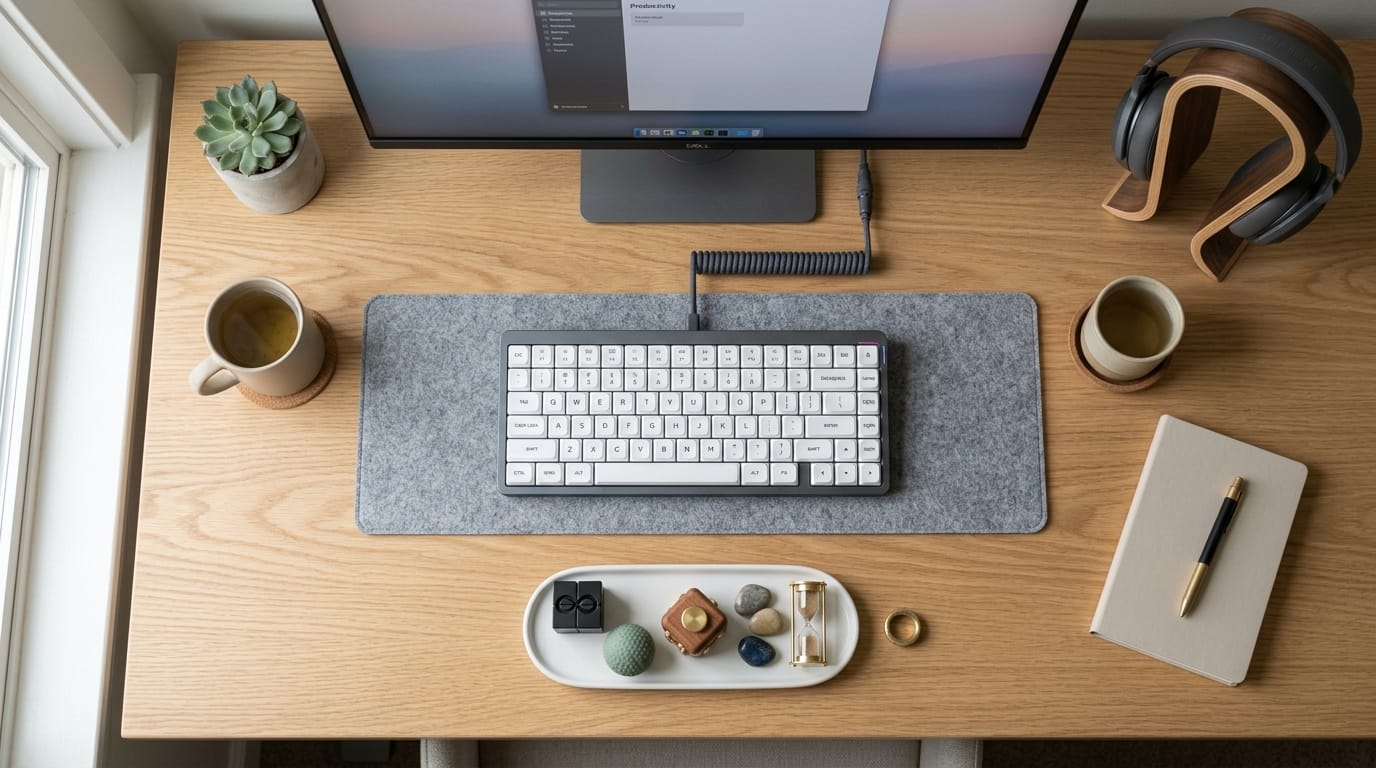
Mapping Your Desk: The Reach Zone and the Visual Horizon
In the evolving landscape of 2026, the transition from niche, internet-based fidget subcultures to intentional, evidence-based workspace design has become paramount. As remote and hybrid environments normalize adult-oriented sensory regulation, the focus shifts toward precise ergonomic architecture. According to ergonomic setup guidelines, users should place the monitor 20–26 inches away and keep the primary reach zone—8-12 inches from the keyboard—reserved for the most used sensory tool, such as a stress ball or putty, allowing for reflexive access. By optimizing this reach zone, we accommodate the trend toward multi-sensory tools, which combine tactile, auditory, or visual elements to achieve higher neurological engagement.
To maintain cognitive efficacy, occupational therapy guidelines suggest a rotational strategy: swap your primary sensory tool kit every 1-2 weeks to prevent habituation. For those utilizing bilateral stimulation tools, strategic placement on the side of the non-dominant hand is advised; this configuration ensures the dominant hand remains unencumbered for core work tasks. Furthermore, the modern desk ecosystem increasingly favors multifunctional solutions, such as fidget pens, which mitigate ADHD-related forgetfulness by merging essential writing utilities with sensory regulation. While haptic-integrated furniture and corporate sensory ‘zoning’ represent the future of office design, current clinical standards underscore the immediate benefits of weighted sensory tools, which hold Grade A clinical backing for anxiety reduction. By mapping these tools within the visual horizon and reach zone, professionals can transform their desks into an optimized infrastructure for mental and physical wellness.
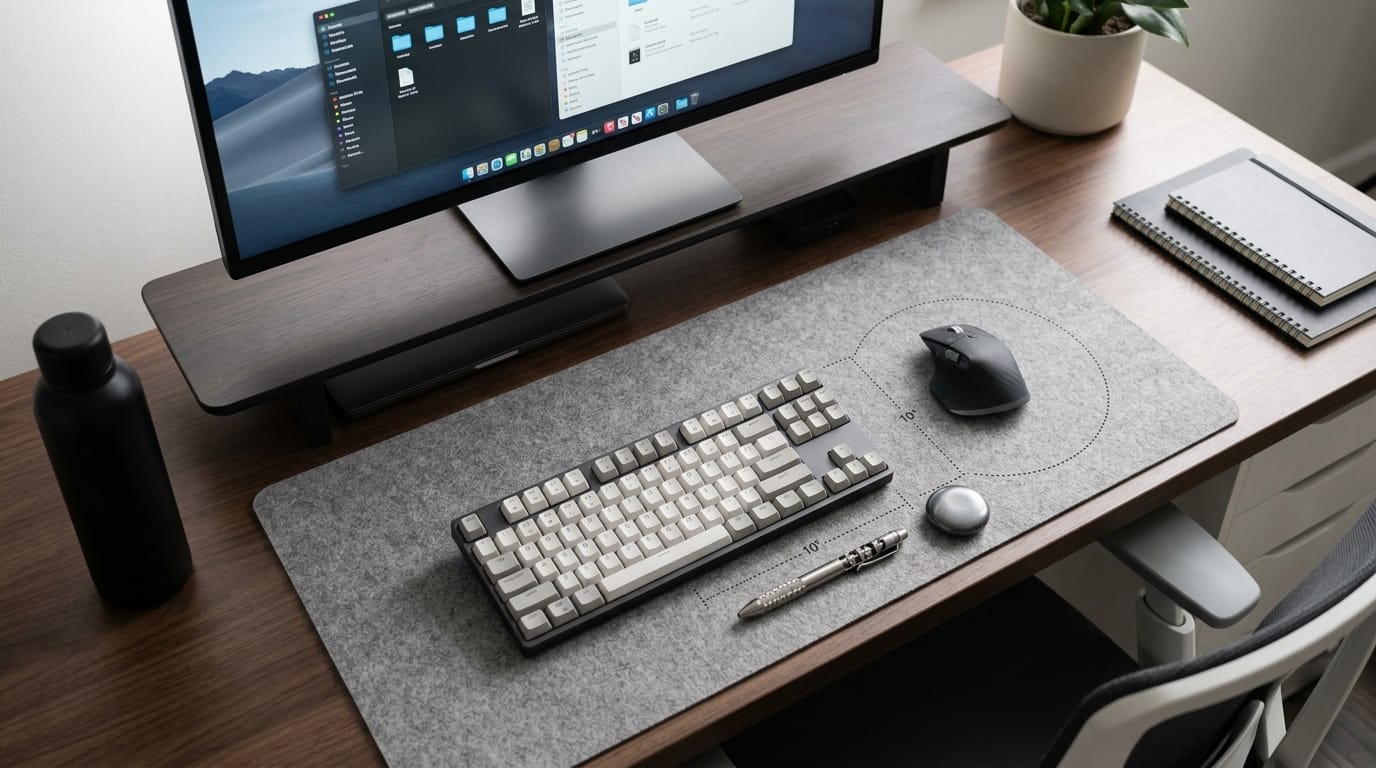
Task-Based Sensory Pairing: High Focus vs. Virtual Meetings
In the evolving landscape of 2026, the strategic deployment of sensory tools has shifted from indiscriminate use to a calculated methodology of workspace design. When engaging in high-focus tasks, occupational therapy guidelines recommend maintaining a primary reach zone within 8-12 inches of the keyboard to minimize cognitive load during transitions. To prevent the physiological habituation that typically occurs after extended use, professionals are now advised to rotate their primary sensory tool kit every 1-2 weeks. For those managing anxiety during intense production periods, weighted sensory tools have garnered Grade A clinical backing, offering reliable grounding support that stabilizes the nervous system.
Conversely, virtual meetings require a shift toward discretion. As noted in recent industry analysis, discrete options like fidget rings and spinner rings allow regulation in professional and classroom settings without drawing attention. When utilizing bilateral stimulation tools, placement should strictly favor the non-dominant hand, ensuring the dominant hand remains unencumbered for typing or interface navigation. This intentional zoning is the hallmark of 2026 productivity, moving past the early 2020s trend of mere product acquisition toward a functional, multimodal approach. The current preference leans heavily toward multi-sensory devices—those combining tactile feedback with auditory or visual input—as these yield significantly higher engagement levels. Furthermore, tools like the integrated fidget pen are solving common ADHD-related forgetfulness by merging essential writing instruments with necessary sensory input, ensuring that the regulation of focus is woven directly into the fabric of the professional workflow.
Combatting Sensory Fatigue: The Science of Tool Rotation
As we transition further into 2026, the normalization of adult-oriented desk tools—once relegated to niche internet subcultures—has evolved into a sophisticated practice of intentional workspace design. To combat sensory fatigue and avoid habituation, clinicians now emphasize a systematic rotation of sensory assets. According to current occupational-therapy guidelines, users should alternate tools on a daily basis and perform a full swap of their primary sensory kit every one to two weeks to maintain novelty and neural engagement.
Optimal workspace ergonomics demand that these tools remain within a primary reach zone of 8-12 inches from the keyboard. For those utilizing bilateral stimulation tools, placement should be strictly on the side of the non-dominant hand, ensuring the dominant hand remains unencumbered for professional tasks. While weighted sensory tools continue to hold Grade A clinical backing for anxiety reduction and sleep support, the 2026 landscape is dominated by multi-sensory devices that blend tactile elements with auditory or visual feedback to maximize engagement. Innovations like fidget pens, which merge functional writing instruments with sensory modulation, serve as effective countermeasures for ADHD-related task management. As we look toward future integrations of haptic feedback into standard office furniture and the wider adoption of sensory ‘zoning,’ the disciplined rotation of these tools remains the most accessible method for sustaining cognitive performance in a high-stimulation work environment.
Sensory Anchors: Designing the Transition from Work to Rest
As we navigate the sophisticated integration of sensory science into the 2026 professional landscape, the workday transition has moved beyond mere habit toward intentional neurological recalibration. Occupying the primary reach zone—a critical radius of 8-12 inches from the keyboard—are the sensory tools that facilitate our shift from high-cognitive output to restorative rest. While the early 2020s normalized the presence of fidget devices in remote settings, today’s focus is on multimodal engagement. Modern clinical trends favor tools that combine tactile and auditory or visual stimuli, as these offer superior engagement levels compared to single-modality devices. For those managing executive function challenges, fidget pens have become essential, effectively merging utilitarian writing implements with sensory-regulating features.
To maintain peak efficacy, occupational therapy guidelines now emphasize a rotation strategy, suggesting that users swap their primary sensory tool kit every 1-2 weeks to prevent habituation. When positioning these devices, placement is paramount: bilateral stimulation tools should be anchored on the side of the non-dominant hand, ensuring the dominant hand remains unencumbered for final professional tasks. Furthermore, weighted sensory tools have garnered Grade A clinical backing, proving their utility in acute anxiety reduction and facilitating the physiological state required for sleep.
The current evolution of our workspace—moving from simple product acquisition to intentional sensory ‘zoning’—finds its peak expression in the ritual of closing the workday. As noted by experts at SoulSpace Incense, “A mindful transition could be as simple as placing a hand on the heart… Sensory Grounding: Aroma, Breath, and Texture.” By pairing tactile anchors with olfactory cues, professionals can effectively signal the cessation of cognitive labor. Looking ahead, we anticipate a future where this sensory architecture is embedded directly into our environment, including haptic feedback integrated into textured desk pads and mouse surfaces, cementing the physical workspace as a dual-purpose zone for both productivity and neurological recovery.
Conclusion: Your Desk as a Supportive Mental Health Ecosystem
The evolution of the modern workspace from the 2020s to 2026 marks a paradigm shift from simple accommodation to the creation of active, therapeutic ecosystems. What began as niche internet subcultures around ASMR and fidget tools has matured into a sophisticated, evidence-based approach to professional well-being. As explored in our examination of Why Your Brain Craves Tactile Satisfaction and Everyday ASMR, our neural architecture demands intentional interaction with our environment. The current trend prioritizes multimodal engagement, with sensory tools—particularly weighted objects with Grade A clinical backing for anxiety reduction—becoming essential components of the workstation.
To maintain peak neurological regulation, occupational therapy guidelines suggest a cyclical approach, swapping your primary sensory kit every 1-2 weeks to prevent habituation. For optimal efficacy, tools should be maintained within the primary reach zone of 8-12 inches from the keyboard, with bilateral stimulation devices placed on the side of the non-dominant hand to preserve workflow continuity. Innovations such as fidget pens now serve a dual purpose, mitigating ADHD-related forgetfulness by merging utility with sensory input, a testament to the effectiveness of multi-sensory tools that dominate the 2026 wellness landscape as detailed in this Zenify World 2026 Guide. As we look toward the future of haptic-integrated furniture and designated sensory zoning in corporate architecture, the mantra remains clear: “Your workspace should actively support your mental health, not merely accommodate it.”—Kevin Lee.
Frequently Asked Questions
A recovery-friendly workspace integrates biophilic design, adjustable sensory lighting, and designated quiet zones to minimize cognitive fatigue. By prioritizing ergonomic support alongside noise-canceling technology, these environments reduce physiological stress markers, allowing employees to maintain mental clarity and emotional stability throughout their daily professional obligations in a modern, fast-paced work landscape.
You can personalize your space by incorporating air-purifying plants, minimalist organizational tools, and soft, warm-spectrum lighting to regulate your circadian rhythm. Introducing tactile elements like desk textures or acoustic dampening panels helps curate a serene sensory experience, effectively lowering anxiety levels and fostering a sustained state of professional tranquility.
Yes, recovery-focused designs are highly beneficial for neurodivergent individuals by providing predictable, low-stimulus environments. Customizable workstations that allow for adjustable acoustics, lighting intensity, and private breakout spaces empower employees to regulate sensory input independently. This supportive structure significantly boosts long-term focus, professional productivity, and overall psychological well-being at work.
Expert Resources