
Screen-Free Sensory Wind-Down Routine for Better Sleep
By Kevin Lee | 4/30/2026
The Doomscrolling Loop: Why Screens Win the Bedtime Battle
In the quiet of 2026, the battle for our circadian health is no longer fought against ambient noise, but against the relentless micro-reward systems embedded in our devices. As noted in a recent report on dopamine overload and tech detox, “every buzz, ping, bell, and whistle from your phone can set off a chain reaction of dopamine in your brain that reinforces reward, motivation, and pleasure.” This rapid-fire dopamine delivery disrupts the brain’s necessary transition toward the ‘slow-dopamine’ states required for restorative sleep. While traditional sleep hygiene long relied on digital apps—often ironically keeping users tethered to the very screens they sought to abandon—we are now seeing a paradigm shift toward clinical, non-digital wellness interventions.
The current landscape of sleep science suggests that reclaiming our rest requires a departure from digital stimulation in favor of tactile grounding. Research indicates that bilateral stimulation, achieved through repetitive hand movements, activates both brain hemispheres to interrupt the feedback loops of nocturnal anxiety. Clinically, Why Your Brain Craves Tactile Satisfaction and Everyday ASMR has transitioned from a niche subculture to a cornerstone of modern sleep medicine. Evidence now confirms that tactical stress relief tools can reduce cortisol levels by 31% when used effectively, with weighted options often producing measurable reductions within just 5-10 minutes. For optimal clinical results, 2026 guidelines recommend a 15-20 minute tactile routine for sleep onset, with sensory tools positioned within a 30-45 cm reach of the bedside for optimal ergonomics.
While products like Speks Crags magnetic putty offer a slick, satisfying tactile experience, they require careful handling due to their potential for disorganization if dropped. As we look toward the future, we anticipate a more permanent neuroplastic rewiring of our cortico-striatal loops through these consistent tactile practices, coupled with the integration of medical-grade elastomers designed to blend seamlessly into the modern home. By replacing the digital ‘ping’ with the grounding weight of physical sensory tools, we move toward a future where our devices no longer hold total sovereignty over our nightly rhythms.
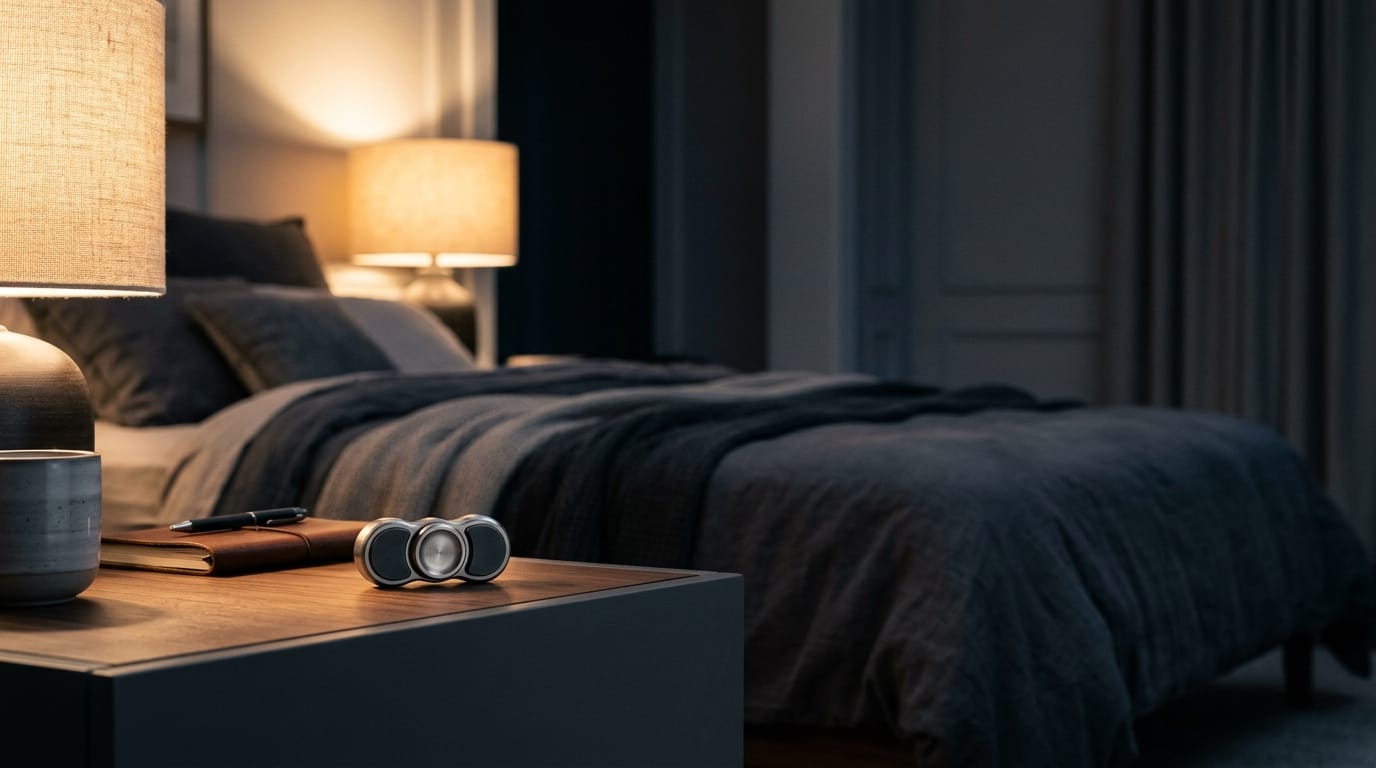
Sensory Anchoring: The Science of Using Tactile Cues to Downregulate the Nervous System
As clinical focus shifts from the digital-first sleep interventions of the early 2020s toward more robust, multimodal wellness strategies, the biological efficacy of tactile grounding has become a cornerstone of neurological regulation. The mechanism is rooted in the body’s peripheral nervous system, specifically the mechanoreceptors located in the skin. As noted in recent clinical analysis, sensory grounding relies on the principle that touch receptors send signals to your brain that compete with stress signals. By saturating the sensory cortex with deliberate tactile input, we can effectively override the sympathetic ‘fight-or-flight’ response.
Data indicates that tactile stress relief tools are capable of reducing cortisol levels by 31% when utilized effectively, with weighted implements often inducing measurable physiological shifts within 5-10 minutes. This shift represents a departure from the screen-based habits of the past, as experts now recommend a 15-20 minute tactile routine to facilitate healthy sleep onset. To ensure these habits are sustainable, modern design standards dictate that bedside sensory tools should be stored within a 30-45 cm reach for optimal ergonomics. While tools like Speks Crags magnetic putty offer a slick, tactile experience that can be highly effective, users should be mindful of the physical maintenance required, as they can be messy if the tiny magnetic pebbles are dropped.
Bilateral stimulation—achieved through repetitive, symmetrical hand movements—serves as a critical intervention by activating both brain hemispheres simultaneously to interrupt escalating anxiety loops. Looking toward the future, these interventions aim for more than momentary relief; by consistently engaging in tactile grounding, we are observing the potential for neuroplastic rewiring of cortico-striatal loops to permanently reduce screen dependency. As the industry moves toward integrating medical-grade elastomers into aesthetically compatible home designs, the bridge between niche internet subcultures and mainstream clinical wellness is now fully realized.
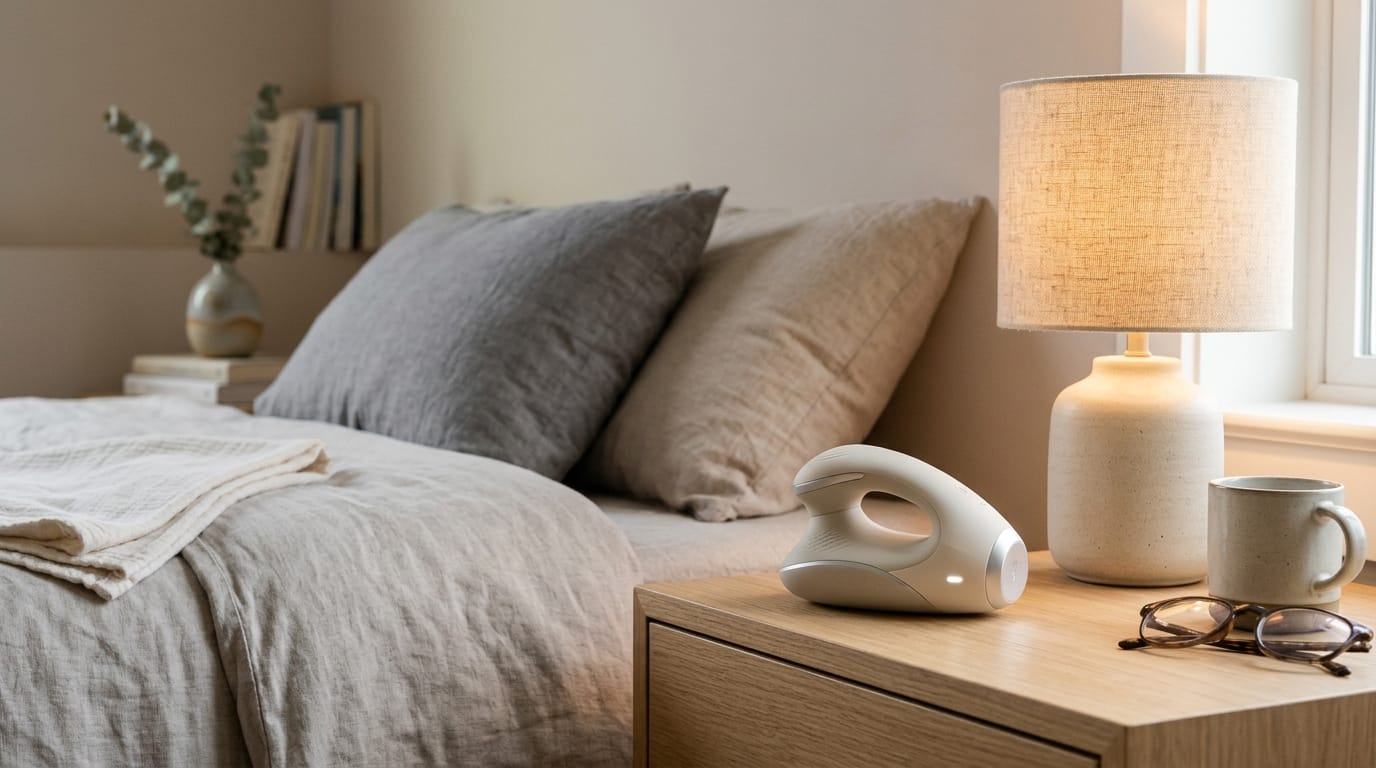
The 30-Minute Analog Transition: A Step-by-Step Sensory Sequence for Sleep Onset
As clinical practice shifts away from screen-dependent digital sleep aids toward multimodal sensory regulation, the 30-minute analog transition has become the gold standard for restoring circadian health. Per current 2026 protocols, the sequence begins with a brief (≈5 min) whole-body deep-pressure stimulus such as a weighted blanket or light body wrap to promote parasympathetic activation [Clinical Guidelines for Sensory Sleep Intervention]. This initial application of weighted tools is critical, as data indicates a measurable cortisol reduction within 5-10 minutes of use. Following this, the transition focuses on bilateral stimulation through repetitive hand movements; by engaging both brain hemispheres, this method effectively interrupts lingering cognitive anxiety that often keeps users tethered to screens.
To maintain a seamless transition, your bedside environment should be calibrated for ergonomic efficiency, with all chosen sensory tools stored within a 30-45 cm reach. While tactile stress relief tools—which can reduce cortisol levels by 31% when used effectively—are now mainstream, material selection remains vital. For instance, while Speks Crags magnetic putty offers a refined tactile experience, clinicians advise caution regarding its maintenance, as the tiny magnetic pebbles can be difficult to manage if dropped. For optimal neurological grounding, experts recommend a consistent 15-20 minute tactile routine to facilitate sleep onset. By replacing the habit of digital consumption with these repetitive, grounding tactile loops, we move toward permanent neuroplastic rewiring, effectively decoupling the brain’s reliance on screens for pre-sleep stimulation.
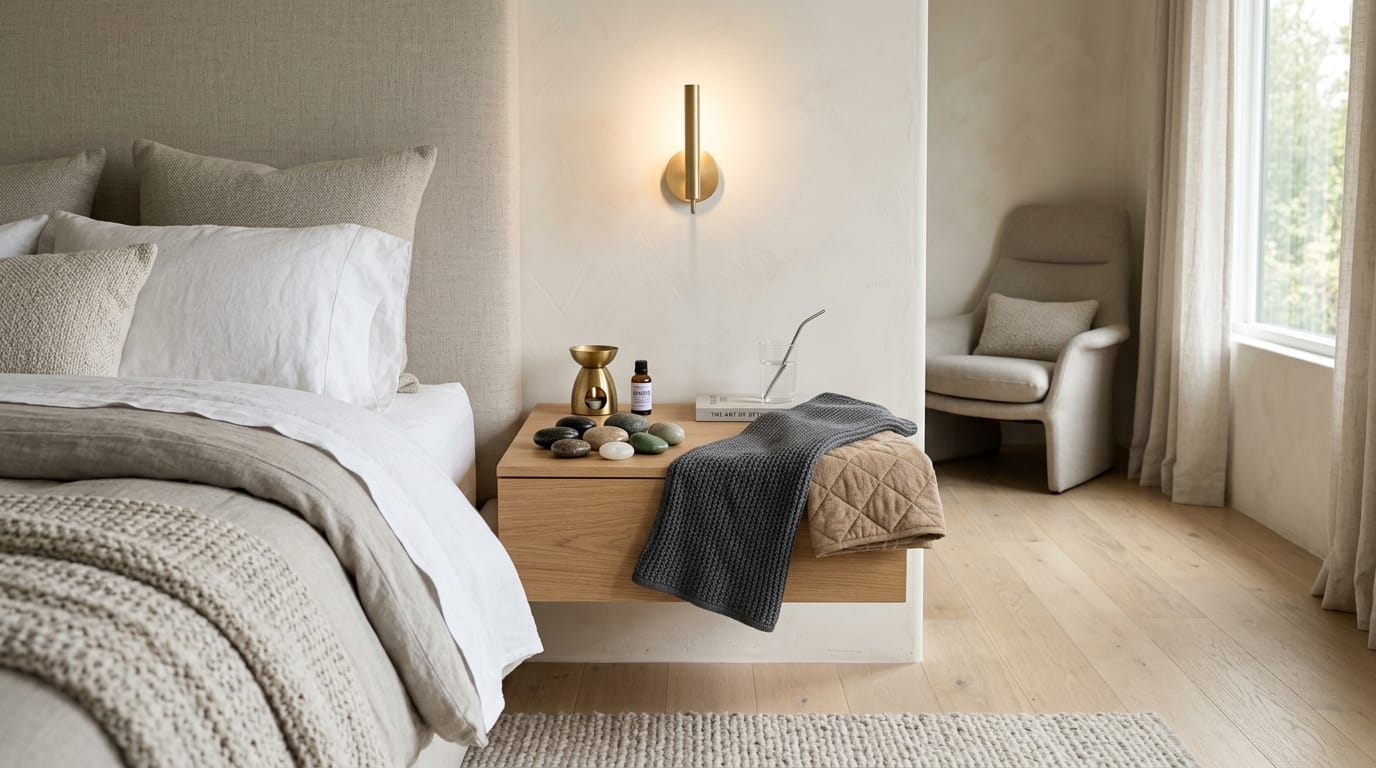
Choosing Your Bedside Arsenal: Comparing Weighted, Magnetic, and Visual-Tactile Tools
As we pivot away from the digital-heavy sleep hygiene protocols of the early 2020s, the current 2026 clinical landscape favors multimodal tools that provide tangible, non-digital grounding. When assembling your bedside arsenal, ergonomics remain a priority; sensory tools should be stored within a 30-45 cm reach to maintain a low-stimulation state during the pre-sleep transition. For patients seeking the most robust physiological response, weighted tools have the strongest evidence: Grade A clinical backing for sleep and anxiety, consistently demonstrating measurable cortisol reduction within 5-10 minutes of use.
For those requiring dynamic regulation, ONO rollers offer a tactile, silent experience that utilizes bilateral stimulation—a technique that interrupts anxiety loops by engaging both brain hemispheres through repetitive hand movement. While the market sees a rise in medical-grade, aesthetically pleasing sensory products, users must weigh sensory profiles against practical maintenance. For instance, while Speks Crags magnetic putty provides an innovative, slick sensory feel, it requires cautious handling; if dropped, the tiny magnetic pebbles can become a domestic nuisance. Regardless of the tool chosen, clinical guidelines currently recommend a 15-20 minute routine for optimal sleep onset, as research indicates that effective tactile grounding can reduce cortisol levels by 31%. By shifting from screen-based engagement to these sensory-rich interventions, patients can begin the long-term work of neuroplastic rewiring, effectively decoupling sleep onset from digital dependency.
Habit Stacking: Simple Strategies to Reach for Sensory Tools Instead of Your Phone
The evolution of sensory regulation has moved beyond niche internet subcultures into mainstream clinical practice, yet a persistent behavioral hurdle remains. As noted in the Zenify 2026 industry guide, “the barrier isn’t effectiveness; it’s the gap between buying tools and building habits around them.” To bridge this divide, we must leverage environmental design to make sensory engagement the path of least resistance.
Clinical data confirms that tactile stress relief tools can reduce cortisol levels by 31% when used effectively, with weighted options providing measurable relief within 5-10 minutes. By practicing ‘habit stacking’—anchoring sensory use to existing rituals—we can initiate the neuroplastic rewiring of cortico-striatal loops, permanently reducing our reflex to reach for a screen. For instance, expert 2026 guidelines suggest a 15-20 minute tactile routine to assist sleep onset, effectively replacing the problematic stimulation of digital apps.
Ergonomics play a critical role in this transition. Bedside sensory tools must be stored within a 30-45 cm reach; if the tool is not immediately accessible, the brain will default to the phone. When choosing your toolkit, consider that while tools like Speks Crags magnetic putty offer a slick, satisfying feel, they may prove impractical in low-light sleep environments due to the risk of scattering tiny magnetic pebbles. Instead, prioritize multimodal tools that combine feedback to facilitate bilateral stimulation, a process that interrupts anxiety cycles by engaging both brain hemispheres. By intentionally designing our physical space to prioritize these tactile anchors, we turn sensory grounding into a subconscious reflex rather than an arduous chore.
Summary: Creating a Sustainable Nightly Recovery Environment
As we conclude our analysis, it is clear that the transition of ASMR and fidget-based interventions from niche internet subcultures to clinical wellness necessities marks a pivotal shift in modern recovery. For years, sleep hygiene was tethered to digital screens that often exacerbated rather than alleviated nocturnal hyperarousal. By contrast, the 2026 clinical standard favors a multimodal approach that prioritizes tactile, visual, and auditory grounding to facilitate a systemic transition into rest. Central to this approach is the concept that Why Your Brain Craves Tactile Satisfaction and Everyday ASMR can bridge the gap between cognitive overstimulation and physiological repair. As one industry expert noted, “Your workspace should actively support your mental health, not merely accommodate it” (Zenify 2026); this philosophy must now extend to the bedside.
Evidence indicates that tactile stress relief tools are capable of reducing cortisol levels by 31% when utilized correctly, with weighted instruments demonstrating measurable effects within just 5-10 minutes. Current expert guidelines advocate for a structured 15-20 minute tactile routine to assist with sleep onset, utilizing bilateral stimulation to engage both brain hemispheres and effectively interrupt anxiety cycles. For sustainable integration, ergonomics remain vital: bedside sensory tools should be kept within a 30-45 cm reach. While versatile tools like Speks Crags magnetic putty offer excellent tactile feedback, users should exercise caution, as they can become difficult to manage if dropped due to their tiny magnetic components. Looking forward, the goal is the neuroplastic rewiring of cortico-striatal loops to permanently reduce screen dependency through the integration of medical-grade, aesthetically refined sensory products. By treating the bedroom as a sanctuary for sensory recovery, we move beyond mere rest toward a deeper, more intentional nightly restoration. – Kevin Lee
Frequently Asked Questions
Sensory activities, such as tactile grounding or gentle rhythmic movement, calm the nervous system by shifting focus away from blue-light-induced alertness. By engaging the senses through touch and sound rather than visual stimulation, you lower cortisol levels, effectively signaling to your brain that it is time to transition into restorative sleep.
In our increasingly digital world, constant exposure to high-energy light disrupts melatonin production, the hormone essential for regulating sleep-wake cycles. By implementing a screen-free wind-down routine, you minimize light-induced wakefulness, allowing your body’s natural circadian rhythm to recalibrate and promote deeper, more consistent cycles of REM and deep sleep.
Yes, sensory-based techniques are highly effective for all ages. While children may benefit from soft textures and repetitive rocking, adults often find relief through progressive muscle relaxation or weighted therapy. Tailoring these sensory inputs helps everyone disengage from the day’s stress, promoting a shared environment conducive to better nighttime rest.
Expert Resources