
Discreet Sensory Tools for Professional Focus
By Kevin Lee | 4/30/2026
The High-Stakes Focus Crisis: Why Professional Meetings Drain Sensory Reserves
In the high-pressure landscape of 2026, the modern professional meeting has evolved into a significant physiological tax. According to recent data, 77% of American workers report feeling stressed at work, with 57% experiencing burnout due to work-related demands, as highlighted in this industry-standard stress analysis. This cognitive fatigue is not merely psychological; it is a profound depletion of sensory reserves that leaves employees struggling to maintain focus during critical discourse.
Historically, the mechanisms of self-regulation—such as ASMR or fidgeting—were relegated to the fringes of internet culture or viewed as markers of childhood development. Early fidget tools were often disruptive, noisy, or visually discordant, which cemented a workplace stigma that discouraged their use. However, as we explore Why Your Brain Craves Tactile Satisfaction and Everyday ASMR, the clinical reality is shifting. Research now indicates that tactile stress relief tools reduce cortisol levels by 31%, and the use of accessible sensory aids has been shown to improve focus duration by 28%.
This shift in perspective is evidenced by the 21% or greater year-over-year increase in HR accommodation requests for sensory equipment. The modern workplace is responding by integrating executive-grade, silent, and aesthetic tools—frequently categorized as ‘high discretion’ for their ability to be utilized at a desk without drawing unwanted attention. As we move toward ‘phygital’ work environments that synthesize physical sensory zones with digital feedback, we are witnessing the emergence of universal design principles that will soon make these tools a staple in standard office supply catalogs. By normalizing these habits as professional performance markers, we are finally addressing the sensory crisis head-on, transitioning from a culture of endurance to one of biological optimization.
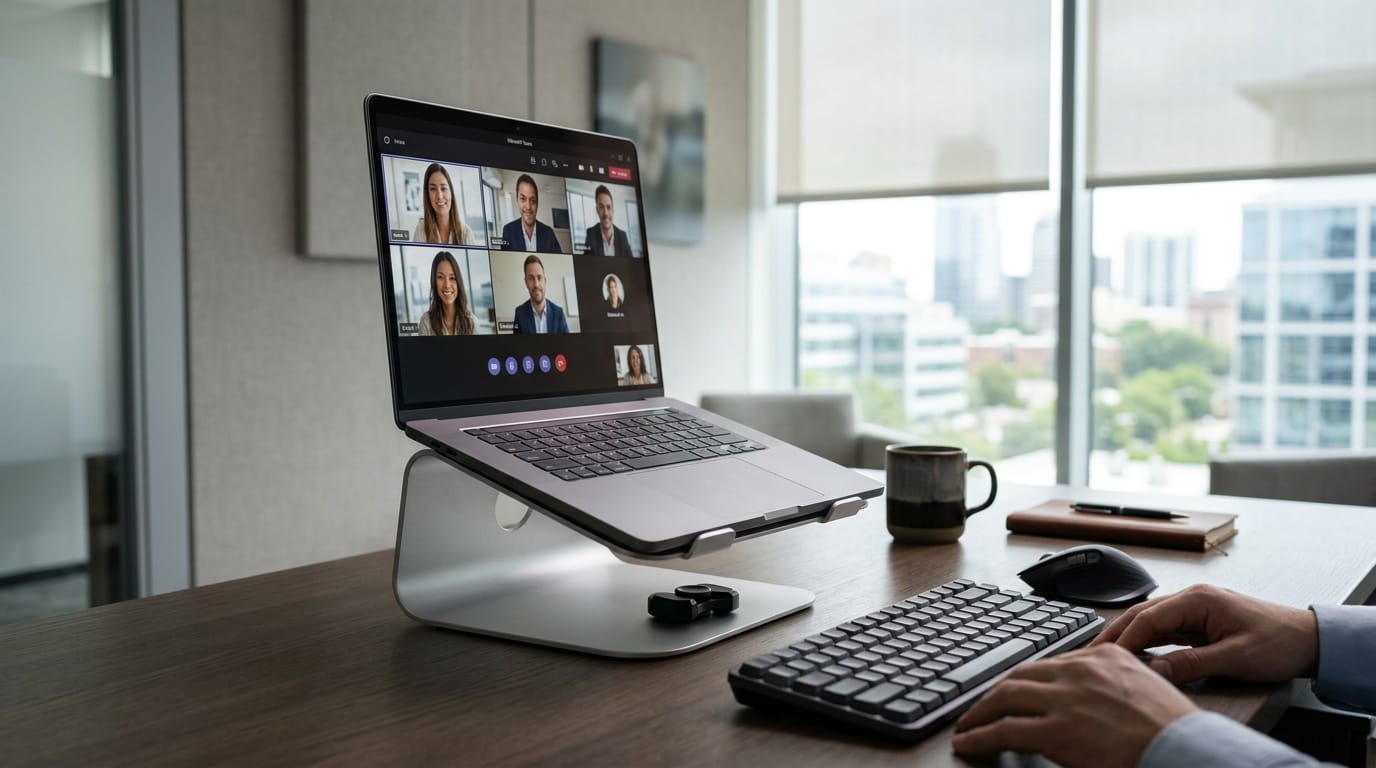
The ‘Hidden in Plain Sight’ Philosophy: Design Criteria for Executive Tools
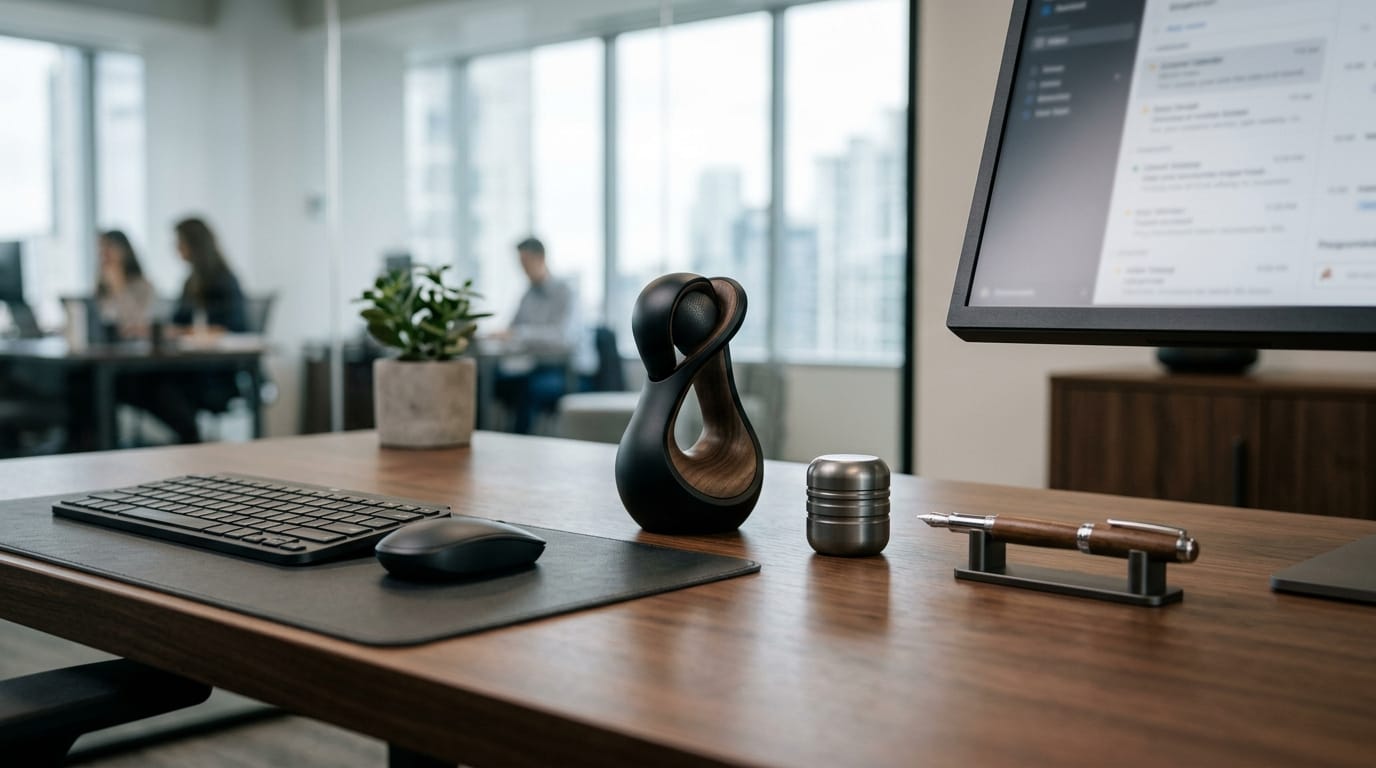
In the professional landscape of 2026, the paradigm of stress management has shifted from stigmatized habits to essential performance architecture. Previously, sensory regulation—often associated with ASMR or fidgeting—was relegated to niche internet subcultures or viewed as juvenile behavioral quirks. Early iteration fidget tools, often characterized by neon plastics and disruptive clicking, only served to exacerbate workplace stigma. However, as 77% of American workers report significant stress in the office, the corporate environment has reached an inflection point. Data indicates that tactile stress relief tools can reduce cortisol levels by 31%, while accessible sensory interventions improve focus duration by 28%, prompting a 21% year-over-year increase in HR accommodation requests for these devices.
This transition has birthed the ‘hidden in plain sight’ philosophy, a design mandate that prioritizes executive-grade, silent, and aesthetic tools that integrate seamlessly into a desk environment. According to One Quiet Mind, the core objective is to “blend discreet design with multisensory feedback, emphasizing quiet, portable, and aesthetically‑compatible options.” These high-discretion tools allow professionals to self-regulate without drawing undue attention, effectively bridging the gap between neurological need and corporate decorum. Looking forward, we are seeing the rise of ‘phygital’ workspaces where physical sensory ergonomics meet digital support, suggesting that universal design principles will soon make these tools a standard fixture in professional supply catalogs.
The Fidget Pen: A Masterclass in Multi-Functional Discretion
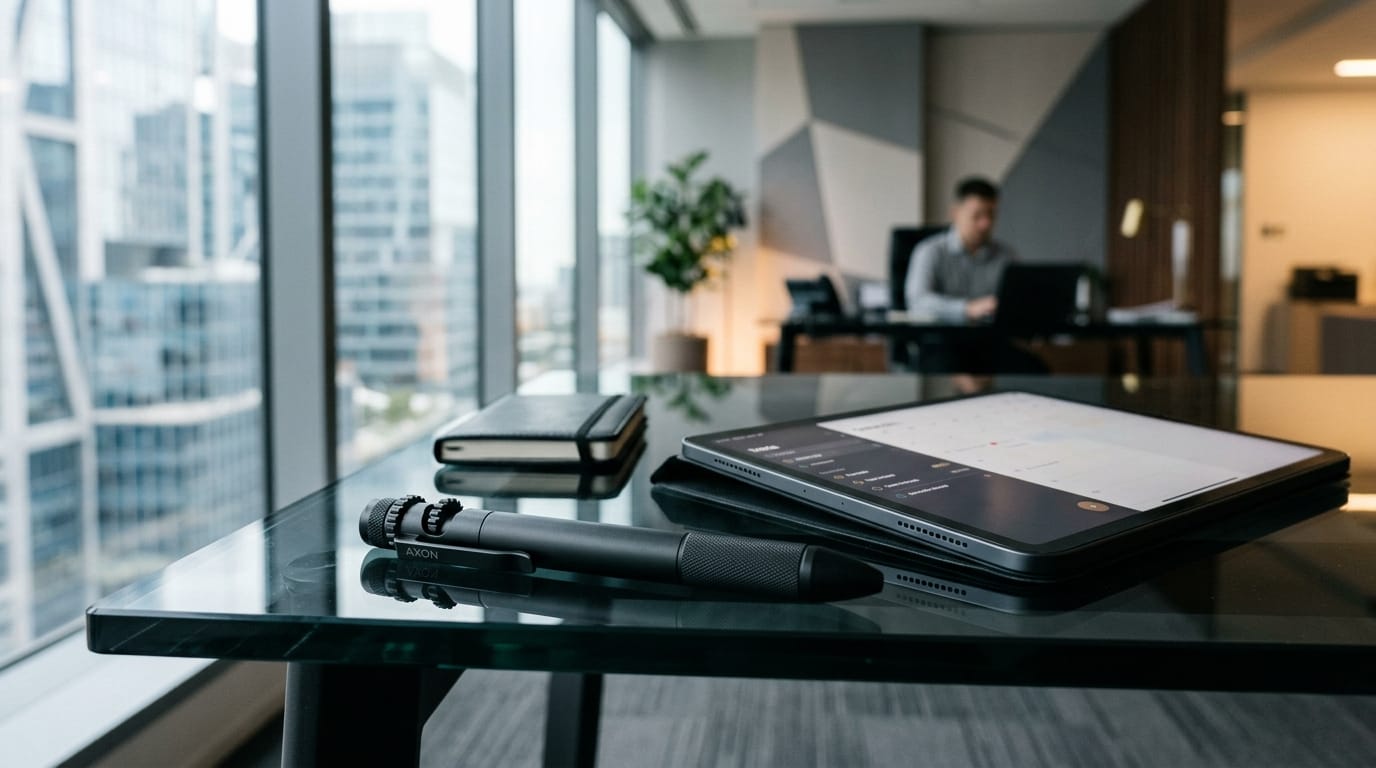
In the high-pressure landscape of 2026, where 77% of American workers report significant workplace stress, the professional approach to cognitive regulation has undergone a radical transformation. What were once dismissed as niche childhood behaviors—ASMR and tactile fidgeting—are now recognized as essential performance strategies. Early, disruptive tools that fueled workplace stigma have been replaced by high-discretion instruments like the fidget pen, specifically engineered for environments where silent, aesthetic, and functional integration is paramount.
The clinical utility of these devices is striking: research indicates that accessible sensory tools can improve focus duration by 28%, a critical asset for professionals managing ADHD-related executive function hurdles. By providing a subtle outlet for kinesthetic energy, these tools facilitate a 31% reduction in cortisol levels. This shift is reflected in administrative data, with HR accommodation requests for such sensory aids rising by at least 21% year-over-year. As noted in the professional review found at WPsychService’s guide to adult fidget tools, “The Fidget Pen easily blends into almost any setting, offering a ‘hidden in plain sight’ experience. It acts like Superman in disguise.”
The evolution toward these discreet tools marks a departure from traditional workplace design, moving toward a future where universal design principles make sensory regulation a standard feature of the office supply ecosystem. As we transition into increasingly ‘phygital’ workspaces, the ability to maintain internal equilibrium through a familiar, functional object like a pen suggests that the future of corporate performance lies in the seamless, silent intersection of form and utility.
Professional Wearables: Sensory Support Masked as High-End Jewelry
In the evolving landscape of 2026, the stigma surrounding workplace self-regulation has dissipated, replaced by a strategic focus on performance optimization. With 77% of American workers reporting persistent workplace stress, the adoption of sensory support tools has transitioned from niche internet subculture to a pillar of executive wellness. Historically, early fidget tools were categorized as distracting or childish; however, the modern professional requirement for high-discretion gear—devices capable of being utilized at a desk without drawing external attention—has spurred a technical revolution. This shift is validated by data, as HR departments report a 21% year-over-year increase in accommodation requests for sensory tools, reflecting a broader organizational recognition that accessible sensory aids can improve focus duration by up to 28% and reduce cortisol levels by 31%.
The pinnacle of this evolution is the emergence of executive-grade jewelry that leverages sophisticated mechanical engineering for silent haptic feedback. By utilizing neodymium magnets that generate a gentle magnetic resistance and ‘soft‑click’ sensation as the inner band rotates, delivering whisper‑quiet operation, these rings provide the sensory input required to maintain cognitive equilibrium without disrupting a collaborative environment. As we move toward a future defined by ‘phygital’ workspaces, where physical sensory regulation merges with digital feedback loops, these high-end tools are rapidly shifting from personal accessories to standard inclusions in corporate supply catalogs, effectively normalizing sensory health as a fundamental professional performance habit.
Meeting Etiquette 2.0: Navigating In-Person vs. Virtual Sensory Use
In the professional landscape of 2026, where 77% of American workers report feeling stressed at work, the integration of sensory regulation tools has shifted from a perceived stigma to an essential performance strategy. Once dismissed as niche internet trends or childhood behaviors, fidget tools have evolved into executive-grade, silent, and aesthetic instruments. This cultural maturation is evidenced by the 21% year-over-year increase in HR accommodation requests for such devices, as professionals recognize that tactile stress relief can reduce cortisol levels by 31% and extend focus duration by 28%.
Navigating these tools in a meeting environment requires adherence to new social norms, particularly regarding high-discretion devices designed for unobtrusive use. The key is to prioritize subtlety to maintain professional decorum. As advised in the Stimara clinical guide, one must “Keep movements subtle, under the desk or in your lap, without drawing visual attention or producing audible clicks.” By utilizing the ‘under the desk’ technique, employees can regulate their nervous systems during high-stakes discussions without disrupting colleagues.
As we transition toward a future defined by ‘phygital’ office designs and universal design principles, the normalization of these tools continues to accelerate. By selecting high-discretion options—tools that are silent and compact—professionals can effectively manage their sensory input, ensuring that performance-enhancing regulation remains an invisible asset rather than a distraction in our evolving hybrid workspaces.
The Cognitive Case: How Subtle Stimming Protects Executive Function
In the professional landscape of 2026, the management of cognitive load has evolved from a personal burden to a central pillar of workforce productivity. With 77% of American workers reporting persistent workplace stress, the reliance on self-regulation strategies has shifted from misunderstood childhood behaviors to essential executive habits. While fidgeting and sensory-based techniques were once relegated to niche internet trends or stigmatized as distracting, today’s landscape reflects a sophisticated shift toward high-discretion tools designed for seamless, quiet integration into the professional environment. Data confirms the efficacy of this transition: HR accommodation requests for sensory tools have surged by at least 21% year-over-year, signaling a move toward widespread adoption.
The neurological mechanism driving this trend is rooted in bilateral stimulation. As noted in a 2026 sensory regulation guide, “Bilateral Stimulation: Repetitive hand movements (squeezing, rolling, raking) activate both brain hemispheres.” This tactile grounding acts as a circuit breaker for the body’s cortisol-driven stress response, which is crucial for maintaining focus during complex task performance. Empirical evidence shows that these tools reduce cortisol levels by 31% and extend average focus duration by 28%.
By prioritizing high-discretion designs that maintain professional aesthetics, firms are now acknowledging that sensory regulation is not a disruption, but a cognitive tool. Looking ahead, we are seeing a transition toward ‘phygital’ workspace design—where physical sensory regulation is supported by digital analytics—and the integration of these devices into standard office supply catalogs as a matter of universal design.
Normalizing Sensory Support as a High-Performance Workplace Habit
In 2026, the transition from viewing sensory regulation as a niche behavior to recognizing it as a pillar of professional efficacy is complete. Historically, habits like fidgeting or engaging with ASMR were dismissed as mere internet trends or childish distractions, often stigmatized by the loud or visually chaotic nature of early-generation tools. However, as 77% of American workers report experiencing workplace stress, the demand for sophisticated, evidence-based intervention has surged. This is evidenced by a 21% year-over-year increase in HR accommodation requests for sensory support, shifting the narrative toward proactive mental health maintenance.
The modern toolkit has evolved to reflect this shift. We have moved past clumsy gimmicks toward high-discretion tools—devices designed to be silent and aesthetically refined, allowing for focus-enhancement at the desk without disruption. Clinical data confirms that tactile stress relief tools reduce cortisol levels by 31%, while consistent access to these aids improves focus duration by 28%. To understand the neurological mechanism behind this success, explore Why Your Brain Craves Tactile Satisfaction and Everyday ASMR.
As noted in the Zenify 2026 Guide, “Your workspace should actively support your mental health, not merely accommodate it.” This philosophy is the cornerstone of the emerging ‘phygital’ workplace, where physical sensory zones are seamlessly integrated with digital performance monitoring. By embedding universal design principles directly into standard office supply catalogs, organizations are no longer reacting to burnout—they are engineering resilience. As we look ahead, these tools will cease to be ‘accommodations’ and will instead be recognized as standard equipment for high-performance cognition.
Frequently Asked Questions
Discreet sensory tools, such as silent fidget rings or textured tactile adhesives, provide necessary self-regulation without disrupting colleagues. By offering subtle kinesthetic feedback, these tools help manage internal restlessness, allowing professionals to maintain sustained attention during high-pressure meetings or extended deep-work sessions while maintaining a fully professional, inconspicuous workplace appearance.
Yes, many modern sensory tools are increasingly integrated into workplace accommodations for neurodivergent individuals. When selected correctly, these aids function as evidence-based supports that mitigate sensory overload and improve executive functioning. Consulting with an occupational therapist or medical professional ensures that the chosen tools effectively target specific regulatory needs while remaining appropriate.
When choosing sensory tools for professional settings, prioritize items that are silent, compact, and visually unobtrusive. Evaluate the material quality to ensure durability for daily use. Ideally, select tools that allow for repetitive, subconscious movement, ensuring they function as a seamless extension of your workflow rather than a distracting secondary task.
Expert Resources