
The ASMR Effect: Why Clicks and Textures Feel So Good
By Kevin Lee | 4/24/2026
Introduction: The Allure of Satisfying Clicks and Snaps
In the evolving landscape of 2026, what began as the simple, mass-market fascination with basic silicone pop-its and fidget spinners has matured into a sophisticated pillar of neurological wellness. Once strictly sequestered within the therapeutic realm for children with ADHD or autism, these tools have transcended their clinical roots to become essential micro-self-care devices for adults and children alike. As we explore Why Keeping Your Hands Busy Helps Calm Your Mind, it is evident that the demand for sensory integration is no longer a niche preference but a global shift; the sensory toys market is projected to reach USD 6.16 billion by 2035 with a CAGR of 11%, while the specific stress toy segment is on track to hit USD 7.95 billion by 2030.
This maturation is reflected in the design philosophy of modern wellness gadgets. Today’s devices favor sophisticated aesthetics—often utilizing calming Morandi color palettes and precision-engineered magnetic mechanisms—rather than the utilitarian plastics of the past. As noted by experts at Everyday Health, “Magnetic toys can make for a highly satisfying sensory experience. They often have a cool texture, make a satisfying sound, and are fun to watch as they gravitate toward each other.” This combination of tactile, auditory, and visual feedback is supported by emerging research; a 2026 study indicates that combined click-sound-tactile stimulation facilitates enhanced beta-band activity in the brain, underscoring the physiological benefit of these interactions.
The market landscape remains dynamic, with North America leading at a 53% share due to robust educational and therapeutic adoption. Notably, 67% of parents and therapists now prioritize these tools to support developmental needs, while the industry itself is innovating rapidly: 39% of 2024’s sensory toy launches integrated digital elements like light, sound, or vibration. Looking toward the future, as the market is projected to more than double by 2035, we anticipate a pivot toward AI-powered, screen-free sensory toys designed to provide increasingly nuanced, emotionally aware play experiences. – Kevin Lee.
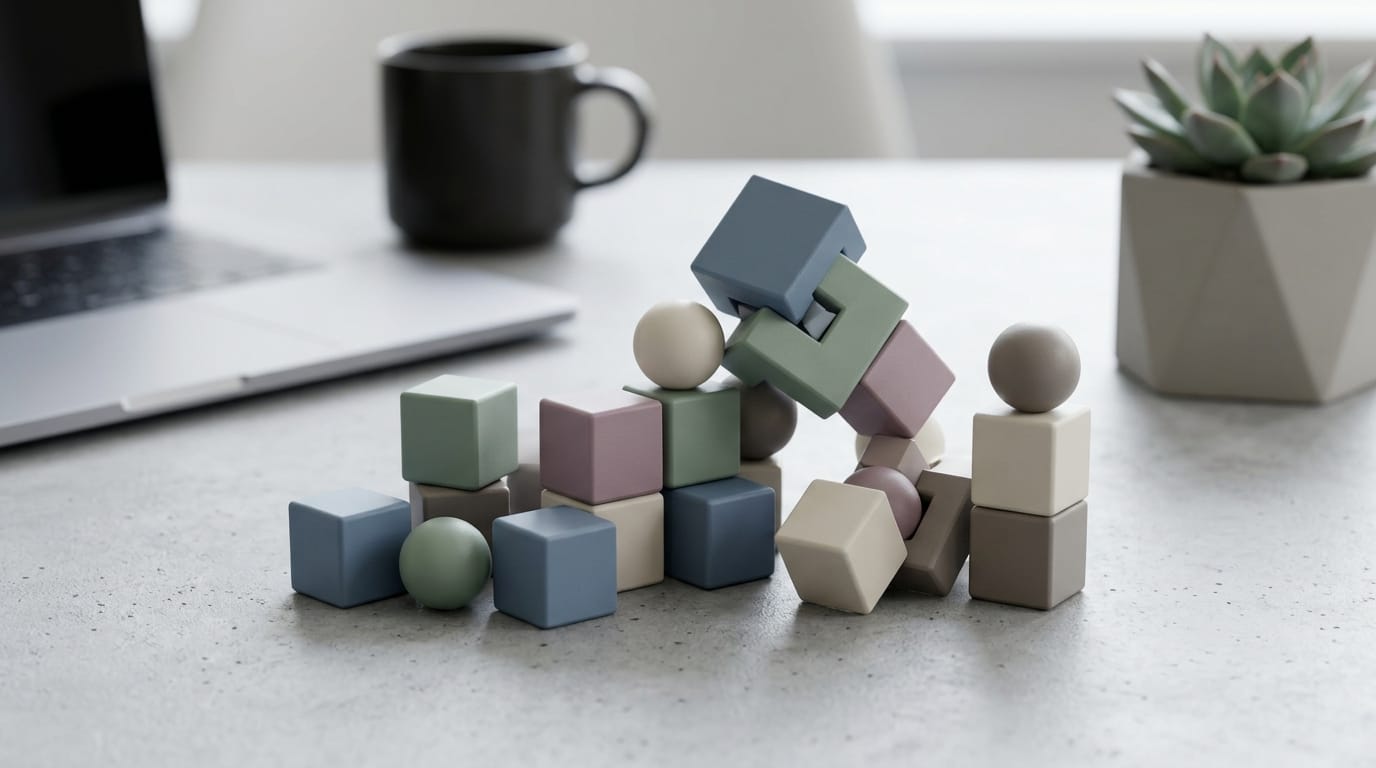
The Science of Sensory Feedback: From ASMR to Brain Reward
The evolution of tactile engagement has moved far beyond the initial cultural wave of fidget spinners and silicone pop-its, which were once exclusively relegated to therapeutic settings for children with ADHD or autism. As the market shifts toward sophisticated ‘wellness gadgets’ for adults, often featuring refined magnetic mechanisms and curated Morandi color palettes, the physiological underpinnings of why these devices resonate so deeply are finally coming to light. According to 2026 Brain Prize winners Patrik Ernfors and David Ginty, their groundbreaking research has ‘delineated the diverse cell types of the somatosensory system and revealed how they detect and discriminate among different types of tactile information.’ This discovery is pivotal to understanding the sensory feedback loop; a 2026 study has specifically linked combined click-sound-tactile stimulation to enhanced beta-band activity, suggesting that this precise neurological orchestration triggers a dopamine-reward response that explains the modern obsession with high-fidelity sensory feedback.
This neurobiological reinforcement is driving substantial economic growth, with the global sensory toys market projected to reach USD 6.16 billion by 2035 at a CAGR of 11%. North America continues to command the lead with a 53% market share, fueled by a dual demand for educational enrichment and adult stress management. As the stress toy sector alone tracks toward a USD 7.95 billion valuation by 2030, the technology behind these tools is becoming increasingly advanced. By 2024, 39% of new product launches integrated digital elements like light, sound, or haptic vibration to deepen the sensory experience. With 67% of parents and therapists reporting a preference for these integrated sensory toys to support developmental outcomes, the industry is poised for further expansion. Looking ahead, as the market is expected to more than double by 2035, the next frontier involves the integration of AI-powered, screen-free sensory toys designed to provide emotionally aware play experiences, bridging the gap between clinical efficacy and consumer wellness.
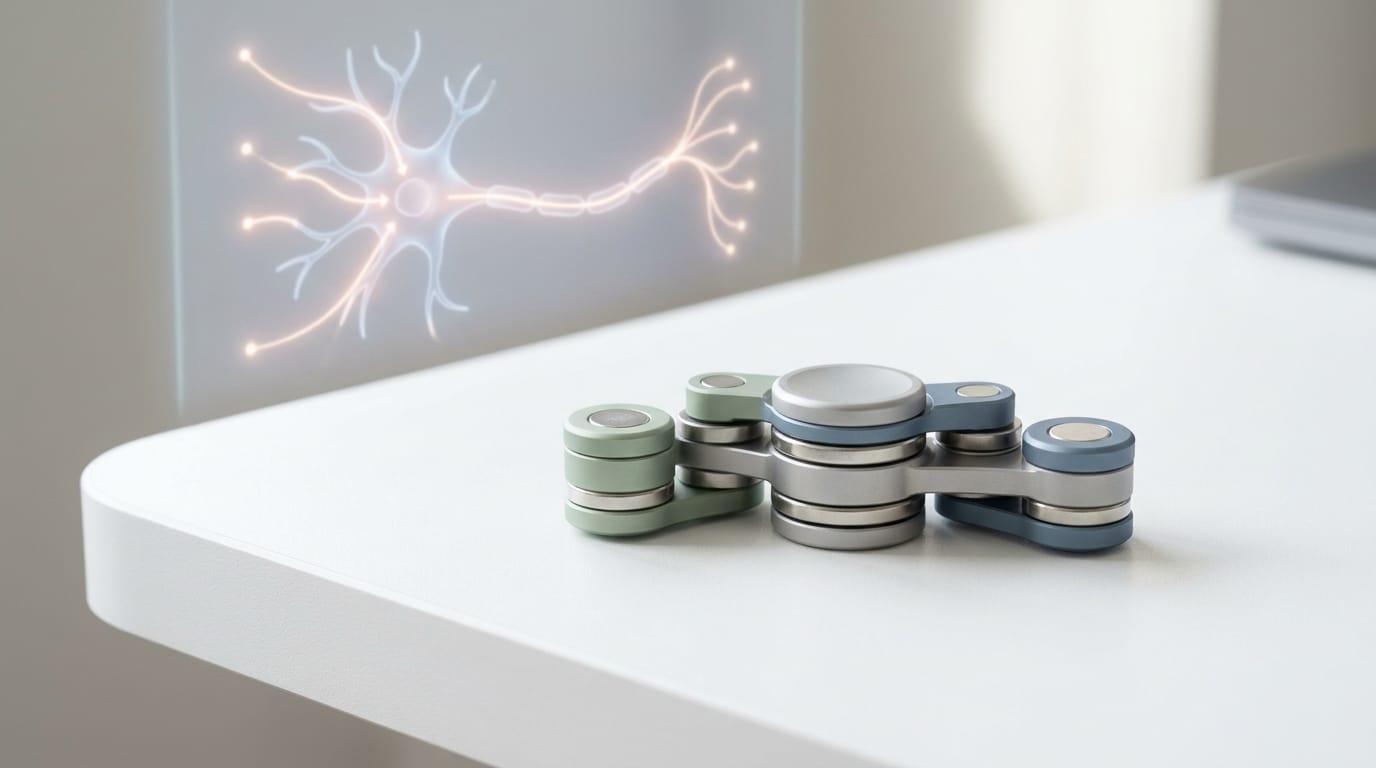
Magnetic and Hybrid Toys: A Case Study in Multi-Sensory Appeal
The sensory toy landscape has evolved significantly from the basic silicone pop-its and fidget spinners of the early 2020s, transitioning from niche therapeutic aids into sophisticated ‘wellness gadgets’ favored by adults. As the stress toy market is projected to grow to USD 7.95 billion by 2030 according to recent market analysis, manufacturers are prioritizing complex tactile and acoustic feedback. This shift is substantiated by a 2026 study demonstrating that combined click-sound-tactile stimulation correlates with enhanced beta-band brain activity, suggesting that modern sensory toys provide more than mere distraction—they facilitate cognitive regulation.
Product innovation now hinges on modularity and material design. For example, in April 2025, Stimara, Inc. launched Stimagz Dubz, a magnetic fidget mechanism designed to support stress reduction and mindfulness among adult users. As highlighted in the report, Stimagz Dubz features modular magnetic pieces, customizable interaction patterns, and a compact, pocket-friendly design (Stress Toy Global Market Report). Similarly, products like Speks Crags utilize irregular, satisfying textures to ground the user, reflecting an industry-wide trend where 39% of new 2024 launches integrated digital or haptic elements. With 67% of parents and therapists now prioritizing these tools for developmental support, the market, currently led by North America with a 53% share, is positioned for explosive growth, with the global sensory market expected to reach USD 6.16 billion by 2035.
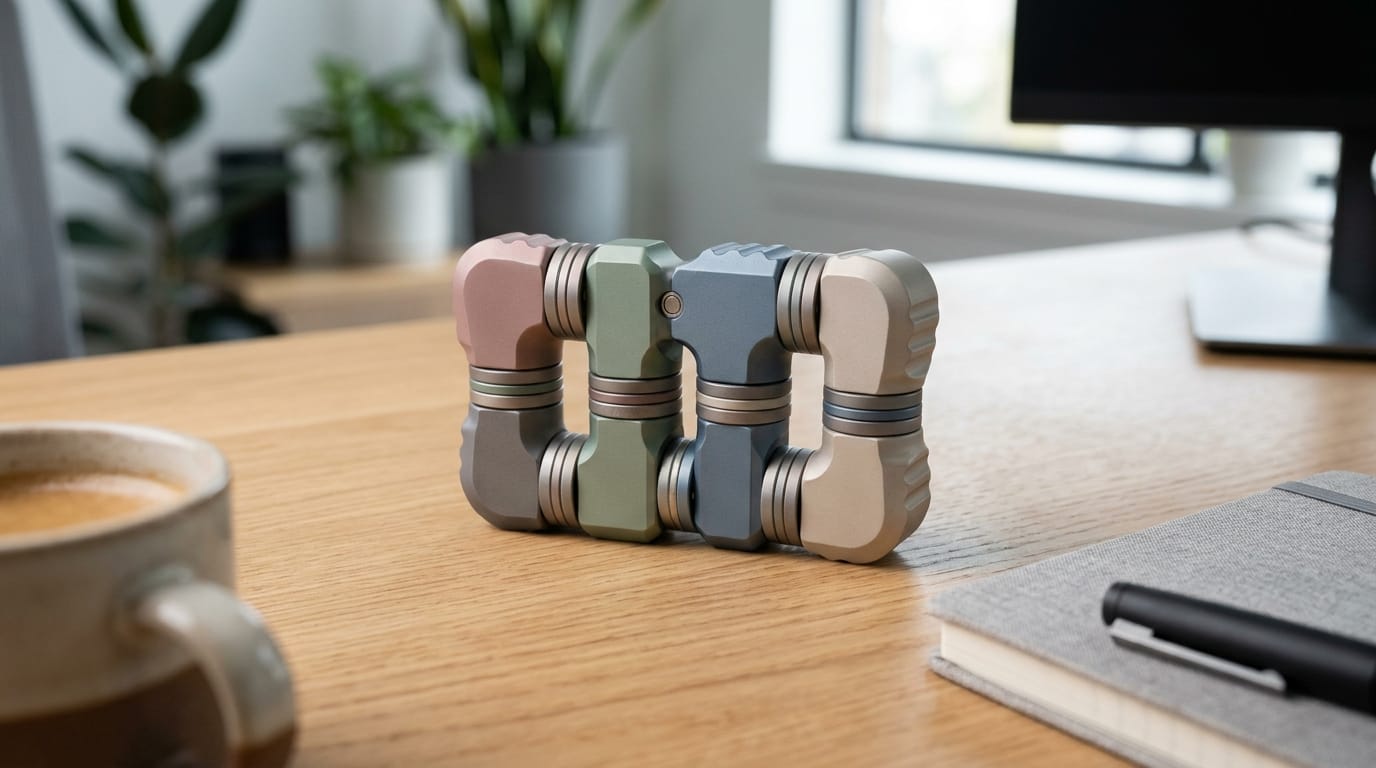
The Practical Soothing Loop: How Auditory-Tactile Feedback Calms the Mind
The evolution of sensory regulation has moved far beyond the initial, rudimentary popularity of fidget spinners and basic silicone pop-its, which originally functioned as niche therapeutic aids for children with ADHD or autism. Today, the landscape has matured into a robust category of ‘wellness gadgets’ for adults, characterized by sophisticated aesthetics such as soft Morandi color palettes and high-precision magnetic mechanisms. This shift is not merely aesthetic; it is deeply physiological. According to a recent analysis, “Repetitive, small movements—like clicking, twisting, or spinning—can help regulate the nervous system, reduce anxiety, and improve concentration.”
This clinical necessity has fueled a significant market expansion, with the global sensory toys sector projected to reach USD 6.16 billion by 2035 at a CAGR of 11%, while the specific stress toy market is slated to grow to USD 7.95 billion by 2030. North America currently leads this adoption with a 53% market share, a trend underpinned by the fact that 67% of parents and therapists now view these tools as essential for supporting developmental needs. The mechanics of this calming effect are increasingly clear: a 2026 study indicates that combined click-sound-tactile stimulation enhances beta-band activity in the brain, facilitating a state of focused calm that helps replace more detrimental nervous habits.
As we look toward the future, the integration of technology is accelerating. In 2024, 39% of newly launched sensory toys already incorporated digital elements like light, sound, or vibration. By 2035, the market is expected to more than double, with a focus on AI-powered, screen-free devices capable of delivering emotionally aware play experiences. By providing consistent auditory-tactile feedback, these tools offer a scalable, accessible intervention for modern mental hygiene.
Choosing Your Sensory Tool: Matching Feedback to Your Needs
As the global sensory market tracks toward a valuation of USD 6.16 billion by 2035, the paradigm has shifted from the utilitarian fidget spinners of yesteryear to sophisticated wellness gadgets. According to experts, the efficacy of these tools hinges on the user’s specific neurological profile; as noted by One Quiet Mind, “Occupational therapists distinguish between sensory seekers (who need more tactile input to feel regulated) and sensory avoiders (who are easily overwhelmed by texture or pressure).” Understanding this distinction is vital, especially as 67% of parents and therapists now integrate these tools into developmental support, and adults increasingly adopt them for professional stress management.
For the sensory seeker, the 2026 market offers high-engagement tools that leverage the 2024 trend of integrated digital elements, such as nuanced vibration and responsive sound. Recent research highlights that combining click-sound-tactile stimulation significantly enhances beta-band brain activity, providing the necessary neurological “anchor” for focus. Conversely, sensory avoiders are trending toward tools characterized by Morandi color palettes and quiet, haptic-focused magnetic mechanisms that offer soothing feedback without the overstimulation of loud, erratic movement. With North America commanding a 53% market share, the demand for these aesthetically refined tools reflects a growing maturity in how we approach emotional regulation in a screen-fatigued world.
Conclusion: Embracing the Micro-Break of Sensory Satisfaction
The evolution of sensory tools from niche therapeutic aids for ADHD and autism to essential wellness gadgets for the modern adult marks a significant shift in how we manage cognitive load. As the sensory toy market hurtles toward a valuation of USD 6.16 billion by 2035 with an 11% CAGR, it is clear that these devices serve as critical, screen-free buffers against digital fatigue. While early mass-market adoption was driven by simple fidget spinners and pop-its, the present landscape is defined by sophisticated design, with industry experts noting that the current trend favors “sophisticated, muted color palettes (like the popular Morandi colors), natural wood finishes, and minimalist designs. A beautifully designed toy is more likely to be left out in the living room, leading to more play.”
This aesthetic refinement is not merely for show; it facilitates consistent, low-barrier access to grounding behaviors. As North America commands a 53% market share, fueled by both therapeutic demand and a growing understanding of neuroregulation, the integration of tactile stimulation into daily life has become a pillar of personal wellness. For those curious about the underlying mechanisms, Why Keeping Your Hands Busy Helps Calm Your Mind details how a 2026 study linked combined click-sound-tactile stimulation to enhanced beta-band activity in the brain, validating the utility of these tools beyond mere distraction. With the stress toy market alone projected to reach USD 7.95 billion by 2030, and 67% of parents and therapists favoring these methods to support developmental needs, the trajectory is firm. While 39% of 2024 product launches integrated digital elements, the future of this sector points toward AI-powered, screen-free experiences that provide emotionally aware, immediate relief, cementing the sensory micro-break as a foundational habit for modern psychological stability.