
Surviving the Desk Slump: Professional Tools for Office Focus
By Kevin Lee | 4/29/2026
The Modern Desk Slump: Defining the Problem
In the evolving landscape of 2026, the modern workspace has transformed into a high-pressure, static environment, placing an unprecedented ‘cognitive tax’ on the professional workforce. As we transition from the rudimentary fidget spinners of 2017—which often carried a stigma of distraction—the market has matured into an era of precision. Today, the global sensory toy market is valued at USD 2.46 billion, reflecting a shift toward expertly crafted, premium tools. North America currently leads this sector with a 53% market share, underscoring the necessity of tools that manage physical tension without disrupting office decorum. Premium metal fidget sliders, for instance, now operate at under 30dB, allowing for near-silent operation.
The physical toll of this sedentary life is significant, particularly regarding cumulative hand muscle tension. As noted in expert industry analysis, ‘Magnetic Putty Sensory Toys are fidget toys for working adults, particularly suited for office workers looking to relax hand muscles during long hours at the desk.’ Beyond the physical, the psychological benefits of tactile engagement are becoming scientifically recognized; a 2025 pilot program in a major tech firm demonstrated a 22% reduction in self-rated stress after the introduction of discreet fidget kits. We explore the mechanism of this relief in our feature, Why Keeping Your Hands Busy Helps Calm Your Mind.
As we look toward 2030, the market is projected to reach USD 7.95 billion, fueled by a 6.1% CAGR and increasing sophistication. With 39% of 2024 sensory product launches integrating digital elements like vibration and light, the future points toward screen-free, AI-powered sensory tools becoming standard features in corporate wellness packages. By Kevin Lee.

Why Tactile Tools Work for Focus and Tension
While the 2017 fidget spinner craze initially tethered tactile tools to academic distraction, the landscape in 2026 has undergone a sophisticated transformation. The sensory toy market, now valued at USD 2.46 billion and projected to reach USD 7.95 billion by 2030, has pivoted toward high-fidelity, ergonomic designs that favor professional integration over performative play. The modern focus is on discreet functionality, exemplified by premium metal fidget sliders that operate under 30dB, ensuring that sensory regulation does not compromise workplace decorum. This professionalization is particularly evident in North America, which commands a 53% share of the global market.
The neurological efficacy of these tools lies in their ability to bridge the gap between under-stimulation and cognitive overload. As noted in recent industry analysis, “Repetitive, small movements—like clicking, twisting, or spinning—can help regulate the nervous system, reduce anxiety, and improve concentration.” By providing a low-intensity somatic outlet, these tools elevate baseline arousal levels just enough to maintain alertness during repetitive tasks without inducing the cognitive strain associated with multi-tasking. This is supported by empirical data, including a 2025 tech firm pilot that demonstrated a 22% reduction in self-rated stress among employees using discreet tactile kits.
As the industry matures, we are witnessing a divergence between legacy physical tools and new, technologically enhanced devices, with 39% of 2024 launches incorporating digital elements like haptic feedback or subtle illumination. Looking toward the future, the integration of AI-powered, screen-free sensory tools is poised to become a staple of corporate wellness, signaling a shift where tactile regulation is treated not as a disruption, but as an essential component of optimized human performance.
The Professional’s Dilemma: Discreet vs. Satisfying
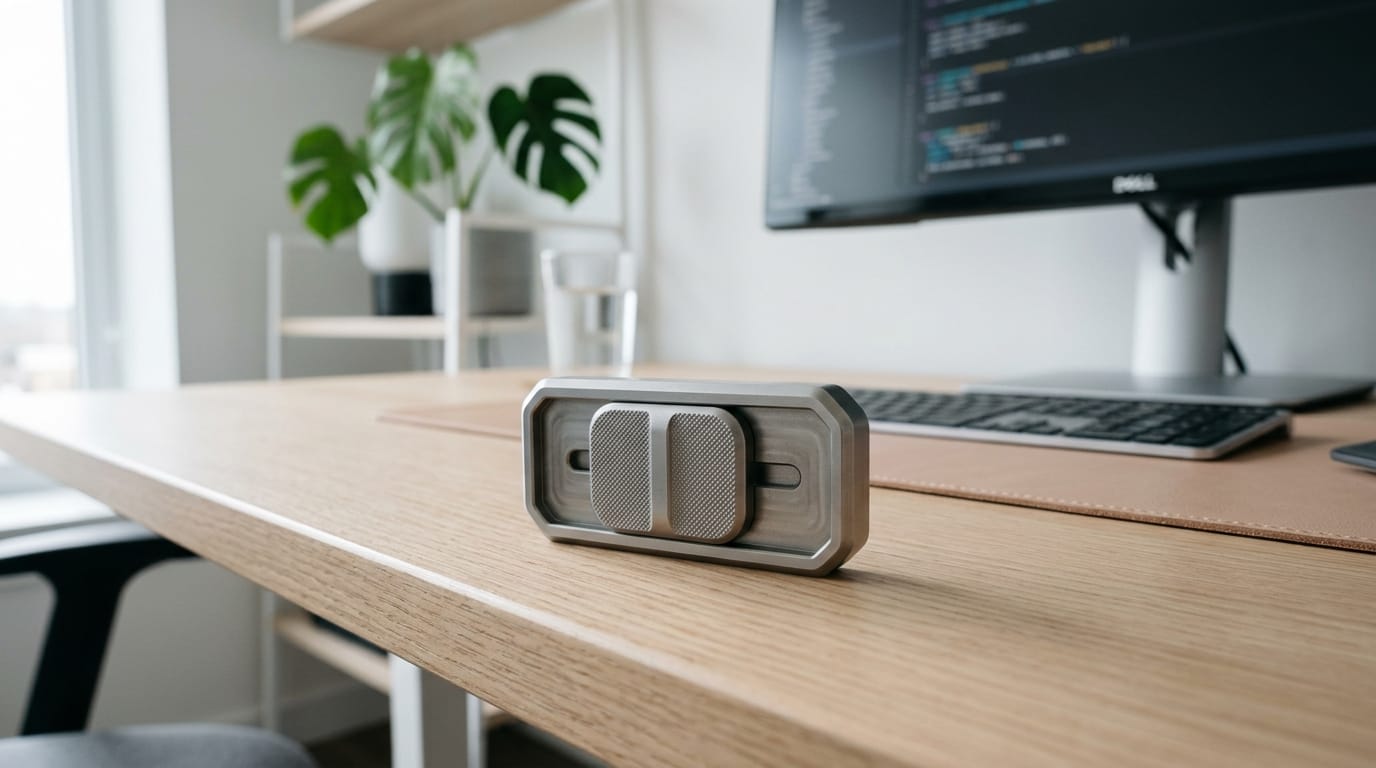
The evolution of sensory regulation tools has reached a critical juncture, transitioning from the disruptive, colorful fidget spinners that dominated 2017 to the sophisticated instruments of 2026. As the global sensory toys market reaches a valuation of USD 2.46 billion, the stigma once associated with these devices has given way to a culture of workplace optimization. This market is projected to expand to USD 7.95 billion by 2030 at a CAGR of 6.1%, signaling that tactile stimulation is now viewed as an essential component of the corporate toolkit rather than a classroom distraction.
Today’s professionals demand equipment that mirrors the aesthetic of their workspace, prioritizing premium materials like aviation-grade aluminum and solid wood over injection-molded plastics. As noted by industry trend analysis, “The trend is towards toys that use sophisticated, muted color palettes (like the popular Morandi colors), natural wood finishes, and minimalist designs.” This aesthetic shift allows these tools to function as high-end desk objects that blend seamlessly into an executive environment. For the modern office, discretion is paramount; premium metal fidget sliders now operate under 30dB, ensuring that high-frequency sensory input does not become a source of auditory distraction for surrounding staff.
While North America currently commands a 53% share of the sensory market, the adoption rate is being driven by measurable physiological outcomes. A 2025 pilot program in a prominent tech firm documented a 22% reduction in self-rated stress following the introduction of discreet, high-quality fidget kits. While 39% of 2024 launches incorporated digital feedback loops, the enduring preference remains for analog tools that offer consistent, tactile resistance. Looking forward, the integration of AI-powered, screen-free sensory interfaces is poised to become the standard, positioning these tools as pillars within comprehensive corporate wellness packages.
Top Tool Categories for the Office (2026)
The sensory tool landscape has evolved significantly since the 2017 fidget spinner craze, which often carried a stigma of distraction. In 2026, the market has matured into a sophisticated sector valued at USD 2.46 billion, prioritizing expertly crafted, premium materials over the plastic novelties of the past. As North America commands a 53% share of this global market, corporate culture is increasingly embracing these devices; a 2025 pilot program in a tech firm notably demonstrated a 22% reduction in self-rated stress following the introduction of discreet, professional-grade kits. The current trend favors sleek, ergonomic instruments that blend seamlessly into corporate environments.
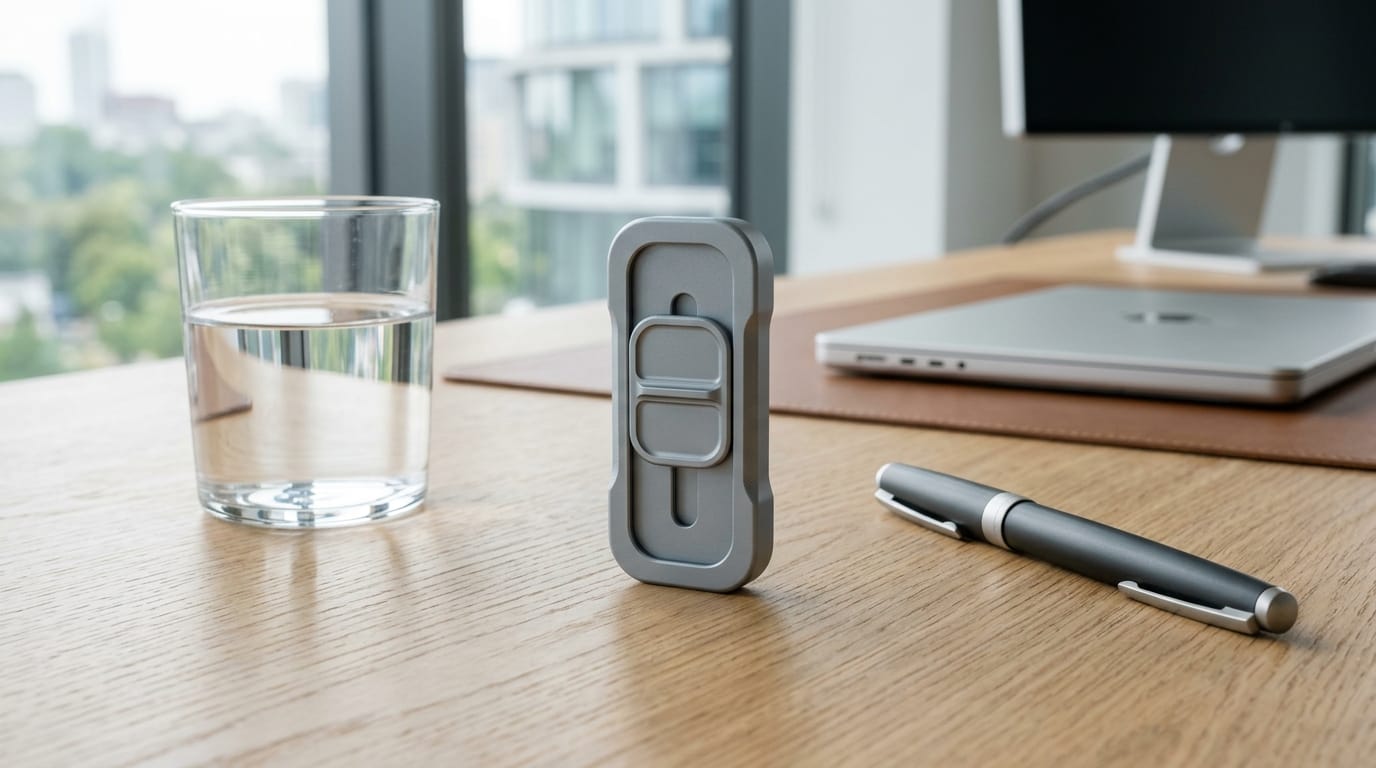
Among these, metal fidget sliders have emerged as the premier choice for professionals. Utilizing high-strength magnets and precision-machined aviation-grade aluminum or brushed stainless steel, these tools offer a tactile experience that is virtually silent. As noted in a Titan Fidget comprehensive guide, “Metal fidget sliders are the gold standard for office use. Their smooth magnetic glide produces almost no sound, and their brushed stainless steel or aviation-grade aluminum construction presents a sleek, desk-appropriate aesthetic.” Because these devices operate under 30dB, they allow for nervous system regulation without disrupting colleagues.
Looking toward 2030, where the stress toy market is projected to reach USD 7.95 billion with a CAGR of 6.1%, the integration of technology remains a key variable. While 39% of new 2024 launches incorporated digital feedback, the current preference for metal-based tactile tools highlights a collective shift toward screen-free, analog regulation as part of standard corporate wellness. By moving away from plastic distractions toward high-performance, silent tools, the modern office is successfully destigmatizing sensory support as a legitimate tool for cognitive performance and mental health.
Integrating Tools into Your Workflow Without Disruption
Transitioning from the 2017 era of noisy, stigmatized fidget spinners to today’s refined ergonomic standards requires a deliberate approach to tool integration. As the global sensory toys market reaches a valuation of USD 2.46 billion in 2026, with North America commanding a 53% share, professionals must treat these tactile aids as surgical instruments for the mind rather than mere playthings. The shift toward expertly crafted items—such as premium metal fidget sliders that operate under 30dB—ensures that sensory regulation no longer signals distraction in the modern office. With the stress toy market projected to reach USD 7.95 billion by 2030, the objective is to leverage these tools to stabilize cognitive load, mirroring the success of a 2025 pilot program where tech workers reported a 22% reduction in self-rated stress.
To avoid disruption, integration should follow established neurological recovery protocols. According to insights on workplace wellness, professionals should take a quick micro-break every 30 minutes (standing, walking a few steps, stretching the neck or wrists), followed by a longer 5-minute pause after 45-55 minutes of focused work (the 45-5 or 57-3 method). By utilizing these temporal anchors, you create specific windows to engage with sensory tools, preventing the erratic use that often leads to workplace stigma.
As we look toward a future of AI-powered, screen-free tactile devices, it is worth noting that 39% of 2024’s new sensory toys already integrate digital elements like light or vibration. By pairing these sophisticated aids with structured breaks, you ensure that your focus remains optimized, allowing the tool to serve your productivity rather than fracture it.
Looking Ahead: The Future of Office Wellness Tools
As we analyze the trajectory of modern occupational health, the shift from viewing tactile aids as mere novelties to essential productivity tools is becoming undeniable. While the 2017 fidget spinner craze initially tethered sensory stimulation to a stigma of classroom distraction, the market has matured significantly, pivoting toward expertly crafted instruments composed of aviation-grade aluminum and solid wood. This evolution is underscored by the Stress Toy Global Market Report, which notes that “major trends in the forecast period include rising adoption of stress toys in corporate wellness programs.” Currently valued at USD 2.46 billion in 2026, the sensory toy market is projected to reach USD 7.95 billion by 2030, reflecting a robust 6.1% CAGR.
The clinical efficacy of these tools is gaining empirical support; a 2025 pilot program within a major technology firm demonstrated a 22% reduction in self-rated stress following the introduction of discreet fidget kits. This aligns with our previous discussion on Why Keeping Your Hands Busy Helps Calm Your Mind, emphasizing the neurological benefits of tactile regulation. Today’s professional environment requires discretion, a need addressed by premium metal fidget sliders that operate at under 30dB, ensuring they remain virtually silent during high-stakes meetings. Innovation continues to accelerate, with 39% of 2024’s new sensory releases integrating digital feedback via light, sound, or vibration, further refining the user experience.
As North America maintains its leadership position—holding a 53% market share—we anticipate that the next phase of corporate health will move beyond basic kits. The future looks toward the integration of AI-powered, screen-free sensory interfaces designed to offer personalized stress relief without further cognitive load. For human resources departments, these tools are rapidly transitioning into a standard component of wellness packages, marking a definitive move toward a more tactile-informed professional culture. Written by Kevin Lee.
Frequently Asked Questions
Ergonomic tools like standing desks and supportive chairs reduce musculoskeletal strain and physical fatigue. By minimizing discomfort and improving circulation, your body spends less energy managing pain and more on cognitive tasks. Proper alignment prevents the midday slump, allowing you to maintain sustained concentration and productivity until your shift ends.
Yes, blue light filters reduce digital eye strain, a major contributor to late-afternoon fatigue. Excessive screen exposure can disrupt natural circadian rhythms and cause headaches. Using these filters or specialized eyewear stabilizes your visual comfort, helping your brain stay alert and focused rather than succumbing to the typical end-of-day burnout.
Medical professionals often suggest tools that leverage the Pomodoro technique or interval-based task management to prevent cognitive overload. By integrating scheduled recovery breaks, these apps encourage mental resets that preserve your neural resources. This structured approach prevents decision fatigue, ensuring your focus remains sharp and consistent during demanding professional projects.
Expert Resources