
Will Fidgeting Break My Focus?
By Kevin Lee | 5/1/2026
The Fidgeting Dilemma: Tool or Toy?
In the high-pressure landscape of 2026, the modern office has become an epicenter of psychological strain. According to a recent industry analysis, “Workplace stress has reached unprecedented levels in 2026—77% of American workers report feeling stressed at work, with 57% experiencing burnout due to work-related demands” Zenify World Workplace Report. Despite the evidence that these conditions are pervasive, a residual cultural stigma persists regarding the use of tactile sensory tools to manage this load, largely stemming from a lingering perception of fidget spinners as mere 2017 classroom distractions.
This hesitation to adopt sensory support is scientifically counterproductive. We now understand that repetitive tactile input increases locus coeruleus-noradrenergic firing and pupil diameter, effectively boosting cortical arousal to maintain focus. While ASMR was once a niche internet subculture, it has evolved into a clinical tool for neurological regulation, a topic we explore further in Why Your Brain Craves Tactile Satisfaction and Everyday ASMR. Clinical data is compelling: tactile stress relief tools can reduce cortisol levels by 31%, and focus duration improves by 28% when such tools are utilized during mandated workplace breaks.
As the ADHD productivity tools sector is projected to reach $7.55 billion by 2033, we are witnessing a pivot from “fidgeting” as a toy-based behavior to an evidence-based practice. With 72% of therapists now recommending these interventions, sensory tools have graduated to “executive” aesthetics, paving the way for a future where these devices are integrated directly into standard office ergonomic assessments and multimodal designs incorporating visual and olfactory stimuli. The data is clear: the path to sustainable productivity is not through suppression, but through calibrated, sensory-informed regulation.
Neuroscience of Arousal: Why Your Brain Seeks Movement
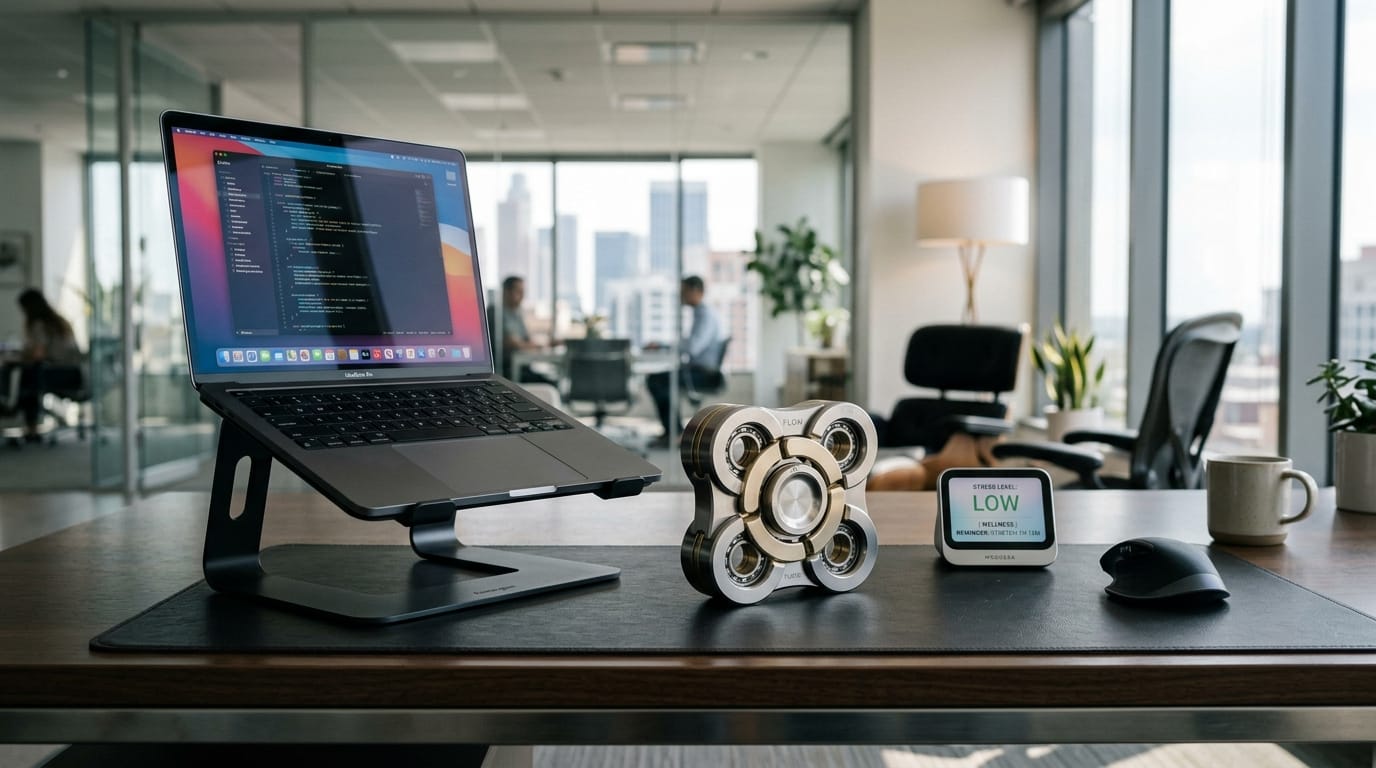
In an era where 77% of American workers report feeling stressed at work, the biological quest for cognitive equilibrium has moved from the periphery to the center of clinical practice. While fidget spinners were once dismissed as 2017 classroom distractions and ASMR relegated to niche subcultures, we now understand that sensory regulation is a pillar of neuro-ergonomics. Today, 72% of therapists actively recommend tactile tools, and the market for ADHD productivity aids is projected to balloon to $7.55 billion by 2033, signaling a departure from the ‘executive’ aesthetics of the past toward evidence-based mental health support.
The neurological efficacy of these interventions lies in the locus coeruleus-noradrenergic system. Repetitive tactile input acts as a catalyst, increasing firing rates within the locus coeruleus and inducing a measurable increase in pupil diameter—the classic marker of cortical arousal. This modulation is essential for shifting the brain into an ‘optimal arousal zone,’ a state where dopamine and norepinephrine levels are tuned to sustain attention. As noted in Gaiawaves research, “Sensory tools can be game-changers for ADHD adults. By providing the right type and amount of sensory input, these tools help your brain reach the optimal arousal level for focus and productivity.”
The quantitative benefits are significant: data indicates that tactile stress relief tools can reduce cortisol levels by 31%, while integrated use during breaks improves focus duration by 28%. As we look toward the future, these sensory modalities are shifting from optional accessories to core components of standard office ergonomic assessments, with emerging tools combining tactile, visual, and olfactory inputs to offer a holistic approach to cognitive stamina in the modern workplace.
Cognitive Load Theory: Why Repetitive Motion Doesn’t Use Thinking Power
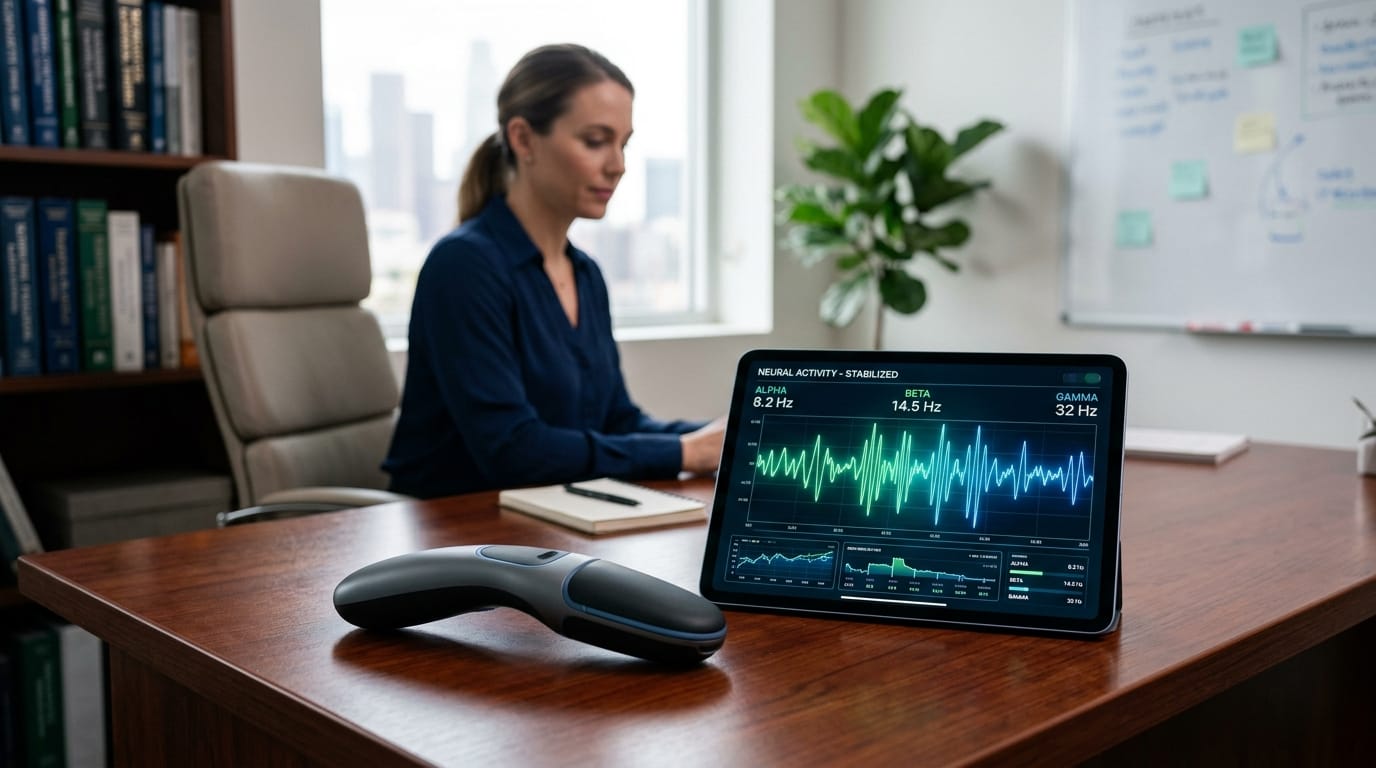
In an era where 77% of American workers report feeling stressed, the workplace has evolved from a site of chaotic stimuli to a governed environment of cognitive efficiency. We have transitioned far beyond the 2017 perception of fidget spinners as classroom distractions; today, sensory regulation is a cornerstone of professional performance. As noted in the 2026 Guide to Desk Stress Relief, “Bilateral Stimulation: Repetitive hand movements (squeezing, rolling, raking) activate both brain hemispheres,” a mechanism that stabilizes background neural activity without consuming the limited executive resources required for complex problem-solving. This grounding effect is clinically validated, as tactile stress relief tools have been shown to reduce cortisol levels by 31%.
By engaging the locus coeruleus-noradrenergic system, these tools effectively modulate pupil diameter and cortical arousal, allowing the brain to maintain an optimal state of alertness. With 72% of therapists now recommending these interventions, the “executive aesthetic” has replaced the niche, clinical look of early sensory devices. This shift is not merely cultural; it is economic, with the ADHD productivity tools sector projected to reach $7.55 billion by 2033. As we look toward the future integration of sensory tools into standard office ergonomic assessments and the development of multimodal devices, the data remains clear: utilizing rhythmic tactile input during breaks can improve focus duration by 28%, effectively offloading background mental noise and liberating the cognitive bandwidth necessary for modern intellectual labor.
High-Discretion vs. High-Interference: Choosing Tools That Fade into the Background
In 2026, the landscape of sensory regulation has undergone a profound evolution. While the 2017 cultural fascination with fidget spinners was often dismissed as a classroom distraction, the current paradigm prioritizes executive utility over performative novelty. With 77% of American workers reporting significant workplace stress, the demand for effective intervention has moved beyond niche subcultures like ASMR into the realm of mainstream clinical strategy. Today, 72% of therapists actively recommend sensory tools, noting that repetitive tactile input—which increases locus coeruleus-noradrenergic firing and pupil diameter—effectively boosts cortical arousal and focus. Clinical data confirms these benefits: utilizing sensory tools during breaks has been shown to improve focus duration by 28%, while consistent tactile engagement can reduce cortisol levels by 31%.
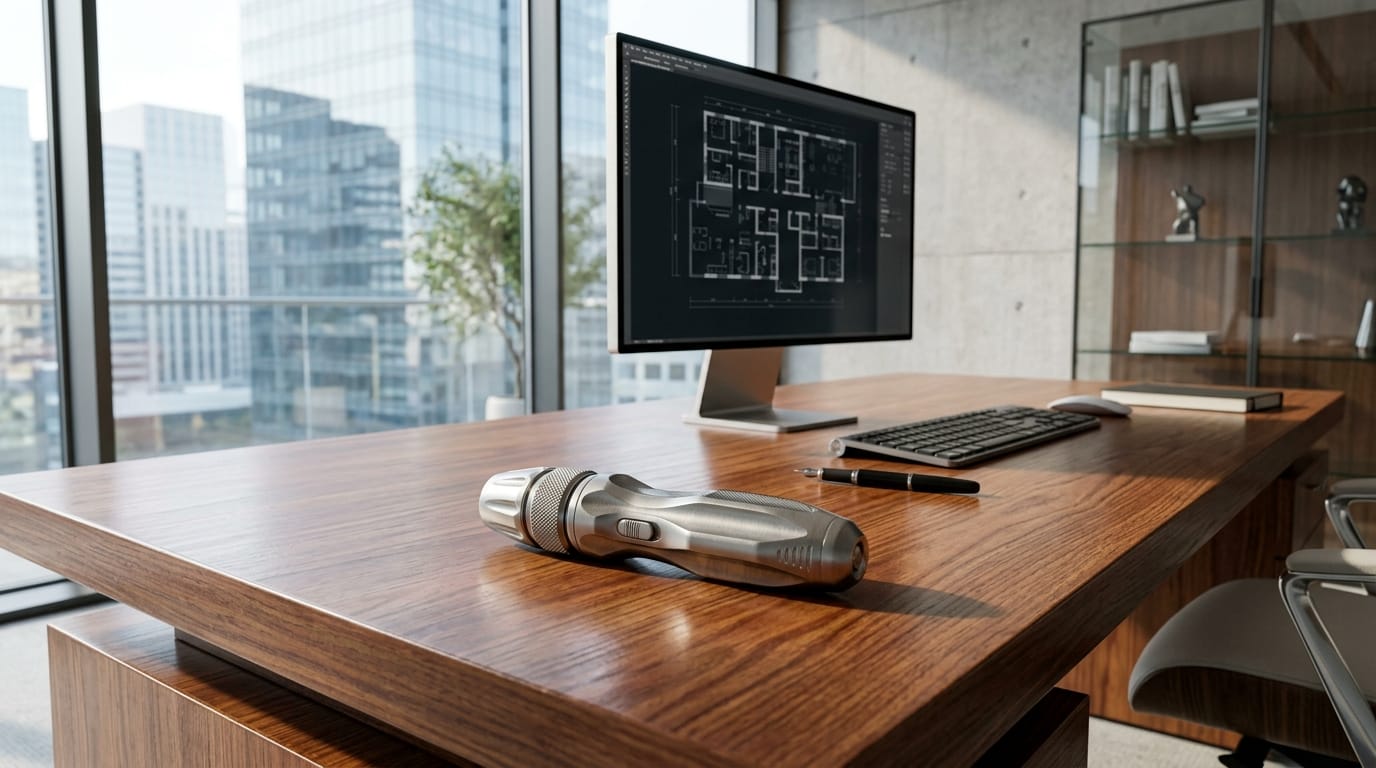
This shift has birthed a professional aesthetic centered on “high-discretion” tools that integrate seamlessly into the workspace rather than interrupting it. As the ADHD productivity tools sector marches toward a projected $7.55 billion valuation by 2033, the focus has shifted toward minimalist hardware, such as magnetic sliders and weighted wearable rings, which contrast sharply with the noisy, visually stimulating toys of the past. As noted in One Quiet Mind, “Discrete options like fidget rings and spinner rings allow regulation in professional and classroom settings without drawing attention.” Looking toward the future, we anticipate that such tools will soon be standardized components of professional ergonomic assessments, eventually incorporating multimodal inputs that blend tactile, visual, and olfactory sensory relief into a singular, unobtrusive design.
The ‘No-Look’ Test for Professional Productivity
In 2026, as 77% of American workers report significant workplace stress, the utility of sensory interventions has transitioned from the 2017 classroom-fad stigma of fidget spinners to a validated clinical necessity. With 72% of therapists now recommending these tools for focus and anxiety, the industry is poised for rapid expansion, currently valued toward a $7.55 billion projection by 2033. However, the efficacy of these interventions depends on a strict physiological rule: if a tool requires active visual monitoring, it is no longer a tool, but a distraction. Repetitive tactile input is effective because it increases locus coeruleus-noradrenergic firing and pupil diameter, which directly boosts cortical arousal, yet this neurobiological benefit is negated when the visual cortex is hijacked by the device itself.
To navigate this, we propose the ‘No-Look’ Test. True productivity aids should function peripherally, allowing the user to engage their sensory system without breaking eye contact with their primary task. As noted in Everyday Health’s guide to sensory tools, the most effective equipment prioritizes discretion, as “high discretion means it can easily be used at a desk.” When a tool is discreet, it facilitates the tactile stress relief capable of reducing cortisol levels by 31%, while supporting the 28% improvement in focus duration observed during workplace breaks. As we move toward a future of multimodal, ergonomic sensory integration, the litmus test for any professional accessory remains clear: if you have to look at it, it isn’t working for you.
Building the Focus Habit: When to Reach for Your Tool
In an era where 77% of American workers report feeling stressed at work in 2026, the transition from viewing sensory objects as childhood distractions to essential workplace interventions is complete. What began as a 2017 classroom fad has evolved; 72% of therapists now formally recommend tactile devices to manage cognitive load, a shift mirrored by the ADHD productivity tool sector’s trajectory toward a $7.55 billion valuation by 2033. Yet, as noted in the 2026 Guide to Desk Stress Relief, “the barrier isn’t effectiveness; it’s the gap between buying tools and building habits around them.”
To move beyond mere acquisition, practitioners must view these tools as cues for state-shifting. Physiologically, repetitive tactile input increases locus coeruleus-noradrenergic firing and pupil diameter, effectively boosting cortical arousal. When used strategically, this mechanism is profound: tactile stress relief tools are shown to reduce cortisol levels by 31%, while utilizing sensory tools during micro-breaks can improve subsequent focus duration by 28%. To understand the underlying neurology of this phenomenon, see our deep dive: Why Your Brain Craves Tactile Satisfaction and Everyday ASMR.
The future of this discipline lies in multimodal integration, moving from simple desk toys to sensory tools incorporated into standard ergonomic assessments. As we move away from seeing ASMR or fidgeting as niche subcultures, building the ‘focus habit’ requires a deliberate Pavlovian association: reach for the tool not when you are already overwhelmed, but as a preventative measure to reset your neurological state before the onset of fatigue. By anchoring these sensory inputs to specific transitions—such as closing an email client or before beginning deep work—the tool ceases to be a gadget and becomes a fundamental component of cognitive self-regulation. — Kevin Lee
Frequently Asked Questions
Yes, research indicates that mild fidgeting can act as a sensory regulator, helping individuals maintain alertness during monotonous tasks. By providing low-level physical stimulation, the brain remains sufficiently engaged, which prevents mental fatigue and helps stabilize attention spans in both neurotypical adults and those with diagnosed attention-related conditions in 2026.
To minimize distraction, choose discreet tools like silent tactile rings, textured desk pads, or soft stress balls. The key is selecting an activity that requires minimal motor planning, allowing your subconscious to handle the movement while your primary focus remains on your work, meetings, or complex cognitive tasks throughout the day.
While occasional fidgeting is natural, frequent, uncontrollable movement that interferes with daily tasks or professional productivity may suggest underlying conditions like ADHD or generalized anxiety. If your fidgeting feels compulsive or significantly disrupts your concentration despite your best efforts, it is advisable to consult a healthcare professional for a personalized diagnostic evaluation.
Expert Resources