
From Purchase to Practice: Building Screen-Free Sensory Habits
By Kevin Lee | 5/1/2026
The Digital Twitch vs. The Tactile Pulse: Why We Reach for Phones
In the high-velocity landscape of 2026, the impulse to reach for a smartphone has become a reflexive digital twitch, a quest for dopamine that often exacerbates cognitive fatigue. Yet, as we navigate the blurring lines between productivity and distraction, research increasingly points to the necessity of a tactile counter-balance. We now understand that the brain does not merely require disconnection; it demands biological grounding. Emerging clinical consensus highlights that studies from 2025-2026 show that even a brief 27- to 40-second physical pause can restore attention and improve task performance. This rapid cognitive recovery window serves as a stark rebuttal to the ‘always-on’ digital culture that characterizes our era.
The therapeutic shift toward physical intervention is profound. With 72% of therapists now recommending fidget tools as a mainstream clinical practice, the normalization of sensory regulation is accelerating. This is particularly vital when considering that 46-69% of individuals with ADHD exhibit sensory over-responsivity, a trait that frequently persists into adulthood and mandates sophisticated management strategies. For those interested in the neurobiology behind these behaviors, Why Your Brain Craves Tactile Satisfaction and Everyday ASMR explores how ASMR has evolved from a niche digital phenomenon into a structured wellness intervention. Bilateral stimulation, achieved through repetitive manual interaction with weighted sensory tools, has earned Grade A clinical backing for its efficacy in interrupting anxiety responses, further proving that the solution to a digital problem often lies in a tactile one.
The economic implications of this transition are equally significant. As therapists report a 78% success rate in matching specific sensory tools to individual profiles, the market for ADHD productivity instruments is poised for explosive growth, projected to reach $7.55 billion by 2033. As we look toward a future where the sector for neurodivergent-friendly tools is expected to triple, the industry is clearly pivoting from screen-based hyper-stimulation to grounding, sensory-positive modalities designed to sustain long-term focus.
Mapping Your ‘Switch Moments’: Identifying High-Risk Scrolling Times
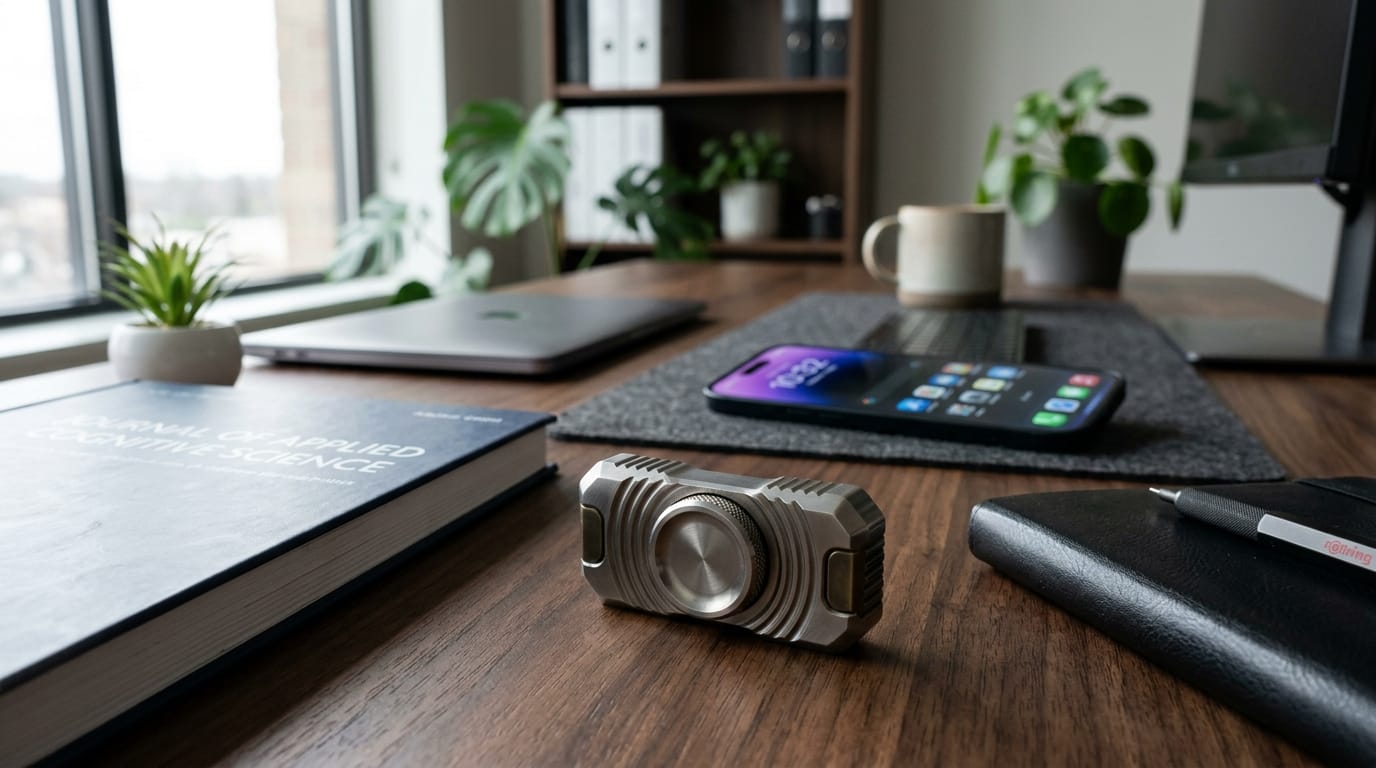
In 2026, the clinical landscape has shifted from treating neurodivergence as a deficit to managing sensory landscapes with precision. As the ADHD productivity tools sector hurtles toward a projected $7.55 billion valuation by 2033, we must confront the ‘switch moment’—that precise temporal threshold where focus fails and scrolling begins. Clinical data suggests that 46-69% of individuals with ADHD exhibit sensory over-responsivity, a trait that persists into adulthood and often dictates when we reach for a screen to soothe a dysregulated nervous system. By identifying your profile as a ‘seeker’—someone requiring increased input—or an ‘avoider’—someone easily overwhelmed by environmental stimuli—you can intervene before the dopamine-loop cycle initiates.
The efficacy of modern interventions hinges on this diagnostic nuance. As noted in One Quiet Mind’s 2026 wellness guidelines, “Effectiveness depends on personalization: The best tool isn’t the trending one—it’s the one that matches your sensory profile (seeker vs. avoider).” This personalized approach is proving revolutionary; therapists now report a 78% success rate when tools are properly aligned with patient biology. For the over-stimulated avoider, weighted sensory tools—which now carry Grade A clinical backing—can mitigate anxiety, while the seeker may benefit from bilateral stimulation, where repetitive hand movements engage both brain hemispheres to interrupt the anxiety response.
To break the cycle of digital depletion, the intervention needn’t be time-consuming. A physical pause of just 27 to 40 seconds is statistically sufficient to reset cognitive load and restore task performance. Even simple fidget toys, now endorsed by 72% of clinicians as a mainstream practice, serve as vital anchors. As we look toward a future where the market for neurodivergent-friendly tools is expected to triple, our objective remains clear: replace the passive consumption of content with active, sensory-informed regulation.
The Frictionless Desk: Strategic Placement of Sensory Anchors
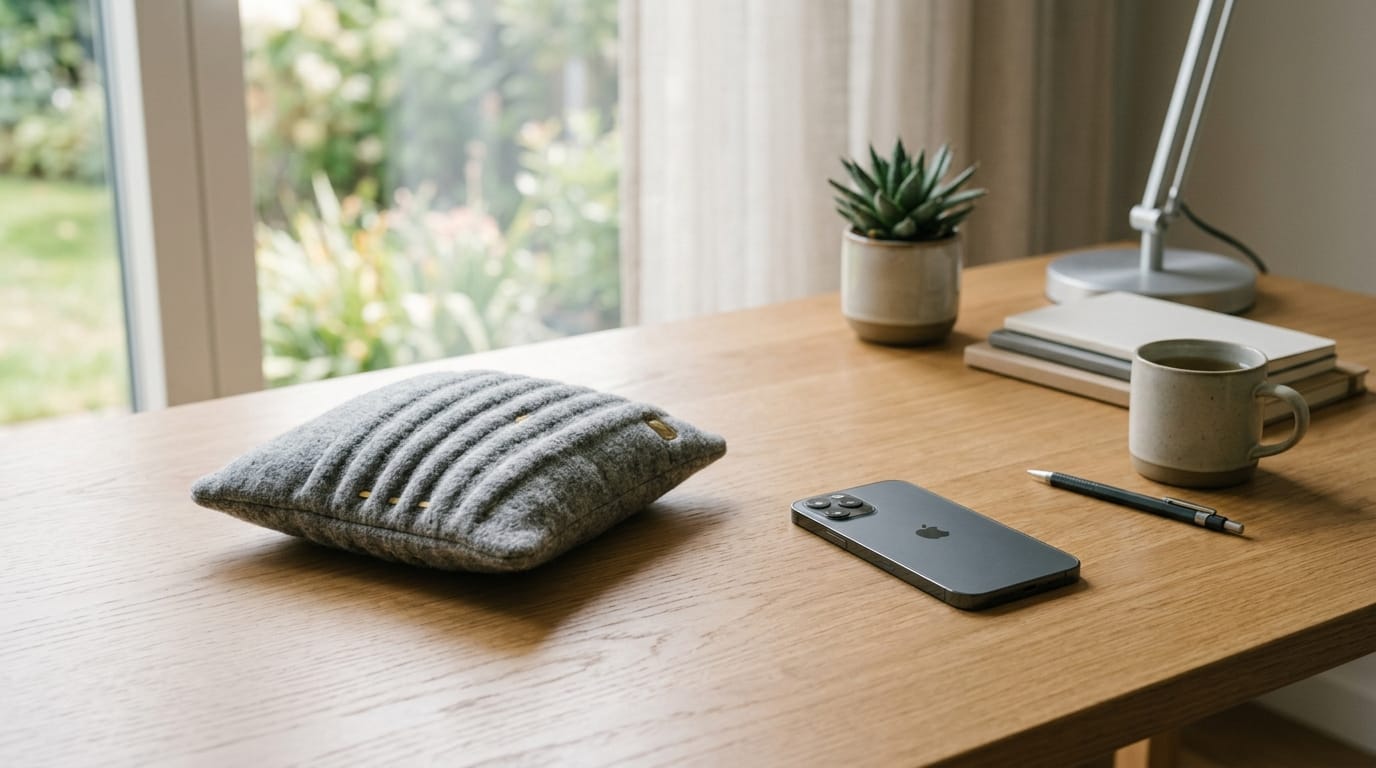
In the landscape of modern neurodivergent support, environmental design has shifted from peripheral aesthetic to core clinical strategy. As the ADHD productivity tools sector is projected to reach $7.55 billion by 2033, the focus is sharpening on how we architect our immediate workspace to minimize cognitive friction. With 72% of therapists now recommending fidget toys as a mainstream clinical practice in 2026, the transition from phone-based distraction to physical sensory grounding has become a vital intervention. This evolution reflects a broader trend, as the market for neurodivergent-friendly productivity tools is expected to triple over the next decade.
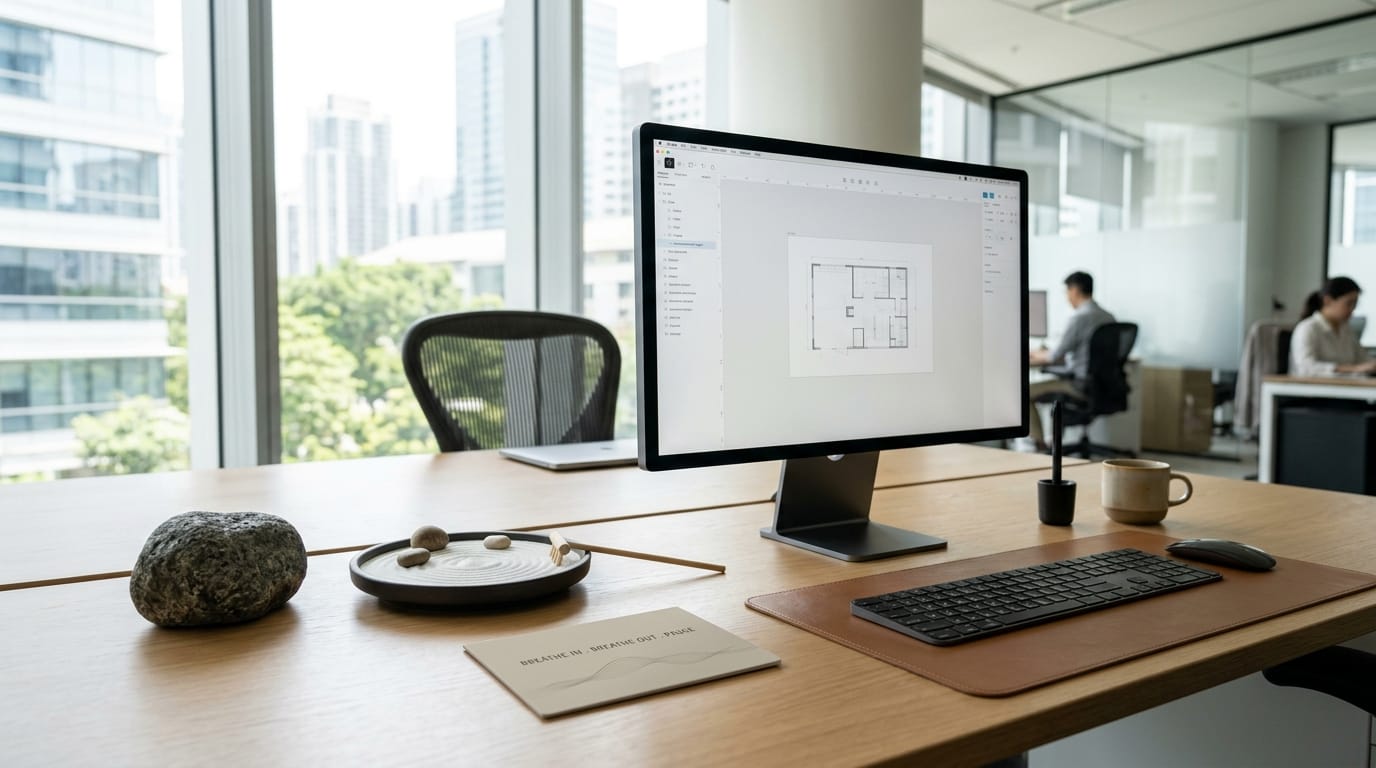
For the 46-69% of individuals with ADHD who exhibit sensory over-responsivity, the desk must act as a preemptive barrier to overwhelm. The efficacy of this design lies in accessibility; when a sensory anchor is physically prominent, the neurological cost of switching from a task to a smartphone—a known gateway to dopamine-seeking distraction—is significantly lowered. As noted in the 2026 Zenify Guide: “A visible zen garden, strategically placed breathing card, or palm-smooth worry stone transforms your desk from stress-accumulation station to recovery-friendly environment.”
The clinical rationale for this placement is grounded in timing and physiology. A deliberate physical pause of 27 to 40 seconds is sufficient to restore attention and improve task performance, provided the intervention is immediate. Whether employing weighted sensory tools—which hold Grade A clinical backing for anxiety reduction—or bilateral stimulation through repetitive hand movements to interrupt anxiety responses, the environment dictates the outcome. Therapists currently report a 78% success rate when sensory tools are appropriately matched to a user’s specific profile, validating that once the preserve of niche ASMR subcultures, these tactile anchors are now essential components of the professional wellness toolkit.
Habit Stacking for Sensory Success: Integrating Tools into Existing Workflows
In the rapidly expanding ADHD productivity sector—a market projected to grow to $7.55 billion by 2033—the integration of sensory support into daily workflow is no longer an afterthought; it is a clinical standard. As therapists now report a 78% success rate when sensory tools are precisely matched to an individual’s neuro-profile, the focus has shifted toward behavioral sustainability. Central to this integration is the concept that “Habit stacking is a behavioral technique in which a new habit is attached to an existing routine,” as noted by Xcode Life. By anchoring sensory interventions to automatic behaviors, we mitigate the cognitive load often associated with adopting new coping strategies.
For the 46-69% of children with ADHD who experience sensory over-responsivity—a trait that frequently persists into adulthood—consistency is the primary barrier to treatment efficacy. Clinicians have observed that bilateral stimulation, such as repetitive hand movements, effectively activates both brain hemispheres to interrupt physiological anxiety responses. When this is coupled with the fact that 72% of therapists now recommend fidget toys as a mainstream clinical practice, the opportunity to “stack” these tools becomes clear. For instance, engaging a weighted sensory tool—which possesses Grade A clinical backing for reducing anxiety—immediately before a scheduled video conference can prime the nervous system for focus.
Furthermore, structural shifts in workspace management emphasize that a physical pause of 27 to 40 seconds is sufficient to restore attention and improve task performance. Much like the transition of ASMR from a niche digital curiosity to a mainstream wellness intervention, sensory tools are becoming deeply embedded in professional environments. As the market for neurodivergent-friendly productivity tools is expected to triple by 2033, utilizing habit stacking to normalize the use of tactile, auditory, or weighted interventions ensures that regulatory support is available exactly when the brain requires it most.
The 30-Day Transition: From Novelty Purchase to Essential Regulation Tool
As we navigate the projected $7.55 billion growth of the ADHD productivity tools sector by 2033, the transition from ‘gadget collector’ to ‘practitioner’ has become the defining challenge for the neurodivergent community. With 72% of therapists now recommending fidget toys as a mainstream clinical practice, the shift is no longer about ownership, but integration. As noted in the 2026 desk stress relief guide, “the barrier isn’t effectiveness; it’s the gap between buying tools and building habits around them.”
To bridge this gap, practitioners must view their sensory kit as a regulated intervention rather than a novelty. Given that 46-69% of children with ADHD carry sensory over-responsivity into adulthood, the first 30 days are critical for habit formation. We observe that therapists report a 78% success rate when sensory tools are precisely matched to a user’s sensory profile. Utilizing tools like weighted sensory devices, which carry Grade A clinical backing for anxiety reduction, requires consistent implementation. The clinical goal is to leverage bilateral stimulation—where repetitive hand movements activate both brain hemispheres—to successfully interrupt physiological anxiety responses.
The roadmap is simple: dedicate the first two weeks to ‘active mapping,’ identifying which specific stressors trigger the need for intervention. By the third week, practice the 27 to 40-second physical pause, a duration proven sufficient to restore attention and improve task performance. Much like the transition of ASMR from a niche subculture to a clinical intervention, the future of productivity tools depends on this shift in mindset. As the market for neurodivergent-friendly tools is expected to triple by 2033, those who master this 30-day transition today will be the ones fully optimizing their cognitive health for the decade to come.
Navigating Social Friction: Building Habits in Professional Environments
Integrating sensory regulation into the professional sphere requires balancing biological necessity with office etiquette. In 2026, the stigma once associated with fidgeting is rapidly dissolving, with 72% of therapists now recommending fidget toys as a mainstream clinical practice. This shift is essential, as 46-69% of individuals who exhibited sensory over-responsivity as children carry these traits into their adult professional lives. For those navigating high-stress meetings, a physical pause of just 27 to 40 seconds—often achieved through rhythmic movement—is sufficient to restore attention and bolster task performance.
As we transition from the niche origins of sensory regulation to a future where the neurodivergent-friendly productivity market is expected to triple by 2033, professionals are increasingly turning toward “hidden in plain sight” tools. Bilateral stimulation through repetitive hand movements serves as a critical mechanism to activate both brain hemispheres, effectively interrupting physiological anxiety responses. Much like the evolution of Why Your Brain Craves Tactile Satisfaction and Everyday ASMR, which moved from internet subculture to clinical intervention, office tools are becoming more discreet. As noted in a professional guide on adult fidget devices, “The Fidget Pen easily blends into almost any setting, offering a ‘hidden in plain sight’ experience.”
The efficacy of these interventions is supported by clinical data; therapists currently report a 78% success rate when sensory tools are precisely matched to an individual’s unique profile. Beyond active movement, weighted sensory tools have garnered Grade A clinical backing for their role in reducing anxiety. With the ADHD productivity tools sector projected to reach a $7.55 billion valuation by 2033, the integration of these habits into professional workflows is not merely a coping mechanism, but a standardized approach to maintaining cognitive health. By building these small, intentional habits, professionals can successfully mitigate social friction while fostering sustained executive function.
Frequently Asked Questions
Transitioning to sensory-based activities enhances neural development, fine motor skills, and emotional regulation. By engaging tactile, auditory, and kinesthetic pathways, children develop improved focus and cognitive processing. Replacing passive digital consumption with active, physical engagement fosters deeper creativity and helps build essential life skills necessary for healthy, long-term childhood development.
Start by curating a dedicated sensory-rich environment with accessible tools like kinetic sand, building blocks, or tactile art supplies. Gradually introduce these alternatives during typical screen-time windows. Consistency is critical; by establishing structured routines and participating alongside your child, you reinforce these healthier patterns, making screen-free play the default daily preference.
For children with attention concerns, prioritize repetitive, rhythmic sensory activities like clay modeling, sorting objects, or tactile tracing. These grounding exercises soothe the nervous system and promote sustained concentration. Consult your pediatrician to tailor these habits to your child’s unique sensory profile, ensuring that each activity effectively supports their individual development.
Expert Resources