Heavy and Calming: Weighted Tools for Better Sleep Hygiene
By Kevin Lee | 5/1/2026
The Weight of Calm: Defining Physical ASMR
For years, Autonomous Sensory Meridian Response (ASMR) was relegated to the periphery of digital culture, characterized largely by the whisper and the tap. However, as we move through 2026, the clinical lens has shifted toward a multimodal reality: ASMR is no longer just auditory; it is profoundly tactile. This evolution builds upon the mainstream success of deep pressure therapy popularized by weighted blankets, moving now toward discreet, portable, and recovery-focused tools designed for the modern workspace. As I explore in Why Your Brain Craves Tactile Satisfaction and Everyday ASMR, our neural circuitry is hardwired to respond to sensory grounding.
The efficacy of these objects lies in their ability to provide immediate physiological regulation. According to a recent clinical analysis, “Sensory Grounding: Touch receptors send signals to your brain that compete with stress signals” [Zenify World, 2026]. Weighted tools now carry Grade A clinical backing for their ability to lower cortisol levels by up to 31% during brief workplace intervals. For those struggling with sleep onset latency, deep pressure input provides a verified 18-25% improvement, often facilitated by objects like Howlite Palm Stones—typically weighing between 1.4 and 1.6 oz—which demonstrably increase pre-sleep melatonin levels within 5-10 minutes of use.
As we look toward the future, the integration of these tools into standard workplace ergonomics represents a paradigm shift. We are moving toward a culture of “recovery-friendly” desk environments explicitly designed to combat burnout. By acknowledging the heavy lifting that tactile sensation does for our nervous system, we are finally legitimizing the physical weight of calm as a primary tool for emotional and cognitive maintenance.
Deep Pressure Input (DPI): The Clinical Case for Weighted Tools
As we transition from the niche origins of ASMR toward a more rigorous clinical framework, the efficacy of Deep Pressure Input (DPI) has solidified its role in modern wellness. Weighted tools now carry Grade A clinical backing for both sleep optimization and anxiety reduction, moving far beyond the initial, popular fascination with weighted blankets. The physiological mechanism is remarkably consistent; the application of weight initiates a measurable shift in the endocrine system, facilitating a rapid reduction in the body’s primary stress markers. Recent studies, including research published in the National Library of Medicine, confirm that weighted intervention increases pre-sleep salivary concentrations of melatonin in young, healthy adults, providing new evidence for the sleep-promoting mechanisms of these interventions. Clinically, this translates to an 18-25% improvement in sleep onset latency, with users often reporting a hormonal stabilization within just 5-10 minutes of initial contact.
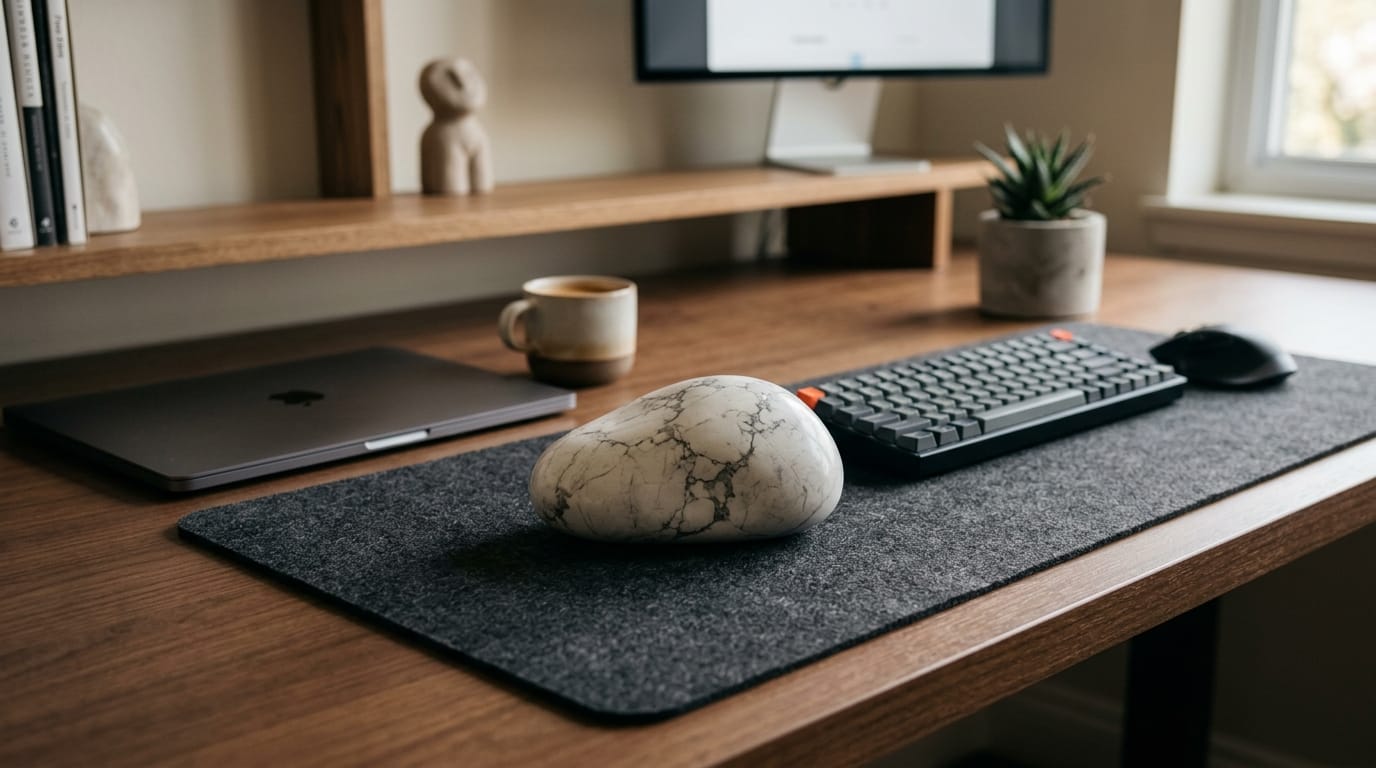
The integration of DPI into professional environments marks a significant shift in 2026 workplace ergonomics. We are moving toward ‘recovery-friendly’ desk configurations designed to combat burnout through subtle, tactile interventions. For instance, Howlite Palm Stones, which typically weigh between 1.4 and 1.6 oz, have become staples in these environments, offering a discreet method for managing physiological arousal. When utilized during designated workplace breaks, these tactile stress relief tools have been shown to reduce cortisol levels by as much as 31%. By bridging the gap between historical sensory therapies and contemporary corporate health standards, these weighted tools represent a fundamental shift in how we manage daily autonomic nervous system regulation.
Beyond Blankets: Exploring Small-Scale Weighted Innovations for 2026
Following the mainstream normalization of deep pressure therapy through weighted blankets, 2026 has marked a pivotal shift toward portable, discreet sensory modulation. As clinical understanding matures, the transition from large-scale bedding to specialized handheld tools reflects a broader trend toward ‘recovery-friendly’ desk environments designed to mitigate modern burnout. These innovations, which now carry Grade A clinical backing for both sleep and anxiety reduction, offer targeted interventions for high-stress professional settings.
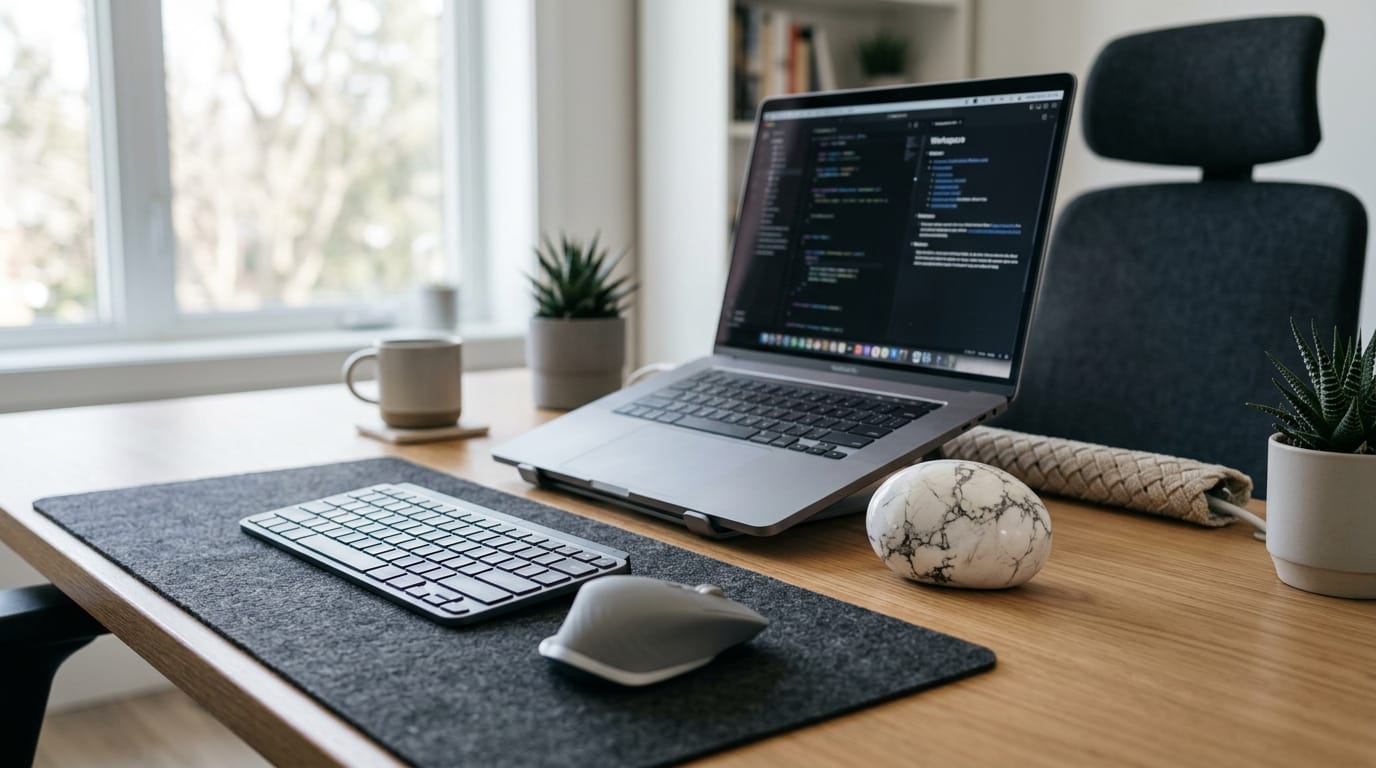
The efficacy of these tools is grounded in biological feedback: research indicates that deep pressure input can yield an 18-25% improvement in sleep onset latency, while tactile stress relief tools utilized during workplace breaks are shown to reduce cortisol levels by 31%. As noted by industry experts, small weighted sensory bottles or weighted ‘palm‑press’ stress balls deliver deep‑pressure input that effectively stimulates the parasympathetic nervous system. For instance, Howlite Palm Stones, a mainstay of the current wellness repertoire, typically weigh between 1.4 and 1.6 oz, providing a density that triggers proprioceptive feedback without the cumbersome footprint of traditional therapy equipment.
Whether through the use of weighted eye masks or ergonomic palm stones, these tools consistently increase pre-sleep melatonin and lower cortisol within 5-10 minutes of use. As we look toward the future, the integration of these multimodal sensory tools into standard workplace ergonomics represents a significant evolution in how we manage physiological stress, bridging the gap between niche tactile therapy and daily corporate wellness.
From Desk to Pillow: Integrating Weight into the Evening Transition
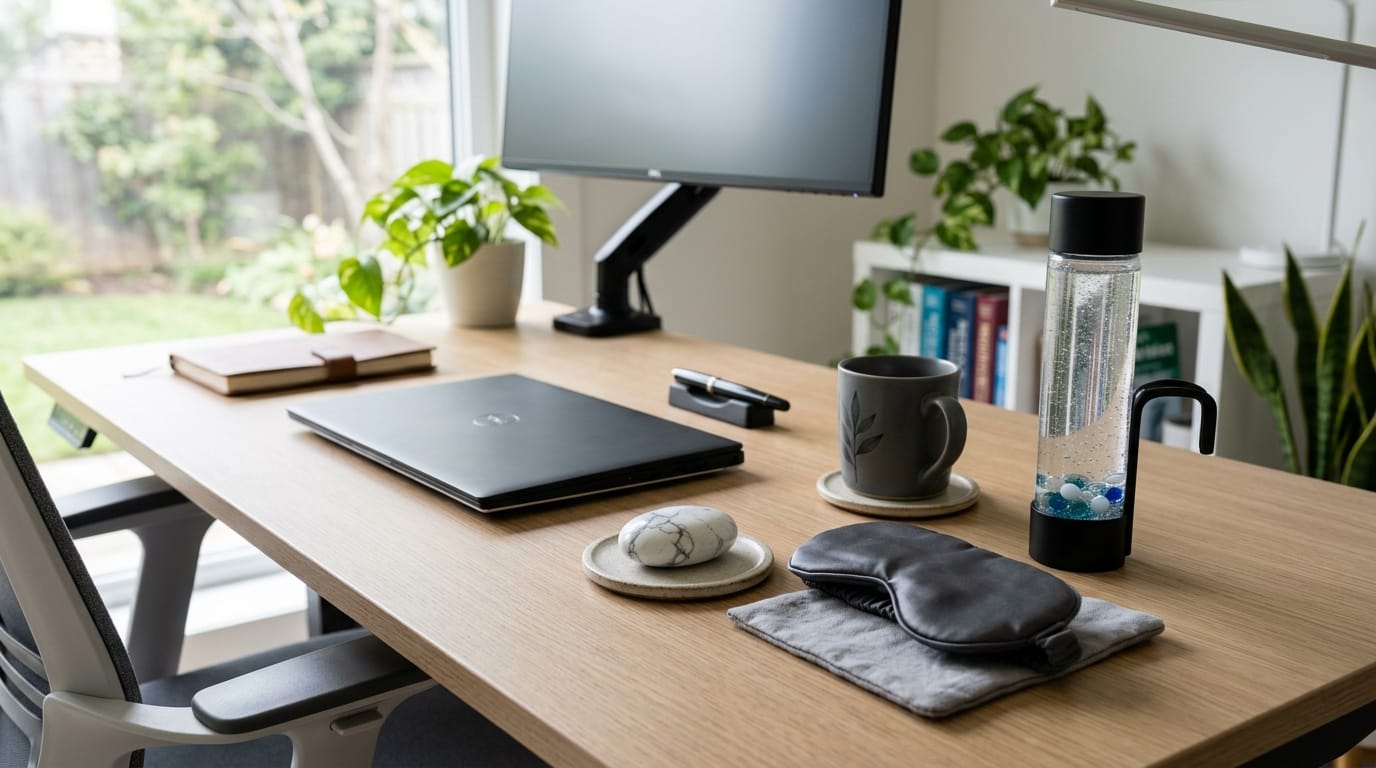
The contemporary transition from high-intensity professional cognitive labor to restorative sleep often suffers from a failure to signal biological state shifts. While ASMR and weighted blankets previously pioneered the mainstream adoption of sensory regulation, 2026 trends indicate a pivot toward portable, multimodal tools designed to bridge the gap between office and bedroom. By integrating weighted objects into the workplace, professionals can enforce essential micro-breaks that mitigate the carryover of stress into evening hours. Clinical data suggests that tactile stress relief tools utilized during these desk-bound intervals can reduce cortisol levels by 31%, creating an physiological baseline that is far more receptive to rest.
Weighted tools, such as the increasingly common 1.4 to 1.6 oz Howlite palm stones, carry Grade A clinical backing for their efficacy in anxiety reduction and sleep hygiene. As noted in One Quiet Mind’s 2026 sensory insights, “These are especially effective for children and adults who struggle with transitions (bedtime, leaving the house, ending work) and need multi-sensory cues to shift states.” By utilizing these objects to anchor a physical “end-of-day” ritual, users can leverage the fact that deep pressure input can yield an 18-25% improvement in sleep onset latency. These tools act as a reliable sensory tether; by lowering cortisol and priming melatonin production within 5-10 minutes of use, they transform the desk from a site of sustained tension into a launchpad for nocturnal recovery. As workplace ergonomics evolve toward “recovery-friendly” environments, this continuity of sensory support will likely become a pillar of executive wellness.
Personalizing Your Sleep Ritual: Matching Weight to Sensory Profiles
As we navigate the 2026 wellness landscape, it has become clear that effective sleep hygiene is no longer one-size-fits-all. While the evolution of ASMR has transitioned from niche internet subculture to a cornerstone of mainstream physiological regulation, our understanding of deep pressure therapy—popularized by the weighted blanket boom—has matured into highly personalized applications. Clinical data reveals that weighted tools provide Grade A support for sleep and anxiety reduction, capable of increasing melatonin and lowering cortisol levels within just 5 to 10 minutes of use. Achieving an 18-25% improvement in sleep onset latency requires matching your specific sensory profile to the right tool.
For the sensory seeker, who requires high-intensity input to ground an overactive mind, we recommend weighted tools with distinct, tactile textures. If you find yourself gravitating toward persistent movement or touch, Why Your Brain Craves Tactile Satisfaction and Everyday ASMR explains the underlying neurobiology of these preferences. Conversely, the sensory avoider—often prone to overstimulation—benefits from discreet, weighted objects that offer gentle, consistent pressure without excessive tactile complexity. Small, precise tools like Howlite Palm Stones, which typically weigh between 1.4 and 1.6 oz, are perfect for those who require a subtle, grounding presence in both professional and home environments.
This shift toward recovery-friendly desk environments is critical as we move toward the future of workplace ergonomics. Research indicates that utilizing these tactile stress relief tools during work breaks can reduce cortisol levels by 31%, helping to combat the growing issue of workplace burnout. As experts note, “The best tool isn’t the trending one—it’s the one that matches your sensory profile (seeker vs. avoider) and primary challenge (focus, anxiety, overstimulation, or sleep),” according to One Quiet Mind research. By integrating these multimodal sensory tools into your daily rhythm, you turn sleep from a passive necessity into a proactive, clinical-grade ritual. – Kevin Lee
Frequently Asked Questions
Weighted blankets utilize Deep Pressure Stimulation, which mimics the sensation of being held or hugged. This process helps lower cortisol levels while simultaneously boosting serotonin and melatonin production. By promoting a calming physiological response, these tools effectively reduce nighttime anxiety, allowing your nervous system to transition into a deeper, more restorative sleep state.
While generally safe, individuals with certain respiratory issues, asthma, or claustrophobia should consult a physician before use. The blanket must be light enough for you to remove independently if needed. As of 2026 guidelines, we recommend choosing a weight that is approximately ten percent of your total body mass for optimal safety.
Clinical evidence suggests weighted tools act as a sensory intervention to calm the autonomic nervous system. For those struggling with chronic insomnia, they serve as a non-pharmacological aid to reduce restlessness and physical tension. However, they work best when integrated into a comprehensive sleep hygiene routine that includes consistent scheduling and light management.
Expert Resources