
Magnetic Desk Toys: The Science of Tactile ASMR
By Kevin Lee | 5/1/2026
The Magnetic Pull: Why Resistance and Snap Define Adult ASMR
As ASMR has transitioned from a niche digital phenomenon into the bedrock of modern wellness, the sensory tools occupying the adult desk have undergone a significant evolution. By 2026, the marketplace is defined by boutique EDC (Everyday Carry) instruments—such as the YEDC P-Cube, which commands prices upwards of $190 due to its use of high-performance PEEK and precision CNC machining—that leverage advanced magnetic architecture. Understanding Why Your Brain Craves Tactile Satisfaction and Everyday ASMR requires acknowledging that our fingertip locations provide four-times greater spatial acuity than the torso, making the haptic feedback from these instruments neurologically potent.
The efficacy of these tools relies on the interplay of physics and neurobiology. High-end components like neodymium magnets, typically featuring a triple-layer nickel-copper-nickel (Ni-Cu-Ni) coating for structural integrity, are engineered to remain under 15g to prevent fatigue during extended use. Unlike harsh mechanical switches, the auditory profile of magnetic resistance is uniquely calibrated. As noted by Flinders University researchers, “Magnetic snapping sounds—typically low‑frequency, smooth, and relatively low‑volume ‘whoosh‑click’ tones—tend to act as a gentle, repetitive auditory cue that modestly raises background arousal without triggering the startle reflex.” This specific “whoosh-click” profile bypasses the fight-or-flight response often elicited by sharper, high-frequency mechanical clicks, allowing for sustained focus. Looking ahead, we anticipate a future where adaptive algorithms adjust magnetic field strength in real-time, further harmonizing these tools with individual cognitive needs as they integrate with emerging multi-sensory technologies.
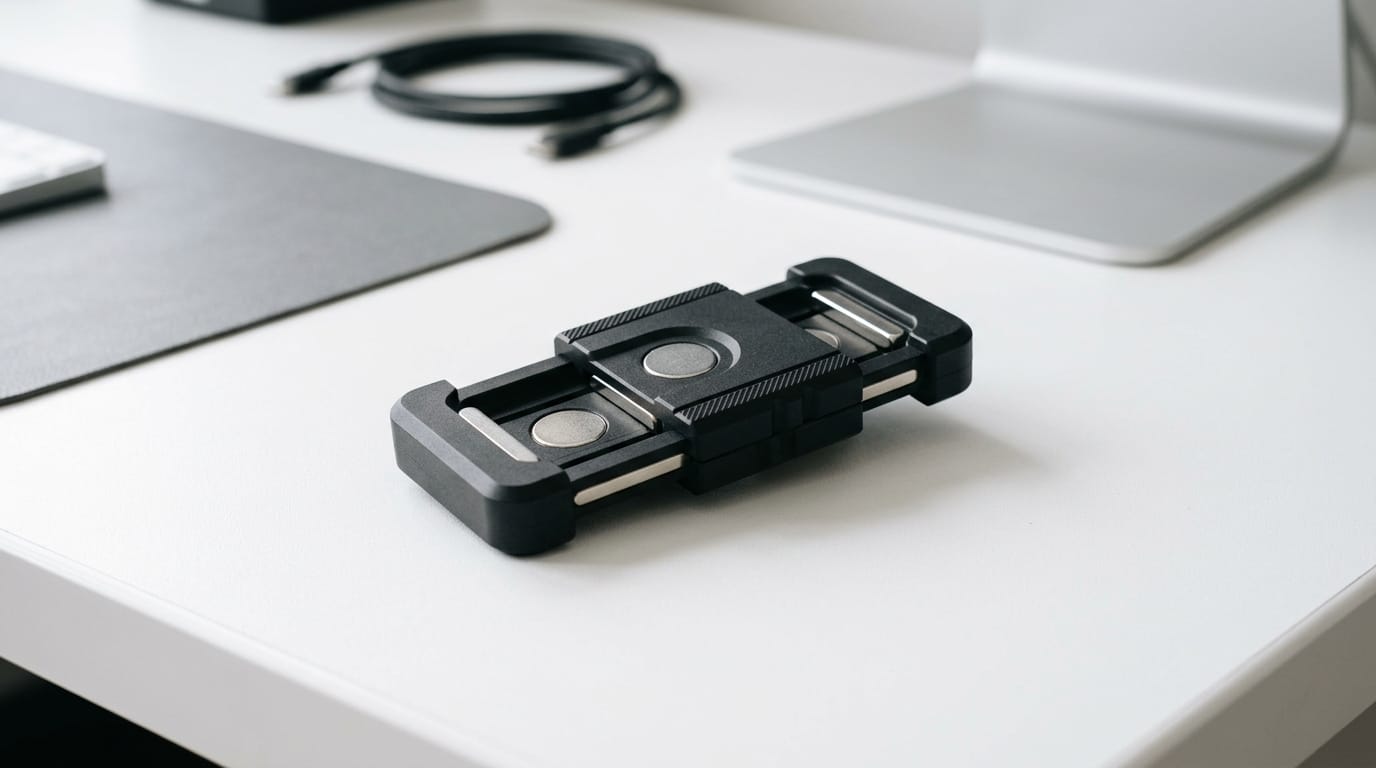
The Haptics of Magnetism: Resistance, Snapping, and Rolling Explained
In the evolving landscape of 2026 wellness, where ASMR has transitioned from a niche digital curiosity to a core clinical component of stress regulation, the ergonomic design of fidget tools has reached a sophisticated inflection point. The efficacy of these devices relies heavily on the physiological reality that fingertip locations provide four-times greater spatial acuity than the torso and that thinner skin layers respond more strongly to vibration. By leveraging this heightened sensitivity, modern EDC (Everyday Carry) tools utilize neodymium magnets—protected by a durable triple-layer nickel-copper-nickel (Ni-Cu-Ni) coating—to deliver precise haptic feedback that avoids the high-pitched fatigue associated with older mechanical springs.
The engineering of contemporary tools, such as the premium YEDC P-Cube which utilizes PEEK and precision CNC machining, reflects a transition toward aerospace-grade durability. With a cost reflective of these high-end materials, these devices are meticulously balanced to weigh under 15g, preventing user fatigue during continuous use. A key differentiator is the magnetic snapping action, which generates low-frequency ‘whoosh-click’ tones; this acoustic profile is specifically calibrated to bypass the startle reflex often triggered by traditional mechanical clicking. As we look toward future iterations, the industry is moving toward integrating multi-sensory cues—such as those seen in the Lifelines Grounding Fidget—and the development of adaptive algorithms designed to modulate magnetic field strength in real-time, ensuring consistent sensory force perception regardless of variations in hand size or grip strength.
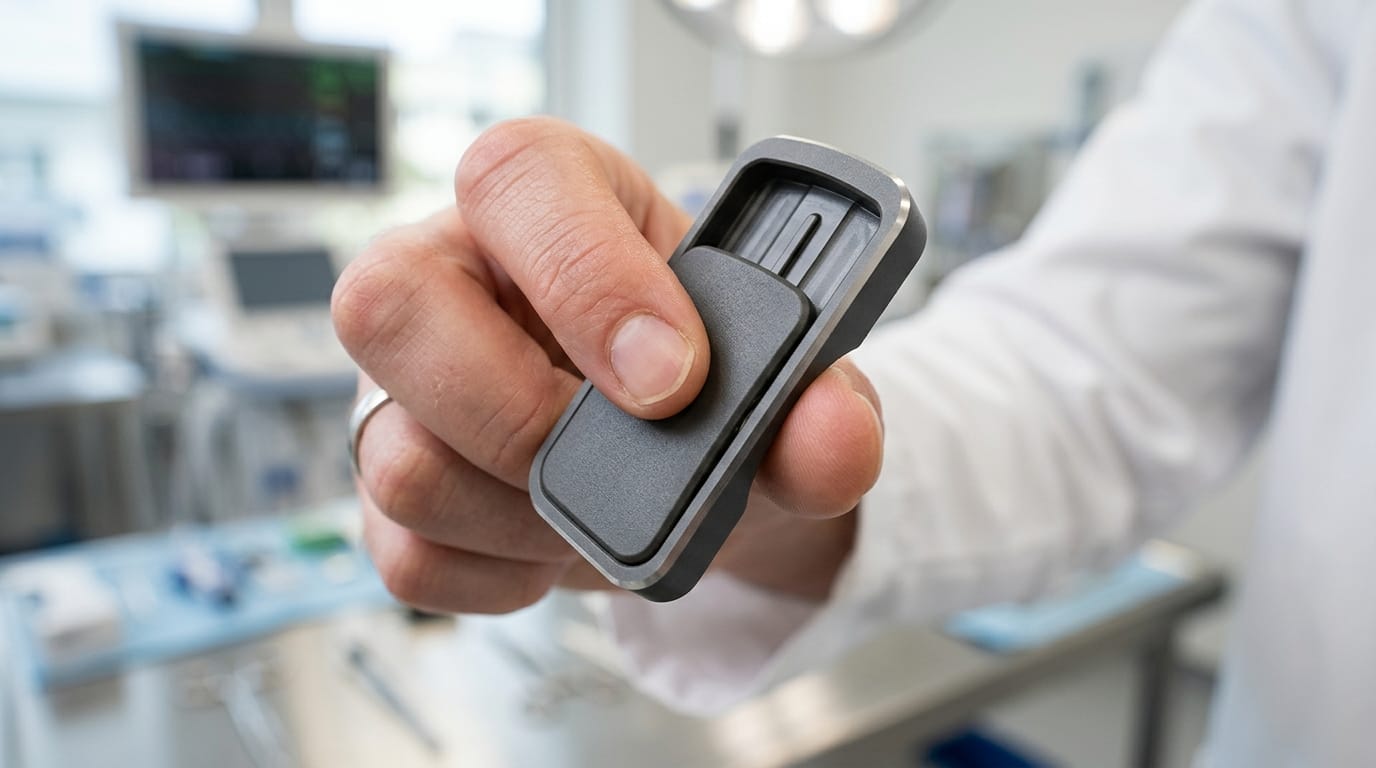
From Playground to Boardroom: The 2026 Evolution of Magnetic Desk Aesthetics
The sensory management tools of 2026 have undergone a significant material transition, shedding their plastic, juvenile origins for the sophisticated austerity of aerospace-grade components. As ASMR has evolved from niche internet subculture to a cornerstone of corporate wellness, the design language of these devices has shifted toward high-end materials like Titanium and PEEK (polyetheretherketone). This professionalization is rooted in neuro-sensory science; since fingertip locations provide four-times greater spatial acuity than the torso, the quality of haptic feedback is paramount. Advanced devices, such as the YEDC P-Cube, utilize these premium materials and precision CNC machining to justify price points upward of $190, delivering a refined, hollow click that resonates within professional environments.
Engineering for the modern boardroom requires more than aesthetics; it demands sensory discretion. Unlike mechanical triggers that can induce a startle reflex, magnetic snapping produces low-frequency ‘whoosh-click’ tones, allowing for unobtrusive regulation of focus. To ensure durability, the underlying neodymium magnets are shielded with triple-layer nickel-copper-nickel (Ni-Cu-Ni) coatings, preventing the corrosion typical of daily handle-wear. With weight parameters strictly managed—most tools are designed to be under 15g to facilitate continuous use without musculoskeletal fatigue—these instruments now function as seamless extensions of the user’s workspace. As we look toward future developments, such as adaptive algorithms that may adjust magnetic field strength in real-time, the desk accessory of 2026 stands as a marriage of tactile necessity and executive luxury.
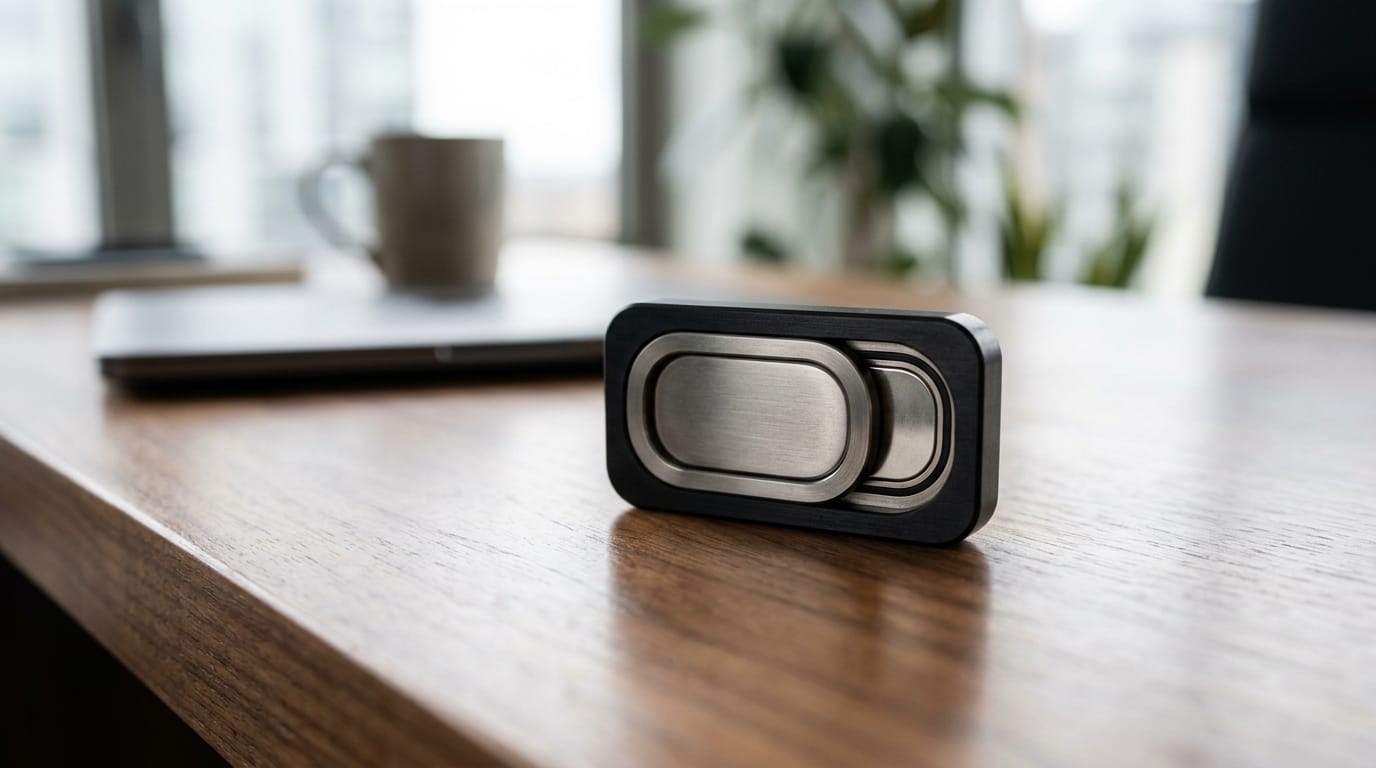
Cognitive Anchoring: Using Magnetic Feedback to Combat Digital Overload
In the evolving landscape of 2026, the transition of sensory regulation tools from niche hobbyism to mainstream wellness is complete. As digital fatigue becomes a clinical norm, patients are increasingly leveraging bilateral stimulation—the practice of rhythmic, alternating tactile input—to anchor cognitive focus. The efficacy of this approach is rooted in human physiology: fingertip locations possess four-times greater spatial acuity than the torso, making them an ideal interface for haptic feedback. Modern tools, such as the YEDC P-Cube, utilize aerospace-grade PEEK and precision CNC machining, commanding premium prices upwards of $190. To ensure clinical utility, these devices are rigorously engineered to weigh under 15g, preventing muscular fatigue during periods of continuous use.
A critical advancement in this field is the move away from harsh mechanical triggers. Magnetic snapping produces low-frequency ‘whoosh-click’ tones that intentionally avoid the startle reflex associated with traditional mechanical switches, facilitating a state of flow rather than distraction. These high-end devices, often protected by triple-layer nickel-copper-nickel (Ni-Cu-Ni) coatings for corrosion resistance, reflect a broader shift toward ‘hidden in plain sight’ design. As noted in a professional clinical review, ‘The Fidget Pen easily blends into almost any setting, offering a ‘hidden in plain sight’ experience… it solves the common ADHD hurdle of forgetfulness by providing a clever 2-in-1 solution.’ This integration of functionality—combining standard writing tools with sensory regulation—addresses the executive function deficits common in neurodivergent populations.
Looking toward the future, the integration of multi-sensory cues, such as the olfactory stimulation found in the Lifelines Grounding Fidget, suggests a move toward holistic, hyper-personalized regulation. We anticipate that adaptive algorithms may soon allow for real-time adjustments of magnetic field strength, ensuring a consistent force perception across varying hand sizes and grip strengths. For the modern professional, these devices offer more than just a distraction; they provide a sophisticated neuro-mechanical anchor against the fragmentation of digital life.
Maintenance and Safety: Managing the Friction of High-Strength Magnets
As we navigate the 2026 landscape of everyday carry (EDC) tools, the transition from niche ASMR-linked culture to mainstream wellness integration requires a nuanced understanding of hardware maintenance. Boutique devices, such as the YEDC P-Cube, leverage high-performance materials like PEEK and precision CNC machining, commanding prices upwards of $190. Because fingertip locations possess four times the spatial acuity of the torso, the quality of haptic feedback—characterized by the low-frequency ‘whoosh-click’ that bypasses the startle reflex—is paramount for sensory regulation. To understand more about the neurological basis of these interactions, read Why Your Brain Craves Tactile Satisfaction and Everyday ASMR.
Neodymium magnets are typically encased in a triple-layer nickel-copper-nickel (Ni-Cu-Ni) coating to ensure corrosion resistance. However, durability is not absolute. According to FullZen Magnets, while this triple coating is standard, corrosion can still manifest if these tools are exposed to moisture, whether underwater or during outdoor use. To maintain structural integrity and safety, users should avoid high-moisture environments. Furthermore, safety protocols must be strictly followed to mitigate choking hazards, particularly given the compact nature of these tools; manufacturers prioritize keeping the weight under 15g to prevent fatigue during continuous use. As we look toward a future where adaptive algorithms modulate magnetic fields for personalized resistance and multi-sensory tools like the Lifelines Grounding Fidget gain prominence, rigorous maintenance remains the frontline defense in ensuring both device longevity and user safety. Authored by Kevin Lee.
Frequently Asked Questions
While magnetic desk toys are not a clinical treatment, they act as effective sensory grounding tools. By engaging tactile receptors, they help shift focus away from ruminative thoughts during acute stress. However, patients should view these as supplementary self-regulation aids rather than replacements for professional cognitive behavioral therapies or prescribed medication.
Yes, research suggests that rhythmic, tactile manipulation—known as fidgeting—can improve cognitive performance by occupying the brain’s ‘boredom’ networks. This allows for better concentration on primary tasks. For individuals with ADHD, these magnetic devices provide the necessary proprioceptive input to stabilize attention and minimize restlessness during long work sessions.
For most adults, these toys are safe. However, individuals with implanted medical devices, such as pacemakers or insulin pumps, must maintain a significant distance from high-strength magnets to prevent electromagnetic interference. Additionally, those with nickel allergies should check materials, as prolonged skin contact with metallic coatings can sometimes trigger contact dermatitis.
Expert Resources