
Sensory Cues for Easier Sleep Transitions
By Kevin Lee | 5/1/2026
The Modern ‘Off Switch’ Crisis: Why screens fail the bedtime transition
In the quiet hours of 2026, the global struggle for restorative rest has reached a clinical tipping point. As digital engagement bleeds into our biological wind-down phase, the physiological consequences are stark: data confirms that one hour of screen use after going to bed increases the risk of insomnia by 59%. This “off-switch” crisis is not merely a matter of willpower, but a conflict between our ancient circadian biology and the relentless, high-stimulus digital environment. While we once viewed ASMR and fidget tools as niche internet subcultures, they have matured into essential components of the modern wellness landscape, effectively bridging the gap between hyper-connected days and necessary nocturnal recovery.
The transition from a high-stress professional setting to a restorative sleep state now necessitates a shift toward what researchers define as ‘Multimodal’ sensory tools. By combining tactile input with auditory or visual cues, these devices address the hyper-arousal that screens exacerbate. For those seeking a deeper physiological reset, understanding why your brain craves tactile satisfaction and everyday ASMR is the first step in reclaiming sleep hygiene. Clinical evidence supports this pivot; for instance, a 2024 study demonstrated that weighted blankets can increase pre-sleep salivary melatonin levels and reduce sleep latency by 10 minutes. Furthermore, utilizing tactile stress relief tools during brief pre-sleep intervals has been shown to reduce cortisol levels by 31%, helping to quiet the sympathetic nervous system before lights out.
As we look toward the future—with ongoing 2026 UCSF trials exploring weighted sensory tools for chronic-pain-related insomnia—it is clear that the integration of AI-driven rhythmic lighting and biofeedback wearables will soon be standard. For now, the most effective intervention remains the conscious replacement of screens with low-stimulus, sensory-grounding activities, which has been shown to improve sleep efficiency by 5-7%. By prioritizing these tactile experiences, we can successfully recalibrate our internal rhythms against the encroaching digital tide.
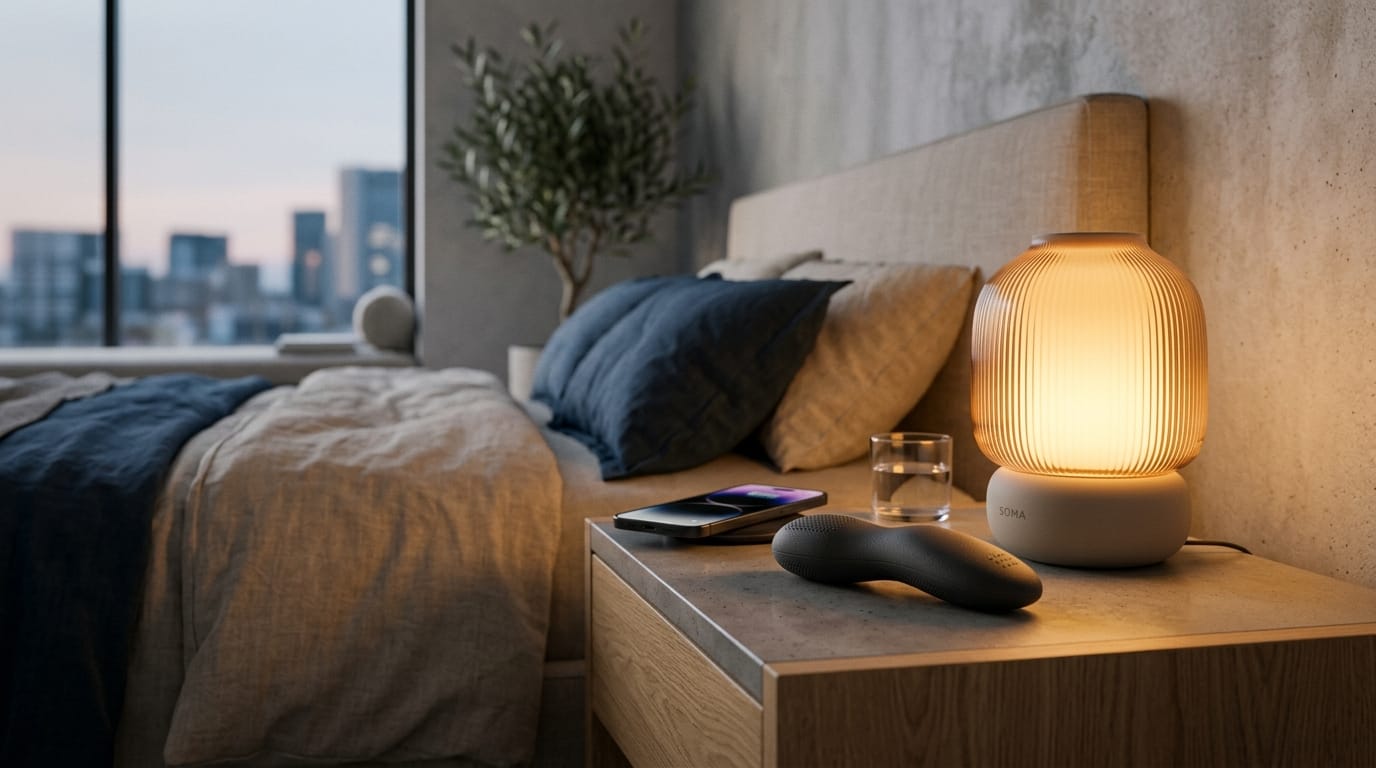
The Physiology of Calm: How tactile cues signal the brain to downshift
In the high-velocity environment of 2026, the transition from active professional engagement to restorative rest has become a significant neurological challenge. Data indicates that one hour of screen use after bed increases insomnia risk by 59%, highlighting the physiological cost of digital overstimulation. As sensory grounding evolves from niche subcultures—such as early ASMR and fidget trends—into mainstream wellness, we are seeing the rise of multimodal tools designed specifically for the professional aesthetic. As noted in recent research, “Sensory Grounding: Touch receptors send signals to your brain that compete with stress signals,” providing a pathway to neural regulation Zenify 2026 Guide. Clinical evidence supports this shift: tactile stress relief tools have been shown to reduce cortisol levels by 31% when utilized during brief breaks. Furthermore, the clinical efficacy of deep-pressure input remains a cornerstone of sleep hygiene; a 2024 study demonstrated that weighted blankets increase pre-sleep salivary melatonin while reducing sleep latency by 10 minutes. For those replacing late-night screen time with these low-stimulus activities, sleep efficiency improvements of 5-7% are consistently reported. Looking toward the future, ongoing UCSF trials are currently evaluating these weighted sensory interventions for chronic-pain-related insomnia, while the 2026 market increasingly favors multimodal designs that integrate rhythmic auditory and visual cues with tactile engagement to facilitate a more profound autonomic nervous system downshift.
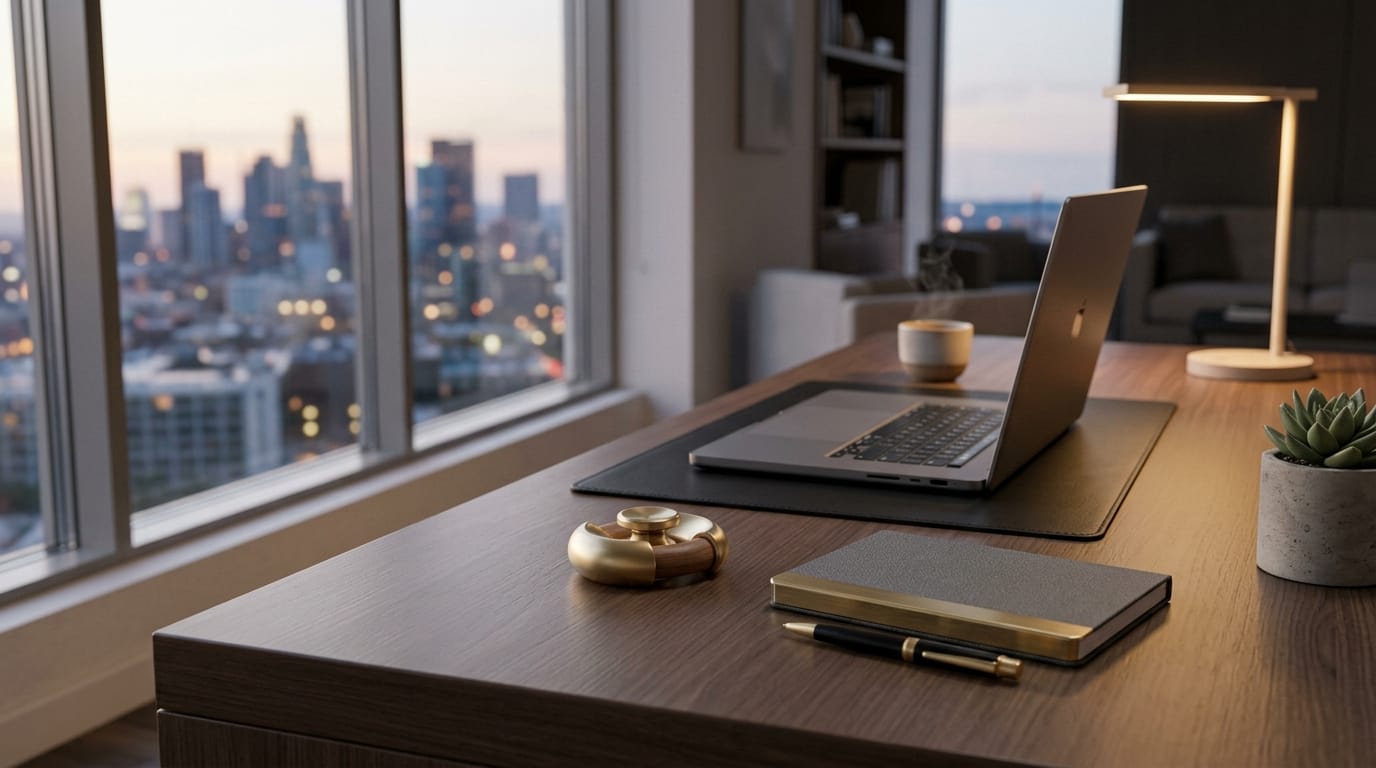
Handheld Sleep Anchors: Beyond the weighted blanket—new tools for 2026
The evolution of sleep hygiene has transitioned from the stationary comfort of heavy bedding to the precision of palm-sized sensory regulation. While the 2024 revelation that weighted blankets increase salivary melatonin and slash sleep latency by 10 minutes set a foundation, the 2026 landscape is defined by ‘Multimodal’ innovation. With data indicating that a single hour of screen use post-bedtime inflates insomnia risk by 59%, the necessity for immediate, portable interventions has never been higher. Adults who replace their evening scrolling with low-stimulus, sensory-focused activities report tangible sleep efficiency gains of 5-7%.
Where early fidget tools were once confined to niche subcultures, today’s devices are designed with the sleek, aesthetic requirements of professional and bedside environments. These tools leverage the proven capacity of tactile input to reduce cortisol levels by 31% during brief, high-stress intervals. Leading the charge are vibration-based anchors, which provide a nuanced alternative to static pressure. According to Neuvena Life, “vibration-based tools offer a gentler way to activate calm. They use rhythmic vibrations to help regulate breath, heart rate, and focus — like a mini biofeedback device you can hold or place on your chest.” As we look toward the future, these handheld anchors are being integrated into ongoing UCSF trials for chronic-pain-related insomnia, signaling a transition toward a future where sensory regulation is as essential to the bedside table as the lamp itself.
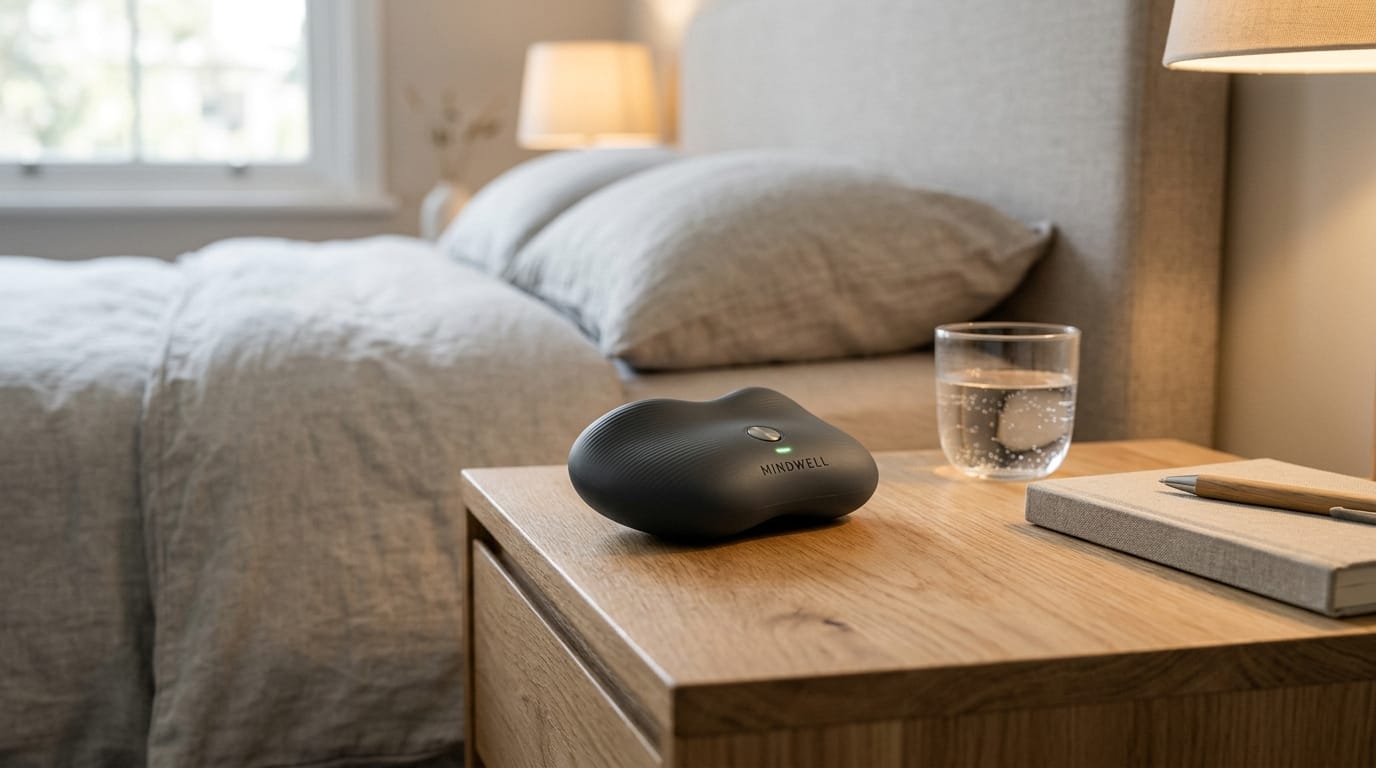
Building the Ritual: Designing a multi-sensory, screen-free wind-down
In an era where one hour of screen use after bed increases insomnia risk by 59%, transitioning away from digital interfaces has become a clinical necessity. The 2026 landscape of sleep hygiene has shifted from singular interventions to ‘Multimodal’ sensory regulation, an evolution from the early days when ASMR and basic fidget tools were relegated to niche subcultures. By replacing high-stimulus digital interaction with low-stimulus activities, adults can achieve documented sleep efficiency improvements of 5-7%.
A structured 45-minute wind-down ritual now leverages the synergy of multiple sensory inputs to effectively signal the nervous system that the work day has concluded. Begin at minute zero by engaging the tactile system; recent clinical data confirms that tactile stress relief tools can reduce cortisol levels by 31% during brief breaks, acting as a physical bridge between high-pressure professional tasks and rest. As noted in current research on sensory tools for stress relief, “This dual input works particularly well during high-stress moments when one sensory channel isn’t enough to interrupt the anxiety response.”
For the subsequent 30 minutes, incorporate deep-pressure stimulation. Building upon the initial clinical value established by early weighted blanket trends, a 2024 study demonstrated that these tools increase pre-sleep salivary melatonin while reducing sleep latency by 10 minutes. As we look toward future developments, including UCSF trials on chronic-pain-related insomnia and the integration of AI-driven rhythmic lighting, the bedside environment is becoming increasingly sophisticated. Conclude the final 15 minutes with a rhythmic auditory cue, ensuring the environment remains devoid of blue light to protect the circadian rhythm, effectively anchoring the body in a state of restorative, multisensory calm.
Personalizing the Trigger: Matching textures and weights to your sleep profile
In the evolving landscape of 2026, the transition from niche ASMR-inspired fidgets to professional, multimodal sleep aids reflects a deepening understanding of neurodivergence and stress physiology. As we move away from generic wellness trends, clinical efficacy now dictates that tools must be tailored to the individual. According to insights at One Quiet Mind, the clinical consensus is clear: “The best tool isn’t the trending one—it’s the one that matches your sensory profile (seeker vs. avoider) and primary challenge (focus, anxiety, overstimulation, or sleep).”
For the ‘sensory seeker’—those who require high-input stimuli to self-regulate—heavy weighted blankets are proving transformative. A 2024 study demonstrated that these tools can increase pre-sleep salivary melatonin while reducing sleep latency by 10 minutes. By contrast, ‘sensory avoiders’—individuals easily overwhelmed by erratic inputs—thrive with cooling, smooth textures like high-density bamboo or matte silicone magnets, which provide grounding without over-arousal. This distinction is critical, especially considering that one hour of screen use after bed increases insomnia risk by 59%. Replacing this digital consumption with low-stimulus tactile interaction has been shown to improve sleep efficiency by 5-7%.
As ongoing 2026 UCSF trials continue to evaluate deep-pressure input for chronic-pain-related insomnia, we are seeing the rise of aesthetic, multimodal devices that integrate tactile sensation with biofeedback. Whether you utilize weighted sensory tools to reduce cortisol levels by 31% during pre-sleep transitions or incorporate AI-driven rhythmic cues, the objective remains the same: mitigating the hyper-arousal that defines the modern professional’s evening. By aligning your chosen medium with your specific neuro-sensory needs, you move beyond mere novelty and toward a scientifically grounded sleep hygiene protocol.
From Purchase to Practice: Overcoming the habit gap for better rest
The integration of sensory technology into our nightly routines remains a paradoxical challenge in 2026. While we have moved beyond the niche ASMR and fidget subcultures of the past, fully transitioning from acquisition to clinical consistency remains difficult. As noted in the 2026 Zenify Guide to Stress Relief, “the barrier isn’t effectiveness; it’s the gap between buying tools and building habits around them.” This is critical given that one hour of screen use after bed increases insomnia risk by 59%, while adults who successfully substitute this digital stimulus with low-stimulus activities report sleep efficiency improvements of 5-7%.
Understanding Why Your Brain Craves Tactile Satisfaction and Everyday ASMR is the first step toward permanent behavioral change. We now know that tactile stress relief tools can reduce cortisol levels by 31% during brief breaks, and 2024 data indicates that weighted blankets increase pre-sleep salivary melatonin while reducing sleep latency by 10 minutes. The current 2026 trend toward ‘Multimodal’ tools—which blend tactile input with rhythmic auditory or visual cues—allows these devices to serve as aesthetic, permanent fixtures in the bedroom rather than discarded gadgets.
As UCSF trials evaluate these tools for chronic-pain-related insomnia and AI-driven biofeedback continues to advance, the focus must shift from the device itself to the habit loop. By treating sensory regulation as a foundational pillar of sleep hygiene—much like brushing one’s teeth—patients can bridge the gap from purchase to practice. I am Kevin Lee, and as we look toward a future of integrated biofeedback, the efficacy of these interventions will ultimately depend on their habitual placement within our evening rituals.
Frequently Asked Questions
Sensory cues like dim lighting, gentle soundscapes, or weighted blankets signal your nervous system that it is time to wind down. By consistently associating specific triggers with bedtime, you help lower cortisol levels and activate the parasympathetic response, which allows your body to transition into a restorative, restful sleep state much faster.
By 2026, research supports using scents like lavender or chamomile to prime the brain for sleep. Inhaling these calming aromas triggers olfactory nerves connected to the limbic system, which regulates emotions and relaxation. Integrating aromatherapy into your nightly routine creates a powerful sensory anchor that helps you drift off with greater ease.
Yes, avoid high-intensity sensory inputs like bright blue light from digital screens, loud or erratic noises, and stimulating scents like citrus or peppermint. These signals increase alertness by suppressing melatonin production. Prioritizing low-stimulation environments helps maintain your natural circadian rhythm, ensuring a smooth and rapid transition into your nightly sleep cycle.
Expert Resources