
Desk Toys for Screen Fatigue
By Kevin Lee | 4/21/2026
Introduction: The Modern Desk Worker’s Screen Fatigue
For the modern knowledge worker, the digital interface has evolved from a tool of productivity into a tether of constant sensory bombardment. Screen fatigue is no longer an occasional complaint; it is a systemic physiological crisis. Chronic engagement with monitors and peripherals takes a tangible toll, often manifesting as repetitive strain. As noted in clinical literature, Pain after a few seconds of typing may signal a repetitive strain injury, as can moderate wrist pain after typing a lengthy document. This discomfort is the body’s warning sign against the static, repetitive nature of the desk-bound environment.
Historically, sensory regulation tools were relegated to therapeutic settings for neurodivergent children. However, the paradigm has shifted. As documented in Why Keeping Your Hands Busy Helps Calm Your Mind, the necessity for tactile grounding is now recognized as a vital component of adult cognitive health. This cultural pivot has fueled the growth of the global sensory toys market, now valued at USD 2.46 billion in 2026, with projections indicating it could reach USD 6.16 billion by 2035—and as much as USD 22.8 billion by 2033. North America remains the sector leader with a 53% market share, largely driven by this rising demand for therapeutic office tools.
We are seeing a profound evolution in hardware: once-simple fidget spinners have been replaced by sophisticated ‘executive’ desk toys. Modern iterations, such as magnetic putty like Speks Crags, utilize advanced physics to provide tactile feedback that actively relaxes strained hand muscles. The industry is rapidly innovating, with 39% of sensory toys launched in 2024 now integrating light, sound, or haptic interactivity. Furthermore, the stress toy market is tracking a robust CAGR of 6.1%, projected to hit USD 7.95 billion by 2030. For the desk-bound professional, incorporating these tools is not merely about novelty; research suggests that a 5-minute micro-break every 25 minutes can result in a 12% gain in sustained-attention task performance. Looking ahead, we anticipate a future defined by AI and haptic-integrated, screen-free tactile tools designed specifically to foster mindfulness in the high-pressure workspace.
The Science of Hand Tension and Mental Refresh
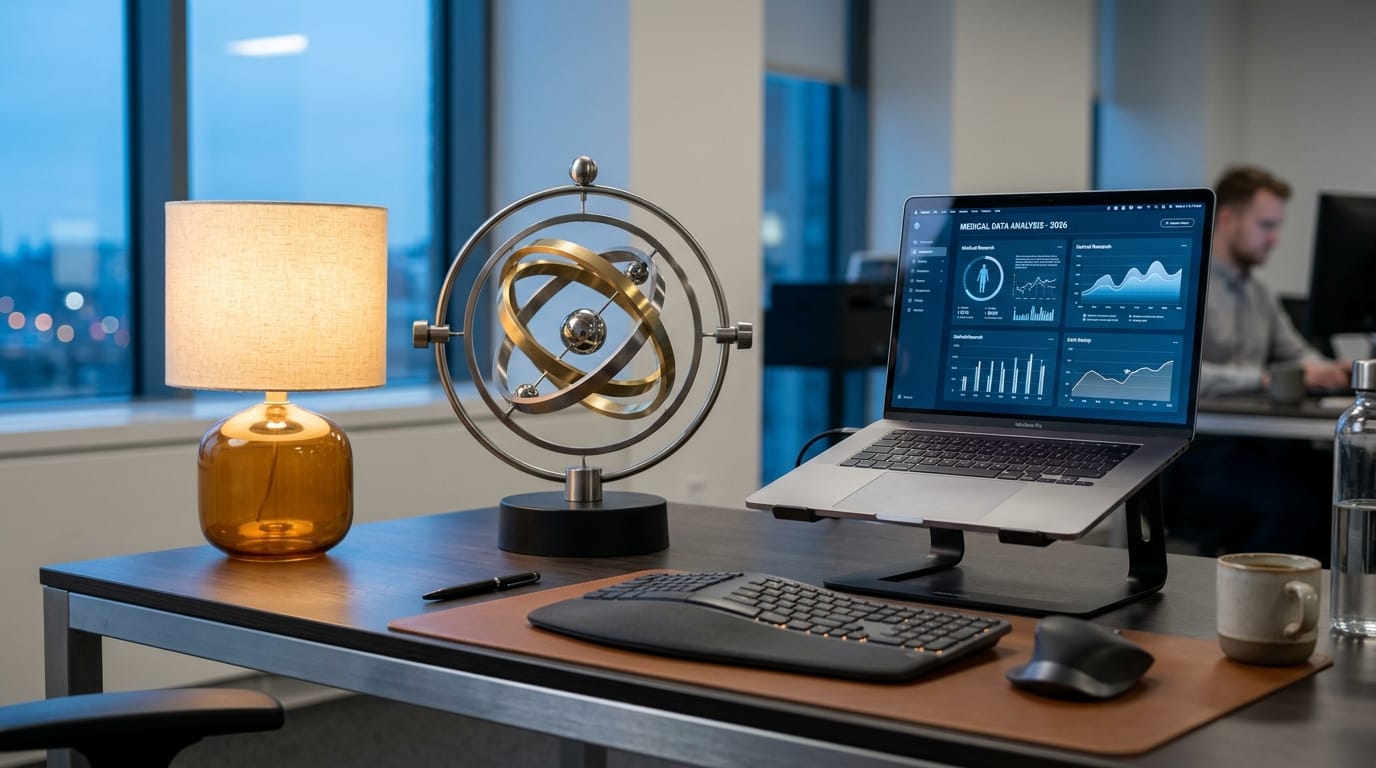
In the high-pressure environment of the modern workforce, the intersection of neurology and tactile input has transitioned from a niche therapeutic practice into a cornerstone of cognitive maintenance. As professionals navigate increasing digital fatigue, the shift from historically child-centric sensory tools to sophisticated ‘executive’ desk toys—such as magnetic putty like Speks Crags, which uses magnetic particles to deliver precise muscular feedback—marks a significant evolution in office wellness. As noted by industry analysts, “Repetitive, small movements—like clicking, twisting, or spinning—can help regulate the nervous system, reduce anxiety, and improve concentration.”
This physiological regulation is critical for preventing burnout. Research indicates that a strategic 5-minute micro-break every 25 minutes can yield a 12% increase in sustained-attention task performance, providing the brain necessary downtime to reset. The market reflects this clinical necessity: currently valued at USD 2.46 billion in 2026, the global sensory toys market is projected to reach USD 6.16 billion by 2035, with North America currently commanding a 53% market share. While early trends were popularized by simple devices like fidget spinners, the present landscape shows a push toward technological integration, with 39% of 2024’s new product launches incorporating digital elements like light or vibration to deepen the sensory feedback loop. As we look toward a future where the sector is expected to reach USD 22.8 billion by 2033, the focus remains clear: utilizing haptic engagement to mitigate the mental tax of the digital age.
Magnetic Putty and Compact Desk Toys as Office Essentials
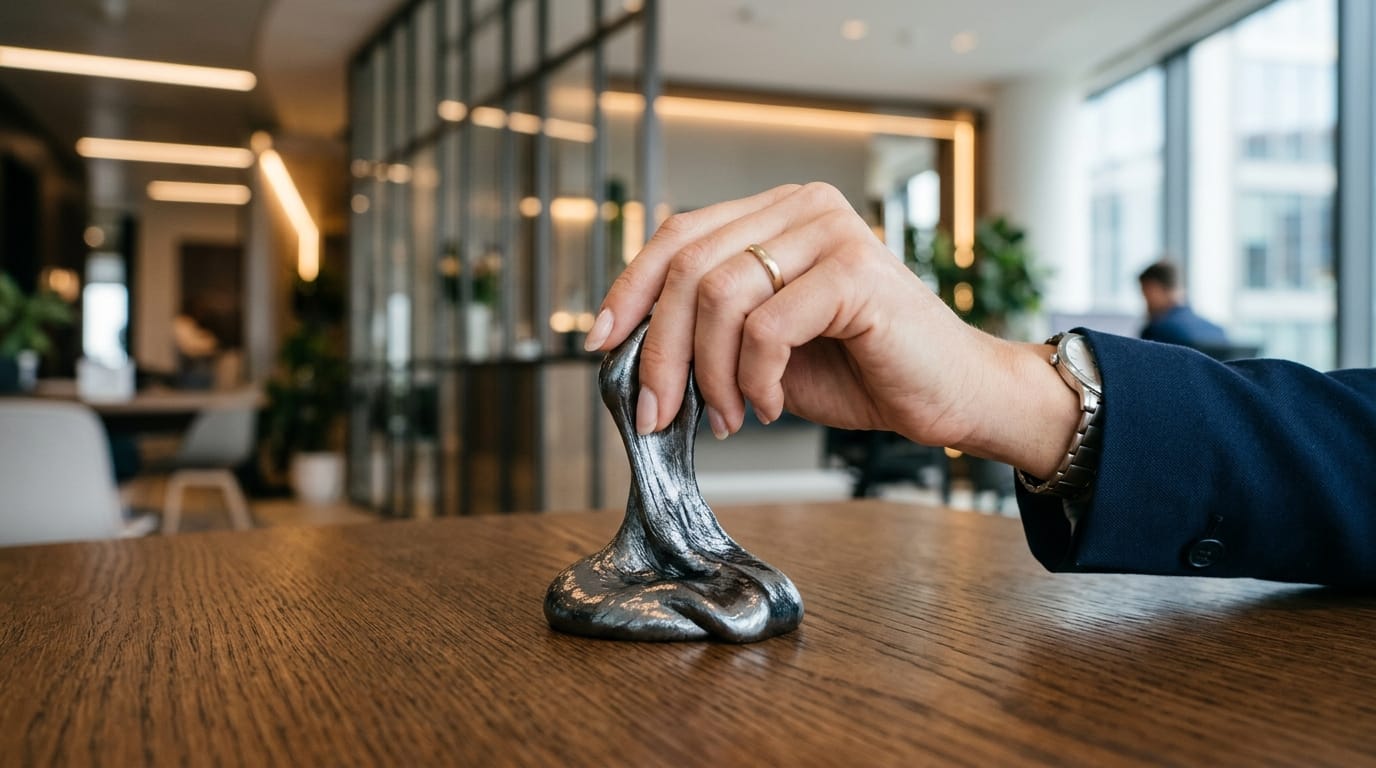
The landscape of professional focus tools has undergone a definitive evolution. Once confined strictly to therapeutic or pediatric settings—often associated with neurodevelopmental support for ADHD or autism—sensory regulation is now a cornerstone of the modern adult workstation. As the global sensory toys market climbs toward a projected USD 6.16 billion by 2035, the office environment has seen a pivot toward ‘executive’ desk toys that prioritize sophisticated aesthetics alongside tactile functionality. This trend is particularly evident in the rise of magnetic instruments, such as Speks Crags, which are infused with metallic particles to provide nuanced resistance, effectively relaxing intrinsic hand muscles during periods of high-cognitive demand.
This shift from the loud, kinetic fidget spinners of the past to refined, screen-free tactile tools aligns with data suggesting that a 5-minute micro-break every 25 minutes can yield a 12% gain in sustained-attention task performance. By integrating these tools into the workflow, professionals are not merely fidgeting; they are utilizing structured sensory input to ground their cognitive state. As noted by Everyday Health, “The Crags Magnetic Putty from Speks offers the typical fun experience of playing with putty but with a slick feel and aesthetically pleasing hue.” This synthesis of design and utility is essential, as the stress toy market alone is projected to reach USD 7.95 billion by 2030 at a CAGR of 6.1%. North America currently leads this market with a 53% share, reflecting a broader cultural acceptance of haptic engagement as a legitimate strategy for sustained mental performance.

Integrating Tactile Breaks into the Workday Flow
In the modern corporate landscape, the transition of sensory tools from childhood therapeutic settings to sophisticated, executive-grade office accessories marks a significant evolution in workplace ergonomics. With the global sensory toys market currently valued at USD 2.46 billion and projected to hit USD 22.8 billion by 2033, professionals are increasingly adopting high-aesthetic, functional tools to manage cognitive load. To optimize output, I recommend a structured protocol: utilize the Pomodoro technique by scheduling a 5-minute micro-break every 25 minutes. As noted by industry experts, a schedule of 5-minute micro-breaks every 25 minutes yields roughly a 12% gain in sustained-attention task performance after three months. These intervals provide an ideal window for tactile engagement.
During these brief pauses, tools such as magnetic putty like Speks Crags—which utilizes magnetic particles to release tension in hand muscles—offer a sensory reset that shifts the brain away from screen-induced fatigue. For high-stakes meetings where overt physical activity may be distracting, discreet, silent tactile devices are essential. This demand for subtlety is driving innovation, evidenced by 39% of 2024 sensory toy launches integrating digital interactivity, and the broader stress toy market growth trajectory toward $7.95 billion by 2030. By incorporating these tactile anchors into a rigid 25-minute cycle, professionals can leverage North America’s leading-edge trends to maintain composure and focus without disrupting their workflow. Future iterations of these devices promise even deeper integration of AI and haptic feedback, further cementing the role of sensory regulation as a foundational element of sustained executive performance.
Addressing Common Objections and Social Friction
Historically, sensory tools were largely sequestered within therapeutic or educational environments for children with ADHD or autism. While the mid-2010s craze of fidget spinners catapulted the concept into the mainstream, it also tethered the practice to a ‘childish’ stigma that many professionals still find difficult to overcome. However, the current landscape—backed by a global sensory toy market valued at USD 2.46 billion in 2026—is witnessing a deliberate pivot toward sophistication. As we look toward a future where the sensory market is projected to reach USD 22.8 billion by 2033, the focus has shifted from neon plastics to executive-grade desk accessories. According to industry trend analysis, “The trend is towards toys that use sophisticated, muted color palettes (like the popular Morandi colors), natural wood finishes, and minimalist designs.”
This evolution in aesthetics is crucial for professional adoption. Modern devices, such as magnetic putty like Speks Crags, utilize magnetic particles to provide subtle, high-tension feedback that is entirely silent, allowing for discreet use during high-stakes meetings or intense cognitive sessions. This is more than a stylistic choice; it is a clinical intervention. Clinical data confirms that a 5-minute micro-break every 25 minutes can result in a 12% gain in sustained-attention task performance, making these tactile tools essential for modern focus management. With 39% of 2024 sensory toy launches integrating digital elements like vibration interactivity, and the stress toy market alone projected to reach $7.95 billion by 2030, the professional world is finally aligning with the physiological need for sensory regulation.
Conclusion: Redefining the Desk as a Zone of Focus and Calm
The evolution of the workplace accessory has transitioned from the novelty fidget spinners of the past to sophisticated, ergonomic tools designed for the modern executive. As we explore Why Keeping Your Hands Busy Helps Calm Your Mind, it becomes clear that tactile intervention is no longer a pediatric luxury but a professional necessity. With the global sensory toys market currently valued at USD 2.46 billion in 2026—and projected to reach USD 6.16 billion by 2035—the data confirms a permanent shift in how we regulate cognitive load. North America leads this transformation with a 53% market share, as desk environments integrate tools like magnetic putty, such as Speks Crags, to alleviate muscle tension.
The efficacy of this trend is grounded in cognitive science; empirical evidence suggests that a 5-minute micro-break every 25 minutes can result in a 12% gain in sustained-attention task performance. As noted in industry product reviews, “Its compact, portable design occupies minimal desk space, making it an ideal office accessory for boosting both focus and relaxation.” This focus on efficiency is further evidenced by the 39% of sensory toys launched in 2024 that integrated digital elements like light and haptic feedback. With the stress toy market projected to reach USD 7.95 billion by 2030, and the broader sensory market climbing toward a staggering USD 22.8 billion by 2033, we are witnessing the emergence of the ‘smart’ desk.
Looking forward, the integration of AI-driven haptic feedback into screen-free tools promises to refine our approach to mindfulness at work. By reclaiming the desk as a zone of calibrated focus rather than mere output, professionals can leverage these essential wellness tools to sustain peak performance. As we move beyond historical limitations, the desk has finally become a space that supports both the mind and the body. — Kevin Lee