
Pocket-Sized Peace: Managing Commuter Anxiety with Discreet Tactile Tools
By Kevin Lee | 4/21/2026
Introduction: The Trapped Feeling of Daily Commutes
For the modern commuter, the daily transit experience often triggers a visceral sense of confinement. Whether navigating a congested highway or a crowded subway, the environment is frequently characterized by intrusive acoustic stimuli. A 2024 PLOS One study confirms this, finding that traffic noise significantly escalates self-reported stress and anxiety compared to the grounding effects of natural soundscapes. This physiological burden is measurable; clinical data indicates that longer commute times correlate with elevated salivary cortisol levels, a clear biomarker of systemic stress activation. As we explore Why Keeping Your Hands Busy Helps Calm Your Mind, it becomes evident that the ‘trapped’ sensation is a legitimate emotional hurdle requiring targeted interventions.
Historically, tactile engagement was relegated to juvenile fads like the viral fidget spinner, which, while raising awareness of sensory input, was often dismissed as trivial. However, the landscape has matured significantly. The sensory toy market, which saw North America command a 53% share in 2025, is evolving toward expertly crafted, muted tools for adult use. By 2030, this sector is projected to reach 7.95 billion USD, fueled by corporate wellness initiatives that recognize the necessity of sensory regulation. This shift is further reflected in product design, where 39% of sensory tools launched in 2024 now integrate sophisticated digital elements such as light and haptic vibration.
The efficacy of these tools lies in their ability to provide psychological equilibrium in chaotic environments. As noted by experts at Stimara, “fidgeting in a busy subway or bus helps prevent becoming overstimulated and ‘depressed ruminations’ during a long commute. It provides a subtle way to stay grounded until the trip is over.” With the global sensory tools market poised to hit 6.16 billion USD by 2035 at an 11% CAGR, these devices are transitioning from niche novelties to essential components of adult mental hygiene in an increasingly high-stimulus world.

Why Commuting Triggers Restlessness and Anxiety
The daily transit experience has evolved from a simple logistical hurdle into a significant driver of physiological strain. Research indicates that the relationship between time spent in transit and neurological markers of distress is dose-dependent. According to findings published in a 2024 PLOS One study, traffic noise serves as a potent environmental stressor, measurably increasing self-reported anxiety and cortisol production when compared to exposure to natural soundscapes. This physiological activation is further compounded by duration; clinical data reveals that the “odds of anxiety rose from 1.16 for 30-60 min trips to 1.42 for 60-120 min trips and remained elevated for trips exceeding two hours.”
As salivary cortisol levels fluctuate in response to these prolonged environmental stressors, a shift in market behavior has emerged. While fidget spinners once categorized sensory regulation as a fleeting, juvenile trend, the landscape is maturing toward adult-focused, expertly crafted tools designed for discretion. With 39% of sensory toys launched in 2024 integrating digital elements like haptic vibration or light, these tools are increasingly adopted within corporate wellness programs. As the sensory toy market—currently dominated by North America at a 53% share—positions itself for a projected valuation of 7.95 billion USD by 2030, these devices are transitioning from novelty status to essential artifacts for the modern commuter’s mental health toolkit.
The Role of Tactile Stimulation in Grounding and Regulation
In an era where daily commuters face rising salivary cortisol levels due to extended transit times—further exacerbated by the stress-inducing drone of urban traffic noise compared to the calming influence of nature sounds identified in a 2024 PLOS One study—tactile grounding has evolved from a niche behavioral strategy into a clinical necessity. Once dismissed as mere trifles during the viral fidget spinner era, tactile tools have matured into expertly crafted instruments designed for the professional environment, featuring muted aesthetics and silent, discrete mechanisms. This market shift is significant, with the Global Sensory Toys Market projected to reach 6.16 billion USD by 2035 at an 11% CAGR, and North America currently commanding a 53% share of the industry as of 2025.
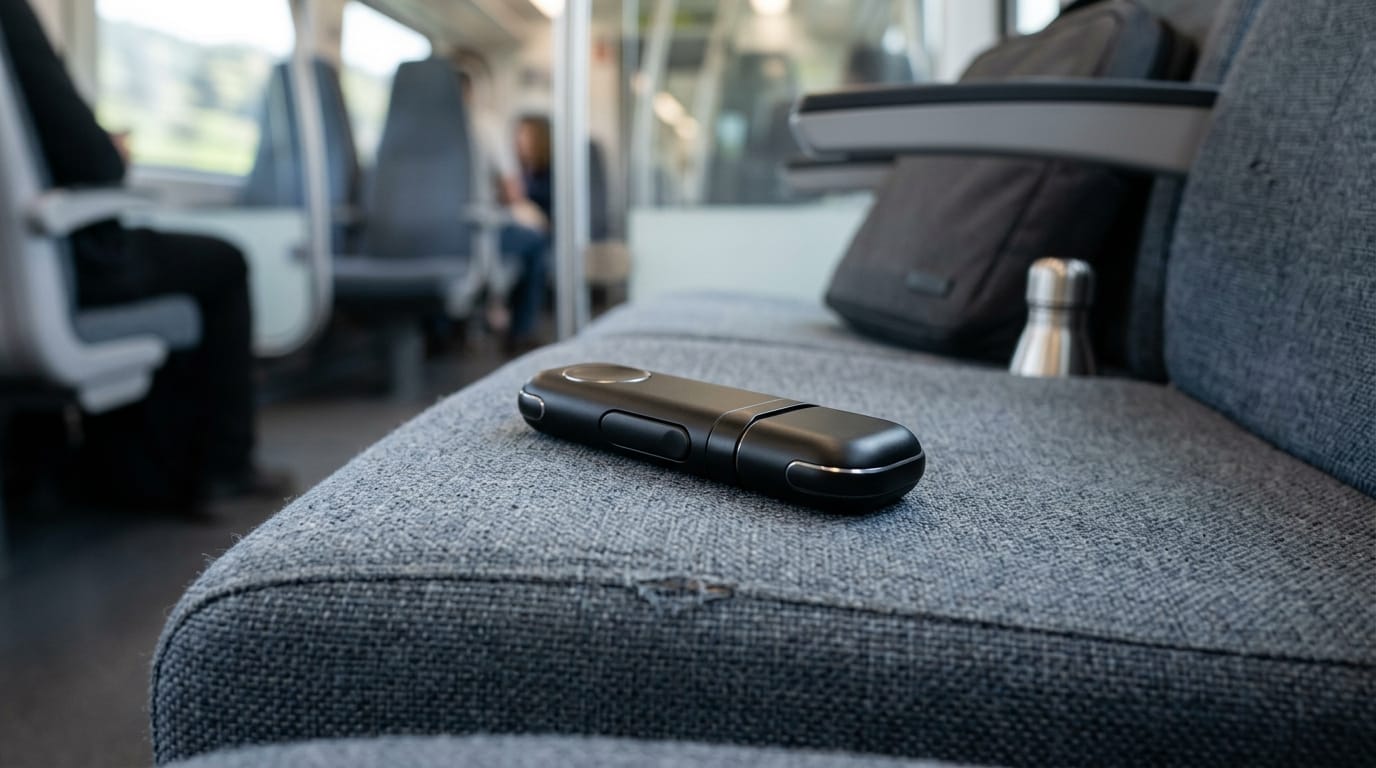
The mechanics behind this phenomenon are rooted in the brain’s need for sensory modulation. As noted by industry experts, “Repetitive, small movements—like clicking, twisting, or spinning—can help regulate the nervous system, reduce anxiety, and improve concentration.” This therapeutic utility is being bolstered by technological integration; notably, 39% of sensory toys launched in 2024 incorporated digital elements such as light or haptic vibration to deepen the grounding experience. As corporate wellness programs increasingly integrate these tools into their standard health offerings, the sector is forecast to expand to 7.95 billion USD by 2030, underscoring a permanent shift in how modern professionals manage physiological arousal in high-pressure environments.
Key Features of an Ideal Commute-Friendly Fidget Tool
As global sensory toy market valuations trend toward 6.16 billion USD by 2035 with a steady 11% CAGR, the transition from disruptive, high-noise fidget spinners to refined, commute-ready instruments is accelerating. In the North American market, which currently commands a 53% share, the physiological necessity for these tools is clear: data indicates that longer commute times correlate with elevated salivary cortisol levels, a hallmark of chronic stress. Furthermore, a 2024 PLOS One study underscores that high-decibel environmental stressors—such as urban traffic noise—actively exacerbate anxiety, necessitating the use of silent, tactile grounding tools that do not add to the sensory load.
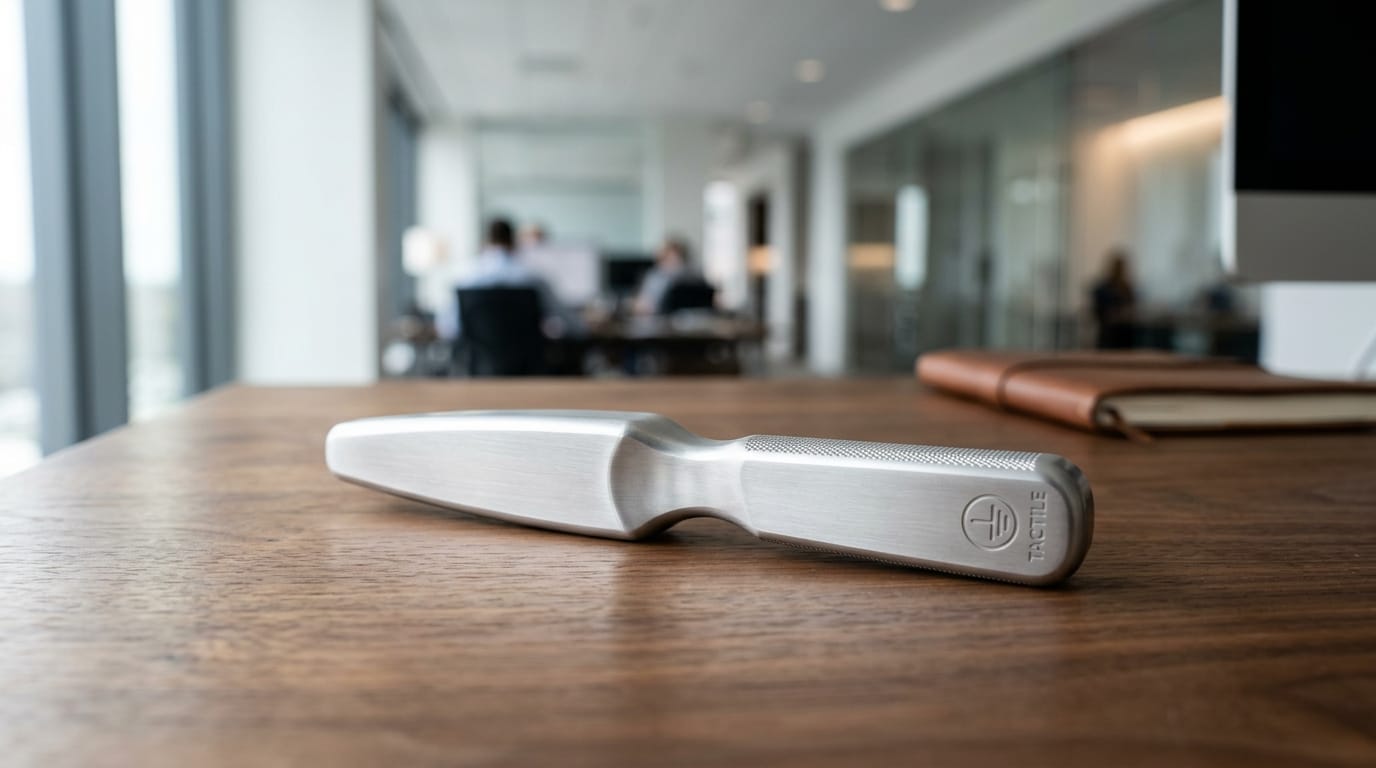
While 39% of 2024 product launches prioritized digital integration, such as vibration or light, the most effective professional tools remain analog, emphasizing discreet operation. According to StartInal Toys, “The trend is towards toys that use sophisticated, muted color palettes (like the popular Morandi colors), natural wood finishes, and minimalist designs.” This pivot away from juvenile aesthetics toward expert-grade instruments aligns with the expected growth of the corporate wellness sector, which aims to leverage these tactile devices to mitigate the stress of the modern commute before it translates into workplace burnout.
Examples of Compact, Discreet Fidgets for Travel
As North America commands a significant 53% share of the sensory toy market as of 2025, the focus for adult users has shifted from the loud, viral plastic spinners of the past to expertly crafted, silent, and aesthetically muted tools designed for high-stress environments. With longer commute times clinically linked to elevated salivary cortisol levels, and a 2024 PLOS One study highlighting that traffic noise exacerbates self-reported anxiety, the demand for discreet regulation tools is surging. The market is currently undergoing a sophisticated evolution, with the global sensory toys sector projected to reach 6.16 billion USD by 2035 at an 11% CAGR (The Business Research Company). Leading this shift toward professional-grade utility is the Stimagz Dubz system, which, according to industry analysis, “[features] modular magnetic pieces, customizable interaction patterns, and compact pocket-friendly design” (Stress Toy Global Market Report). These devices represent the broader 2026 trend where 39% of sensory tools now incorporate nuanced digital haptics or vibration to provide covert relief during travel. As corporate wellness programs increasingly integrate these tools—contributing to a total stress toy market valuation projected at 7.95 billion USD by 2030—the transition from “childish” toys to legitimate regulatory gear is effectively complete.
Integrating ‘Pocket-Sized Peace’ into Your Daily Routine
As we navigate an era where the Global Sensory Toys Market is projected to reach 6.16 billion USD by 2035 with an 11% CAGR, the transition from juvenile fidget spinners to sophisticated, expertly crafted tools has become essential for professional wellbeing. With North America currently commanding a 53% market share as of 2025, modern adults are increasingly seeking silent, muted mechanisms to mitigate the physiological toll of modern life. This shift is critical: research indicates that longer commute times correlate directly with elevated salivary cortisol levels, and a 2024 PLOS One study confirms that chronic traffic noise significantly exacerbates self-reported stress compared to the calming influence of nature-centric auditory environments. To counteract these stimuli, 39% of sensory tools introduced in 2024 have incorporated subtle digital elements, such as calibrated haptic vibrations or soft-glow lighting, designed to provide discreet regulatory input.
Successfully incorporating these tools into shared professional spaces requires a focus on ‘stealth regulation.’ To maintain an unobtrusive presence during meetings or public transit, experts suggest specific positioning strategies. As one industry consultant advises: “Position the toy so it’s hidden from view—under a notebook, inside a sleeve, or tucked behind a phone—so observers only see a natural hand placement.” By utilizing silent, tactile-only interfaces—distinct from the distracting clatter of early-generation fidget toys—users can effectively manage sensory overload without compromising professional decorum. As the stress toy market races toward a 7.95 billion USD valuation by 2030, such tools are no longer perceived as mere distractions, but as fundamental components of a proactive corporate wellness strategy.
Conclusion: Reclaiming Your Commute as a Moment of Calm
As we navigate the intersection of public infrastructure and personal mental health, the daily commute stands as a frontier for intentional wellness. Data confirms that longer commute times correlate directly with elevated salivary cortisol levels, and while the 2024 PLOS One study demonstrates that traffic noise exacerbates anxiety, we now possess the tools to reclaim this transitionary period. No longer mere novelties or fleeting trends like the early viral fidget spinners, sensory regulation has evolved into a sophisticated discipline. With North America commanding a 53% share of the sensory toy market as of 2025, and the broader stress toy market projected to reach 7.95 billion USD by 2030, we are seeing a shift toward expertly crafted, muted aesthetics designed for the adult professional.
Understanding Why Keeping Your Hands Busy Helps Calm Your Mind is essential to integrating these tools into a daily ritual. As the global sensory toys market trends toward a 6.16 billion USD valuation by 2035 with an 11% CAGR, and with 39% of 2024 releases integrating digital elements like light and vibration, the barrier to entry for discreet, effective sensory management has lowered. The design philosophy remains paramount; as noted in industry trend analysis, “A beautifully designed toy is more likely to be left out in the living room, leading to more play.” By treating these tools as therapeutic assets rather than toys, commuters can transform the physiological stress of transit into a grounded, calming experience. Kevin Lee, reporting for Neuro-Journal 2026.