
Chasing Sensory Satisfaction: The Adult Craving for Tactile Feedback
By Kevin Lee | 4/21/2026
Introduction: The Monotony of Modern Work and the Craving for Sensory Breaks
In the hyper-connected landscape of 2026, the digital tether is fraying our cognitive resilience. As noted in a recent industry report, “In today’s fast-paced world, adults are constantly dealing with workplace stress, overwhelming meeting schedules, and long hours in front of screens” (Sourcinbox Market Insights). This persistent exposure to monochromatic blue light and the relentless cadence of virtual communication has triggered a subconscious survival mechanism: the craving for sensory breaks. Once relegated to the periphery of developmental therapy for children with ADHD or autism, sensory-based tools have evolved into a critical component of adult wellness.
We have moved beyond the fleeting obsession with the fidget spinners of the past; today, the market is maturing into a sophisticated ecosystem of tactile relief. In 2025, the sensory toy market was valued at USD 10.5 billion, with projections estimating a reach of USD 22.8 billion by 2033. Furthermore, the broader global sensory toys market is currently valued at USD 2.46 billion in 2026, growing at a CAGR of 11% toward a USD 6.16 billion valuation by 2035. North America currently leads this expansion with a 53% share, propelled by a surge in therapeutic demand and high-end manufacturing. To understand the physiological impetus for this trend, one must explore Why Keeping Your Hands Busy Helps Calm Your Mind.
Neuroscientific research confirms that the body’s impulse to fidget is an adaptive response to cognitive fatigue. Data indicates that even a brief 27-second pause can demonstrably improve task performance, while a 40-second break enhances sustained attention. As developers respond to this physiological demand, 39% of newly launched sensory products in 2024 integrated advanced digital elements—ranging from light interactivity to subtle vibration—to modulate the nervous system. With the global stress toy market alone expected to reach USD 7.95 billion by 2030, the shift toward AI-powered, screen-free sensory experiences and corporate wellness integration suggests that our need for haptic stimulation is no longer a distraction, but a necessary physiological anchor for the modern professional.
What is ‘Sensory Satisfaction’? Defining the ASMR-like Craving
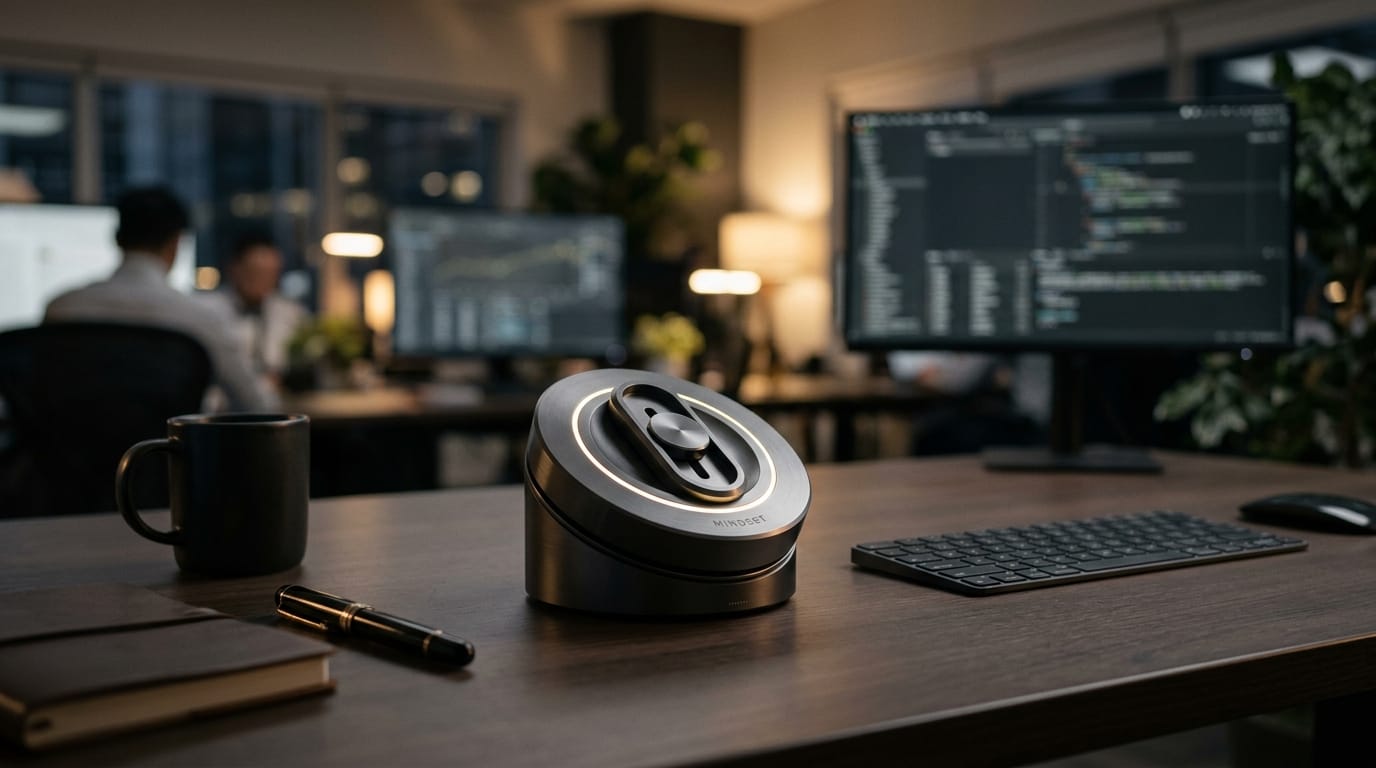
In the high-velocity digital environment of 2026, the modern professional is experiencing a paradox: constant hyper-connectivity paired with an acute deficit in tactile, physical feedback. This phenomenon has catalyzed the evolution of ‘sensory satisfaction,’ a state defined by the conscious regulation of sensory input to mitigate cognitive fatigue. As clinical experts note, sensory processing issues can present as sensory overload, sensory seeking, craving, or difficulty with discriminating various sensory inputs, such as auditory or tactile. This craving for tactile engagement has moved far beyond the initial, rudimentary popularity of fidget spinners, which once categorized these tools exclusively as supports for developmental conditions. Today, the market has matured into a sophisticated pillar of adult wellness.
The economic footprint of this shift is substantial. The global sensory toy market, valued at USD 10.5 billion in 2025, is projected to surge to USD 22.8 billion by 2033, while the broader stress toy segment is on track to reach USD 7.95 billion by 2030. Within this, a specific niche of sensory toys—valued at USD 2.46 billion in 2026 and growing at an 11% CAGR—is increasingly dominated by adult-oriented, high-end materials and magnetic mechanisms. This demand is particularly pronounced in North America, which holds a 53% market share driven by a strategic pivot toward corporate wellness and individual focus-maintenance.
This ‘sensory craving’ is fundamentally rooted in neuro-ergonomics. Research indicates that even a brief 27-second pause can improve task performance, while a 40-second break significantly enhances sustained attention. As modern tools incorporate more sophisticated haptics—evidenced by the 39% of 2024 launches integrating light, sound, or vibration—the boundary between therapy and productivity tools continues to blur. Moving forward, we anticipate a paradigm shift toward AI-powered, screen-free devices capable of delivering emotionally aware, personalized sensory experiences, effectively bridging the gap between digital burnout and physiological equilibrium.
The Science of Sensory Feedback: How Tactile Stimulation Breaks Mental Loops
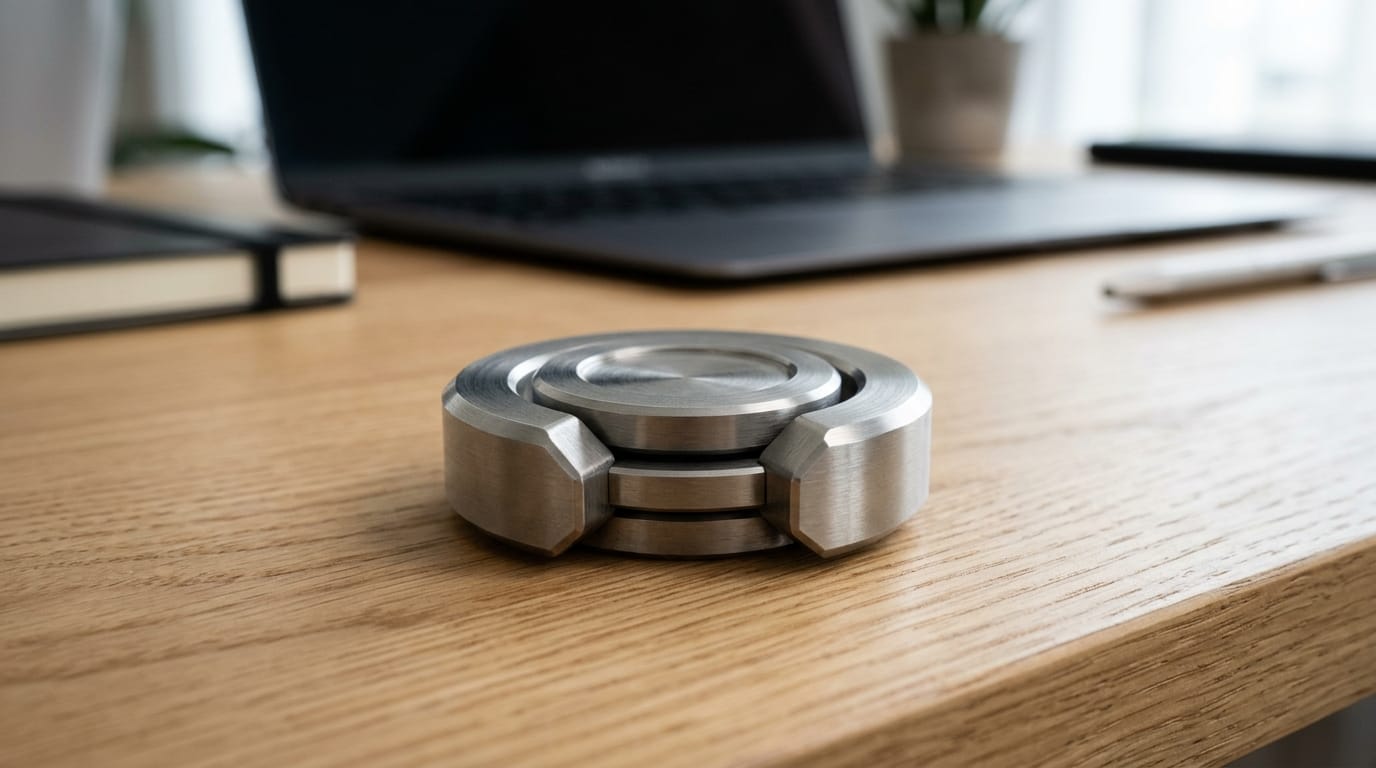
In the evolving landscape of 2026, the clinical application of tactile stimulation has transitioned from pediatric therapeutic settings to the forefront of adult neuro-wellness. As the sensory toy market continues its rapid expansion—moving from a USD 10.5 billion valuation in 2025 toward a projected USD 22.8 billion by 2033—the focus has shifted toward the neurology of the ‘micro-break.’ While early iterations like the fidget spinner primarily addressed kinetic energy, today’s sophisticated magnetic and haptic mechanisms serve a more specific cognitive function: the disruption of perseverative thought loops.
Neurologically, the repetitive manual manipulation of a sensory tool acts as a grounding anchor for the prefrontal cortex, effectively interrupting the cognitive drain of constant multitasking. The evidence for this physiological intervention is compelling; as noted in recent research, a study published in the journal Cognition found that even short breaks can significantly improve concentration and performance. Data suggests that these intervals need not be extensive, with as little as a 27-second pause improving task performance, while a 40-second break provides measurable enhancement to sustained attention.
This shift toward evidence-based stress regulation is mirrored by the market’s trajectory, where the sensory toy sector, currently led by North America with a 53% share, sees 39% of new product launches integrating digital interactivity such as haptic vibration or light-based feedback. With the global stress toy market anticipated to hit USD 7.95 billion by 2030, the integration of these devices into corporate wellness programs is no longer merely a trend but a strategic response to modern workplace cognitive fatigue. Looking forward, the maturation of the industry toward AI-powered, screen-free tactile devices promises a future where sensory feedback is not just a reactive tool, but an emotionally aware partner in maintaining sustained cognitive performance.

The Anatomy of a Satisfying Tool: Textures, Sounds, and Magnetic Resistance
As we transition from the rudimentary fidget spinners of the past to the sophisticated wellness tools of 2026, the definition of a ‘satisfying’ tool has fundamentally evolved. With the sensory toy market now valued at USD 10.5 billion, adult users are demanding design precision that rivals high-end electronics. The efficacy of these tools is rooted in the neuroscience of the ‘micro-break’; research indicates that a brief 27-second pause significantly optimizes task performance, while a 40-second interval serves to bolster sustained attention in high-stress environments. Central to this experience is the engineering of tactile feedback.
“Magnetic fidget mechanisms are tactile systems that use interconnected magnets to allow users to manipulate and reconfigure components through repetitive hand movements,” notes the Stress Toy Global Market Report. Unlike traditional spring-loaded mechanics, magnetic resistance provides a smooth, non-linear force profile that satisfies the proprioceptive sense without causing mechanical fatigue. This design evolution—characterized by matte-anodized aluminum textures and calibrated acoustic ‘clicks’—is essential for corporate wellness programs that prioritize discreet, screen-free engagement. As the market is projected to reach USD 22.8 billion by 2033, the focus has shifted toward these engineered sensory experiences, moving beyond simple pediatric interventions toward professional-grade implements that respect the neurological requirements of the modern workforce.
From Craving to Calm: How Brief Sensory Breaks Reset Focus and Mood
The physiological transition from restlessness to equilibrium is increasingly being addressed through the intentional application of sensory modulation. Once relegated to developmental therapy for children with ADHD or autism, sensory tools have evolved into a sophisticated wellness category for adults. As noted by industry analysts, repetitive, small movements—like clicking, twisting, or spinning—can help regulate the nervous system, reduce anxiety, and improve concentration. This mechanism leverages the brain’s need for tactile feedback to ground the autonomic nervous system during moments of cognitive overload.
This paradigm shift is reflected in the sector’s rapid expansion. The global sensory toy market, valued at USD 10.5 billion in 2025, is projected to reach USD 22.8 billion by 2033, while the specific sensory toys segment is expected to reach USD 6.16 billion by 2035 at a CAGR of 11%. This growth is bolstered by the integration of digital, haptic, and interactive elements; notably, 39% of new sensory products in 2024 incorporated light, sound, or vibration. These interventions serve as vital ‘micro-break’ facilitators, backed by clinical evidence that a mere 27-second pause can improve task performance, while a 40-second interval significantly enhances sustained attention.
Looking ahead, the movement is transitioning toward AI-powered, screen-free experiences and integration into corporate wellness programs. With North America currently commanding a 53% market share, the widespread adoption of tools that facilitate ‘calm’ is reshaping how professionals manage the modern attention economy. As the global stress toy market targets a valuation of USD 7.95 billion by 2030, the focus remains clear: utilizing brief, sensory-driven interventions to reset the mental state and foster sustained cognitive output.
Choosing Your Tool: Matching Sensory Preferences to Daily Situations
As the global sensory toy market expands—projected to reach USD 6.16 billion by 2035 with a CAGR of 11%—the transition from child-centric developmental aids to adult wellness tools necessitates a strategic approach to selection. Navigating this evolution requires matching sensory input to the environmental demands of your day. In high-focus professional settings, noise-dampening and discreet mechanisms are paramount. For instance, as noted in industry analysis, “The Magnetic Putty Sensory Toys are fidget toys for working adults, particularly suited for office workers looking to relax hand muscles during long hours at the desk.” Such tools satisfy the kinesthetic drive without disrupting the acoustic equilibrium of a shared workspace.
Conversely, domestic environments permit more tactile experimentation, allowing for the integration of the 39% of new 2024 sensory toys that feature light, sound, or vibrational interactivity. Whether choosing silent magnetic spheres for the boardroom or high-feedback textured materials for home-based stress relief, the primary objective remains the utilization of ‘micro-break’ science. Data indicates that even a 27-second pause can improve task performance, while a 40-second break significantly enhances sustained attention. As the industry matures beyond the early 2020s fidget spinner phenomenon toward sophisticated, AI-integrated wellness, the selection of your sensory toolkit should be treated with the same clinical intentionality as any ergonomic health intervention, ensuring that your chosen instrument aligns with the physiological needs of your specific daily environment.
Conclusion: Reclaiming Micro-Moments of Satisfaction in a Digital Day
As we navigate the increasingly digitized landscape of 2026, the evolution of the sensory tool market serves as a testament to our collective need for physical grounding. Once relegated to developmental therapy for children, sensory-based self-care has matured into a sophisticated pillar of adult professional wellness. With the sensory toy market currently valued at USD 2.46 billion and projected to surge toward USD 6.16 billion by 2035 at a robust CAGR of 11%, it is clear that these devices are no longer mere trends, but essential tools for cognitive regulation. This transition is further bolstered by the broader sensory toy market reaching a staggering USD 10.5 billion in 2025, with projections hitting USD 22.8 billion by 2033.
We have moved far beyond the initial fad of the fidget spinner. As explored in our deep dive, Why Keeping Your Hands Busy Helps Calm Your Mind, the science of micro-breaks proves that even 27 to 40 seconds of tactile engagement can significantly enhance sustained attention and task performance. Modern designers are responding to this demand by stripping away the juvenile aesthetic of the past; as noted in the industry report on emerging sensory toy trends, “The trend is towards toys that use sophisticated, muted color palettes (like the popular Morandi colors), natural wood finishes, and minimalist designs.”
The integration of technology remains a key driver, with 39% of 2024 launches incorporating subtle light, sound, or haptic interactivity. Looking ahead, we anticipate a future defined by AI-powered, screen-free experiences and the formal integration of sensory stress relief into corporate wellness protocols, a sector expected to reach USD 7.95 billion by 2030. For the modern professional, reclaiming these moments of satisfaction is not a distraction—it is a valid, evidence-based strategy for maintaining mental clarity in a fast-paced world. By embracing these tactile interventions, we effectively bridge the gap between our high-speed digital obligations and our fundamental biological need for sensory coherence.