
Why Keeping Your Hands Busy Helps Calm Your Mind
By Kevin Lee | 4/20/2026
Introduction: The Universal Urge to Fidget
Fidgeting is no longer relegated to the periphery of nervous habits; it is increasingly recognized as a vital, purposeful, and universal rhythmic behavior. Recent clinical inquiry confirms this, as researchers note, “Fidgeting, as it turns out, is universal—and purposeful. In fact, studies show fidgeting falls in a rhythm: movements happen in the 1 to 20 Hz range.” This rhythmic stabilization serves a clear cognitive utility, as documented in our recent analysis, Why Keeping Your Hands Busy Helps Calm Your Mind, which explains how such motion can extend task focus duration by up to 30 minutes before cognitive vigilance begins to decline.
The cultural trajectory of these behaviors has shifted dramatically since the 2017 fidget spinner craze, which sparked initial mainstream awareness but ultimately faced classroom bans due to its perceived disruptive nature. Today, the market is maturing, moving toward sophisticated designs characterized by muted Morandi colors and natural materials that integrate seamlessly into high-end offices and domestic environments. By 2025, the global sensory toy market reached a valuation of USD 10.5 billion, with 67 percent of parents and therapists citing these tools as essential for developmental support. As the industry advances, 39 percent of new sensory toys released in 2024 have integrated digital elements—such as nuanced light pulses or haptic vibrations—to meet refined user needs. With the market projected to reach USD 22.8 billion by 2033, driven largely by the expansion into adult wellness and corporate integration, we are entering an era where fidgeting is not merely tolerated, but optimized for human performance.
The Subconscious Brain-Body Connection
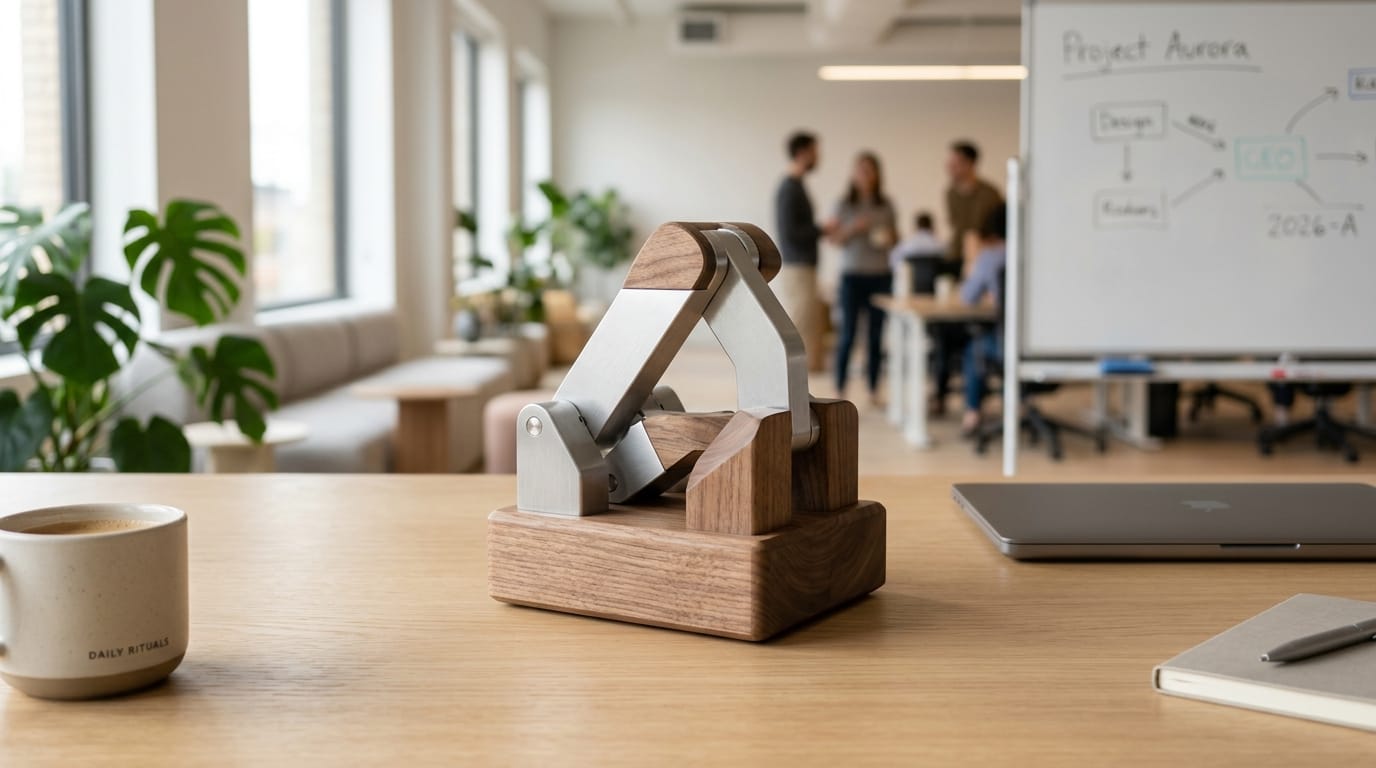
While the 2017 fidget spinner craze once drew sharp criticism and subsequent classroom bans due to perceived distraction, the current landscape of sensory regulation has matured significantly. Today, the market for these tools has reached a valuation of USD 10.5 billion as of 2025, shifting toward sophisticated designs that utilize muted Morandi colors and natural materials. This aesthetic evolution reflects a broader integration of tactile regulation into professional and domestic environments, paving the way for a projected market growth to USD 22.8 billion by 2033. Currently, 67 percent of parents and therapists advocate for these tools to support developmental needs, while 39 percent of new inventory integrates digital feedback, such as haptic vibration or light, to harmonize with the user’s nervous system.
Neurologically, the efficacy of these tools lies in the subconscious regulation of motor output. Fidgeting movements typically manifest in a rhythm between 1 and 20 Hz, a frequency range that appears to optimize dopamine modulation, effectively stabilizing attention in the presence of cognitive load. According to experts at Next Level Neuro, “fidgeting has been linked to increased blood flow in the prefrontal cortex—the area responsible for attention and decision-making—especially during mentally challenging tasks.” This activation serves as a physiological anchor; by occupying the motor system with rhythmic, non-conscious stimuli, individuals can extend their sustained task focus by up to 30 minutes before the onset of vigilance decline.
Channeling Nervous Energy: From Distraction to Anchor
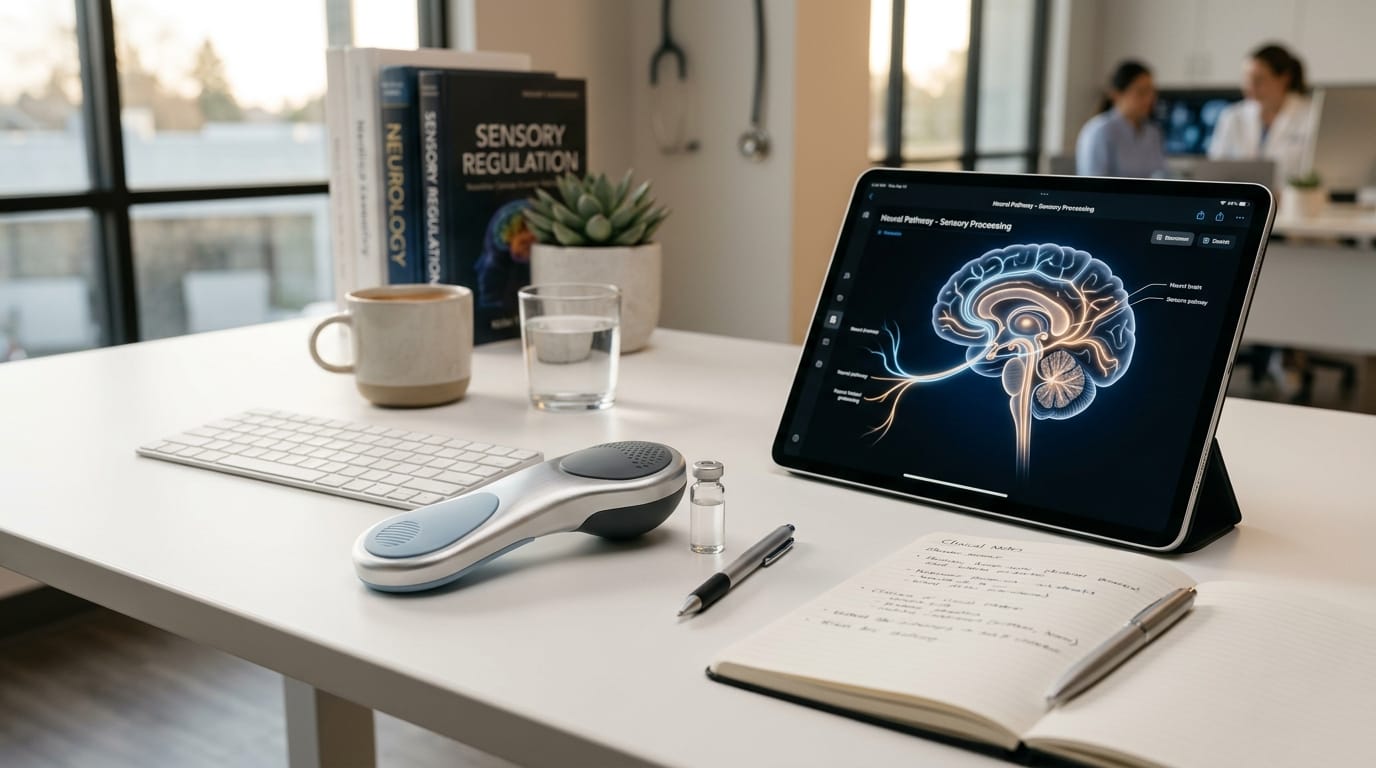
The evolution of tactile engagement has moved far beyond the disruptive classroom crazes of 2017, transitioning from performative playthings to sophisticated instruments of cognitive regulation. At the heart of this shift lies the Attentional Anchor Theory, which suggests that rhythmic micro-movements serve a vital neurological purpose. As noted by researchers at the UC Berkeley EDRL, “one focus organizes many actions. This is the crux of attentional anchors… imagined percepts that the students engage and sustain as a means to organize their action.” By providing a physical tether for nervous energy, these anchors prevent cognitive drift, with clinical observations indicating that controlled fidgeting can extend task focus duration by up to 30 minutes before the onset of vigilance decline.
Biophysically, these movements are not erratic; they typically occur in a highly stable, specific rhythm between 1 and 20 Hz, facilitating a state of relaxed alertness. The market has responded to this scientific validation with impressive scale, reaching a valuation of USD 10.5 billion in 2025. We are seeing a shift toward design maturity, with 67 percent of parents and therapists now advocating for these tools to support neurodiverse development. Furthermore, manufacturers are increasingly blending technology with tactile utility; in 2024, 39 percent of new sensory products integrated digital elements such as haptic vibration or responsive lighting.
As we look toward 2033, the market is projected to expand to USD 22.8 billion, driven largely by the professional sector’s adoption of ‘stealth’ sensory tools—devices characterized by muted Morandi color palettes and natural materials that integrate seamlessly into executive workspaces. By reclaiming the fidget as an anchor rather than a distraction, modern professionals are successfully leveraging these tools to maintain baseline focus in an increasingly fragmented digital landscape.

The Science of Sensory Feedback and Focus
While the 2017 fidget spinner craze initially brought mainstream awareness to tactile tools, it also triggered a wave of classroom bans due to concerns over classroom distraction. However, as of 2026, the market has matured significantly, moving toward ‘sophisticated’ designs characterized by muted Morandi color palettes and natural materials that integrate seamlessly into modern home and office environments. This evolution is mirrored by a massive industry shift, with the global sensory toy market reaching a valuation of USD 10.5 billion in 2025 and projected to grow to USD 22.8 billion by 2033, fueled by increasing adoption in adult wellness and corporate sectors.
The neurological basis for this transition lies in the physiological regulation provided by repetitive stimuli. Fidgeting movements typically occur in a specific rhythm between 1 and 20 Hz, a frequency range that appears to stabilize the autonomic nervous system. As noted in recent industry analysis, “Repetitive, small movements—like clicking, twisting, or spinning—can help regulate the nervous system, reduce anxiety, and improve concentration.” This mechanical feedback loop is functionally significant: clinical observations suggest that intentional fidgeting can extend task focus duration by up to 30 minutes before cognitive vigilance begins to decline.
Today, 67 percent of parents and therapists actively prefer sensory toys to support developmental needs, pushing manufacturers to innovate beyond simple mechanics. By 2024, 39 percent of new sensory toys had already integrated digital elements such as responsive light or haptic vibration to deepen the sensory feedback loop. As we look toward the future, these tools are no longer viewed as mere diversions, but as evidence-based instruments for neural regulation in an increasingly distracted professional landscape.
Everyday Applications: From Boredom to Overwhelm
The evolution of sensory regulation tools has traveled a significant distance since the 2017 fidget spinner craze, which, while raising mainstream awareness, often prompted classroom bans due to its disruptive potential. Today, the market is shifting toward sophisticated, ergonomically designed devices featuring muted Morandi palettes and natural textures that integrate seamlessly into the high-stakes professional environment. This transition is underscored by the 2025 valuation of the global sensory toy market at USD 10.5 billion, with projections indicating a climb to USD 22.8 billion by 2033 as corporate wellness programs increasingly embrace these tools to mitigate employee burnout.
Biophysically, these devices capitalize on the fact that fidgeting movements typically manifest in a specific rhythm between 1 and 20 Hz, which serves to regulate the central nervous system. Clinical data reveals that such engagement can extend task focus duration by up to 30 minutes before cognitive vigilance begins to decline. This impact is quantifiable; research highlighted by Stimara confirms that participants utilizing discreet fidget devices maintained higher accuracy and faster response times, with salivary cortisol levels rising 15% less than those in non-fidget control groups.
As we navigate a workspace where 67 percent of parents and therapists now prioritize sensory support for developmental health, adults are increasingly adopting these practices to manage workplace overwhelm. Innovation remains a primary driver of this trend, with 39 percent of new sensory toys in 2024 integrating digital elements such as haptic light or vibration feedback. By shifting from mere distraction to intentional sensory regulation, these tools represent a critical frontier in modern corporate performance and psychological resilience.
Conclusion: Reframing a ‘Bad Habit’ as a Natural Tool
The trajectory of the sensory tool market reflects a broader cultural pivot from punitive discipline to cognitive optimization. While the 2017 fidget spinner craze was initially met with widespread classroom bans due to concerns over distraction, the last decade has proven that rhythmic, repetitive movement—typically occurring at a frequency of 1 to 20 Hz—is not a sign of disengagement, but a physiological necessity. As explored in our deep dive into Why Keeping Your Hands Busy Helps Calm Your Mind, these behaviors can extend task focus by up to 30 minutes before cognitive vigilance begins to wane.
Today, the industry is shedding its novelty status, reaching a valuation of USD 10.5 billion in 2025. This maturation is evidenced by a shift toward sophisticated, muted Morandi aesthetics and sustainable materials that integrate seamlessly into professional and domestic environments. The 2024 data reveals that 39 percent of new offerings now feature integrated digital elements like light or vibration, while 67 percent of parents and therapists explicitly favor these tools for developmental support. As industry analysts note, “As a result, fidget toys are now widely accepted in classrooms, offices, and even therapy sessions.”
Looking toward 2033, the market is projected to reach USD 22.8 billion, a trajectory fueled by the normalization of sensory tools within adult wellness and corporate wellness initiatives. By reframing the fidget as a natural, neuro-supportive tool rather than a behavioral deficit, we have unlocked a powerful mechanism for sustained focus in an increasingly complex world.